Requesting a Call:
Online Support
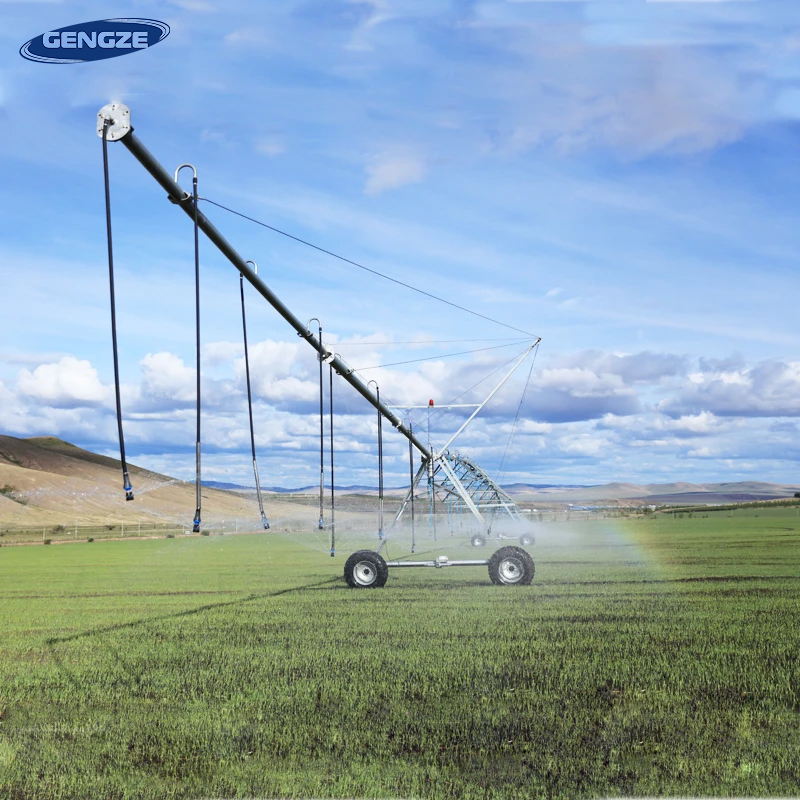
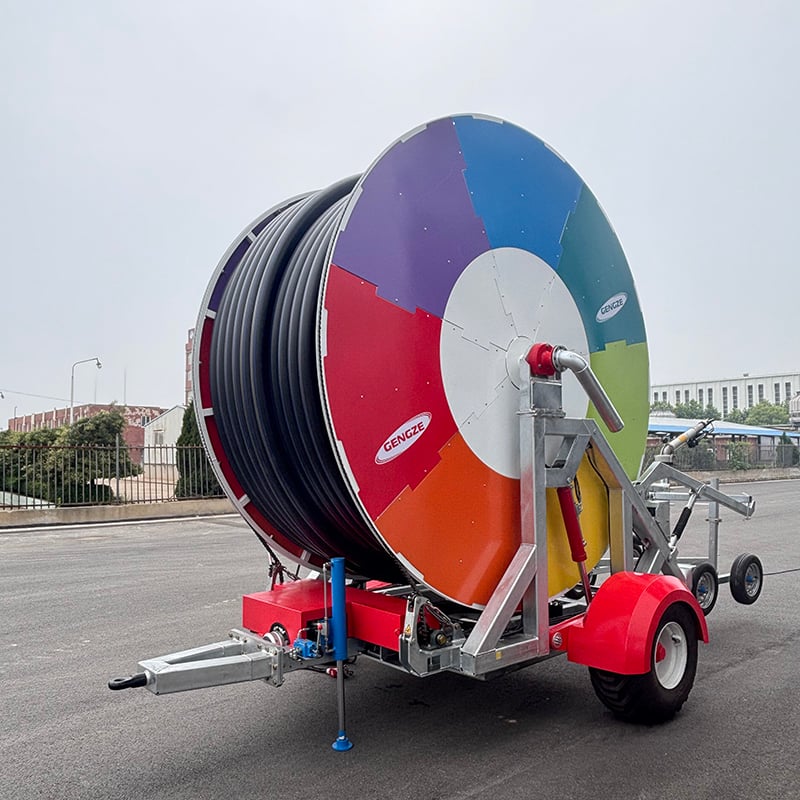
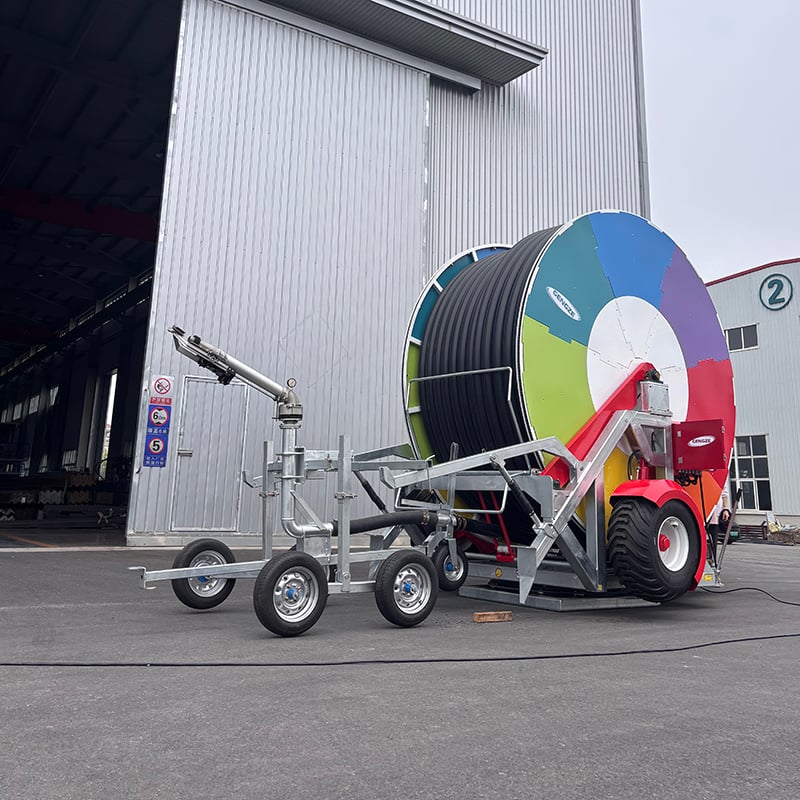
Lateral move irrigation equipment is essential for efficient water distribution in modern agricultural practices. As a specialized solution, these systems help optimize water usage, reduce labor, and improve crop yields. For B2B buyers, understanding the quality, specifications, and applications of liquid fertilizer tankers for sale equipment is crucial for making informed purchasing decisions. This article will explore key considerations when selecting this equipment, common issues faced, and its various applications in agriculture.
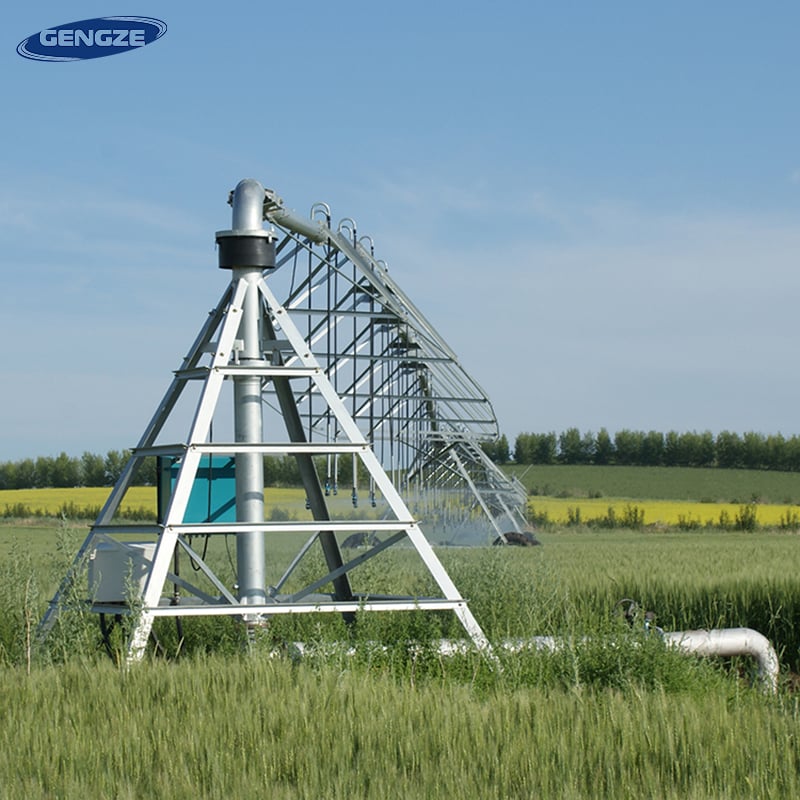
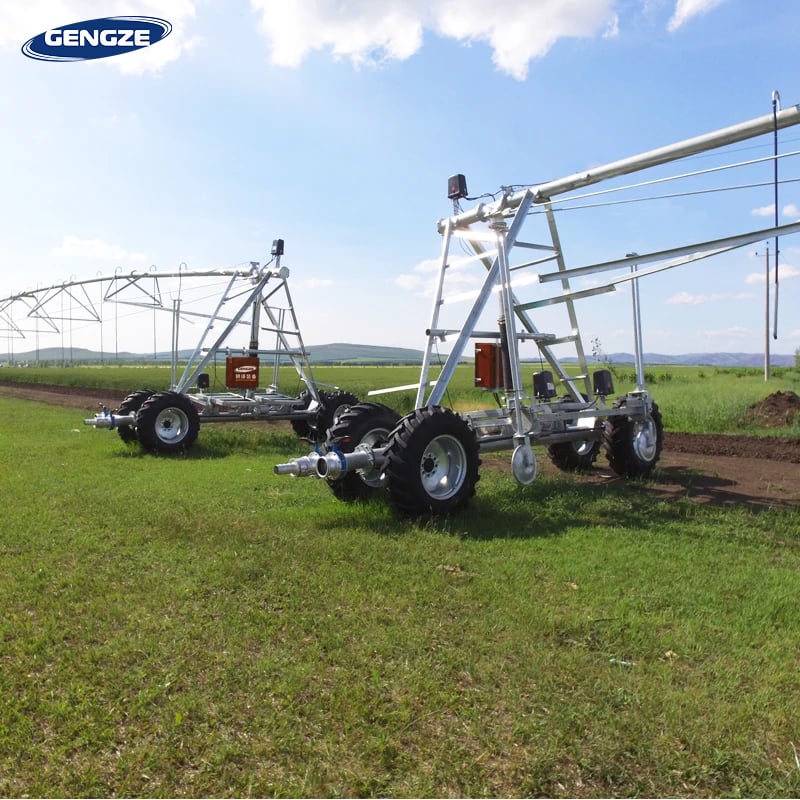
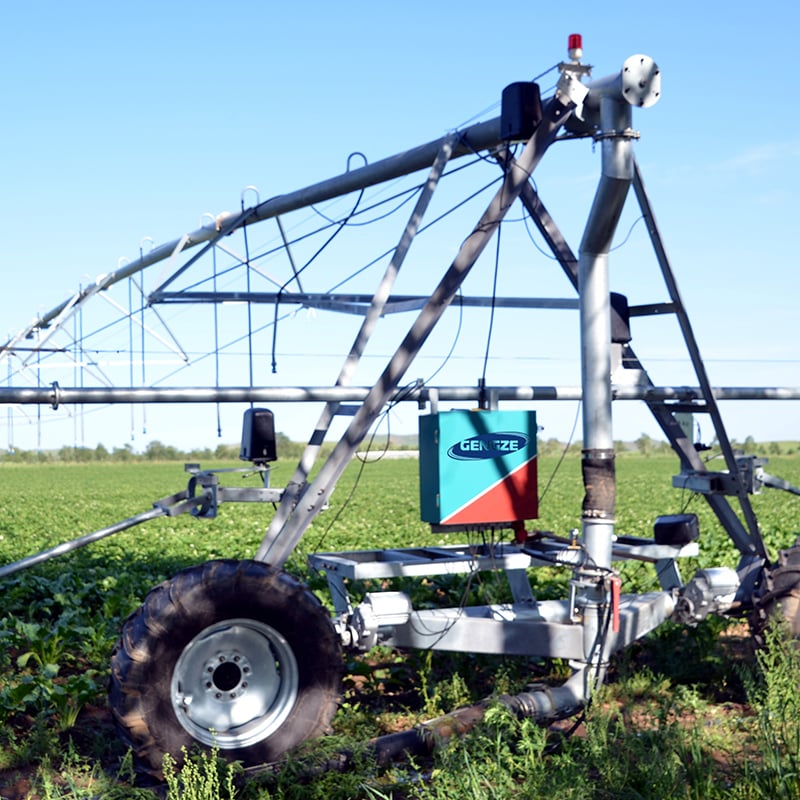
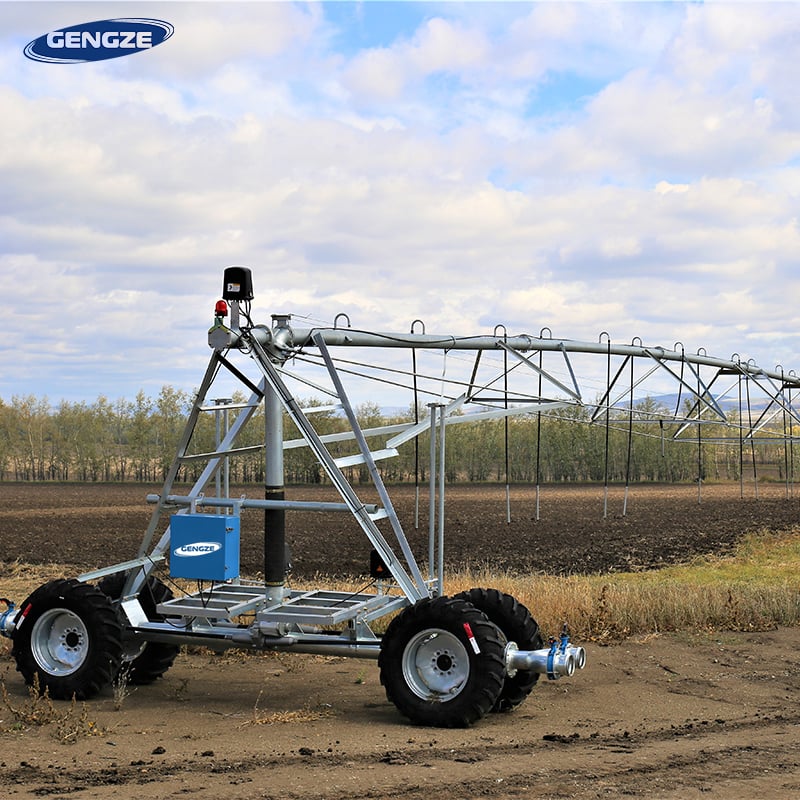
When evaluating center point irrigation system equipment, several quality factors should be prioritized. First, assess the materials used in construction. High-quality, corrosion-resistant materials such as galvanized steel or durable polymers can enhance the lifespan of the equipment, especially in varied environmental conditions.
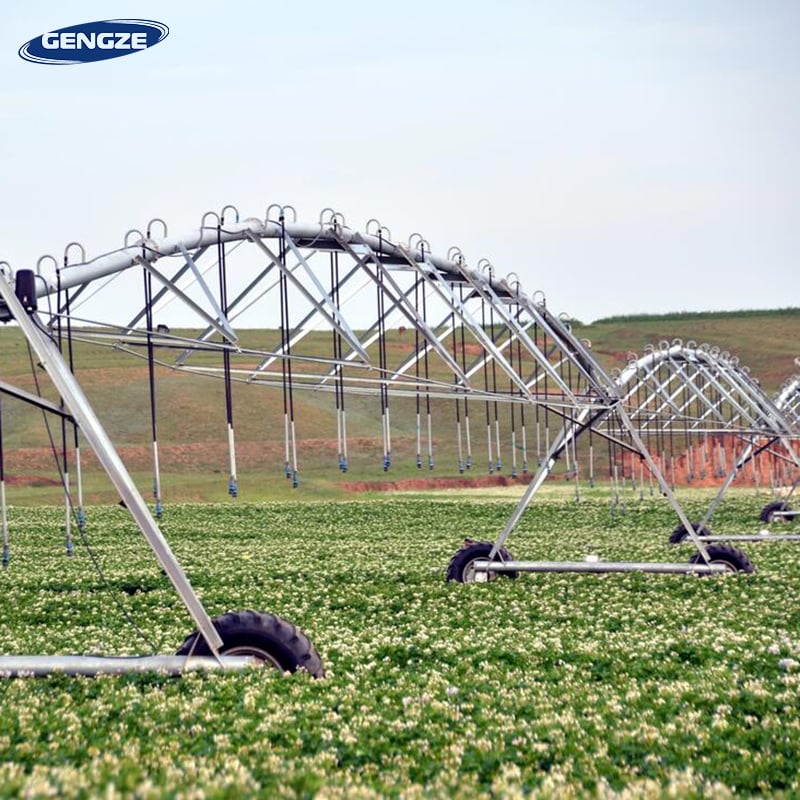
Another critical aspect is the system's design and engineering. Look for features like adjustable spans and flexible layouts that allow for adaptability in various field sizes and shapes. This flexibility can improve overall efficiency and reduce water waste.
Additionally, consider the quality control processes employed by manufacturers. A reputable company, such as Dalian Gengze Agricultural Equipment Manufacturing Co., Ltd, should have stringent quality assurance measures in place, ensuring that each unit is tested and meets performance standards before shipment. Certifications from recognized industry organizations may also indicate adherence to quality benchmarks.
Choosing the right lateral move irrigation system involves considering several factors tailored to your specific agricultural needs. Start by evaluating the size of the area to be irrigated. Systems come in various lengths and configurations, so it's important to select one that efficiently covers your field without excessive overlap or gaps.
Next, assess the water source and pressure available. The system's design must accommodate your water supply's pressure levels to ensure optimal performance. This includes checking compatibility with existing infrastructure, such as pumps and valves.
Customization options are also vital. Many manufacturers offer features such as variable speed drives or advanced control systems that allow for precise water application. Discussing your specific requirements with suppliers can lead to tailored solutions that enhance efficiency and productivity.
Finally, consider the system's ease of use and maintenance. Look for features that simplify operation, such as automated controls or easy access for repairs, as these can significantly reduce labor costs and downtime.
When purchasing lateral move irrigation systems in bulk, various cost factors come into play. Initially, the unit price may decrease with larger orders, but it’s essential to consider total cost implications. Factors such as shipping fees, customs duties, and any import taxes can affect the overall expense.
Additionally, consider the lifecycle costs of the equipment. This includes maintenance, repairs, and potential upgrades. Opting for higher-quality systems may involve a higher initial investment but can lead to lower maintenance costs and longer service life, ultimately providing better value.
Another consideration is customization costs. Tailored features may incur additional charges, so it's essential to weigh these against the potential benefits they provide. Engaging with manufacturers who offer transparent pricing can help clarify these aspects.
Lastly, always inquire about payment terms and financing options, especially for larger purchases. Flexible financing can ease the upfront cost burden and facilitate smoother budgeting for your agricultural operations.
Despite their advantages, lateral move irrigation systems can encounter several common issues. One frequent problem is uneven water distribution, which can lead to crop stress and reduced yields. This issue often arises from inadequate pressure management or poor system calibration. Regularly checking and adjusting system parameters can help mitigate this problem.
Another challenge is mechanical failure, which may stem from wear and tear or lack of proper maintenance. Implementing a routine maintenance schedule that includes inspecting moving parts, checking for leaks, and ensuring proper lubrication can significantly reduce the risk of unexpected breakdowns.
Furthermore, environmental factors such as soil compaction or debris accumulation can hinder system performance. Regular field assessments and system cleaning can alleviate these issues. Collaborating with experienced suppliers can also provide insights into best practices for maintaining optimal system performance.
Lateral move irrigation systems serve a variety of applications in modern agriculture, particularly in crops that require consistent and precise watering. These systems are commonly used in large-scale operations, such as vineyards, orchards, and row crops, where uniform irrigation is paramount for crop health and productivity.
One significant benefit of lateral move systems is their ability to adapt to different terrain types. Whether sloped or flat, these systems can be configured to ensure that water reaches all areas of the field, thus improving resource efficiency.
Additionally, lateral move irrigation is particularly effective in regions where water conservation is critical. By minimizing runoff and evaporation through precise application, these systems can help farmers utilize water resources more effectively, contributing to sustainable agricultural practices.
Moreover, advancements in technology, such as integration with precision agriculture tools, allow for enhanced monitoring and control of irrigation schedules. This capability ensures that crops receive optimal moisture levels, leading to improved yields and reduced water usage.
In summary, understanding the nuances of best center pivot irrigation system equipment is essential for making informed procurement decisions. By focusing on quality, customization, and cost factors, buyers can ensure they select the right system for their agricultural needs while addressing common challenges and leveraging the technology's full potential.
Dalian Gengze Agricultural Equipment Manufacturing Co.,Ltd
Copyright © Dalian Gengze Agricultural Equipment Manufacturing Co.,Ltd All Rights Reserved | Blog | Privacy Policy
 EN