Requesting a Call:
Online Support
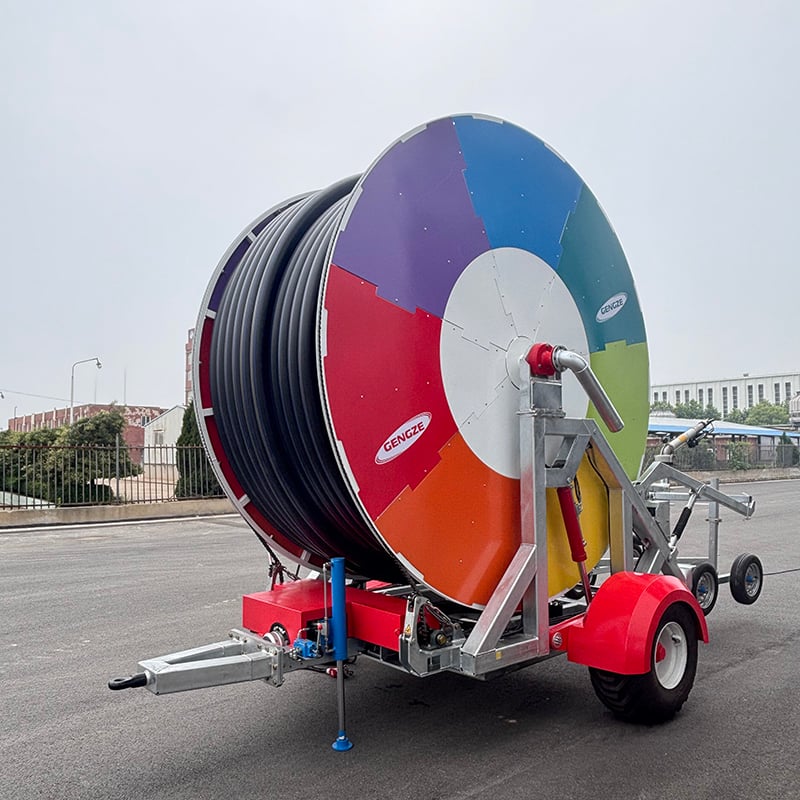
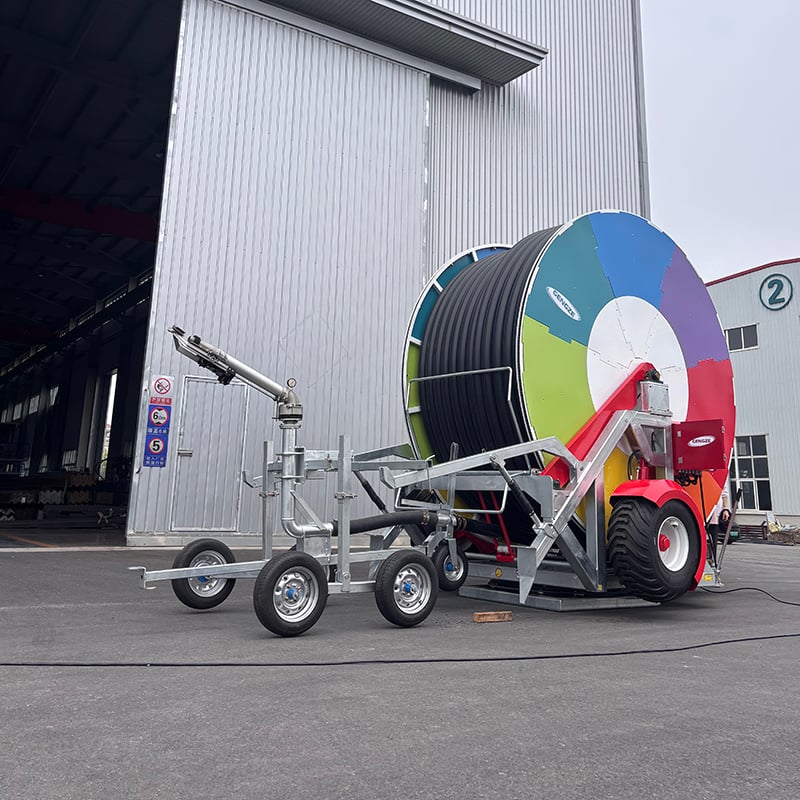
Lateral move irrigation systems are essential tools for modern agriculture, allowing for efficient and uniform water distribution across large farming areas. When looking for lateral move irrigation for sale, buyers often focus on performance, reliability, and cost-effectiveness. This article will explore how to select the right system for your project, evaluate cost factors, address common issues and their solutions, provide installation guidance, and discuss various applications in agriculture.
Selecting the right best center pivot irrigation system lateral move irrigation system involves several key considerations. First, assess the size and layout of your farmland. Systems vary in length and configuration; therefore, understanding the field dimensions will help you determine the appropriate system size.
Next, consider the water source and quality. The system will require a reliable water supply that meets the necessary flow rates and pressure requirements. Pay attention to the irrigation method—whether you prefer spray, drip, or a combination—since this will influence the system design and component selection.
Another critical factor is the expected crop type and growth stages. Different crops have varying water needs, and some may require more precise irrigation techniques. Discuss your specific agricultural needs with your supplier to ensure compatibility and efficiency.
Lastly, evaluate the system's automation features. Advanced systems may offer programmable settings and remote control capabilities, which can enhance efficiency and reduce labor costs. Make sure to identify your operational preferences to find a system that aligns with your farming practices.
Cost evaluation for Irrigation System systems involves several elements. First, consider the initial purchase price, which can vary significantly based on the system's specifications, brand, and features. When comparing prices, ensure that you're looking at comparable systems with similar capabilities.
Operational costs are another crucial factor. This includes energy costs for running pumps and any maintenance needs over the system's lifespan. A well-constructed system from a reputable manufacturer like Dalian Gengze Agricultural Equipment Manufacturing Co., Ltd can minimize downtime and repair costs, making it a more cost-effective long-term investment.
Additionally, look into the potential for water savings. Efficient irrigation systems can significantly reduce water usage, leading to lower utility bills, especially in areas where water is a limited resource. Understanding these cost implications will help you determine the total cost of ownership.
Lastly, be aware of any applicable financing options or discounts for bulk purchases. Many manufacturers may offer incentives for wholesale buyers, which can further enhance your overall cost-effectiveness.
Lateral move irrigation systems can face a variety of issues that may impact their performance. One common problem is uneven water distribution, which can result from malfunctioning components, such as pumps or sprinklers. Regular maintenance and inspections can help identify and rectify such issues early.
Another issue is soil compaction, which can occur if the equipment is too heavy or if the system is improperly designed. This can affect water penetration and crop health. To mitigate this, ensure the system design considers soil types and field conditions during implementation.
Clogged nozzles or emitters are also frequent issues. Debris from the water source can lead to blockages, affecting the system's efficiency. Regular cleaning and the installation of filtration systems can help prevent this problem.
Lastly, operational costs may rise due to energy inefficiencies. Ensure that the pumps and motors are well-maintained and appropriately sized for your system to avoid unnecessary energy expenditure.
Proper installation of your Towable Center Pivots system is crucial to achieving optimal performance. Begin by preparing the site, which includes leveling the ground and ensuring proper drainage. An uneven field can lead to water pooling and inefficient irrigation.
Next, carefully follow the manufacturer’s installation guidelines. This typically involves setting up the mainline, connecting lateral pipes, and positioning the sprinklers or emitters. Dalian Gengze Agricultural Equipment Manufacturing Co., Ltd offers detailed installation instructions that should be followed closely for best results.
Once installed, conduct a thorough system check before full operation. Test the water pressure and flow rates to ensure they meet the specified requirements. It’s also advisable to perform a trial run to identify any potential issues, such as leaks or uneven water distribution.
Lastly, consider training your staff on system operation and maintenance. Understanding how to troubleshoot common problems can save time and reduce the likelihood of extensive repairs in the future.
Lateral move irrigation systems are highly versatile and can be applied in various agricultural settings. They are particularly effective in large-scale operations such as row cropping, where consistent water delivery is crucial for crop yield and quality.
In orchards, lateral move systems can be used to efficiently water trees while minimizing water waste, ensuring that every tree receives adequate hydration. These systems are also beneficial in vineyards, where precise irrigation can affect grape quality and yield.
Furthermore, lateral move irrigation can be adapted for specialty crops, such as vegetables and flowers, which may require specific watering techniques. By customizing the system to the unique needs of the crop, farmers can enhance their operational efficiency and improve product quality.
In addition to traditional farming, these systems are also gaining traction in nursery production and greenhouse operations, where controlled irrigation can lead to healthier plants and reduced labor costs.
In summary, selecting the right lateral move irrigation system involves careful consideration of your specific agricultural needs, cost evaluations, and installation practices. By addressing common issues and understanding the diverse applications of these systems, you can make informed decisions that enhance your farming operations.

Dalian Gengze Agricultural Equipment Manufacturing Co.,Ltd
Copyright © Dalian Gengze Agricultural Equipment Manufacturing Co.,Ltd All Rights Reserved | Blog | Privacy Policy
 EN