Requesting a Call:
Online Support
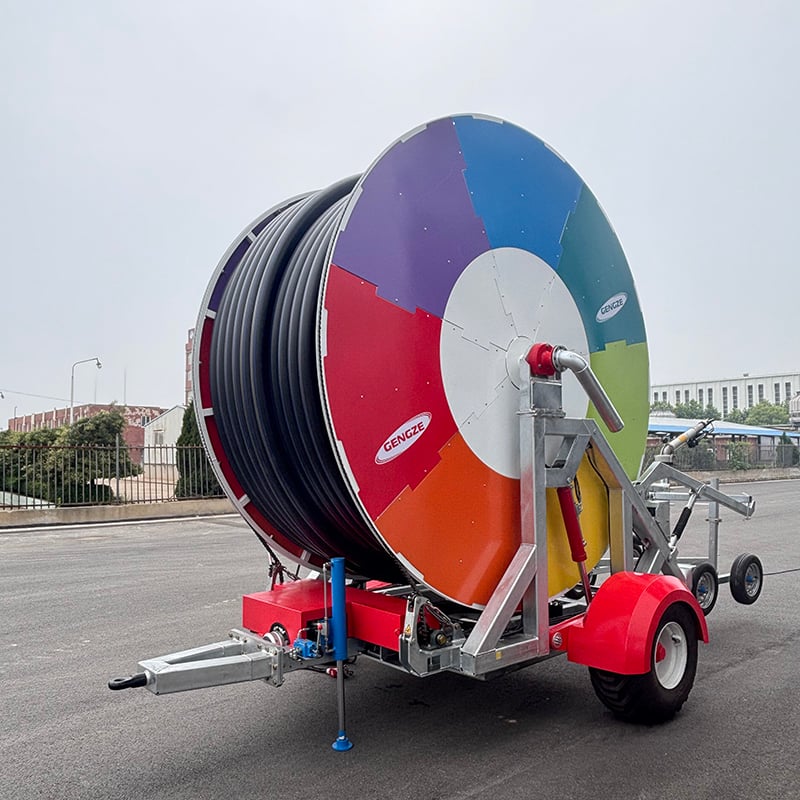
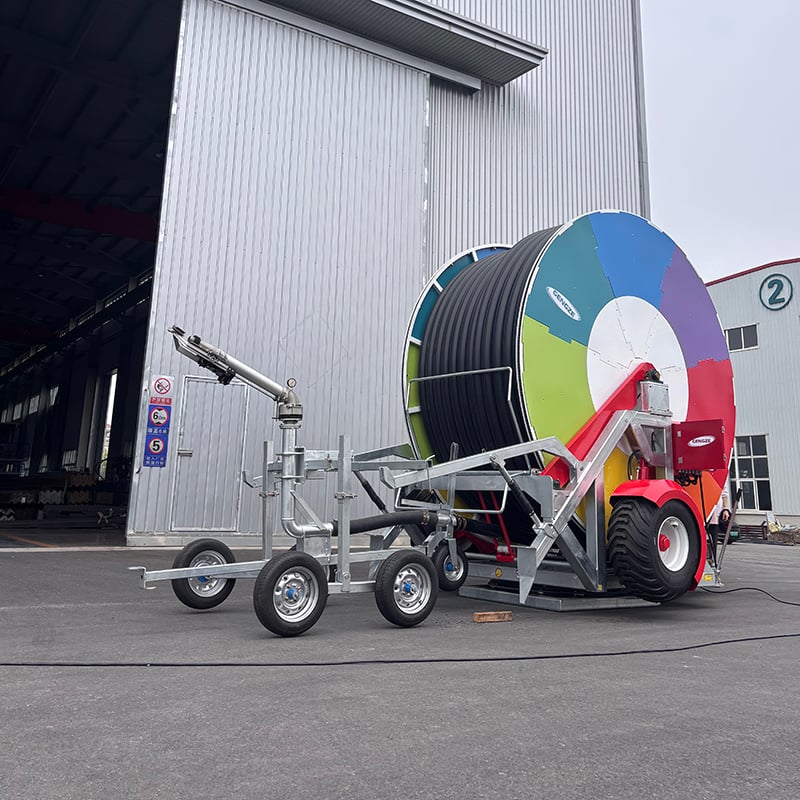
Understanding manure spreader equipment is crucial for agricultural professionals, as it plays a vital role in efficient waste management and soil fertilization. As a leading manufacturer with over 20 years of experience, Dalian Gengze Agricultural Equipment Manufacturing Co., Ltd specializes in high-quality manure spreaders and other agricultural machinery. This irrigation hose reel article aims to address key considerations for purchasing manure spreader equipment, including selection criteria, essential specifications, sourcing, manufacturing quality control, and practical applications in modern agriculture.
Selecting the right manure spreader involves several considerations to ensure it meets your operational needs. First, assess the type of manure you'll be handling—liquid slurry, solid, or a mix—as different spreaders are designed for specific materials. Next, hose reel irrigator consider the capacity required based on the size of your farm and the volume of waste produced.
Additionally, think about the terrain of your fields. Some spreaders are better suited for rough or uneven ground, while others excel on flat surfaces. Hydraulic systems, for instance, can enhance maneuverability and ease of operation on challenging terrains. Don’t forget to evaluate the spread width and distribution pattern, as this directly impacts efficiency and effectiveness in fertilization.
Lastly, consider your budget and potential customization options. Gengze offers various models that can be tailored to fit specific agricultural needs, ensuring you get the best value for your investment.
When evaluating manure spreader equipment, several key specifications should be carefully considered:
Material Construction: Look for high-strength steel or corrosion-resistant materials that enhance durability and longevity, especially when dealing with corrosive materials like liquid manure.
Capacity: This reel sprinklers irrigation is typically measured in cubic feet or liters. Ensure the spreader's capacity aligns with your operational volume to avoid frequent refilling.
Application Method: Different spreaders utilize various application methods such as direct injection, broadcast, or drop spreading. Each method has its benefits, so choose one that aligns with your farming practices.
Transmission System: Assess whether the spreader operates via a mechanical or hydraulic system, as this affects power transmission and ease of operation.
Weight and Towing Capacity: Ensure that your tractor can handle the weight of the spreader when fully loaded, factoring in the towing specifications for safe operation.
Adjustability Features: Features such as adjustable discharge rates and spread widths can enhance the versatility of the spreader, allowing for more precise application.
Understanding these specifications will help you make an informed decision and ensure that the manure spreader you choose meets your operational needs effectively.
Sourcing high-quality manure spreaders wholesale requires careful consideration of potential suppliers. Start by identifying manufacturers with a solid reputation in the agricultural equipment industry. Companies like Dalian Gengze Agricultural Equipment Manufacturing Co., Ltd, with over 20 years of experience, are known for their reliable products and commitment to quality.
When evaluating suppliers, check for certifications and compliance with industry standards, which demonstrate their commitment to quality control. Request references or testimonials from previous customers to gauge satisfaction and reliability.
It's also beneficial to attend agricultural trade shows or expos, where you can directly interact with manufacturers and assess their products in person. This face-to-face interaction can provide valuable insights into the manufacturing process and product quality.
Finally, consider the supplier's ability to accommodate custom orders, as this can significantly enhance your purchasing experience, ensuring that the equipment meets specific operational requirements.
Quality control is critical in the manufacturing of manure spreaders, as it directly impacts performance and durability. Effective quality control measures involve rigorous testing of materials and finished products to ensure they meet established standards.
At Dalian Gengze, we implement stringent quality checks throughout the production process, from material selection to final assembly. This includes verifying that all components meet specified tolerances and conducting performance tests under various operating conditions.
Common issues that arise during production include dimensional inaccuracies or material defects, which can compromise the functionality of the spreader. By prioritizing quality control, manufacturers can minimize these risks and enhance the reliability of their products, ultimately leading to greater customer satisfaction.
Buyers should inquire about a supplier's quality assurance processes, including any certifications they hold, to ensure they are investing in a product that will perform reliably and last over time.
Manure spreaders are essential tools in modern farming practices, serving multiple applications that contribute to sustainable agriculture. Primarily, they facilitate the efficient recycling of animal waste, returning nutrients to the soil and promoting crop growth.
In addition to traditional farming, manure spreaders are increasingly used in organic farming, where they help maintain soil health without the use of synthetic fertilizers. The precision application capabilities of modern spreaders allow for targeted nutrient delivery, minimizing waste and environmental impact.
Moreover, advancements in technology have led to the development of precision manure application systems that integrate with GPS for optimal distribution. This ensures that nutrients are applied exactly where needed, enhancing crop yield while reducing the risk of runoff and nutrient leaching.
Understanding these applications can help buyers appreciate the value of investing in high-quality manure spreader equipment that aligns with contemporary agricultural practices.
By considering these factors and insights, agricultural professionals can make informed decisions when purchasing manure spreader equipment, ultimately enhancing their productivity and sustainability in farming operations.

Dalian Gengze Agricultural Equipment Manufacturing Co.,Ltd
Copyright © Dalian Gengze Agricultural Equipment Manufacturing Co.,Ltd All Rights Reserved | Blog | Privacy Policy
 EN