Requesting a Call:
Online Support
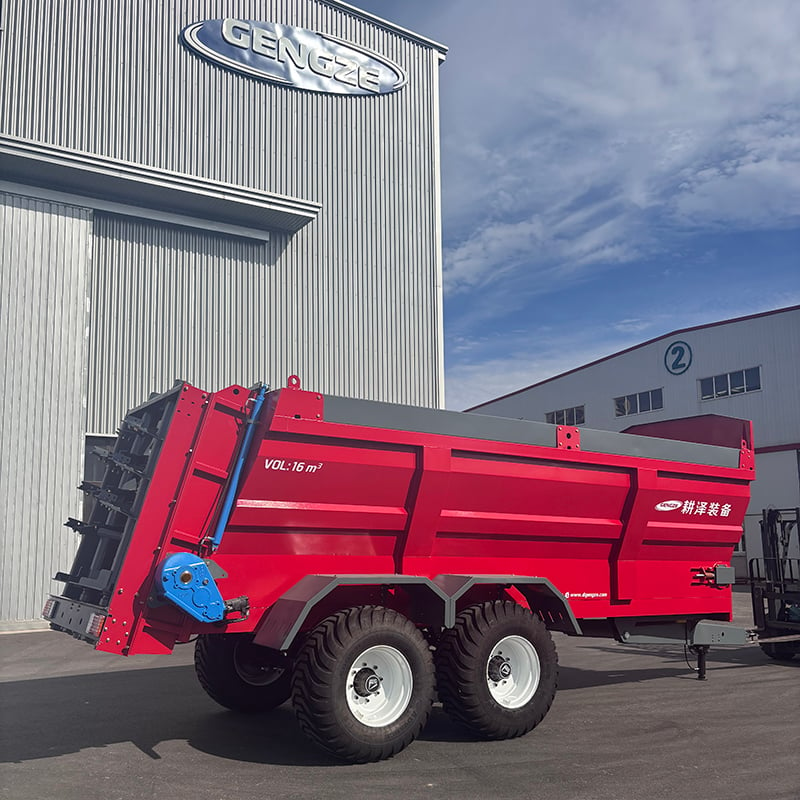
When looking for a muck spreader for sale, buyers are often focused on quality, efficiency, and adaptability to their agricultural needs. Gengze Disc Muck Spreaders are essential for efficiently distributing manure and other organic fertilizers across fields, helping to improve soil health and crop yields. This article provides valuable insights for purchasing managers, distributors, and agricultural professionals, addressing key considerations that will enhance their buying decisions regarding muck spreaders.
When selecting a muck spreader for sale, several critical factors should be taken into account:
Type of Spreader: There are various types of muck spreaders, including vertical and horizontal spreaders. Vertical spreaders are often used for more extensive applications and can handle denser materials, whereas horizontal spreaders may be better suited for lighter, more liquid manure.
Capacity: The spreader's capacity should align with your operational needs. Consider the size of the fields to be covered and the volume of manure you plan to distribute. A larger capacity can reduce the number of trips needed, improving efficiency.
Material Construction: Robust materials like high-strength steel can enhance durability and reduce wear and tear, especially when dealing with abrasive materials. The choice of material also affects maintenance needs and longevity.
Application Compatibility: Understanding the type of materials you will be spreading is crucial. Some muck spreaders are designed for specific types of manure or organic materials. Confirm that your chosen model can handle the application without clogging or causing operational issues.
Customization Options: Depending on specific operational requirements, customization options may be necessary. This could include adjustable spreader plates, different wheel configurations for various terrains, or specialized hoppers for unique materials.
When preparing to purchase a muck spreader, consider these steps:
Research and Compare Models: Start by researching various models and brands available in the market. Pay attention to user reviews and case studies that highlight performance in real-world conditions.
Request Detailed Specifications: When contacting suppliers, request detailed specifications, including weight capacity, dimensions, and material choices. This information will allow you to compare different options effectively.
Evaluate Supplier Reputation: Look for suppliers with a proven track record in agricultural equipment manufacturing. A reliable supplier, like Dalian Gengze Agricultural Equipment Manufacturing Co., Ltd., with over 20 years of experience, can provide valuable insights and assurance of quality.
Check for Certifications: Ensure that the muck spreader complies with industry standards and regulations. Certifications can be indicative of quality control processes and safety measures.
Consider After-Sales Support: Evaluate the supplier's after-sales support, including warranty, maintenance services, and availability of replacement parts. A manufacturer that offers comprehensive support can greatly enhance your long-term satisfaction with the product.
Finding trustworthy wholesale suppliers for muck spreaders involves strategic searching:
Industry Trade Shows: Participating in agricultural and machinery trade shows can provide direct contact with manufacturers and a hands-on experience with products.
Online Marketplaces: Websites dedicated to agricultural equipment often list multiple suppliers. Look for platforms that allow for supplier ratings and reviews.
Professional Networks: Engage with agricultural networks or forums where professionals share experiences and recommendations about reputable suppliers.
Manufacturer Directories: Utilize directories that list manufacturers by product category. Dalian Gengze, for instance, has established a strong reputation in the Gengze agricultural Muck Spreaders equipment sector and can be a valuable contact for buyers.
Local Distributors: Sometimes, local distributors can offer competitive pricing and personalized service. They may also have insights into which products perform best in your specific region.
Understanding cost factors is essential for budgeting and negotiating:
Base Price: The initial price of the muck spreader is influenced by its features, capacity, and materials used. Higher quality and more durable materials tend to increase the base price.
Customization Fees: If you require specific modifications to suit your operational needs, these customization requests may incur additional costs. Be clear about your requirements when requesting a quote.
Shipping and Handling: Bulk orders often qualify for reduced shipping costs, but geographical location can impact overall shipping fees. Discuss potential shipping options with suppliers to find the most economical solution.
Volume Discounts: Many manufacturers offer discounts for bulk purchases. Inquire about pricing tiers based on order quantity to maximize your budget.
Maintenance and Operational Costs: While not directly related to the purchase price, considering the long-term maintenance and operational costs can help you assess the overall investment. A muck spreader with lower maintenance requirements may be more cost-effective in the long run.
Selecting the right muck spreader is crucial for effective operation. Here's how to align your choice with your project requirements:
Assess Soil Type and Field Size: Different soil types may require varying spreading techniques. For example, heavier soils may necessitate a spreader that can handle more substantial loads.
Determine Application Frequency: If you plan to spread manure frequently, consider a model designed for quick and efficient loading and unloading. This can save time and labor costs.
Evaluate Terrain Conditions: The terrain where the muck spreader will be used can significantly impact its performance. Ensure that the chosen model is compatible with the field's surface conditions and can maneuver effectively.
Review Operational Efficiency: Examine the spreader's design for features that enhance operational efficiency, such as ease of use, maintenance access, and compatibility with existing equipment.
Pilot Testing: If possible, conduct a pilot test with the selected muck spreader before committing to a bulk purchase. This allows you to assess its performance in your specific working conditions and make any necessary adjustments.
By considering these critical factors and conducting thorough research, buyers can make informed decisions when looking for a muck spreader for sale. Selecting the right Gengze muck spreader not only improves operational efficiency but also contributes to sustainable agricultural practices.

Dalian Gengze Agricultural Equipment Manufacturing Co.,Ltd
Copyright © Dalian Gengze Agricultural Equipment Manufacturing Co.,Ltd All Rights Reserved | Blog | Privacy Policy
 EN