Requesting a Call:
Online Support
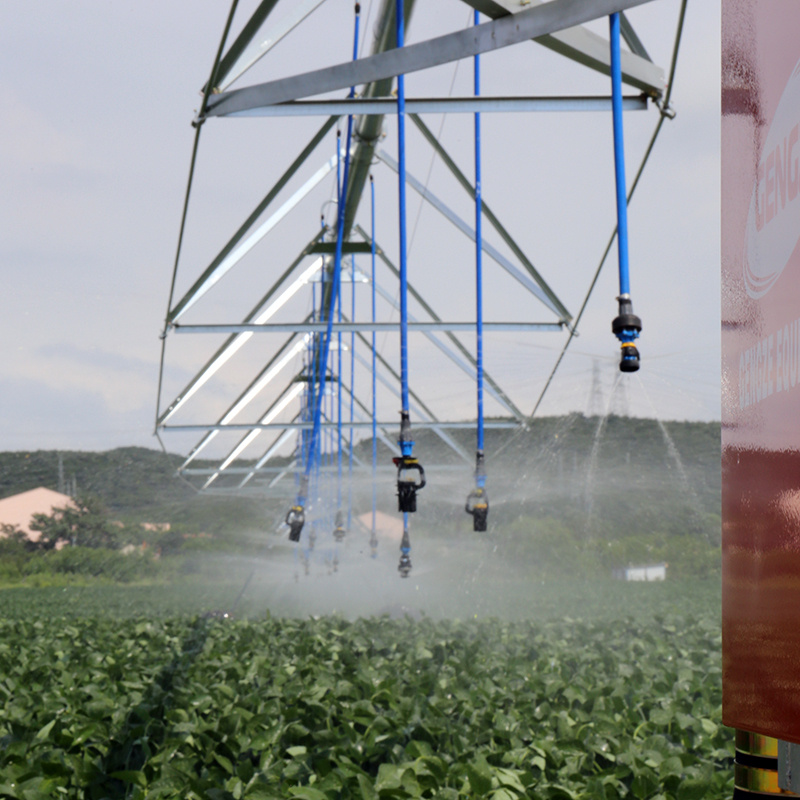
Center pivot irrigation systems are essential for modern agriculture, providing efficient water distribution to crops while minimizing labor and resource input. For purchasing managers, distributors, and agricultural engineers, understanding the specifics of new center pivot irrigation systems is crucial for making informed decisions. This article will cover key specifications, quality evaluation methods, sourcing suppliers, cost factors, and bulk purchasing tips to help streamline your procurement process.
When evaluating new center pivot irrigation systems, several specifications are critical for ensuring optimal performance. Key considerations include:
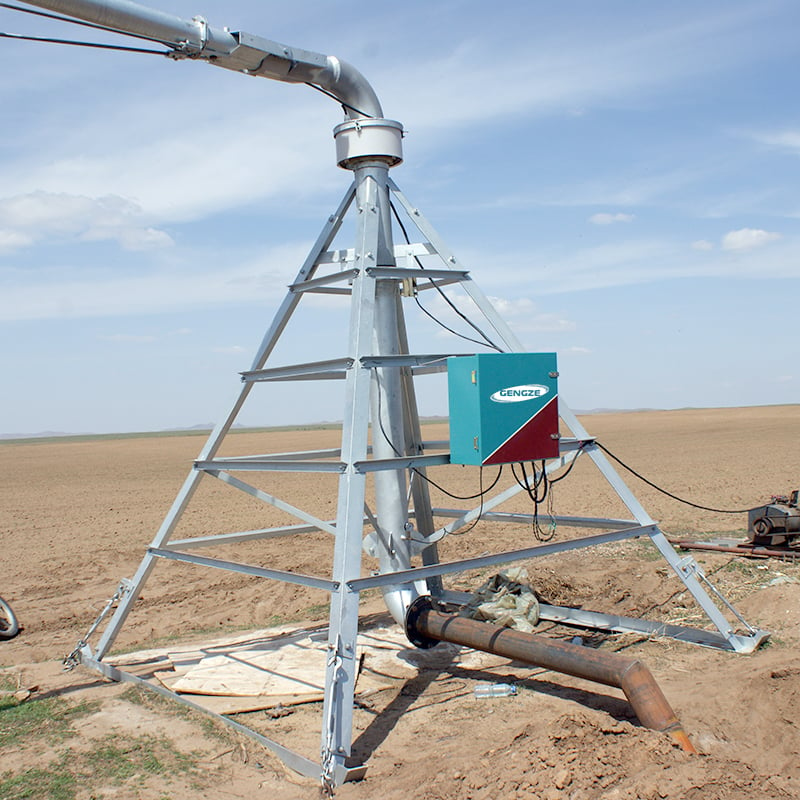
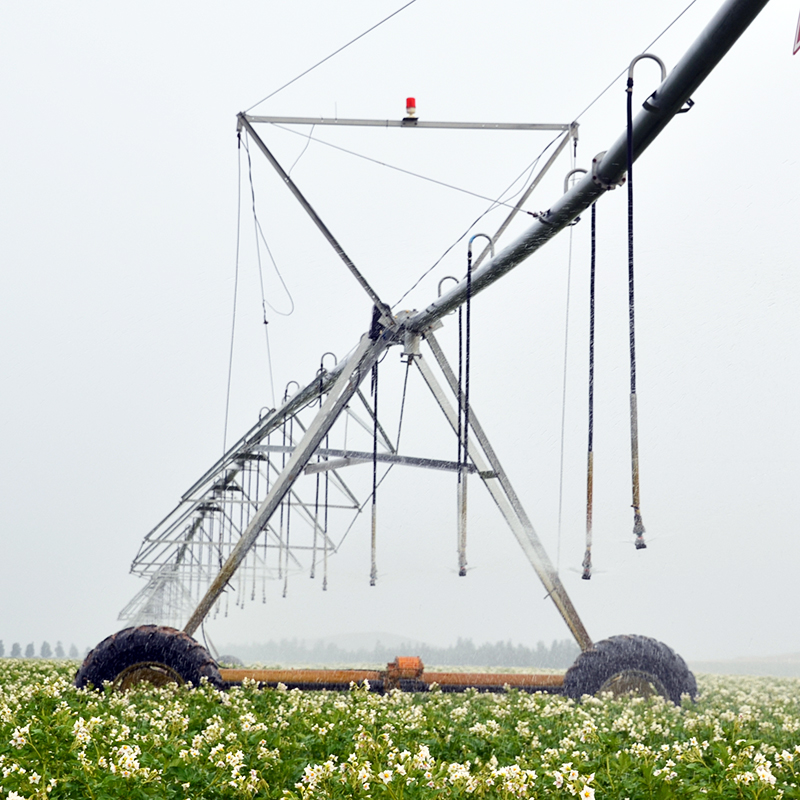
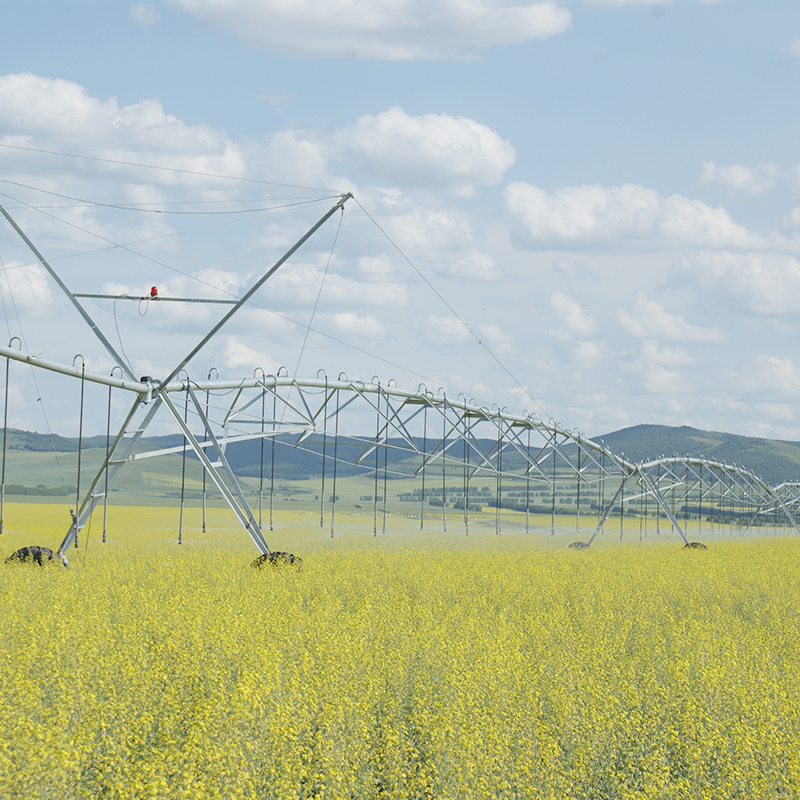
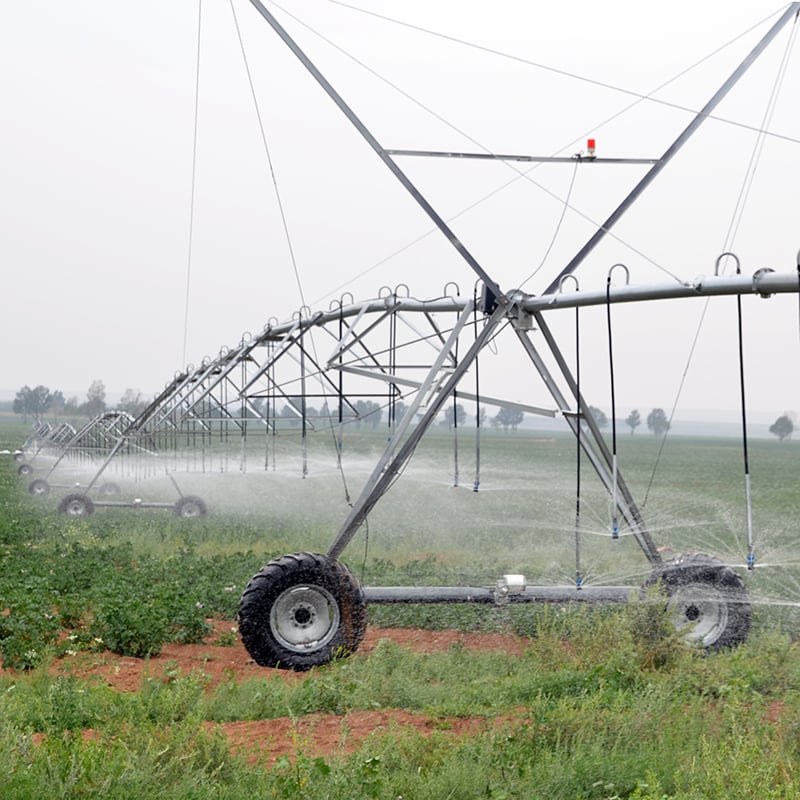
Span Length and Configuration: The total length of the pivot system and its layout whether it is a standard or customized configuration affects the coverage area and water distribution efficiency. Longer spans can cover more ground but may require more powerful motors and pumps.
Material Quality: The structure of the pivot system is typically made from galvanized steel or high-density polyethylene (HDPE), both offering durability against environmental factors. Galvanized steel is resistant to corrosion, while HDPE is lightweight and flexible, making installation easier.
Drive Mechanism: The type of drive system whether electric or hydraulic can impact the system's efficiency and maintenance needs. Electric drives are generally easier to maintain and more efficient, while hydraulic systems can provide greater torque for heavy-duty applications.
Control Technology: Modern systems often feature advanced control technologies, such as GPS or moisture sensors, allowing for precise water application based on real-time data. This can lead to significant water savings and improved crop yields.
Water Application Rate: The system should be designed to deliver the appropriate application rate for the specific crops being irrigated. This is essential for preventing waterlogging or under-irrigation.
Understanding these specifications allows buyers to select a system tailored to their agricultural needs while ensuring efficiency and sustainability.
Quality evaluation of center pivot irrigation systems involves several key steps:
Inspect Materials and Construction: Assess the quality of materials used in the system. High-quality, corrosion-resistant materials will ensure longevity and reduced maintenance costs. Buyers should request samples or detailed specifications from manufacturers to verify these attributes.
Review Certification and Standards: Look for certifications from recognized agricultural and manufacturing standards organizations. Certifications can provide assurance of product quality and adherence to safety protocols.
Conduct Performance Testing: Whenever possible, request performance testing data or arrange for a demonstration. Observing the system in action can provide insight into its operational efficiency and reliability.
Evaluate Warranty and Support Options: A robust warranty and strong customer support from the manufacturer indicate confidence in the product's quality. Ensure that the warranty covers critical components such as motors and control systems.
Seek Customer Testimonials: Speaking with other users can provide valuable insights into the long-term performance and reliability of the system.
By following these evaluation steps, buyers can make informed decisions and minimize the risk of purchasing subpar equipment.
Finding reliable suppliers for solar powered center pivot irrigation system is crucial for ensuring quality and performance. Here are several strategies:
Industry Associations and Trade Shows: Attend agricultural trade shows and join industry associations. These platforms offer opportunities to meet manufacturers, view products, and evaluate their reputation within the industry.
Online Marketplaces and Directories: Utilize online directories and marketplaces specializing in agricultural equipment. Websites like Alibaba, ThomasNet, and others can help you compare different suppliers and their offerings.
Recommendations from Industry Peers: Networking with other agricultural professionals can yield recommendations for trusted suppliers. Peers can share their experiences and insights regarding the reliability and performance of specific manufacturers.
Manufacturer Websites: Research manufacturers like Dalian Gengze Agricultural Equipment Manufacturing Co., Ltd., which offers high-efficiency irrigation solutions. Their experience as an OEM for leading brands adds credibility.
Request for Proposals (RFPs): Issue RFPs to multiple suppliers to gauge their responses, capabilities, and pricing. This process can help you identify suppliers who are responsive and willing to meet your specific needs.
Sourcing from reputable suppliers not only ensures product quality but also establishes a reliable partnership for ongoing support and service.
When considering bulk orders of center pivot irrigation systems, several cost factors should be assessed:
Unit Price: The base price per unit typically decreases with larger orders due to economies of scale. However, it’s essential to evaluate what is included in the price, such as installation and maintenance services.
Shipping and Handling Costs: Bulk orders may incur significant shipping costs. It’s advisable to compare shipping options and consider local suppliers to minimize transportation expenses.
Customization Costs: If custom features or configurations are needed, these can add to the overall cost. Ensure that any necessary customizations are clearly defined in the quote.
Payment Terms: Understand the payment terms offered by suppliers. Some may require upfront payments while others may offer more flexible terms, which can impact your cash flow.
Long-Term Maintenance and Operating Costs: Consider the long-term costs associated with maintenance, repairs, and operation of the irrigation systems. A lower initial purchase price may lead to higher operational costs if the equipment is not durable or efficient.
By carefully evaluating these cost factors, buyers can make financially sound decisions that align with their operational budgets.
When purchasing center pivot irrigation systems wholesale, consider the following tips to ensure a smooth procurement process:
Detailed Specifications: Before reaching out to suppliers, prepare detailed specifications of your requirements, including model types, dimensions, and any specific features needed for your agricultural context.
Request Samples: If possible, request samples or prototypes to assess the quality and suitability of the systems. Testing under real conditions can provide invaluable insights.
Negotiate Terms: Don’t hesitate to negotiate terms with suppliers. This can include pricing, delivery schedules, and warranty conditions. Suppliers may be willing to offer discounts or better terms for bulk orders.
Quality Assurance Checks: Establish a clear quality assurance process. Specify what inspections will be conducted upon delivery and before final acceptance of the goods.
Build Long-Term Relationships: Foster strong relationships with your suppliers. A reliable supplier partnership can lead to better pricing, priority support, and insights into new technologies and innovations in the market.
Implementing these tips can facilitate a more efficient purchasing process and ensure that the irrigation system meet your operational needs effectively.
By following the insights provided , buyers can navigate the complexities of sourcing new center pivot irrigation systems, ensuring they make informed decisions that enhance agricultural efficiency and productivity.

Dalian Gengze Agricultural Equipment Manufacturing Co.,Ltd
Copyright © Dalian Gengze Agricultural Equipment Manufacturing Co.,Ltd All Rights Reserved | Blog | Privacy Policy
 EN