Requesting a Call:
Online Support
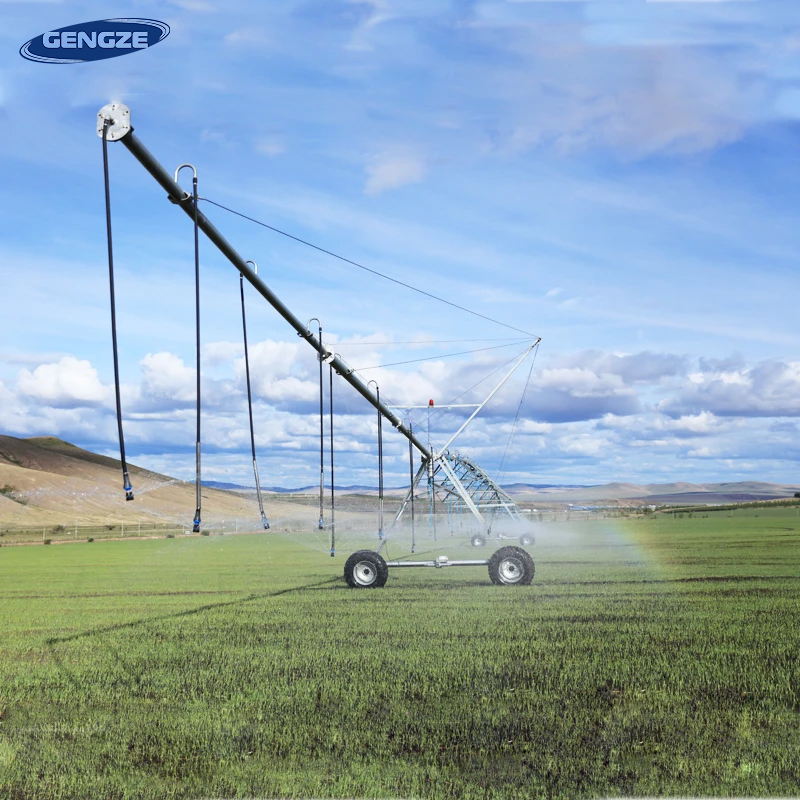
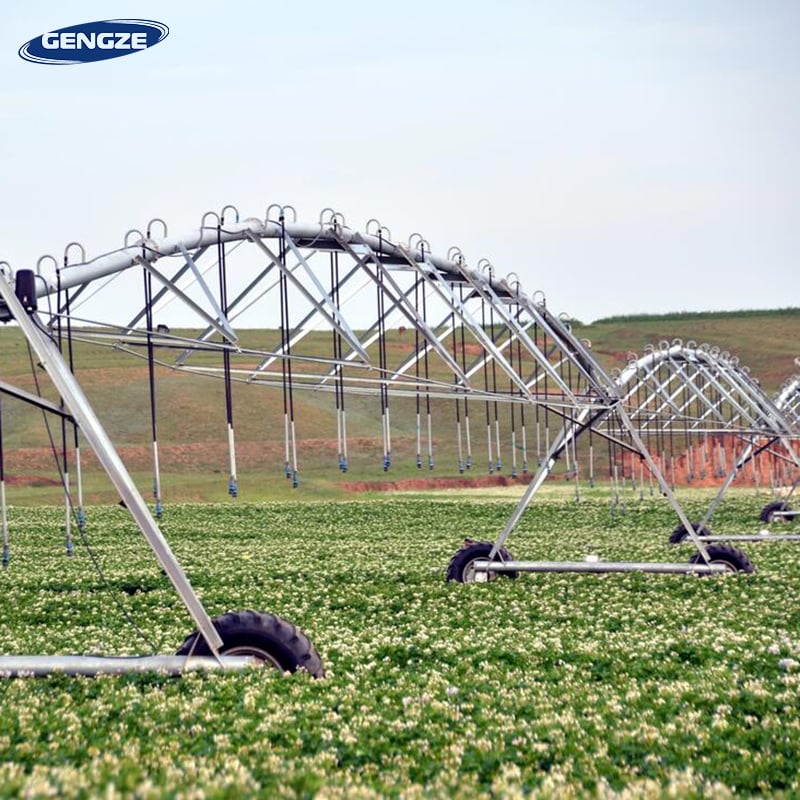
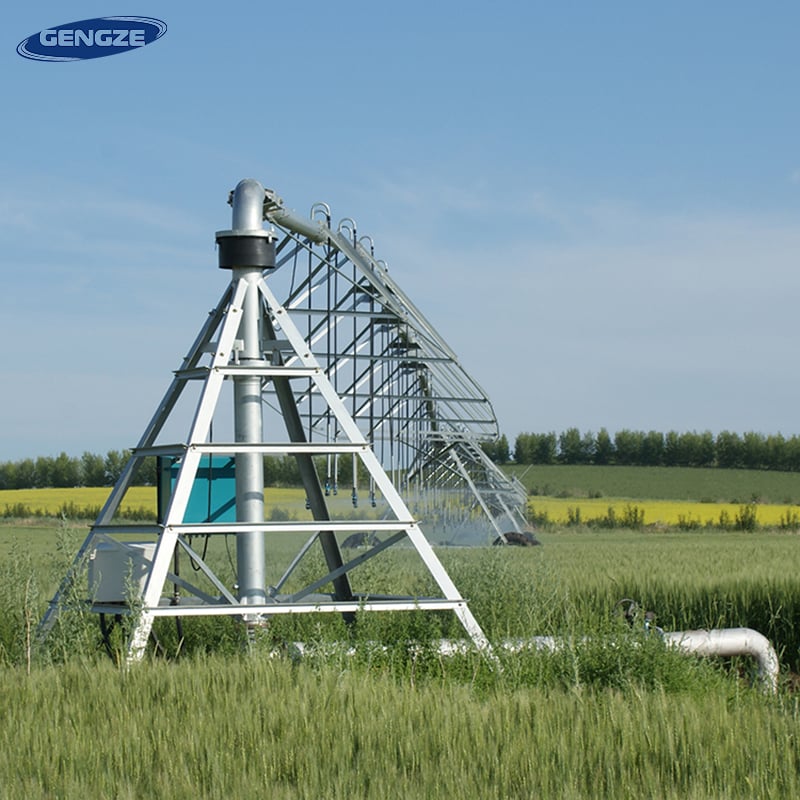
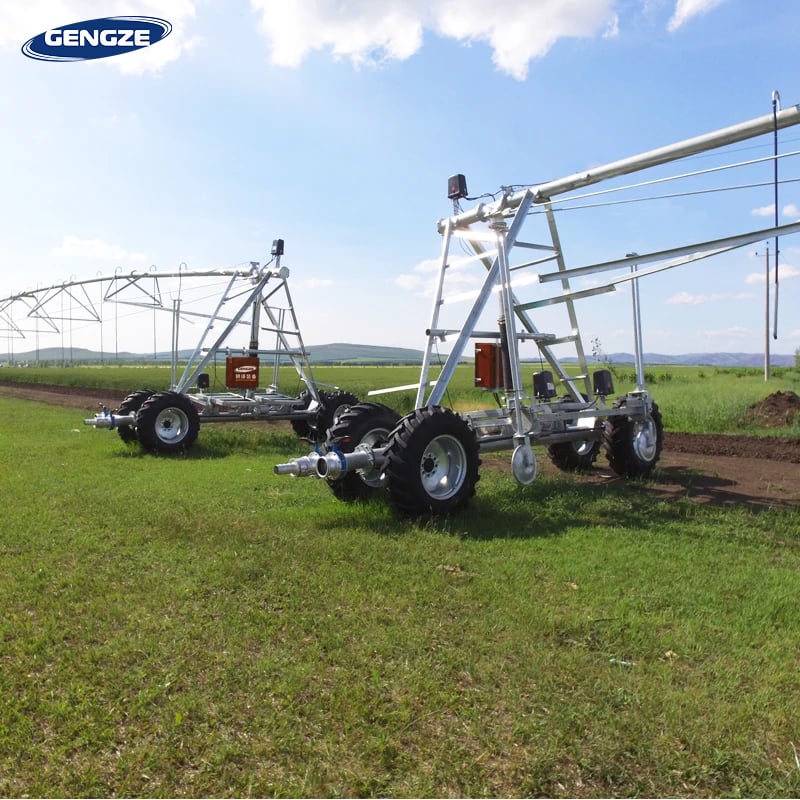
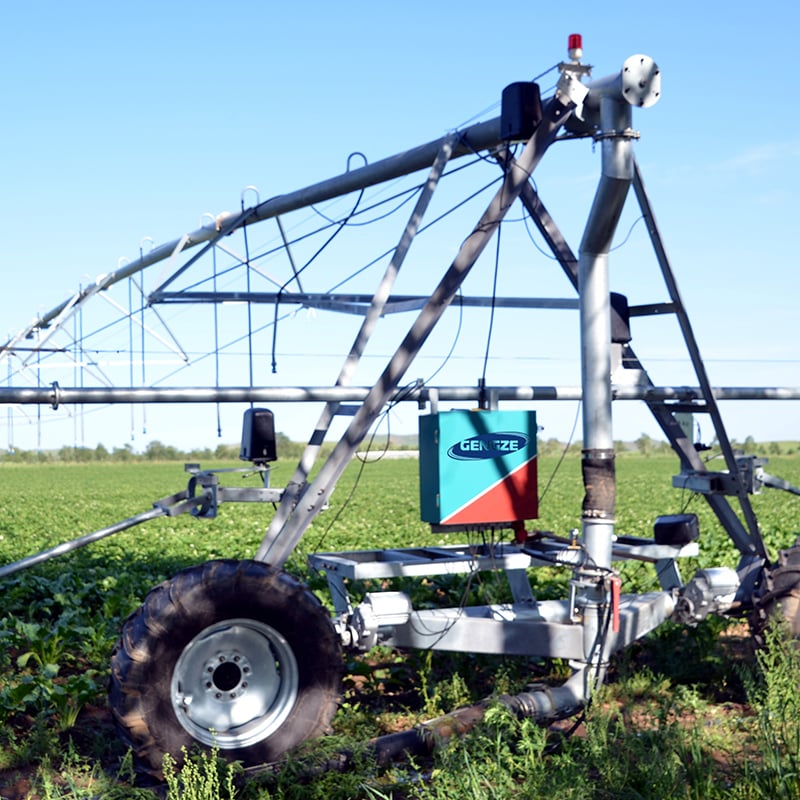
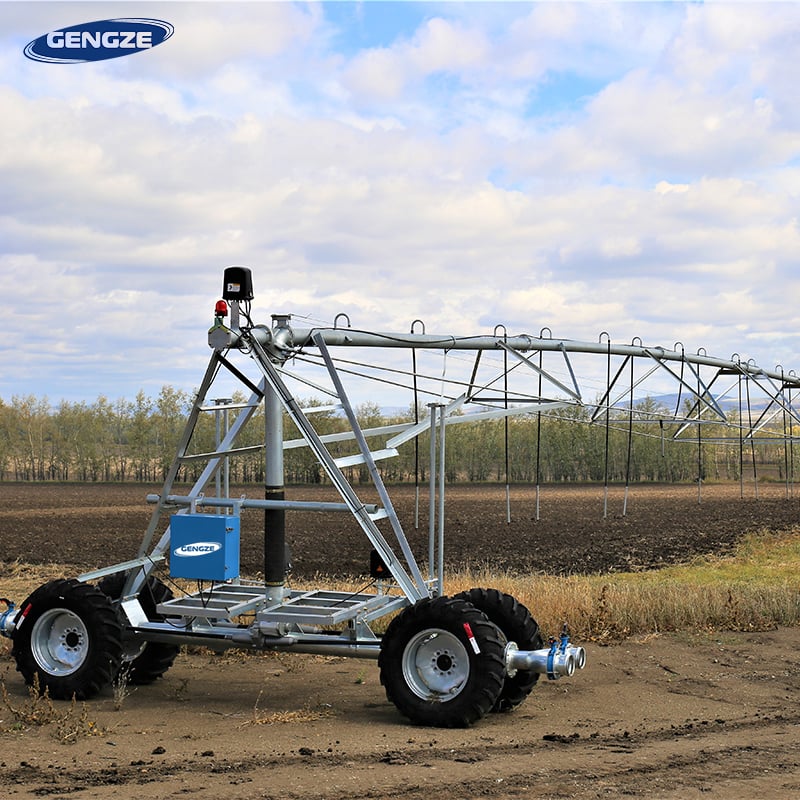
Pivot irrigation control systems are essential tools in modern agriculture, enabling precise water management for crop production. As a purchasing manager or agricultural engineer, you may have specific concerns regarding efficiency, adaptability, and cost-effectiveness when evaluating options. This article will guide you through essential considerations, specifications, sourcing, installation guidance, and common issues associated with pivot irrigation control systems, helping you make informed decisions for your agricultural operations.
When selecting a liquid fertilizer tanker control system, several key factors should be considered to ensure compatibility with your agricultural needs. First, evaluate the system's adaptability to your field layout and crop types. Systems that offer programmable features, such as variable rate irrigation (VRI), can significantly enhance water efficiency by delivering the right amount of water to different crop areas based on their specific requirements.
Additionally, consider the control system's ease of use and integration with existing equipment. Many modern systems feature user-friendly interfaces and remote monitoring capabilities, allowing for real-time adjustments and data collection. This can facilitate better management practices and help identify potential issues before they become critical.
Finally, assess the overall cost, including installation, maintenance, and potential savings on water usage. A well-chosen pivot irrigation control system can lead to significant long-term savings and increased yield, offsetting initial expenses.
When evaluating pivot irrigation control systems, specific technical specifications are critical for ensuring optimal performance. Key specifications include:
Controller Type: Look for advanced controllers that offer features such as automatic shutoff, customizable schedules, and real-time monitoring. The controller should be compatible with the sensors used in your system.Sensor Integration: High-quality systems often integrate with various sensors, such as soil moisture, rainfall, and temperature sensors. This data can inform irrigation schedules and improve water usage efficiency.Connectivity: Consider systems with wireless connectivity options that allow remote access and control via mobile devices or computers. This enhances flexibility in managing irrigation schedules.Durability: The materials used in the control system should withstand environmental conditions typical of agricultural settings, such as moisture, temperature fluctuations, and UV exposure.
Understanding these specifications will enable you to select a liquid fertilizer tankers for sale control system that meets your operational demands while ensuring long-term reliability.
Sourcing a pivot irrigation control system requires careful consideration of potential suppliers. Look for manufacturers with established reputations in agricultural equipment, such as Dalian Gengze Agricultural Equipment Manufacturing Co., Ltd. With over 20 years of experience in producing high-efficiency agricultural equipment, Gengze has developed a strong portfolio of products tailored to modern farming practices.
When evaluating suppliers, ask for product catalogs, specifications, and case studies or testimonials from other customers. This information can provide insight into the supplier’s reliability and the effectiveness of their products in real-world scenarios. Additionally, inquire about customization options to ensure the system can be tailored to your specific agricultural needs.
Consideration of lead times is also crucial. A reliable manufacturer should provide clear timelines for production and delivery, allowing you to plan your irrigation needs accordingly.
The installation of a pivot irrigation control system is a critical step that can significantly impact its performance. Proper installation ensures that the system operates efficiently and meets your agricultural needs. Here are some essential guidelines:
Site Assessment: Before installation, conduct a thorough site assessment to determine the optimal layout for your pivot system. Consider factors such as soil types, slope, and crop patterns.Electrical and Water Supply: Ensure that all electrical systems and water supply lines are properly installed and meet the required specifications. Poor electrical connections or inadequate water supply can lead to system failures.Calibration: After installation, calibrate the control system according to the manufacturer’s guidelines. This includes setting up the controller for specific irrigation schedules based on crop requirements and environmental conditions.Training: Provide training for the operators on how to use the system effectively. Familiarizing them with the control interface and troubleshooting common issues can enhance operational efficiency.
Following these guidelines will help ensure that your pivot irrigation control system functions optimally from the outset.
Despite their efficiency, pivot irrigation control systems can encounter some common issues. Understanding these problems and their potential solutions can save time and resources:
Sensor Malfunctions: Sensors can fail due to debris, water damage, or calibration issues. Regular maintenance and inspection can help identify problems early. Consider using backup sensors for critical measurements.Connectivity Issues: Wireless systems may experience signal loss due to obstructions or distance. Ensure the installation site has adequate coverage or consider wired options if connectivity is a recurring issue.Controller Errors: Software glitches or incorrect programming can lead to irrigation errors. Regularly updating the system software and double-checking programming settings can prevent these problems.Mechanical Failures: Wear and tear on mechanical components can affect system performance. Schedule routine maintenance checks to identify and replace worn parts before they lead to system failure.
By being proactive about these common issues, you can maintain the operational efficiency of your center point irrigation system control system and maximize your investment.
In summary, a pivot irrigation control system is a vital component of effective agricultural water management. By carefully considering specifications, sourcing options, installation guidelines, and potential issues, you can ensure that your system meets the demands of your specific agricultural operation, ultimately leading to improved crop yields and resource efficiency.

Dalian Gengze Agricultural Equipment Manufacturing Co.,Ltd
Copyright © Dalian Gengze Agricultural Equipment Manufacturing Co.,Ltd All Rights Reserved | Blog | Privacy Policy
 EN