Requesting a Call:
Online Support
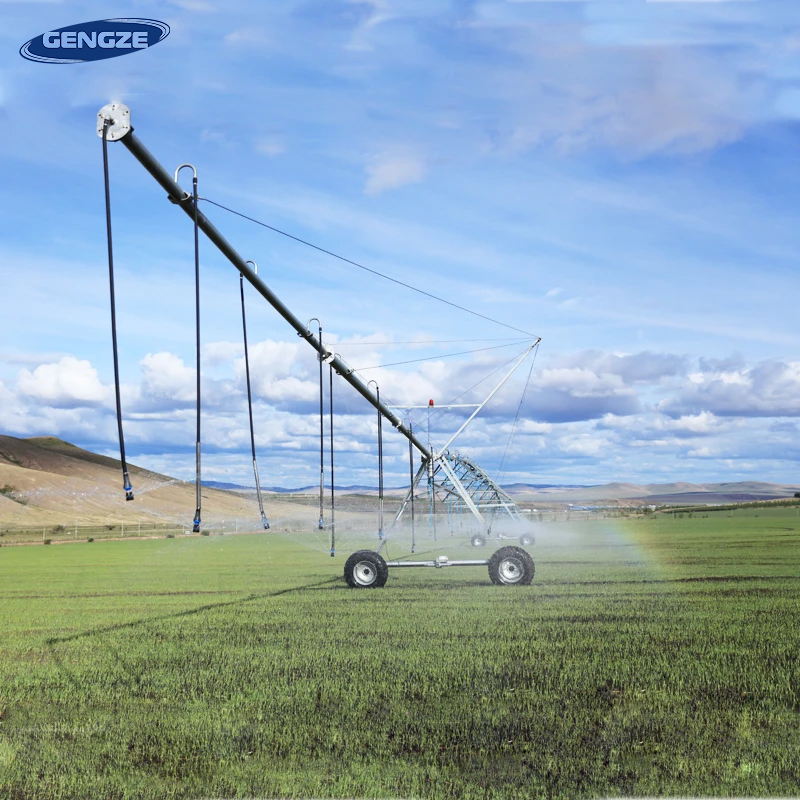
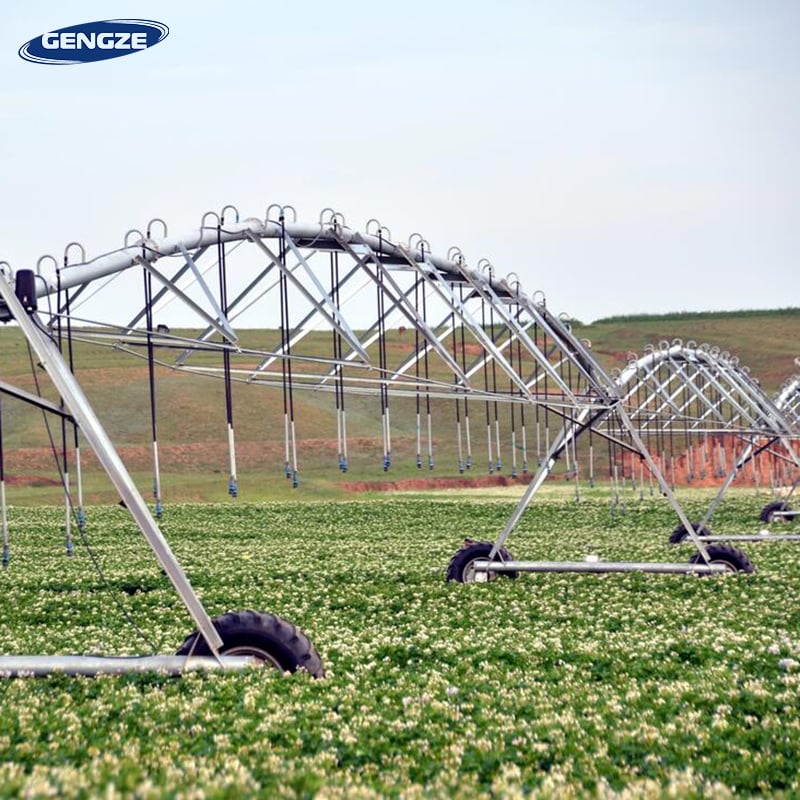
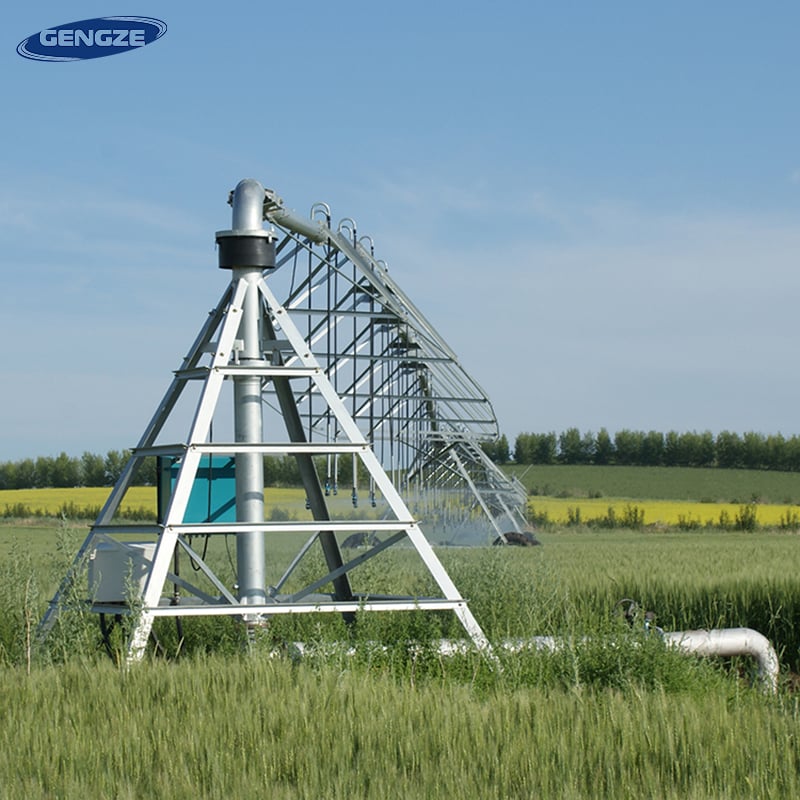
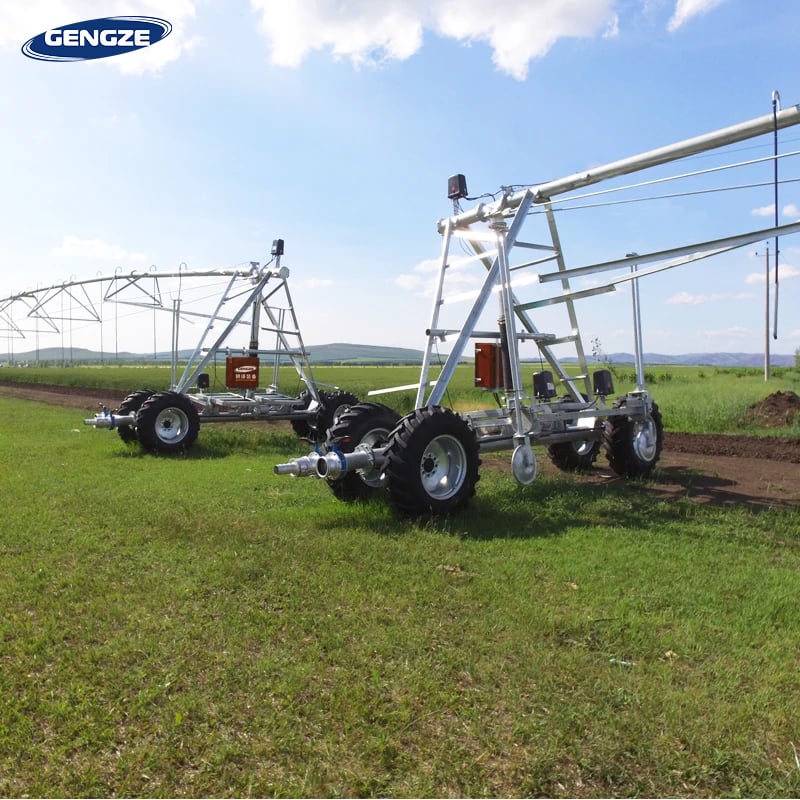
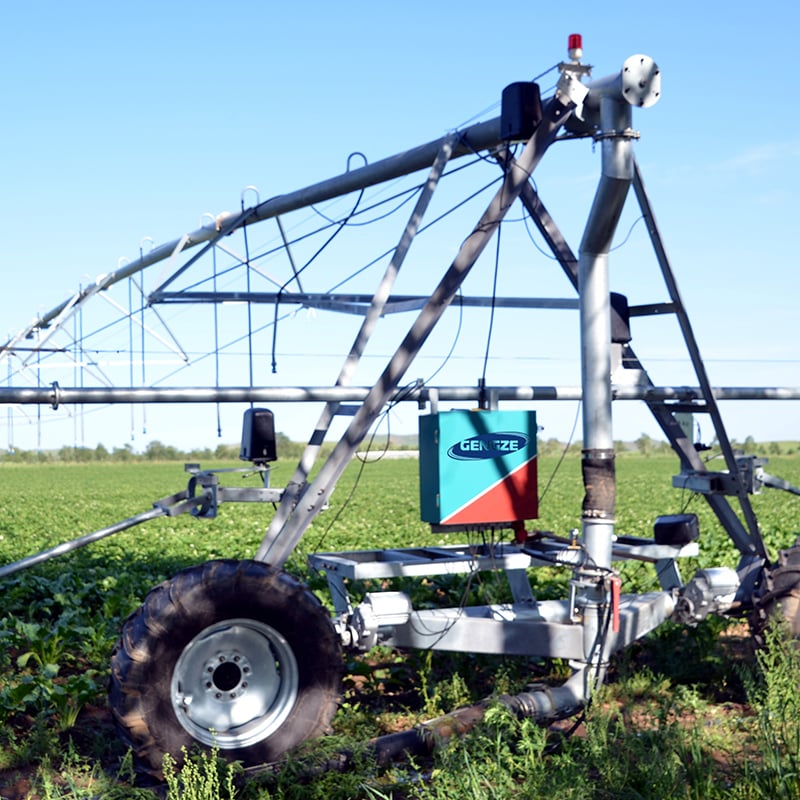
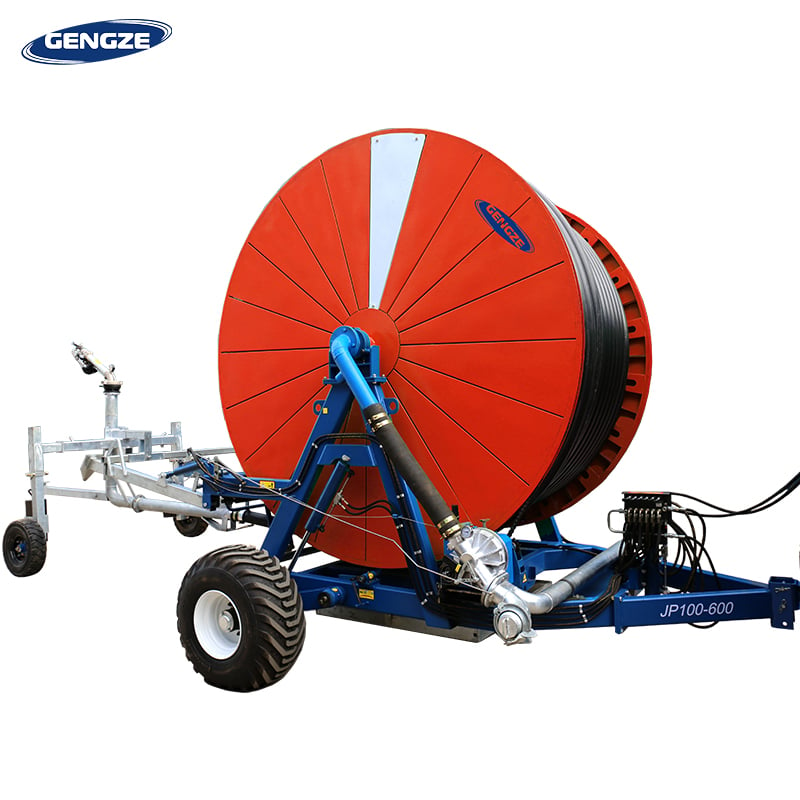
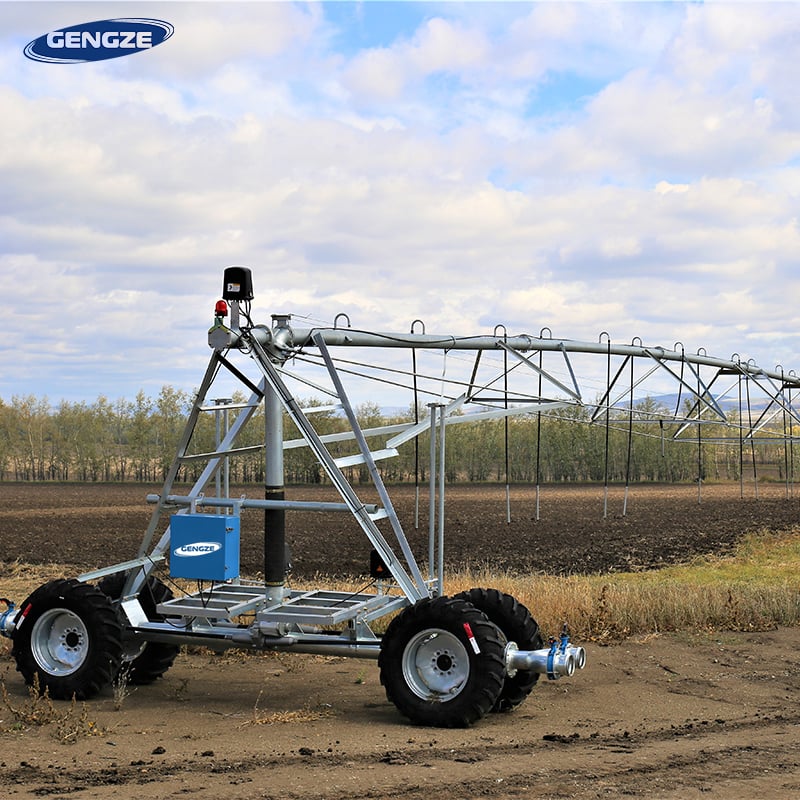
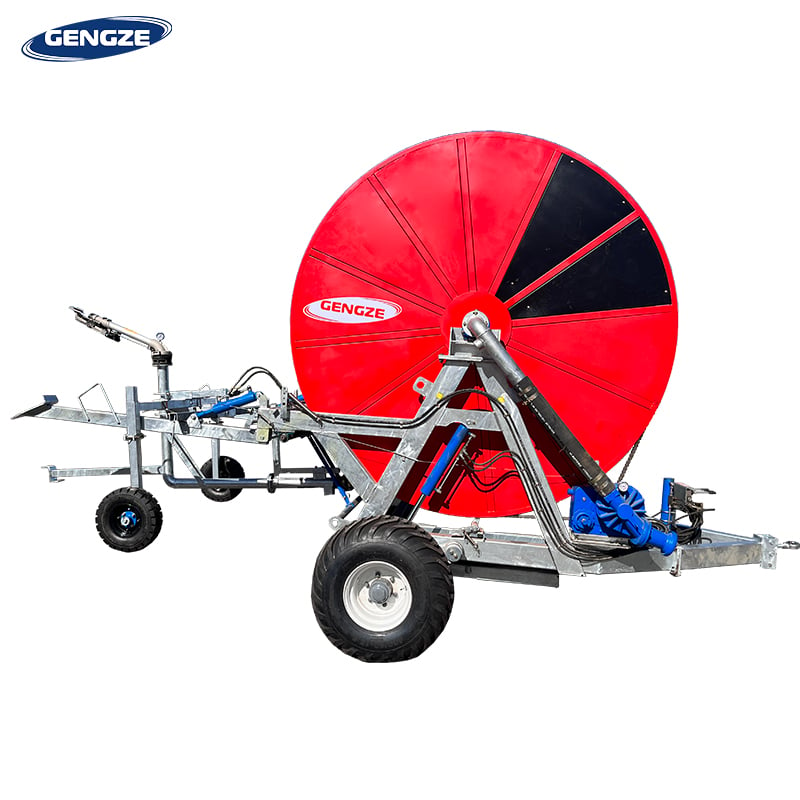
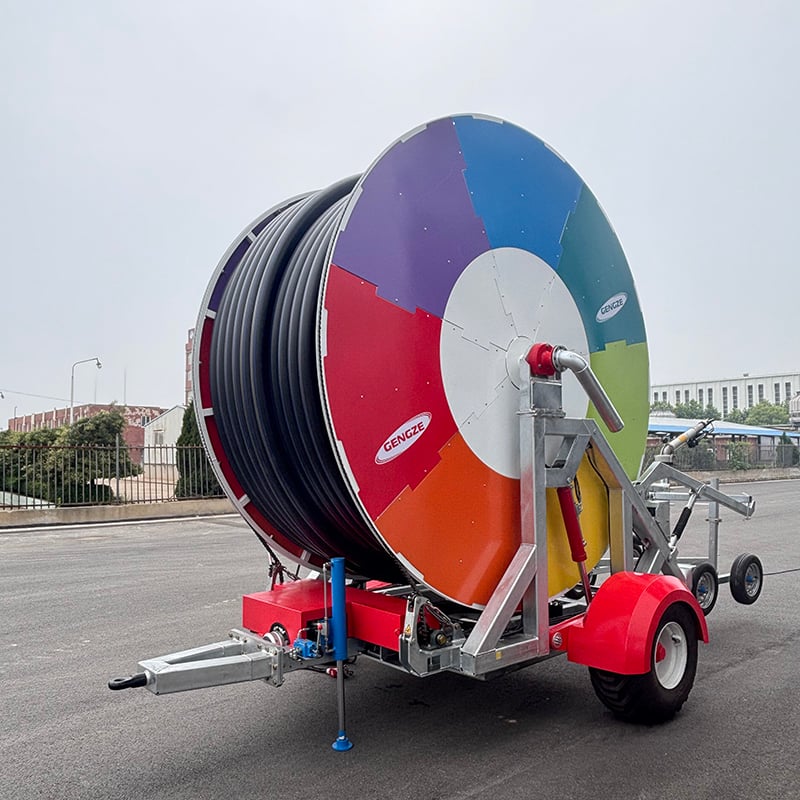
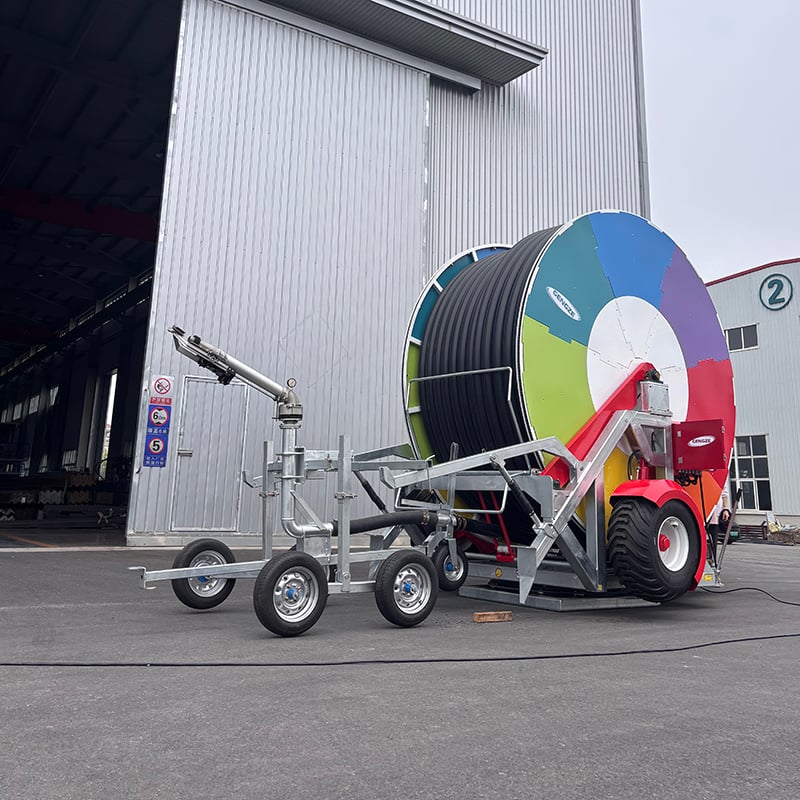
Pivot irrigation machines play a crucial role in modern agriculture, enabling efficient and targeted water distribution across vast fields. As a purchasing manager or agricultural engineer, understanding the specifications, costs, common issues, and applications of these machines is essential for making informed decisions. This article will provide you with practical insights into pivot irrigation machines, helping you navigate the complexities of sourcing and selecting the right equipment for your agricultural needs.
When evaluating pivot irrigation machines, several key specifications should be prioritized.
Span Length and Configuration: The span length directly influences coverage area and efficiency. Standard lengths range from 100 to 500 feet, and configurations can vary from full circles to partial arcs. Ensure the selected configuration matches your field size and shape.
Water Application Rate: This is crucial for optimizing crop yield and preventing water wastage. Evaluate the machine’s nozzle type and spacing, as these will determine the uniformity of water distribution. A machine capable of adjusting application rates can adapt to varying field conditions.
Drive System: The drive system can be hydraulic, electric, or mechanical. Electric systems tend to be more energy-efficient and easier to maintain, whereas hydraulic systems may offer better power in uneven terrain. Consider the operational environment when selecting a drive system.
Durability and Material Quality: High-quality materials can significantly impact longevity. Look for machines constructed from corrosion-resistant materials, like galvanized steel or aluminum, which can withstand harsh agricultural conditions.
Control Systems: Advanced control systems allow for remote operation and monitoring, enhancing efficiency. Look for features such as GPS integration and automated scheduling to optimize water usage and labor efficiency.
Understanding these specifications will ensure that you choose a pivot irrigation machine that meets your operational needs and contributes to sustainable agricultural practices.
Sourcing reliable suppliers for liquid fertilizer tanker machines involves a few strategic steps:
Industry Research: Start by researching manufacturers with a proven track record in agricultural equipment. Look for companies that have been in the industry for several years and have a solid customer base. Dalian Gengze Agricultural Equipment Manufacturing Co., Ltd., with over 20 years of experience, is an example of a manufacturer known for its quality and reliability.
Certifications and Standards: Verify if the supplier adheres to international quality standards, such as ISO certifications. This indicates a commitment to quality management and product reliability.
Customer Reviews and Case Studies: Seek testimonials and case studies from existing customers to gain insights into the supplier's reputation and product performance. Engaging with current users can provide practical insights into the machine's efficiency and downtime.
Trade Shows and Expos: Attend agricultural trade shows and expos to meet suppliers in person. This offers the chance to see machines in action, assess their features, and discuss your specific needs directly with manufacturers.
After-Sales Support: Ensure the supplier provides comprehensive after-sales support, including installation, maintenance, and parts availability. A supplier that offers strong support can significantly reduce operational downtime.
Finding a trustworthy supplier is crucial for ensuring that you receive a quality product that meets your expectations and operational requirements.
The cost of pivot irrigation machines can vary widely based on several factors:
Machine Specifications: As discussed, specifications such as span length, drive system, and control features greatly influence the price. More advanced systems with automation and high-quality materials typically incur higher costs.
Customization: Custom features tailored to specific agricultural needs can increase costs. For example, if your operation requires unique nozzle configurations or specialized control systems, be prepared for additional expenses.
Market Conditions: Fluctuations in raw material prices can affect manufacturing costs. Understanding current market trends can help you anticipate potential price changes.
Shipping and Installation: Consider the logistics of transporting the machinery to your location. Shipping costs can vary based on distance and machine size. Additionally, installation fees should be factored into your overall budget.
Maintenance and Operation Costs: Ongoing maintenance and energy costs are essential considerations. Machines that are more efficient in water and energy usage may have higher upfront costs but lower operational expenses over time.
By understanding these cost factors, you can better prepare your budget and make informed purchasing decisions regarding pivot irrigation machines.
Despite their efficiency, pivot irrigation machines can encounter several common issues:
Uneven Water Distribution: This can result from clogged nozzles or improper calibration. Regular maintenance, including checking and cleaning nozzles, is essential. Additionally, implementing a monitoring system can help identify inconsistencies quickly.
Mechanical Failures: Components may wear out over time, leading to breakdowns. Establishing a routine maintenance schedule can help identify potential failures before they occur. Always ensure that replacement parts are sourced from reputable suppliers.
Soil Compaction: Heavy machinery can lead to soil compaction, affecting crop growth. To mitigate this, consider the use of lighter materials or adjusting the machine's path to minimize repeated traffic over the same area.
Electrical Issues: For machines with electric drive systems, electrical failures can cause significant downtime. Ensure that all electrical components are inspected regularly and that backup systems are in place.
Water Source Problems: Changes in water availability can affect irrigation efficiency. Regularly monitor water sources and ensure that the system is capable of adapting to fluctuations in water supply.
Being aware of these common issues and their solutions will help you maintain the efficiency of your farm irrigation systems center pivot machines and protect your investment.
Pivot irrigation machines are versatile and can be used in various agricultural applications:
Row Crops: These machines are ideal for irrigating row crops such as corn, soybeans, and potatoes. Their ability to cover large areas efficiently makes them suitable for commercial farming operations.
Pastures and Hay Production: In livestock farming, pivot irrigation can help maintain pastures and hay fields, ensuring consistent growth and quality feed for animals.
Specialty Crops: Pivot systems can be adapted for specialty crops, including fruits and vegetables, where precise water application is critical for quality and yield.
Research and Development: Agricultural research facilities often use liquid fertilizer tankers for sale machines to study crop responses to varying irrigation levels and methods, aiding in the development of more efficient farming practices.
Environmental Conservation: By optimizing water usage, pivot irrigation machines contribute to sustainable agriculture practices that conserve water resources and minimize environmental impact.
Understanding these applications can help you assess how pivot irrigation machines can enhance your agricultural operations and improve productivity.

Dalian Gengze Agricultural Equipment Manufacturing Co.,Ltd
Copyright © Dalian Gengze Agricultural Equipment Manufacturing Co.,Ltd All Rights Reserved | Blog | Privacy Policy
 EN