Requesting a Call:
Online Support
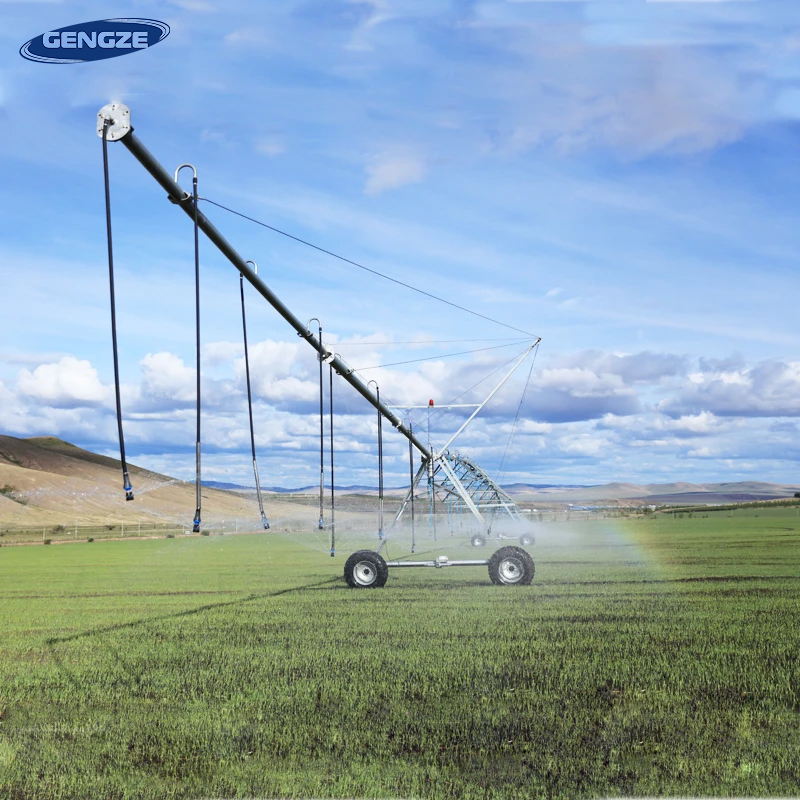
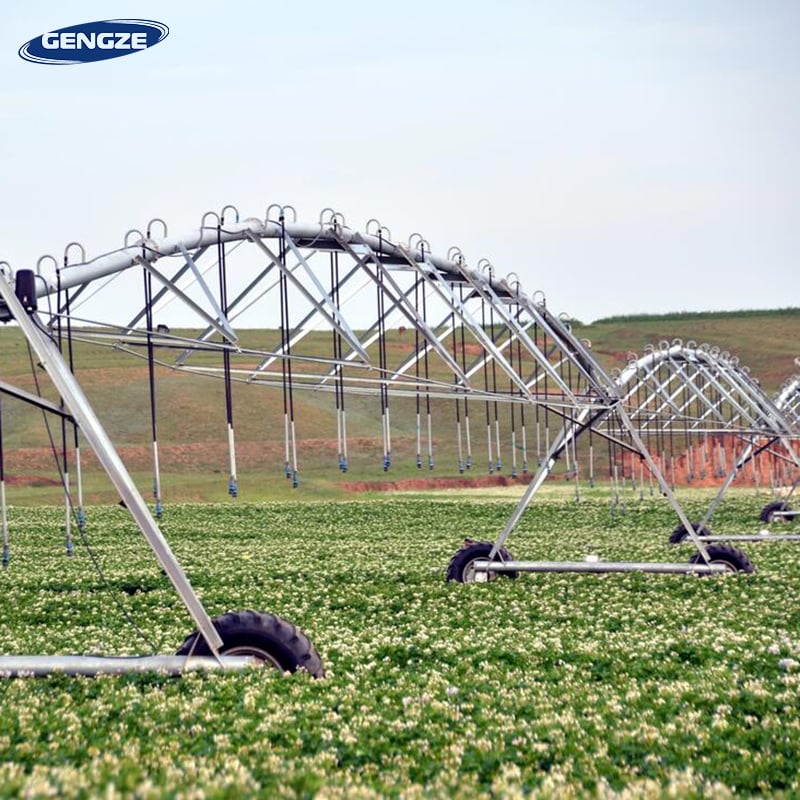
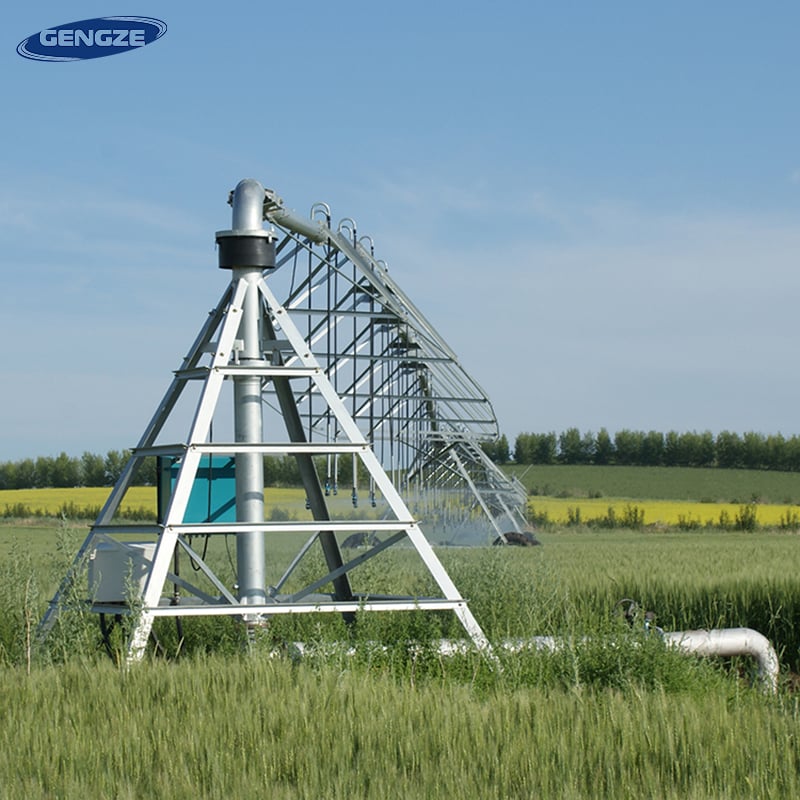
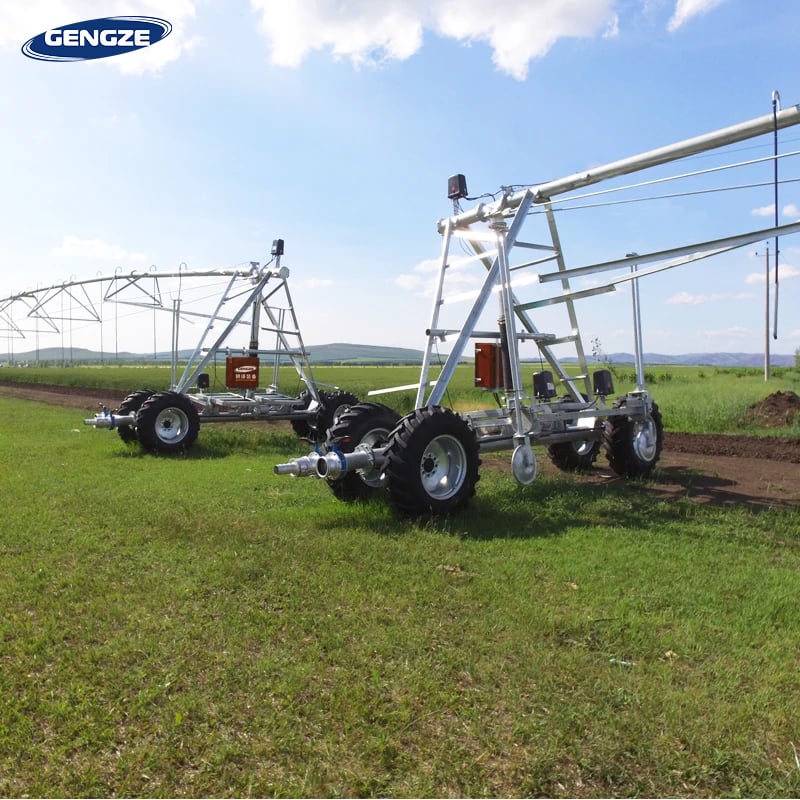
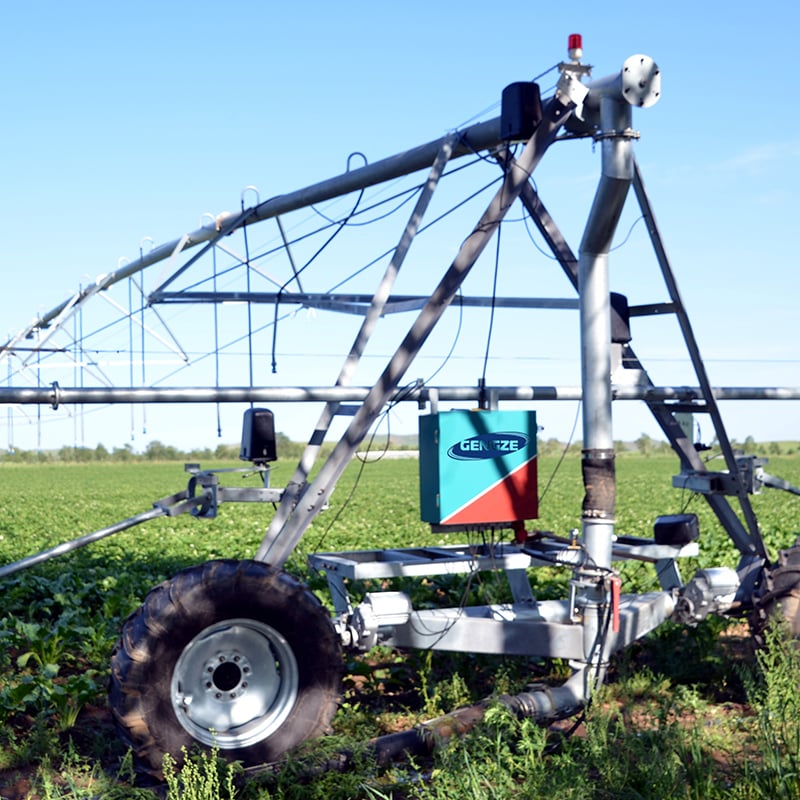
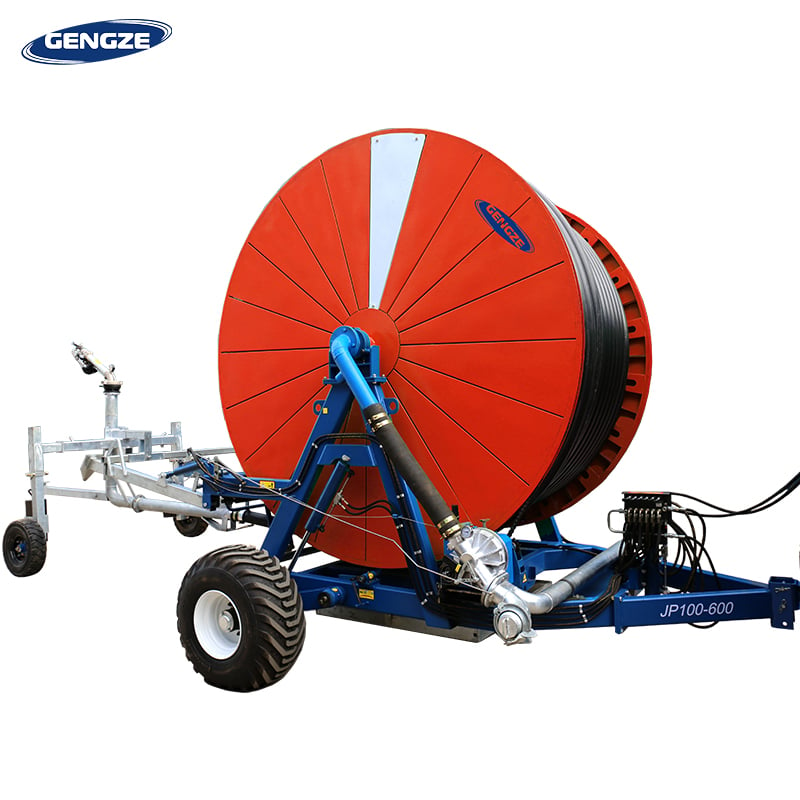
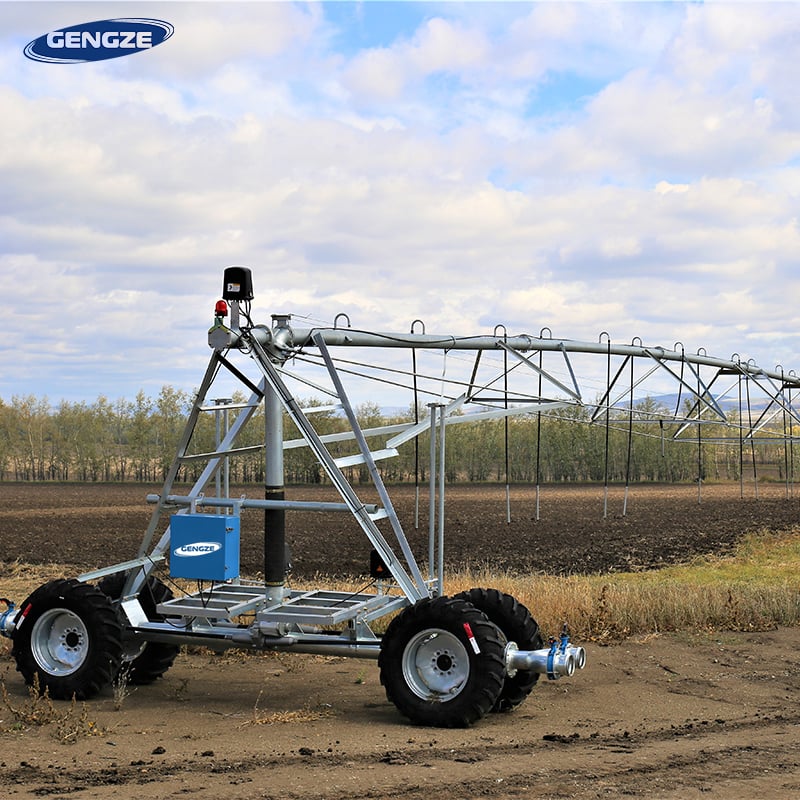
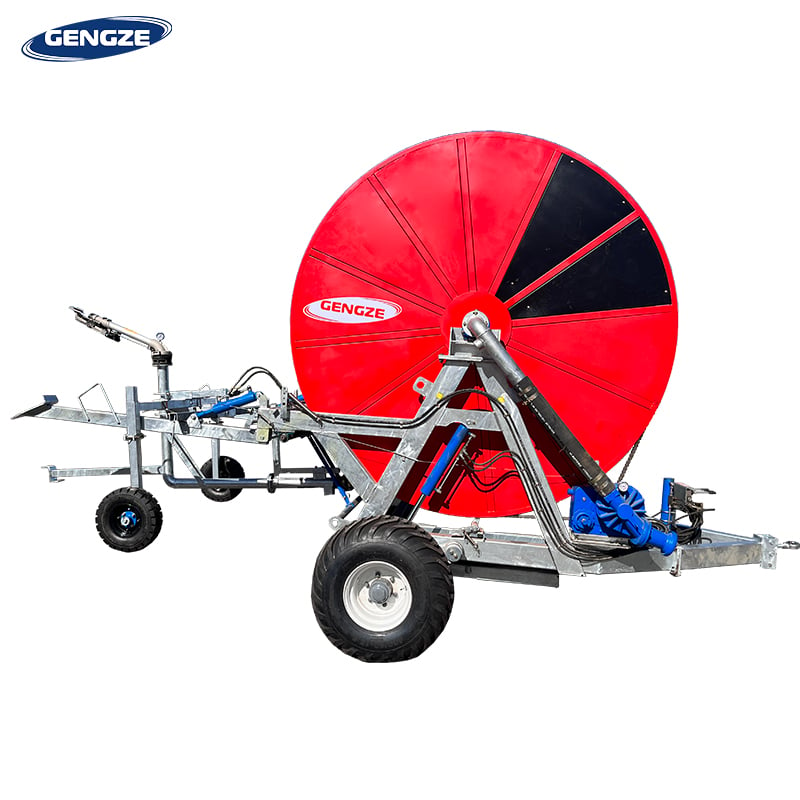
Pivot irrigation machines are vital tools for modern agriculture, designed to deliver water efficiently across large fields. When evaluating pivot irrigation machine price, buyers often consider various factors such as specifications, features, and overall value for their specific agricultural needs. This article will address key specifications, wholesale buying tips, evaluation criteria, installation guidance, and common issues associated with pivot irrigation machines, helping you make an informed purchasing decision.
When assessing pivot irrigation machines, several critical specifications should be evaluated to ensure they meet your operational requirements:
Span Length and Configuration: The span length typically ranges from 100 to 200 feet or more, impacting the area covered by the system. The configuration—whether it's a center pivot, lateral move, or a combination—should align with your field layout and crop type.
Water Application Rate: This is measured in inches per hour and should be based on your soil type and crop's water requirements. An inadequate application rate could lead to over- or under-irrigation, affecting crop yield.
Drive System: Pivot irrigation machines can be powered by electric or hydraulic systems. Electric drives are generally more efficient and require less maintenance, while hydraulic systems can offer more power for larger spans.
Material Quality: The frame and components should be made from high-quality materials like galvanized steel or aluminum to withstand harsh weather conditions and prevent rust and corrosion.
Control System: Modern pivot systems often include advanced control technologies for precise irrigation management. Look for options that provide automation capabilities, remote monitoring, and integration with weather data for optimized performance.
Maintenance Requirements: Evaluate the ease of maintenance, including accessibility to key components, replacement parts availability, and the manufacturer's support options.
Understanding these specifications and their implications on performance will help you choose the right best center pivot irrigation system machine for your agricultural operations.
When purchasing pivot irrigation machines wholesale, consider the following tips to ensure a successful transaction:
Request Detailed Quotations: Ensure that you obtain comprehensive quotations from multiple suppliers to compare not just prices but also specifications, warranty terms, and after-sales support.
Evaluate Minimum Order Quantities (MOQ): Different manufacturers may have varying MOQs, which can impact your budget and storage capabilities. Clarify these requirements early in the negotiation process.
Assess Customization Options: Many manufacturers, including Dalian Gengze Agricultural Equipment Manufacturing Co., Ltd, may offer customization to meet specific agricultural needs. Discuss potential modifications to machine specifications that could enhance performance in your operational context.
Check for Certifications: Verify if the machines comply with relevant agricultural standards and certifications. This can be a good indicator of quality and reliability.
Consider Lead Times: Understand the production and delivery timelines associated with your order. This is crucial for planning your irrigation schedule and ensuring timely deployment of equipment.
Build Relationships with Suppliers: Establishing a good relationship with your supplier can lead to better pricing, access to new technologies, and quicker responses to your needs.
These tips will help you navigate the wholesale purchasing process and secure a favorable deal on pivot irrigation machines.
When evaluating different pivot irrigation machines, consider the following aspects that can affect your purchasing decision:
Application Suitability: Assess whether the machine is appropriate for your specific crops and soil conditions. Different crops may require varying irrigation depths, and soils may have different absorption rates that affect irrigation frequency.
Performance History: Request references or case studies from the manufacturer to understand how their machines have performed in similar agricultural settings. This real-world data can provide insights into reliability and effectiveness.
Maintenance and Support Services: Evaluate the level of after-sales support offered by the supplier. A robust support system can significantly reduce downtime and maintenance costs in the long run.
Compatibility with Existing Systems: If you already have irrigation equipment, ensure that any new pivot machines are compatible with your current systems, including pumps and control units.
Total Cost of Ownership: Beyond the initial purchase price, consider factors such as energy consumption, maintenance costs, and potential savings from improved water efficiency when evaluating total costs.
Taking these factors into account will help you make a more informed decision regarding which pivot irrigation options suit your agricultural operations best.
Proper installation of center point irrigation system machines is crucial for optimal performance. Here are some key steps to consider during the installation process:
Site Preparation: Ensure the installation site is clear of obstacles and level. Proper grading can help facilitate water flow and prevent pooling.
Consult Manufacturer Guidelines: Follow the specific installation instructions provided by the manufacturer. This includes guidance on assembly, alignment, and connection to water sources.
Calibration: After installation, calibrate the system according to the manufacturer’s specifications. This ensures accurate water application rates and helps avoid over-irrigation.
Test the System: Before full-scale operation, conduct a test run to check for leaks, proper movement, and coverage efficiency. Adjustments can be made at this stage to optimize performance.
Training for Operators: Provide training for operators on how to manage and troubleshoot the pivot system. Knowledge of the system's functions can lead to better maintenance and operational efficiency.
By following these installation guidelines, you can ensure that your pivot irrigation machines operate effectively and deliver the necessary water to your crops.
Even the best irrigation systems can experience issues. Here are some common problems and their potential solutions:
Uneven Water Distribution: This can occur due to improper calibration or mechanical issues. Check the pivot's alignment and adjust the application rate based on soil moisture readings. Regular maintenance can also help prevent this issue.
Mechanical Failures: Components like gearboxes and drive motors may fail due to wear or lack of maintenance. Establish a routine maintenance schedule and keep spare parts on hand to minimize downtime.
Water Supply Interruptions: Ensure that the water source is reliable and that there are no blockages in the system. Regularly inspect water lines for clogs or leaks that could disrupt supply.
Electrical Issues: Problems with the control system can occur due to weather conditions or electrical failures. Ensure that wiring is properly insulated and protected from exposure.
Soil Erosion Around Pivot Points: If the pivot is causing soil erosion, consider implementing measures such as planting cover crops or using erosion control mats to stabilize the area.
By being aware of these common issues and their solutions, you can maintain the efficiency of your liquid fertilizer tanker machines and ensure they continue to operate effectively over time.

Dalian Gengze Agricultural Equipment Manufacturing Co.,Ltd
Copyright © Dalian Gengze Agricultural Equipment Manufacturing Co.,Ltd All Rights Reserved | Blog | Privacy Policy
 EN