Requesting a Call:
Online Support
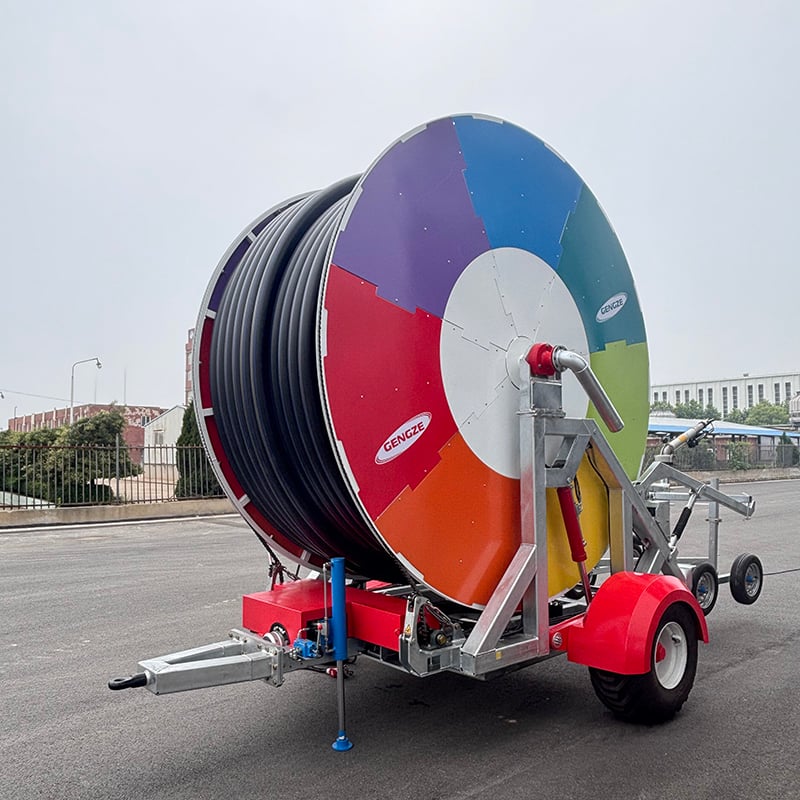
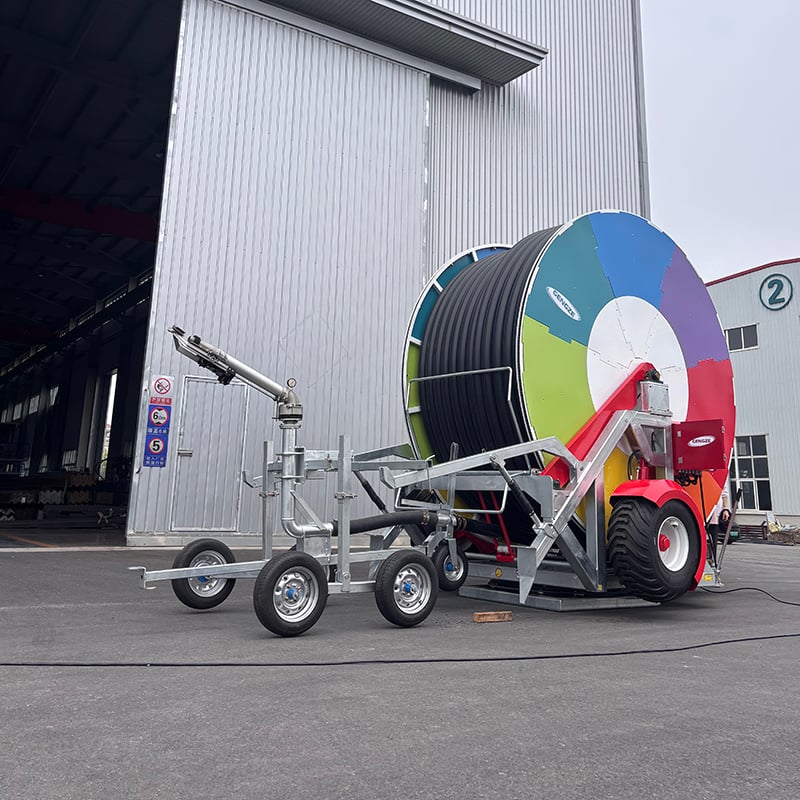
Pivot irrigation systems are essential for maximizing water efficiency in agricultural applications. As a leading pivot irrigation manufacturer, Dalian Gengze Agricultural Equipment Manufacturing Co., Ltd. combines over 20 years of experience in producing high-quality agricultural equipment to meet the diverse needs of farmers globally. When selecting a pivot irrigation system, buyers must consider factors such as efficiency, compatibility, and cost to ensure they make an informed decision. This article will provide insights into choosing the right pivot irrigation system, sourcing reliable suppliers, essential specifications, common issues and solutions, and selecting the best system for specific agricultural needs.
Choosing the right pivot irrigation system requires careful evaluation of several key factors:
Field Size and Shape: The dimensions and layout of the field significantly influence the type of pivot system to select. For larger, irregularly shaped fields, center pivot systems are often more efficient, while lateral move systems may be appropriate for narrower fields.
Water Source and Availability: Assessing the water supply is critical. Systems should be compatible with local water resources, considering factors like pressure and flow rate.
Crop Type: Different crops have varying irrigation requirements. Understanding the specific water needs of intended crops will help determine the best system configuration.
Soil Type: The soil’s absorption capacity can affect irrigation efficiency. Sandy soils require more frequent, lighter applications, while clay soils may need less frequent but heavier watering.
Budget: Evaluate both upfront costs and long-term operational expenses. High-efficiency systems may have a higher initial cost but can lead to savings in water and energy over time.
Technology and Automation: Modern pivot systems often come equipped with advanced technology, including remote monitoring and automatic adjustments, which can enhance efficiency and ease of use.
Finding a trustworthy supplier is crucial for securing high-quality center point irrigation system. Here are steps to identify reliable wholesale suppliers:
Industry Research: Start by researching manufacturers with a strong reputation in the agricultural equipment sector. Look for companies with a proven track record and positive reviews from existing customers.
Trade Shows and Exhibitions: Attending agricultural trade shows can provide opportunities to meet manufacturers, see equipment in action, and discuss needs directly.
Online Marketplaces and Directories: Websites such as Alibaba, ThomasNet, and industry-specific directories can help identify suppliers globally. Be sure to review supplier ratings and customer feedback.
Networking with Peers: Engage with other agricultural professionals or local farmers who have experience with centre pivot irrigation systems. They can provide insights and recommend trusted suppliers.
Verification: Before making a decision, verify the supplier’s credentials, manufacturing capabilities, and after-sales support. Ask for references and case studies to gauge reliability.
When evaluating pivot irrigation systems, understanding specific technical specifications is vital:
Length and Span: The total length of the pivot arm affects the coverage area. Longer arms can irrigate larger fields but may require more powerful motors and water pressure.
Drive Mechanism: Systems can be driven by electric motors, hydraulic systems, or gearboxes. Electric drives are often more efficient and require less maintenance.
Pressure Requirements: The system should operate within specific pressure limits to ensure optimal water distribution. Low pressure can lead to inadequate irrigation, while excessive pressure can cause system damage or uneven coverage.
Nozzle Types: Different nozzles affect water distribution patterns and droplet size. Selecting the right nozzle is crucial for achieving effective irrigation based on crop type and soil conditions.
Control Systems: Advanced control systems allow for precise adjustments based on real-time data. Features to look for include automation, remote monitoring, and compatibility with weather data.
Durability and Materials: The construction materials used, such as galvanized steel or high-density polyethylene, impact the longevity and maintenance needs of the system.
Despite their efficiency, pivot irrigation systems can encounter various issues:
Coverage Gaps: Uneven watering can occur if the system is improperly calibrated or if nozzles are clogged. Regular maintenance and adjustments can help ensure consistent coverage.
Mechanical Failures: Common mechanical issues include motor breakdowns or gear failures. Implementing a routine inspection schedule can help identify problems before they lead to significant downtime.
Water Pressure Fluctuations: Inconsistent water pressure can affect system performance. Installing pressure regulators and monitoring pressure levels can help mitigate this issue.
Soil Erosion: Excessive water application can lead to soil erosion. Adjusting the irrigation schedule and ensuring proper nozzle selection can minimize this risk.
Weather Impact: Adverse weather conditions can affect irrigation efficiency. Using automation technologies that consider rainfall or soil moisture levels can optimize water usage.
Selecting the right pivot irrigation system is a multifaceted decision that hinges on various factors:
Assessing Agricultural Goals: Understand your primary objectives—whether it’s maximizing yield, conserving water, or reducing labor costs. This will guide your system selection.
Customization Options: Work closely with manufacturers to explore customization options. Dalian Gengze Agricultural Equipment Manufacturing Co., Ltd. offers tailored solutions based on unique operational needs.
Long-term Viability: Consider future expansion plans. Investing in a scalable system can accommodate growth without necessitating a complete replacement.
Support and Training: Choose suppliers that provide robust after-sales support and training programs for users. This can enhance system operation and longevity.
Field Trials: If possible, conducting field trials or pilot tests can provide valuable insights into how a particular system performs in your specific conditions.
By carefully considering these factors and leveraging the expertise of a reliable liquid fertilizer tankers for sale manufacturer, buyers can make informed decisions that lead to improved agricultural efficiency and productivity.

Dalian Gengze Agricultural Equipment Manufacturing Co.,Ltd
Copyright © Dalian Gengze Agricultural Equipment Manufacturing Co.,Ltd All Rights Reserved | Blog | Privacy Policy
 EN