Requesting a Call:
Online Support
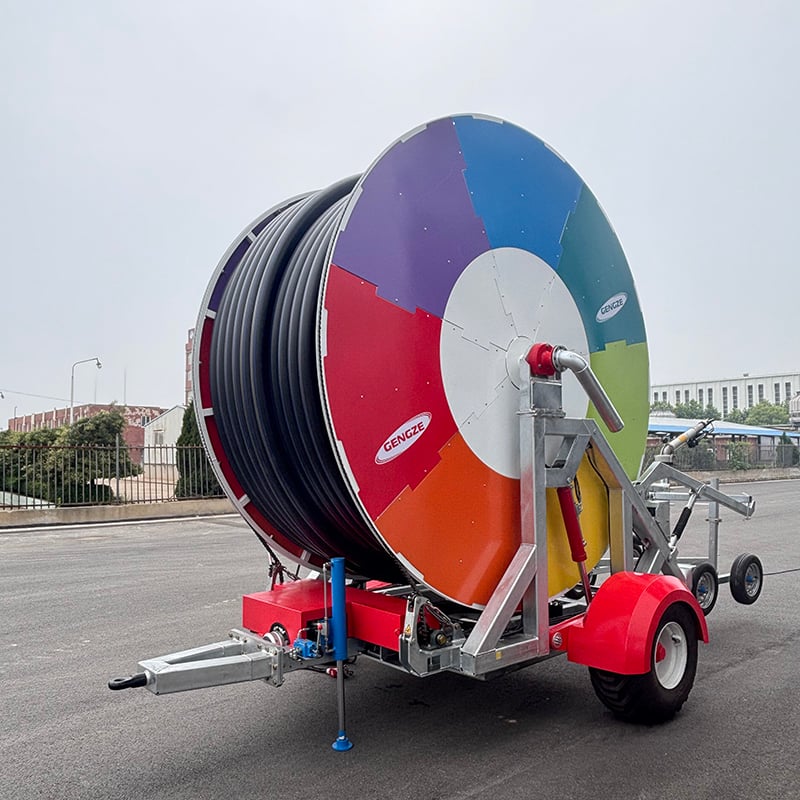
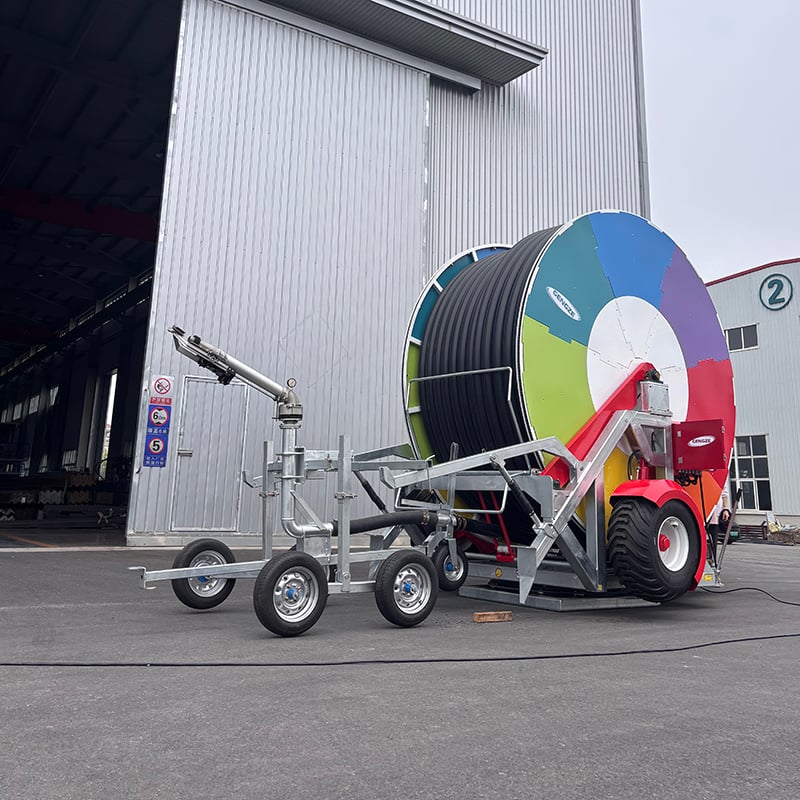
The solar circle irrigation system is an innovative agricultural solution that utilizes solar energy to efficiently distribute water across crops. This system is designed to optimize water usage, reduce energy costs, and enhance productivity for farmers. As purchasing managers, engineers, and distributors consider integrating these systems, they often seek information on benefits, quality, sourcing, cost factors, and installation guidance. This article aims to provide a comprehensive overview of solar circle irrigation systems, addressing key concerns that buyers may have.
Solar circle irrigation systems offer numerous advantages for agricultural applications. First and foremost, they harness solar energy, making them an environmentally friendly option that reduces dependency on fossil fuels. This not only lowers operational costs but also aligns with sustainability goals that many companies pursue today.
One of the primary benefits is increased efficiency in water usage. By using a circular design, these systems can cover large areas uniformly, ensuring that every plant receives the necessary water. This is particularly valuable in regions with variable rainfall where water scarcity is a concern. Additionally, the self-sustaining nature of solar-powered systems minimizes the need for ongoing maintenance, further reducing long-term costs.
Moreover, fertilizer tankers systems can be customized to fit various agricultural practices, from crops to orchards. They can be equipped with sensors that monitor soil moisture levels, allowing for precise irrigation based on the specific needs of the crops. This not only enhances crop yields but also conserves water, making it a practical choice for modern farming.
When considering wholesale purchases of solar circle irrigation systems, quality must be a top priority. Several factors contribute to the overall quality of these systems. First, the materials used in the construction of the irrigation components play a critical role. For instance, high-grade plastics or metals that can withstand UV exposure and varying weather conditions are essential for durability and longevity.
Another key aspect is the manufacturing process. Established manufacturers, such as Dalian Gengze Agricultural Equipment Manufacturing Co., Ltd, utilize advanced production equipment and quality control processes to ensure that each product meets stringent standards. Buyers should inquire about certifications that the manufacturer holds, as these can indicate compliance with industry regulations and quality benchmarks.
Additionally, it's crucial to evaluate the system's performance specifications, such as flow rates, pressure capabilities, and coverage area. Buyers should request detailed product data and possibly arrange for sample testing to verify that the systems meet their operational requirements.
Finding reliable suppliers for liquid fertilizer tankers for sale systems is vital for ensuring product quality and consistent supply. Potential buyers should start by researching manufacturers with a proven track record in agricultural equipment. Companies like Dalian Gengze, with over 20 years of experience in the industry, are well-regarded for their innovative solutions and commitment to quality.
Buyers can also leverage trade shows, agricultural expos, and industry networking events to connect with potential suppliers. These venues provide an opportunity to assess products firsthand and engage directly with manufacturers to discuss specifications, pricing, and customization options.
Additionally, online marketplaces and industry directories can serve as valuable resources for identifying suppliers. However, it is essential to verify the credibility of these vendors through customer reviews, testimonials, and by checking their export markets to ensure they have experience delivering products to your region.
Cost is a significant factor that buyers must consider when investing in solar circle irrigation systems. The overall expense can vary based on several elements, including the specifications of the system, additional features, and the scale of the installation. For instance, systems equipped with advanced automation or monitoring technologies may come at a premium but can offer greater efficiency and water savings in return.
Buyers should also consider the total cost of ownership, which includes installation, maintenance, and potential repair costs over the system's lifespan. It's advisable to request detailed quotations from multiple suppliers, ensuring that all costs are transparent and that there are no hidden fees associated with the purchasing process.
Moreover, understanding the minimum order quantities (MOQ) that suppliers may impose can help buyers plan their budgets more effectively. For larger operations, negotiating bulk purchase discounts can also lead to substantial savings, making it essential to discuss these options with potential suppliers.
Proper installation is critical to maximizing the benefits of solar circle irrigation systems. Buyers should ensure that they receive comprehensive installation guidelines from the manufacturer. This includes information on layout planning, component assembly, and integration with existing agricultural practices.
Additionally, it may be beneficial to involve professional installers who are experienced with solar systems. They can provide valuable insights into optimizing the system's placement for maximum sun exposure and water distribution. Buyers should also discuss installation timelines with suppliers to ensure that they align with planting schedules and other critical agricultural activities.
Regular maintenance checks are also recommended post-installation to ensure that the system operates efficiently. This includes monitoring for any blockages, checking the integrity of solar panels, and ensuring that the irrigation system is functioning as intended. Having a maintenance plan in place can extend the life of the system and enhance productivity.
By understanding these various aspects of center point irrigation system, buyers can make informed decisions that align with their operational needs and agricultural goals.

Dalian Gengze Agricultural Equipment Manufacturing Co.,Ltd
Copyright © Dalian Gengze Agricultural Equipment Manufacturing Co.,Ltd All Rights Reserved | Blog | Privacy Policy
 EN