Requesting a Call:
Online Support
A solar irrigation system is an innovative solution that harnesses solar energy to power irrigation processes in agriculture. As global agricultural demands rise and the need for sustainable practices becomes increasingly critical, many B2B buyers including purchasing managers, distributors, and engineers are exploring solar irrigation systems to enhance efficiency and reduce costs. This article will delve into essential specifications, cost factors, installation guidance, common issues, and purchasing considerations to help you make informed decisions about integrating solar irrigation systems into your operations.
When selecting a solar irrigation system, several key specifications must be taken into account to ensure optimal performance and suitability for your agricultural needs. Here are the critical factors to consider:
Solar Panel Efficiency: The efficiency rating of solar panels typically ranges between 15% to 22%. Higher efficiency panels convert more sunlight into electricity, which is crucial for areas with limited sunlight exposure. Buyers should assess the solar panel efficiency to determine how much energy will be produced under varying weather conditions.
Pump Type and Capacity: The type of pump whether submersible, surface, or centrifugal affects the system's overall efficiency. Buyers should consider the flow rate (measured in gallons per minute) and head height (the vertical distance the water needs to be pumped) to ensure the chosen pump meets the specific irrigation requirements.
Battery Storage: Battery systems vary in capacity and type (lead-acid vs. lithium-ion). A robust battery storage system allows for energy storage during sunny periods, ensuring irrigation can continue during cloudy days or at night. Buyers should evaluate the battery's capacity and expected lifespan to match their irrigation schedule.
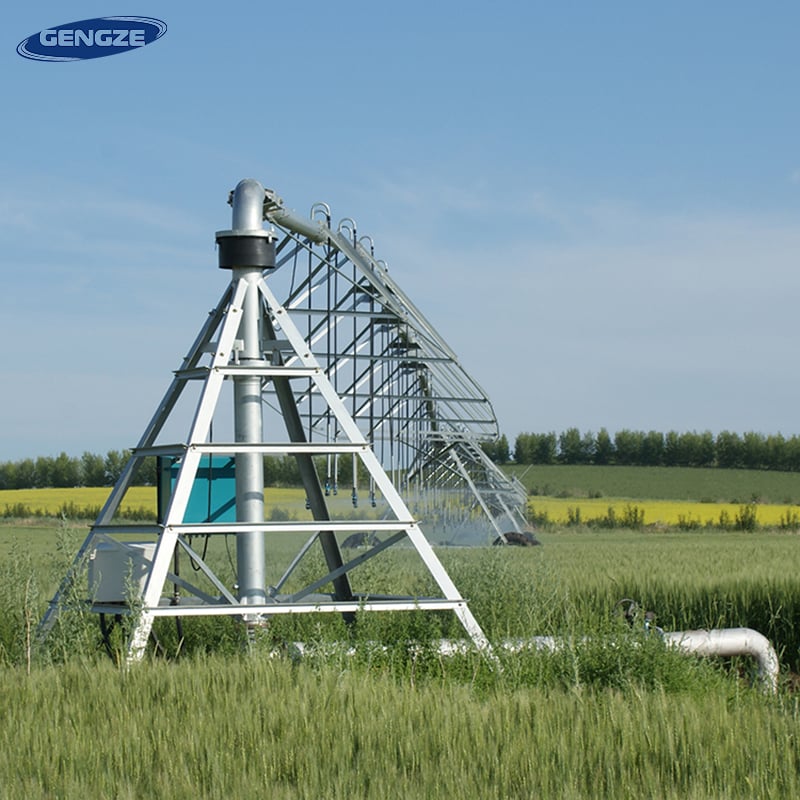
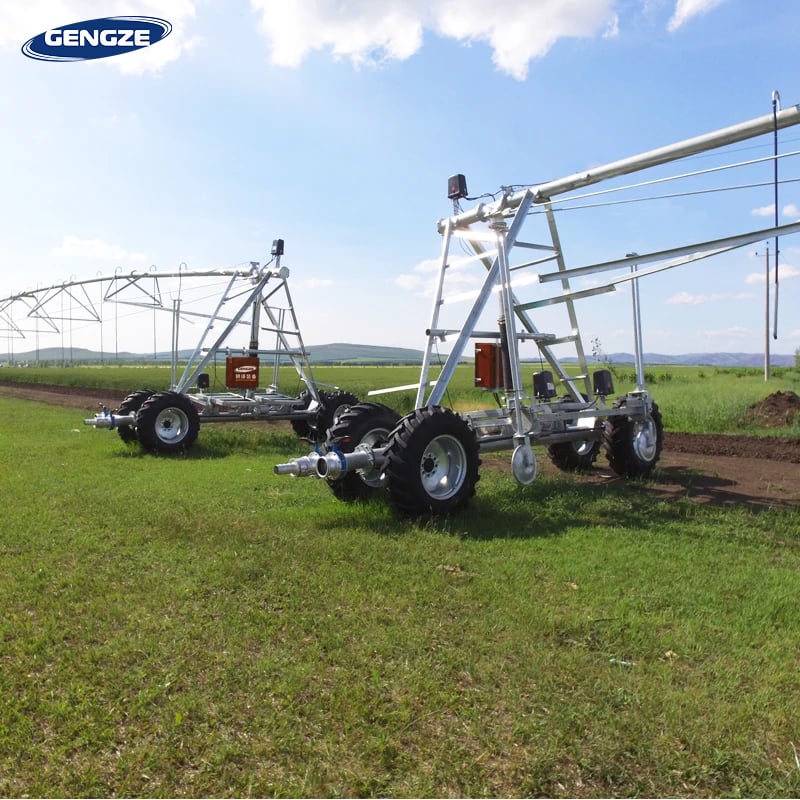
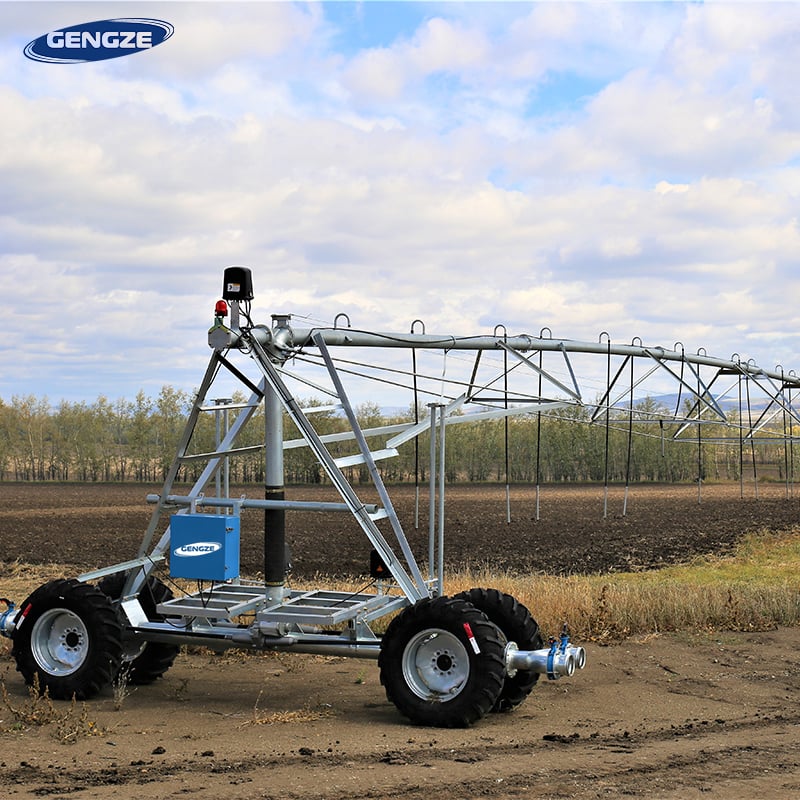
Durability and Materials: The materials used in the construction of the pivot solar irrigation, including the frame, tubing, and connectors, should be corrosion-resistant and suitable for the local environmental conditions. This ensures longevity and minimizes maintenance requirements.
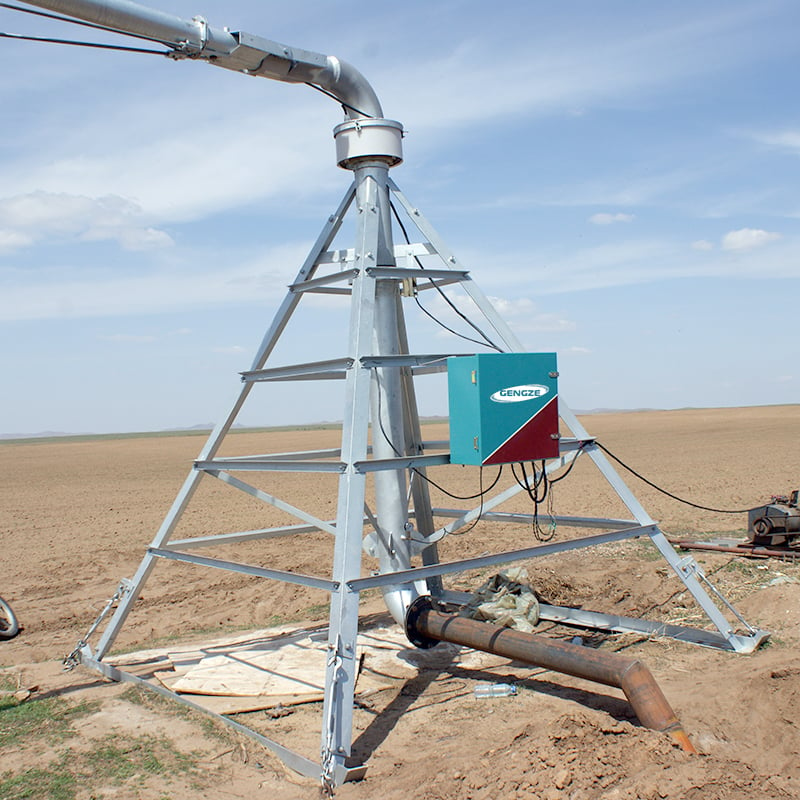
Control Systems: Advanced control systems allow for automated operation, scheduling, and monitoring of the irrigation process. Buyers should consider systems that offer real-time data tracking and remote management capabilities for increased efficiency.
Evaluating these specifications helps ensure that the solar irrigation system aligns with operational demands and environmental factors.
When considering bulk orders of solar irrigation systems, various cost factors come into play. Understanding these will help in budgeting and negotiating with suppliers:
Unit Price vs. Total Cost of Ownership: While the unit price is essential, it's important to consider the total cost of ownership, which includes installation, maintenance, and potential energy savings over time. Often, higher upfront costs for more efficient systems can lead to greater long-term savings.
Discounts for Bulk Purchases: Many suppliers offer tiered pricing based on order quantity. Requesting quotes for different quantities can reveal significant savings. It's wise to negotiate based on anticipated demand, as suppliers may be willing to reduce prices for larger orders.
Shipping and Handling Fees: Shipping costs can vary greatly depending on the order size and delivery location. Buyers should clarify whether freight costs are included in the pricing and explore options for bulk shipping to minimize expenses.
Installation Costs: Professional installation can add to the overall cost. Buyers should inquire about installation services included in the purchase or seek quotes from local contractors to compare pricing.
Incentives and Rebates: Various regions offer incentives for adopting solar technology, which can offset initial costs. Buyers should research available government grants, tax credits, or rebates that can reduce the overall investment.
By analyzing these cost factors, buyers can make more informed decisions that will benefit their budget and operational needs.
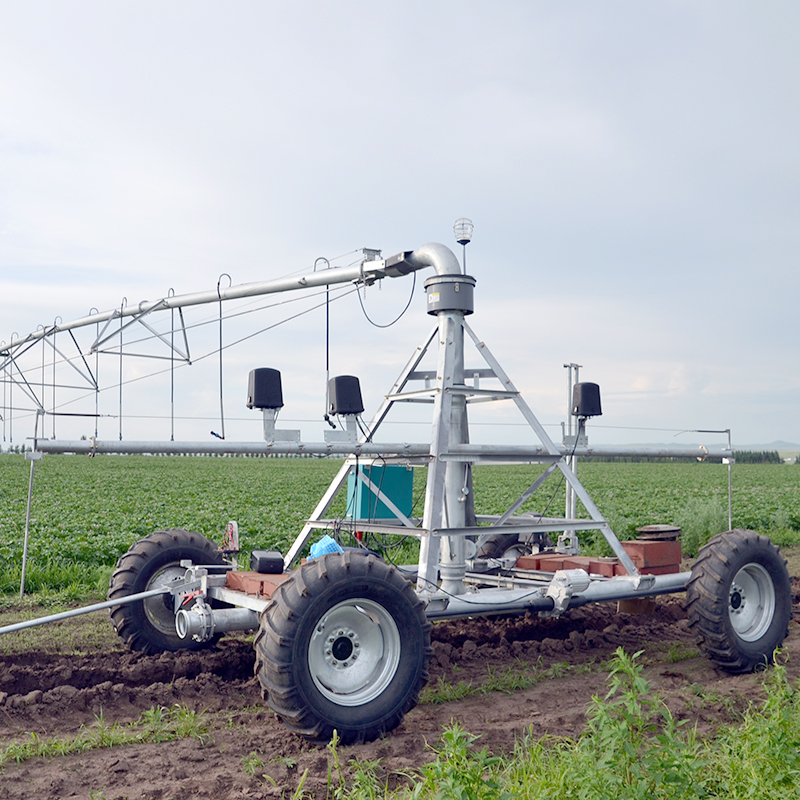
Proper installation of a center irrigation system is vital for maximizing efficiency and functionality. Here are key steps and considerations for a successful setup:
Site Assessment: Conduct a thorough site assessment to determine the best location for solar panels, taking into account sunlight exposure, shading from trees or buildings, and proximity to water sources. Solar panels should be positioned to receive maximum sunlight throughout the day.
System Configuration: Based on the irrigation needs, configure the system components, including the solar panels, pump, battery storage, and control system. Properly sizing the pump and ensuring compatibility with the solar panels will enhance performance.
Electrical Connections: Ensure that all electrical connections are secure and compliant with safety standards. This includes wiring the solar panels to the charge controller and connecting the pump to the battery system.
Testing and Calibration: Before full operation, test the entire system for functionality. Calibrate the control systems to ensure they operate according to the planned irrigation schedule.
Training and Maintenance: Provide training for operators on the system's functions and maintenance requirements. Regular maintenance checks on the panels, batteries, and pumps will ensure long-term efficiency and reliability.
By following these installation guidelines, buyers can ensure that their solar irrigation systems operate effectively and sustainably.
While solar irrigation systems offer numerous benefits, they can encounter issues that may affect performance. Here are common problems and their solutions:
Insufficient Power Generation: If the solar panels are not producing enough energy, it may be due to dirt or debris on the panels. Regular cleaning and maintenance are essential. Additionally, consider investing in higher-efficiency panels if power generation remains low.
Battery Failure: Batteries may fail prematurely due to improper usage or extreme temperature exposure. Always select batteries with suitable ratings for the local climate and ensure they are installed in a temperature-controlled environment.
Pump Malfunction: If the pump is not functioning correctly, check for blockages in the intake or any electrical issues, such as loose connections. Regular inspections of the pump system can help identify problems early before they escalate.
Control System Errors: Errors in programming or timing can disrupt irrigation schedules. Familiarize operators with the control system and ensure they perform regular updates and troubleshooting as needed.
Water Quality Issues: Poor water quality can lead to sediment buildup in the system. Implementing filtration systems can prevent debris from affecting pump performance and irrigation effectiveness.
Addressing these common issues promptly can enhance the reliability and efficiency of solar irrigation systems.
Investing in a solar irrigation system is a significant decision that can lead to numerous advantages for agricultural operations. Understanding why this purchase matters is crucial for buyers:
Sustainability: Solar irrigation systems are environmentally friendly, reducing reliance on fossil fuels and lowering carbon footprints. This aligns with global trends towards sustainable agriculture.
Cost Savings: By utilizing solar energy, farmers can significantly reduce their energy costs associated with traditional irrigation methods. Over time, this can lead to substantial savings, making solar systems a financially viable option.
Increased Efficiency: Automated solar irrigation systems can enhance water usage efficiency, ensuring crops receive the right amount of water at the right time. This not only improves crop yields but also conserves water resources.
Resilience Against Climate Variability: As climate change affects weather patterns, solar irrigation systems provide a reliable source of energy and water management, helping farmers adapt to changing conditions.
Market Competitiveness: Companies that adopt innovative technologies like agricultural irrigation systems can enhance their market competitiveness by demonstrating commitment to sustainability and operational efficiency, which can appeal to environmentally conscious consumers.
Recognizing the importance of these factors will empower buyers to make informed decisions about integrating solar irrigation systems into their agricultural practices, ensuring long-term benefits for their operations.

Dalian Gengze Agricultural Equipment Manufacturing Co.,Ltd
Copyright © Dalian Gengze Agricultural Equipment Manufacturing Co.,Ltd All Rights Reserved | Blog | Privacy Policy
 EN