Requesting a Call:
Online Support
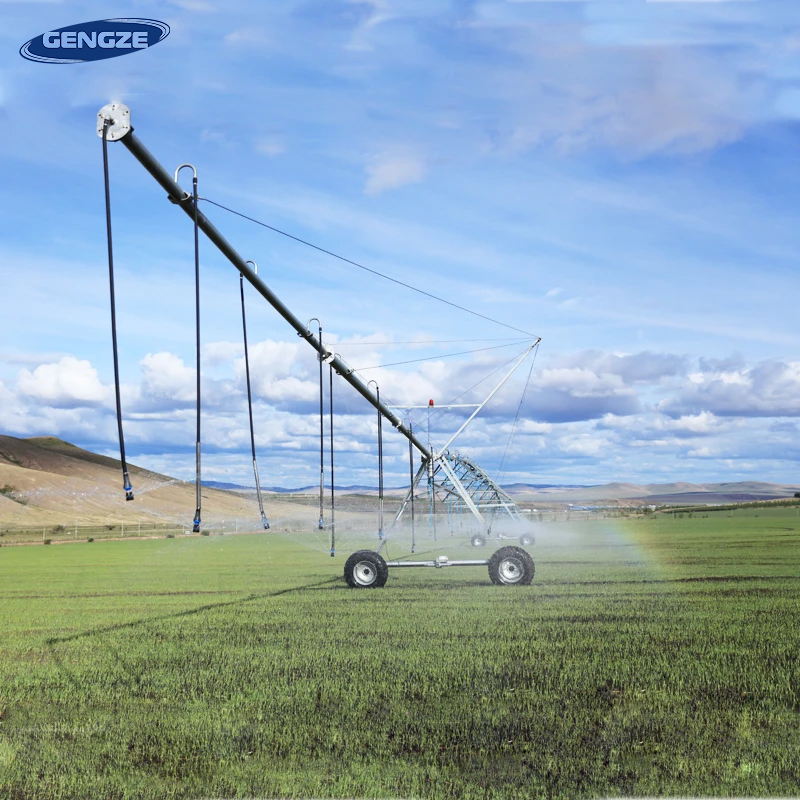
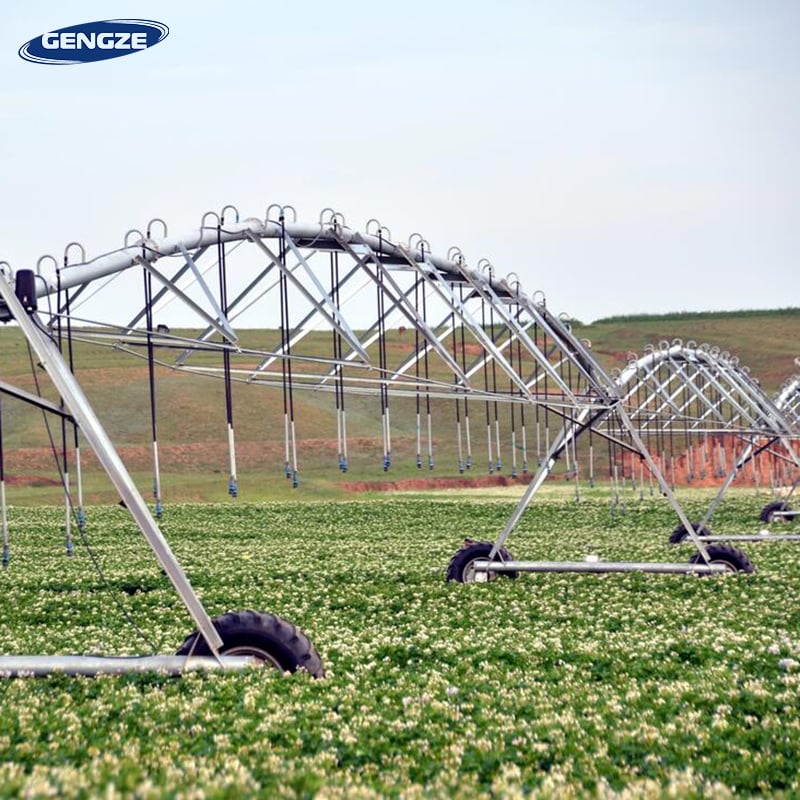
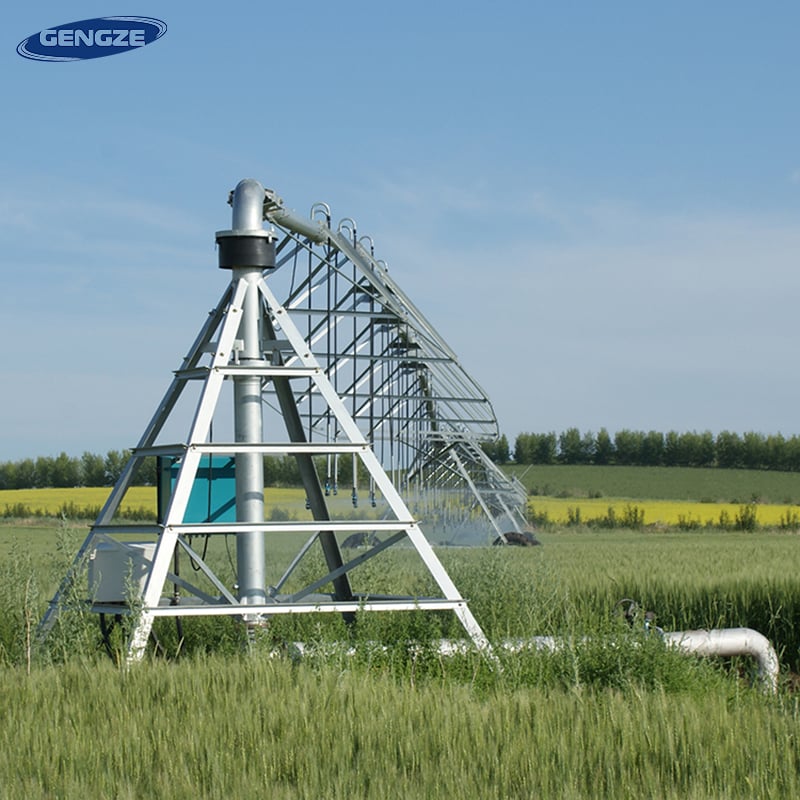
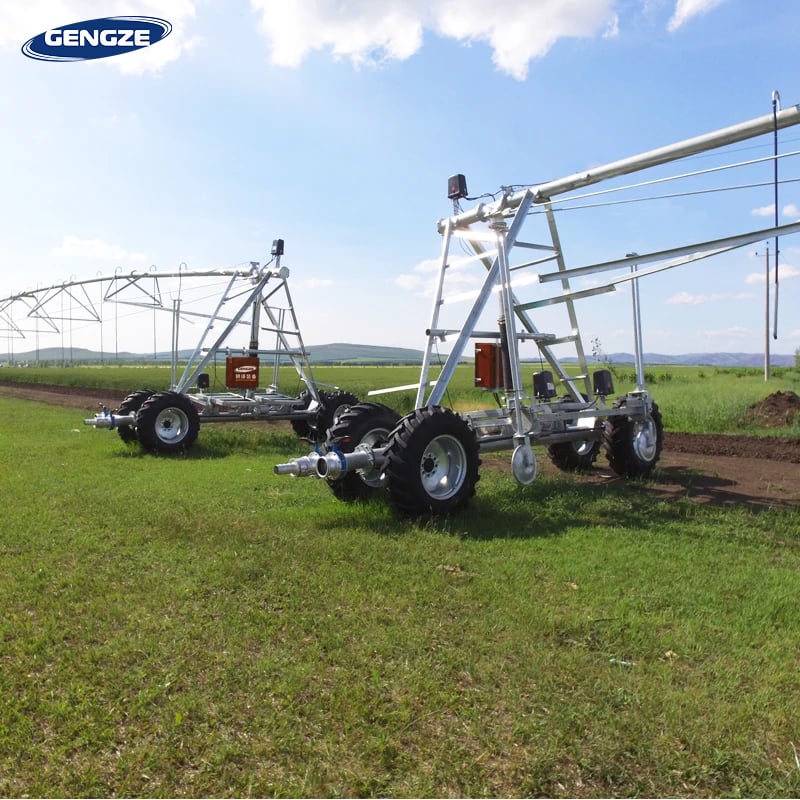
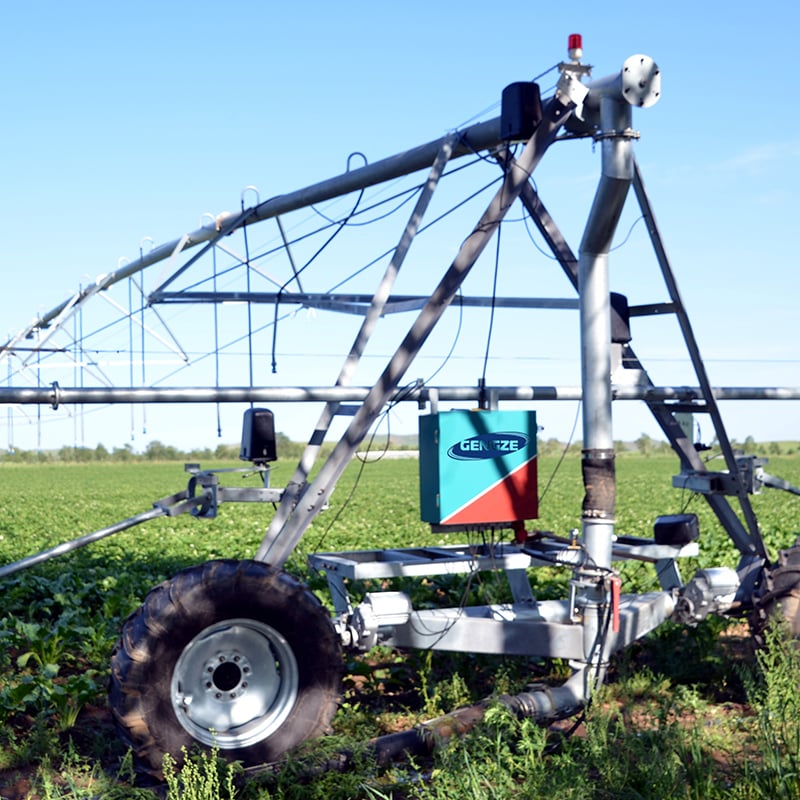
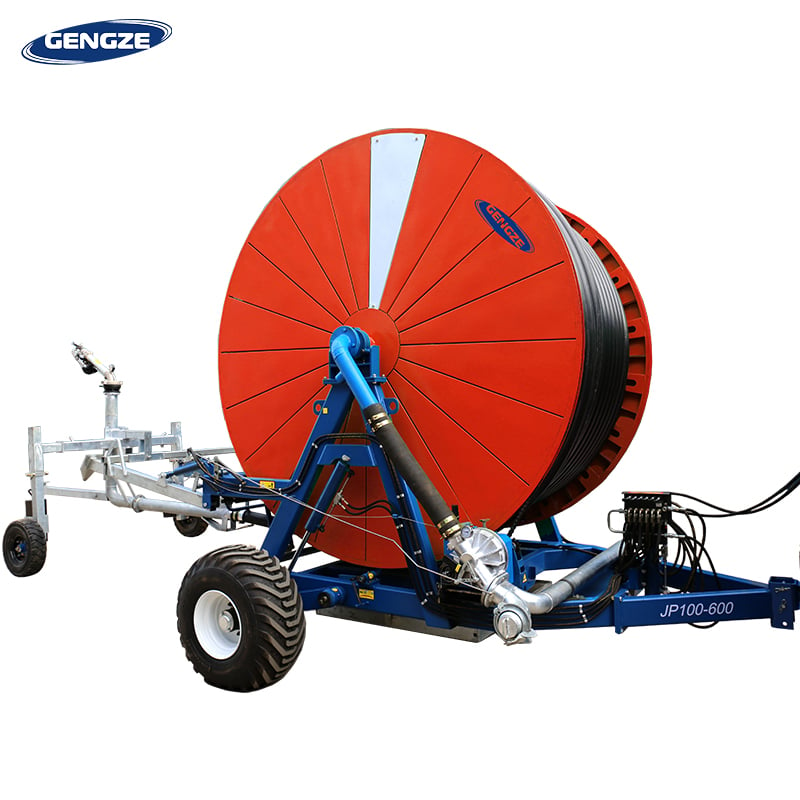
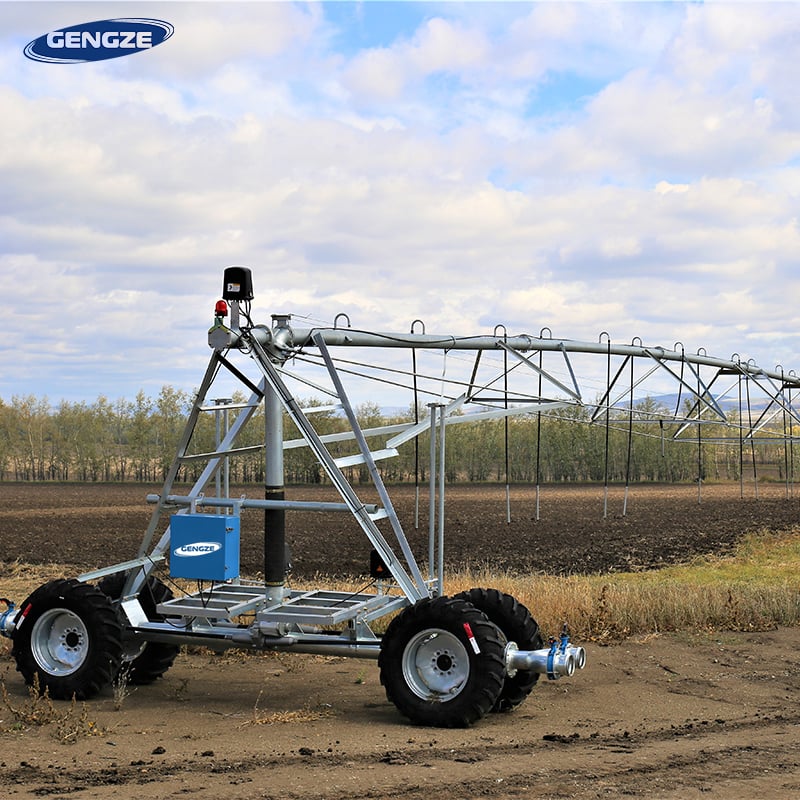
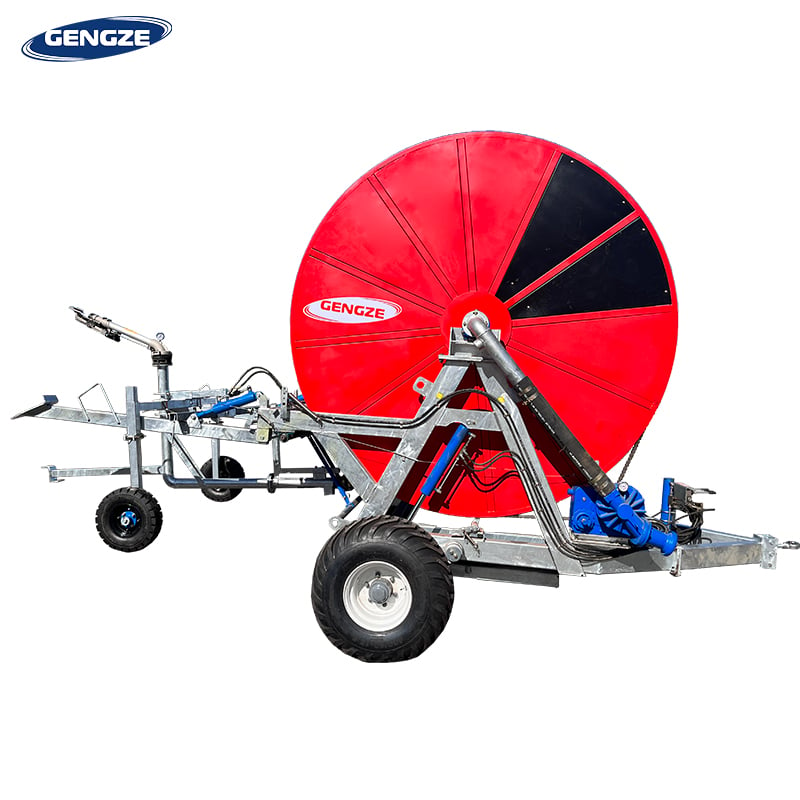
The solar powered center pivot is an innovative irrigation system designed to enhance agricultural efficiency by utilizing renewable energy. As buyers in the B2B agricultural sector evaluate these systems, their primary concerns revolve around performance reliability, installation processes, and maintenance requirements. This hose reel irrigator article will delve into essential specifications, installation guidance, common issues and their solutions, and how to assess the quality of solar powered center pivot equipment, helping potential buyers make informed purchasing decisions.
When selecting a solar powered center pivot, several key specifications should be taken into account.
Power Output: The system should include solar panels capable of generating sufficient energy to operate the pivot. This typically depends on the total horsepower required for the motor and the average sunlight exposure in the specific location. Buyers should assess the panel efficiency and energy storage capabilities to ensure reliable operation during non-sunny periods.
Material Durability: The hose reel sprinkler system materials used in construction should withstand environmental factors such as UV exposure, moisture, and corrosion. High-grade aluminum or galvanized steel is often recommended for the framework due to their strength and resistance to rust.
Span Length and Coverage Area: The pivot’s span length directly affects the area it can irrigate. Buyers should consider their field size and shape to determine the appropriate pivot length and the number of spans needed for optimal coverage.
Control System: An advanced control system allows for precise irrigation scheduling. Features like remote monitoring and automated adjustments based on weather conditions can significantly enhance efficiency.
Water Application Rate: This specification indicates how much water the system can deliver per unit of area. It’s essential to align this rate with the crop’s water requirements to avoid over- or under-watering.
Understanding these specifications helps buyers ensure the solar powered center pivot system meets their operational needs and efficiency goals.
Investing in a solar powered center pivot system typically results in several benefits and expectations:
Cost Savings: By utilizing solar energy, farmers can significantly reduce their electricity costs associated with traditional irrigation methods.
Environmental Impact: These reel sprinklers irrigation systems promote sustainable farming practices by minimizing reliance on fossil fuels and reducing carbon footprints.
Increased Efficiency: Solar powered center pivots provide consistent water distribution, improving crop yield and quality. The automation capabilities further enhance operational efficiency, allowing for optimal water application with minimal labor.
Maintenance Requirements: While solar powered center pivots are designed for durability, periodic maintenance is essential. Regular checks of the solar panels, battery systems, and mechanical components will help ensure long-term functionality.
Buyers should expect a balance of initial investment with long-term savings and productivity improvements.
Proper installation is crucial for the effective operation of solar powered center pivot systems. Here are key considerations:
Site Assessment: Before installation, the site should be evaluated for sunlight exposure, soil type, and water availability. This assessment can determine the optimal positioning of solar panels and the pivot system.
Foundation and Alignment: A solid foundation is necessary to support the pivot structure. Ensure that the center pivot is level and aligned correctly to prevent uneven water distribution.
Electrical Connections: The installation should include proper wiring for solar panels and the control system. Following electrical safety standards is critical to avoid future operational issues.
Testing and Calibration: After installation, the system should be thoroughly tested to ensure all components function correctly. Calibration of the control system is essential for achieving accurate irrigation schedules.
Engaging experienced technicians for installation can significantly reduce the risk of operational problems later on.
While solar powered center pivots are generally reliable, certain issues may arise:
Insufficient Power Generation: If the solar panels are not producing adequate energy, it could be due to dirt accumulation, shading from nearby structures, or panel orientation. Regular cleaning and ensuring unobstructed sunlight can mitigate this problem.
Mechanical Failures: Components like motors and gearboxes may experience wear over time. Regular inspections and timely replacement of worn parts can prevent breakdowns.
Control System Malfunctions: Software or hardware issues in the control system can lead to incorrect watering patterns. Regular software updates and testing of the system can help address these concerns.
Water Pressure Issues: Inconsistent water pressure can affect irrigation efficiency. Checking for obstructions in the pipeline and ensuring proper pump operation can help maintain consistent pressure.
By proactively addressing these common issues, buyers can enhance the longevity and effectiveness of their solar powered center pivot systems.
When assessing the quality of solar powered center pivot equipment, buyers should consider the following factors:
Manufacturer Reputation: Review the manufacturer’s track record and experience in producing agricultural equipment. Established companies, like Dalian Gengze Agricultural Equipment Manufacturing Co., Ltd, with extensive experience and a strong product range, are more likely to offer reliable products.
Certifications and Compliance: Ensure the equipment adheres to industry standards and certifications. This compliance indicates that the products meet safety and quality benchmarks.
Warranty and Support: A robust warranty can provide peace of mind regarding the product’s durability. Additionally, consider the availability of customer support for troubleshooting and maintenance.
User Reviews and Case Studies: Gathering feedback from current users can provide insights into the product’s performance and reliability. Case studies showcasing successful implementations can also help in evaluating the equipment’s effectiveness.
By thoroughly evaluating these aspects, buyers can make informed decisions that meet their operational needs and investment expectations.
In summary, understanding the specifications, installation requirements, potential problems, and quality indicators of solar powered center pivot systems will empower B2B buyers to make well-informed purchasing decisions that enhance their agricultural operations.

Dalian Gengze Agricultural Equipment Manufacturing Co.,Ltd
Copyright © Dalian Gengze Agricultural Equipment Manufacturing Co.,Ltd All Rights Reserved | Blog | Privacy Policy
 EN