Requesting a Call:
Online Support
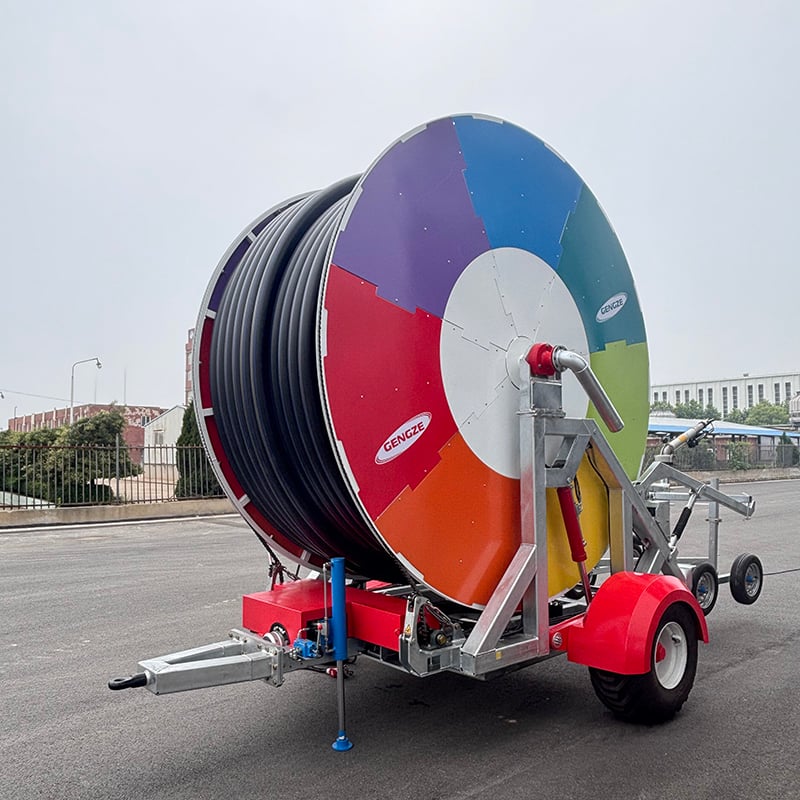
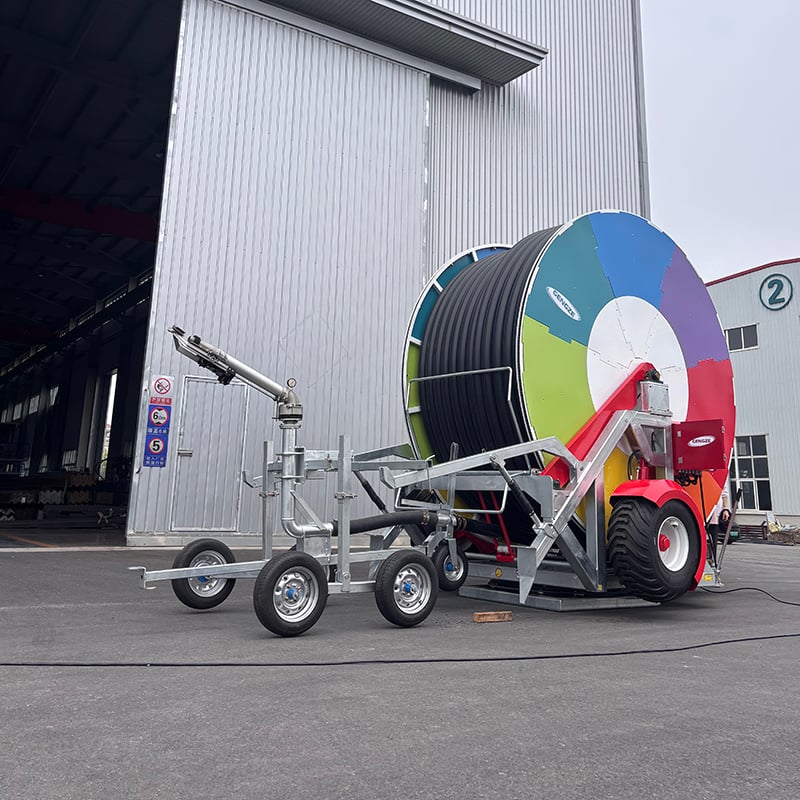
Solar powered irrigation machines represent a cutting-edge solution for modern agriculture, addressing the pressing need for sustainable water management. These irrigation hose reel systems harness solar energy to automate irrigation, ensuring that crops receive the right amount of water while minimizing reliance on traditional energy sources. B2B buyers, such as purchasing managers and agricultural engineers, often seek effective and efficient solutions that align with their operational needs. This article aims to provide essential insights into the specifications, quality evaluation, supplier selection, and cost factors associated with solar powered irrigation machines.
When considering solar powered irrigation systems, buyers should pay close attention to key specifications that directly impact performance and suitability for agricultural applications.
Power Output: The solar panel's wattage determines how much energy the system can generate. This affects the machine's ability to pump water efficiently. For larger agricultural operations, a higher wattage may be necessary to meet demands.
Pump Capacity: Buyers should evaluate the flow rate of the pump, often measured in gallons per minute (GPM) or liters per minute (LPM). This traveling hose reel sprinkler specification indicates how much water can be delivered to crops, influencing irrigation scheduling and effectiveness.
Battery Storage: A robust battery system is crucial for storing solar energy, ensuring the irrigation system functions during cloudy days or at night. The battery's capacity, measured in amp-hours (Ah), will dictate the duration the system can operate without direct sunlight.
Durability and Materials: The construction materials of both the solar panels and the pumping system should be considered for their resistance to environmental factors such as UV radiation, moisture, and corrosion. High-quality materials extend the lifespan of the equipment, reducing long-term costs.
Compatibility: The system must be compatible with existing irrigation setups and easily integrated with other agricultural technologies. This ensures that buyers do not face compatibility issues during installation.
Understanding these specifications allows buyers to make informed decisions that align with their agricultural practices and environmental conditions.
Quality evaluation of solar powered irrigation machines is foundational for ensuring that the selected equipment meets operational needs. Buyers can adopt the following strategies for quality assessment:
Supplier Reputation: Researching the manufacturer’s reputation in the market can provide insights into the quality of their products. Long-standing manufacturers, like Dalian Gengze Agricultural Equipment Manufacturing Co., Ltd, often have proven track records in delivering reliable products.
Certifications: Check for relevant certifications that demonstrate compliance with industry standards. These may include ISO certifications, which indicate adherence to quality management principles.
Product Testing: Request data on product testing and performance metrics. This includes efficiency ratings, operational limits, and durability tests conducted under various environmental conditions.
Customer Reviews and Case Studies: Examine customer feedback and case studies to understand the experiences of other users. This can reveal common issues, operational efficiencies, and overall satisfaction levels.
Warranties and Support: A robust warranty period and responsive customer support are indicators of quality assurance. They reflect the manufacturer's confidence in their product and commitment to customer satisfaction.
By systematically evaluating these factors, buyers can mitigate risks associated with equipment failure and ensure they invest in high-quality solar powered irrigation systems.
Identifying trustworthy suppliers for solar powered irrigation machines is critical for ensuring quality and reliability. Here are several key considerations for buyers:
Industry Experience: Suppliers with extensive experience in the agricultural equipment sector are more likely to understand the specific needs of farmers. Look for manufacturers with a history of product development and a portfolio of successful installations.
Customization Capabilities: Some agricultural operations may require tailored solutions. Suppliers that offer customization options for their solar powered irrigation systems can better meet specific operational requirements.
Geographical Reach: Consider suppliers with a global presence, as they may have experience addressing diverse environmental conditions and agricultural practices. This lateral move irrigation can enhance the adaptability of the equipment to different markets.
After-Sales Service: Reliable after-sales support is essential for maintenance and troubleshooting. Suppliers that provide comprehensive training, technical support, and easy access to spare parts can significantly enhance operational efficiency.
Transparent Pricing: Choose suppliers that offer clear and transparent pricing structures. This helps avoid unexpected costs and ensures that all aspects of the equipment are accounted for in the quote.
By carefully evaluating potential suppliers based on these criteria, buyers can establish partnerships that lead to successful agricultural outcomes.
Selecting the right solar powered irrigation system involves a structured approach. Here’s a step-by-step guide to facilitate the decision-making process:
Define Requirements: Assess the specific irrigation needs based on the crop type, land area, and water availability. This helps determine the system's capacity and features required.
Research Options: Conduct thorough research on various products available in the market. Compare specifications, features, and pricing from multiple suppliers.
Request Quotations: Compile a detailed request for quotation (RFQ) that includes all necessary information such as system specifications, installation requirements, and expected lead times. This ensures suppliers provide accurate estimates.
Evaluate Samples: If possible, request samples or demonstrations of the equipment. This allows for hands-on evaluation, ensuring that the product meets quality expectations and operational standards.
Review Contracts and Warranties: Before finalizing the purchase, review all contractual terms related to the purchase, warranty, and support services. Ensure clarity on return policies and support commitments.
Following this structured approach not only enhances the likelihood of selecting a suitable product but also fosters a more efficient procurement process.
Understanding the cost factors associated with solar powered irrigation systems is crucial for budget planning. Here are the key elements that can influence overall costs:
Initial Investment: The upfront cost of the solar powered irrigation system can vary significantly based on system size, technology used, and additional features. Buyers should factor in installation costs as well.
Operational Efficiency: While solar powered systems can lead to lower operating costs due to reduced energy bills, buyers should consider the efficiency of the system. Higher efficiency can translate to cost savings in the long run.
Maintenance Costs: Regular maintenance is necessary to ensure the longevity of the equipment. Buyers should inquire about expected maintenance costs, including potential repairs and parts replacement.
Financing Options: Explore financing options that may be available through suppliers or third-party lenders. This can affect cash flow and the overall cost of ownership.
Incentives and Subsidies: Check for local government incentives or subsidies for solar energy solutions. These can significantly reduce the initial investment and improve the overall financial feasibility of the project.
By carefully evaluating these cost factors, buyers can make informed financial decisions that align with their agricultural goals and operational budgets.

Dalian Gengze Agricultural Equipment Manufacturing Co.,Ltd
Copyright © Dalian Gengze Agricultural Equipment Manufacturing Co.,Ltd All Rights Reserved | Blog | Privacy Policy
 EN