Requesting a Call:
Online Support
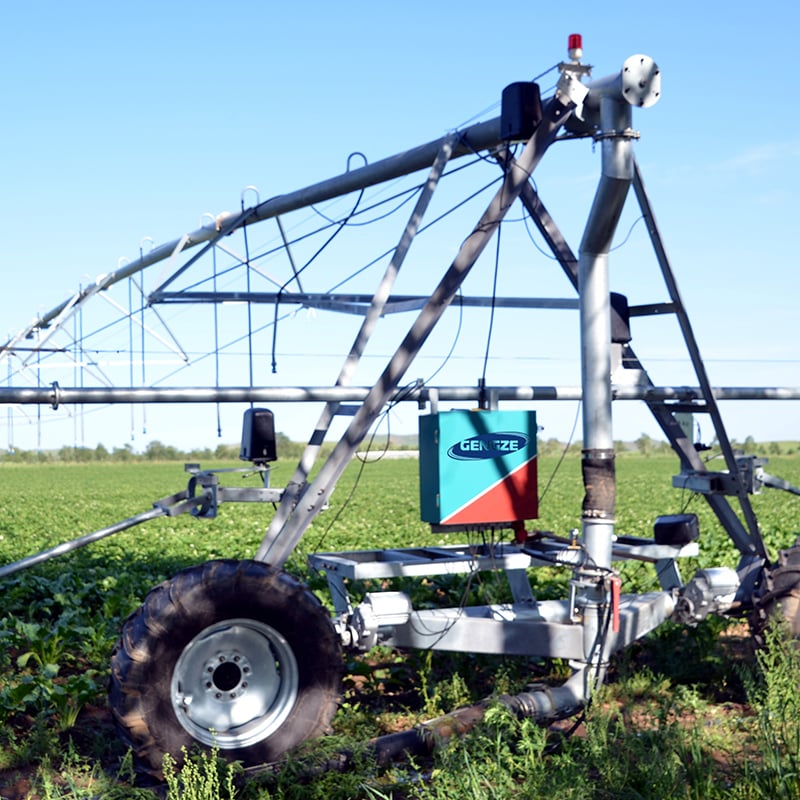
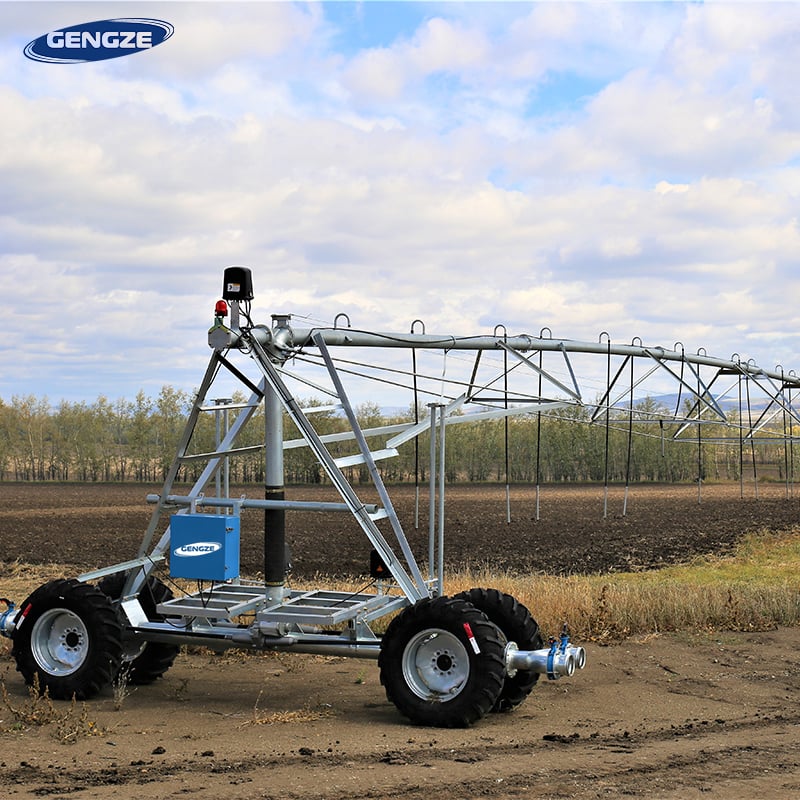
Solar powered sprinkler irrigation systems are becoming increasingly popular among farmers and agricultural managers due to their efficiency and sustainability. These solar powered irrigation system utilize solar energy to power irrigation, providing a cost-effective and environmentally friendly solution for water management in agriculture. However, potential buyers often have specific concerns regarding specifications, quality, cost factors, and common issues associated with these systems. This article aims to provide a comprehensive understanding of solar powered sprinkler irrigation systems, guiding B2B buyers through the essential considerations for making informed purchasing decisions.
When evaluating solar powered sprinkler irrigation systems, key specifications to consider include the pump capacity, solar panel efficiency, battery life, and irrigation coverage area.
Pump Capacity: The pump's capacity is critical as it determines how much water can be delivered to the crop area. Buyers should assess the required flow rate based on the size of the field and the type of crops being irrigated.
Solar Panel Efficiency: The solar center pivot irrigtaion efficiency of the solar panels affects the overall performance of the irrigation system. Higher efficiency panels convert more sunlight into energy, allowing the system to operate optimally even under less than ideal weather conditions. Buyers should look for panels rated above 18% efficiency for better reliability.
Battery Storage: A robust battery storage system is essential for ensuring that the irrigation system can operate during cloudy days or at night. Buyers should inquire about battery capacity and lifespan, as these factors significantly impact the system's operational reliability.
Irrigation Coverage Area: The coverage area of the irrigation system is determined by the design and placement of the sprinklers. Buyers need to assess the layout of the field and ensure that the system can adequately cover the desired area without leaving dry spots.
Understanding these specifications will help buyers select the appropriate solar powered sprinkler irrigation system that meets their agricultural needs.
Quality is paramount when selecting solar powered sprinkler irrigation systems. Buyers should consider several factors to ensure they are investing in durable and effective products.
Material Selection: High-quality materials, such as UV-resistant plastics and corrosion-resistant metals, are essential for longevity. These solar powered centre pivot materials ensure that the system can withstand harsh weather conditions and prolonged exposure to water.
Manufacturing Processes: The manufacturing process plays a crucial role in the quality of the final product. Buyers should inquire about quality control measures employed by the manufacturer, such as testing for leaks and performance under various conditions.
Certifications: Certifications from recognized industry bodies can provide assurance of quality and performance. Buyers should look for ISO certifications or other relevant standards that indicate compliance with industry best practices.
Warranty and Support: A strong warranty and reliable customer support reflect the manufacturer's confidence in their product quality. Buyers should evaluate the warranty terms and available support options before making a purchase.
By focusing on these quality indicators, buyers can ensure they select a solar powered sprinkler irrigation system that meets their performance and durability expectations.
When evaluating the cost of solar powered irrigation systems, several factors come into play:
Initial Investment: The upfront cost of the system includes the price of solar panels, pumps, piping, and installation. Buyers should compare quotes from various suppliers to find a competitive price while ensuring quality.
Operating Costs: One of the advantages of solar powered systems is their low operating costs, as they do not rely on traditional energy sources. However, solar power center pivot buyers should consider potential maintenance costs and battery replacement over time.
Return on Investment (ROI): Evaluating the ROI is crucial for understanding the long-term financial benefits of the system. Buyers should analyze water savings, labor reductions, and potential increases in crop yield to justify the initial investment.
Financing Options: Some manufacturers offer financing plans or leasing options, which can make the initial investment more manageable. Buyers should explore these options to determine the best fit for their budget.
By examining these cost factors, buyers can make informed decisions that align with their financial goals and agricultural needs.
Like any agricultural equipment, solar powered sprinkler irrigation systems can face challenges. Understanding common problems and their solutions can help buyers mitigate issues effectively.
Insufficient Power Generation: A common issue is inadequate power generation during cloudy days. Buyers can address this by ensuring the solar panel system includes a sufficient number of panels or by integrating a hybrid system with alternative power sources.
Pump Failure: Pumps may fail due to wear and tear or inadequate maintenance. Regular inspections and following the manufacturer’s maintenance guidelines can help prevent pump-related issues.
Clogged Filters: Clogged filters can impede water flow. Buyers should ensure that the system includes easy-to-access filters for routine cleaning and maintenance.
Battery Issues: Battery performance can degrade over time. Buyers should be aware of battery maintenance requirements and consider using high-quality batteries with longer lifespans.
By proactively addressing these common problems, buyers can enhance the reliability and performance of their solar powered irrigation systems.
Solar powered sprinkler irrigation systems are versatile and can be applied across various agricultural settings:
Crop Irrigation: These systems are ideal for irrigating a wide range of crops, from vegetables to grains, providing a consistent water supply while minimizing energy costs.
Greenhouse Operations: In greenhouse settings, solar powered irrigation systems can efficiently manage watering schedules, ensuring optimal moisture levels for plant health.
Orchards and Vineyards: The precise water delivery of these systems is beneficial for orchards and vineyards, where water needs can vary significantly based on crop type and growth stage.
Sustainable Farming Practices: By utilizing renewable energy, solar powered irrigation aligns with sustainable farming practices, reducing reliance on fossil fuels and minimizing the environmental impact of agricultural operations.
Understanding these applications allows buyers to appreciate the potential benefits of integrating solar powered sprinkler irrigation systems into their agricultural practices.
solar powered sprinkler irrigation systems offer significant advantages for agricultural efficiency and sustainability. By carefully considering specifications, quality, cost factors, common issues, and applications, B2B buyers can make informed decisions that enhance their farming operations.

Dalian Gengze Agricultural Equipment Manufacturing Co.,Ltd
Copyright © Dalian Gengze Agricultural Equipment Manufacturing Co.,Ltd All Rights Reserved | Blog | Privacy Policy
 EN