Requesting a Call:
Online Support
A tub grinder machine is an essential piece of equipment in the agricultural industry, designed to efficiently process large amounts of organic material, such as wood waste, crop residue, and animal manure. When considering a tub grinder machine price, potential buyers often grapple with various factors, such as performance capabilities, durability, and overall cost-effectiveness. This article aims to provide practical insights into selecting the right tub grinder machine, understanding the cost factors involved, identifying common issues and solutions, and exploring the diverse applications of these machines in agriculture and beyond.
Selecting the optimal farm irrigation systems center pivot machine requires careful consideration of several factors. First, assess your material processing requirements—this includes the type of organic material you will be grinding and the desired end product. For instance, different machines may handle wood waste, crop residues, or manure with varying degrees of efficiency.
Next, consider the machine's capacity, which is often expressed in tons per hour. If your operations demand high throughput, selecting a model with higher capacity will be critical. Additionally, examine the power source—diesel engines are common for larger models, providing the necessary torque and performance for demanding tasks.
Finally, evaluate the machine's dimensions and weight, especially if mobility is a concern. A more compact unit may be easier to transport, but ensure that it still meets your processing needs.
When determining the right tub grinder machine for your application, there are several key specifications to focus on:
Power and Engine Type: The horsepower of the engine can significantly impact grinding efficiency. A higher horsepower generally means quicker processing times and better performance with tougher materials.
Screen Size and Type: The size of the screens affects the fineness of the output material. Different applications may require different screen sizes, so choosing a machine that offers interchangeable screens can enhance versatility.
Build Quality and Durability: Machines constructed from high-quality materials, such as abrasion-resistant steel, tend to last longer and withstand harsh operating conditions.
Maintenance Features: Look for machines that facilitate easy maintenance. Features such as easy access to blades and screens can save time during routine checks and repairs.
Safety Features: Consider safety mechanisms such as emergency shut-offs and protective guards to ensure safe operation for your team.
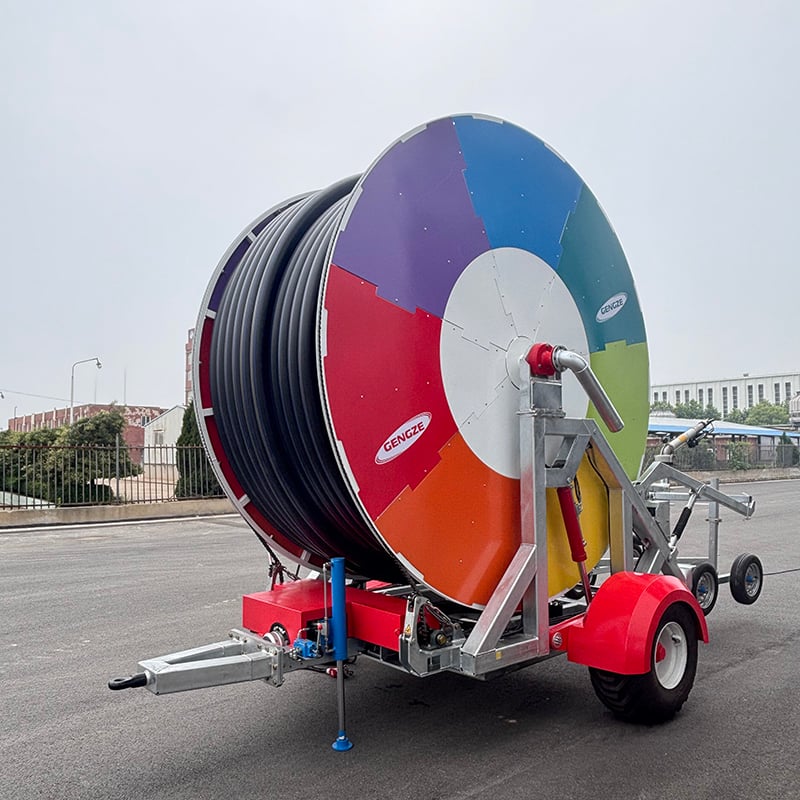
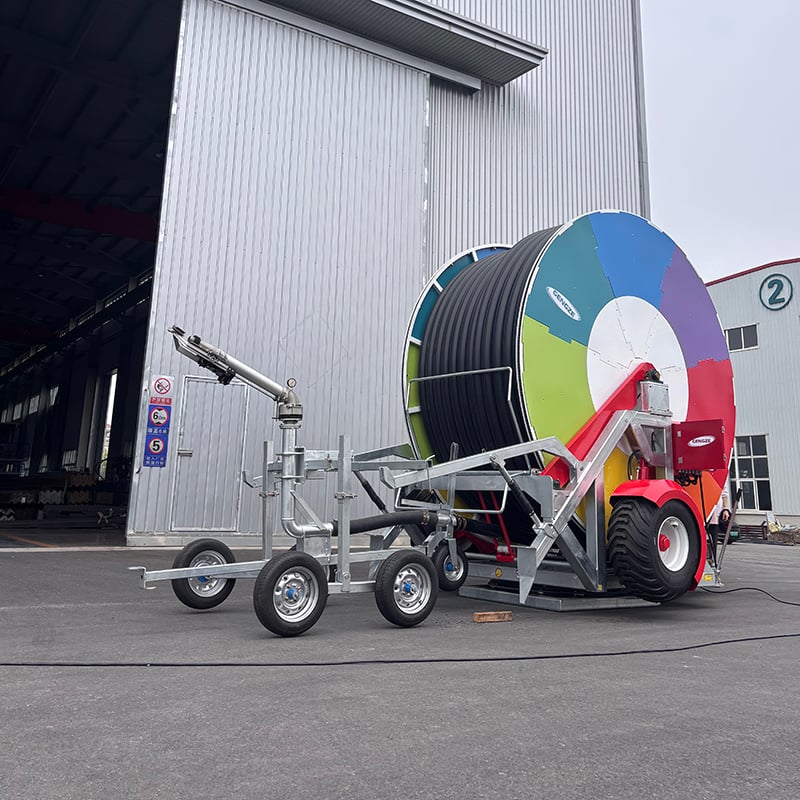
The price of a centre pivot irrigation machine can vary widely based on several factors, including:
Machine Size and Capacity: Larger machines with higher capacities typically come with a higher price tag. For instance, a compact model may be priced lower than a heavy-duty industrial grinder designed for extensive use.
Customization Options: Custom features tailored to specific applications may increase the overall cost. Buyers should consider whether these options are necessary for their operations.
Brand and Manufacturer Reputation: Established manufacturers, like Dalian Gengze Agricultural Equipment Manufacturing Co., Ltd., with over 20 years of experience in agricultural equipment, often command higher prices due to their reputation for quality and reliability.
Location and Shipping: Transportation costs can also factor into the final price. If purchasing from an overseas manufacturer, be aware of potential tariffs and shipping fees.
Warranty and After-Sales Support: Machines that come with robust warranties and solid after-sales support can justify higher initial costs, providing peace of mind regarding long-term investment.
Despite their efficiency, tub grinders can encounter various issues during operation. Common problems include:
Clogs and Jamming: This often occurs due to oversized material or foreign objects. Regular inspection and adherence to the recommended material size can help mitigate this problem.
Wear and Tear on Blades: Dull blades can lead to inefficient grinding and increased fuel consumption. Implementing a routine maintenance schedule for sharpening or replacing blades is advisable.
Engine Overheating: Overheating can occur if the machine is overloaded or not adequately cooled. Monitoring engine performance and ensuring proper lubrication can prevent overheating.
Vibration Issues: Excessive vibration may indicate an imbalance in the machine. Regular checks and maintenance can help identify and address these issues promptly.
Tub grinders are versatile machines with applications that extend beyond traditional agricultural uses. Key applications include:
Organic Waste Management: Ideal for processing yard waste, wood chips, and agricultural residues, hose reel irrigation system play a crucial role in recycling organic materials into mulch or compost.
Animal Waste Processing: In livestock operations, tub grinders can efficiently handle manure, leading to improved soil conditions and reduced waste disposal costs.
Land Clearing and Site Preparation: Construction and landscaping projects benefit from tub grinders, as they can quickly reduce tree stumps, brush, and other debris to manageable sizes.
Bioenergy Production: The processed material can be used as feedstock for bioenergy production, contributing to sustainable energy solutions.
In summary, understanding the various aspects of tub grinder machines—including selection criteria, cost factors, common operational challenges, and applications—can empower buyers to make informed purchasing decisions. This knowledge ensures that organizations can maximize the efficiency and effectiveness of their operations while optimizing their investment in agricultural equipment.

Dalian Gengze Agricultural Equipment Manufacturing Co.,Ltd
Copyright © Dalian Gengze Agricultural Equipment Manufacturing Co.,Ltd All Rights Reserved | Blog | Privacy Policy
 EN