Requesting a Call:
Online Support
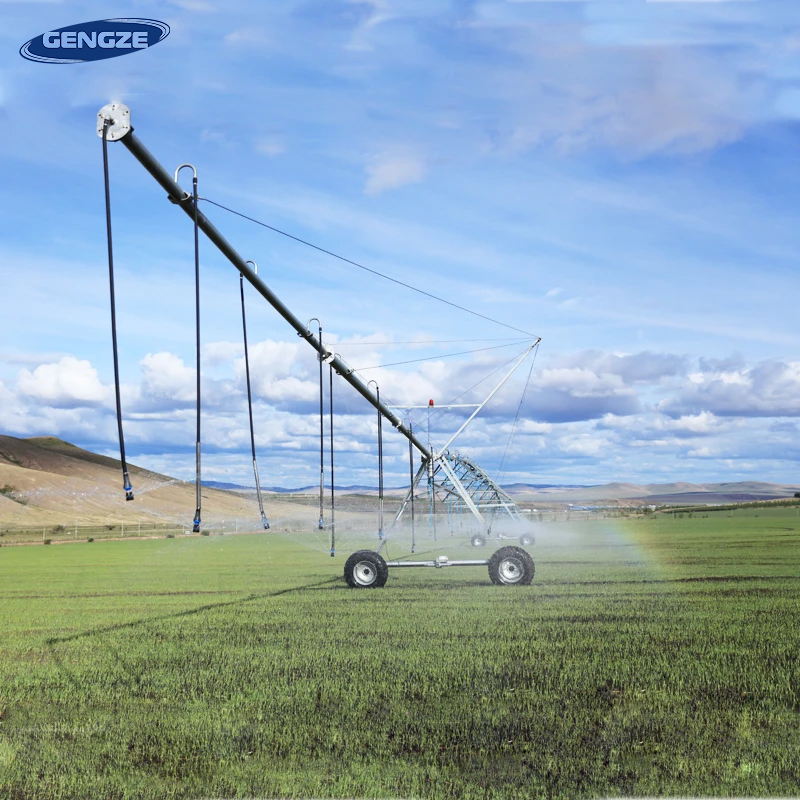
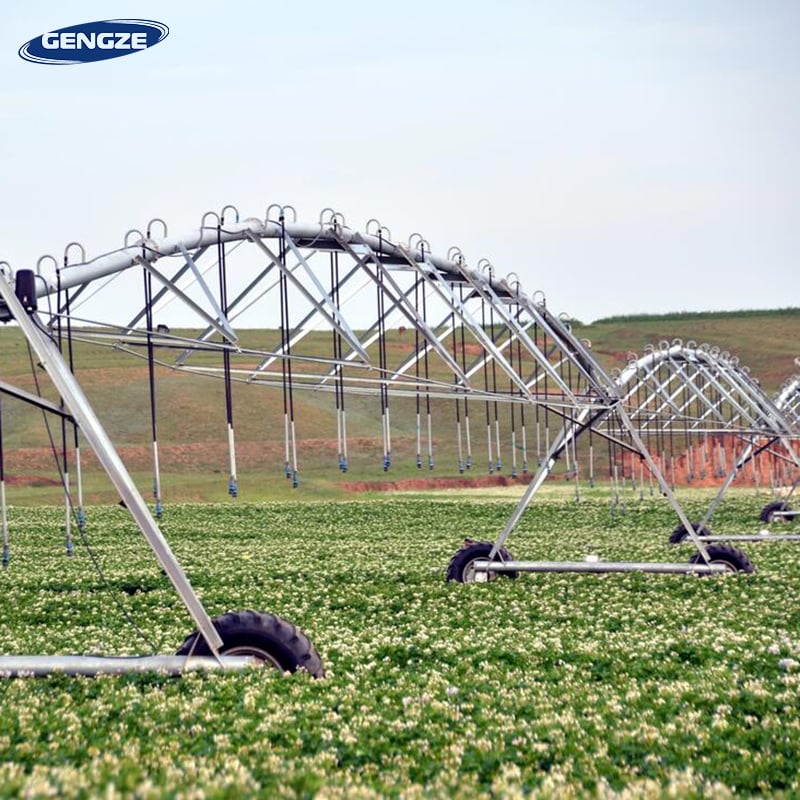
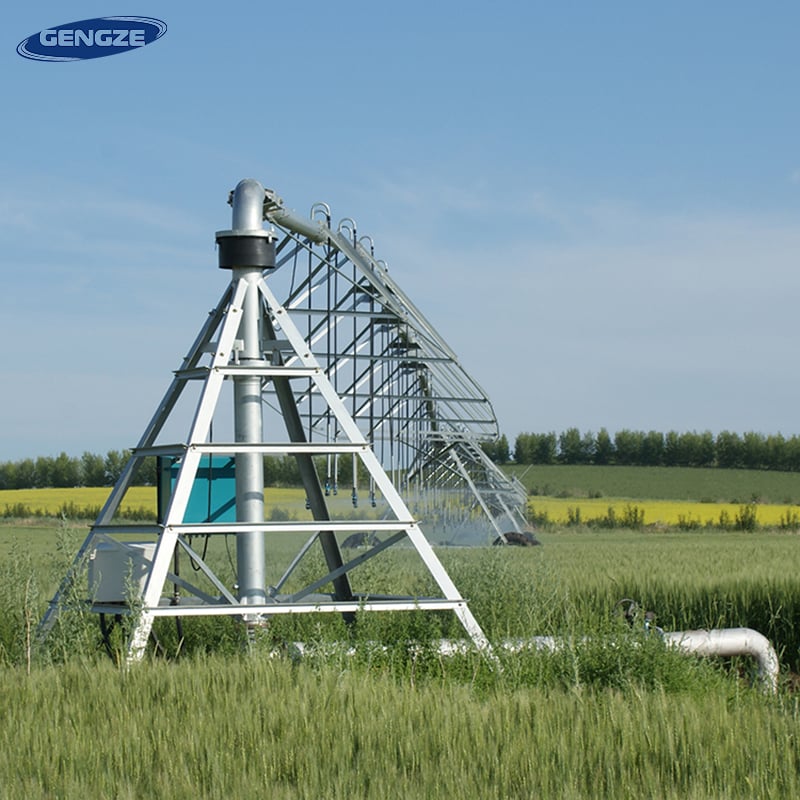
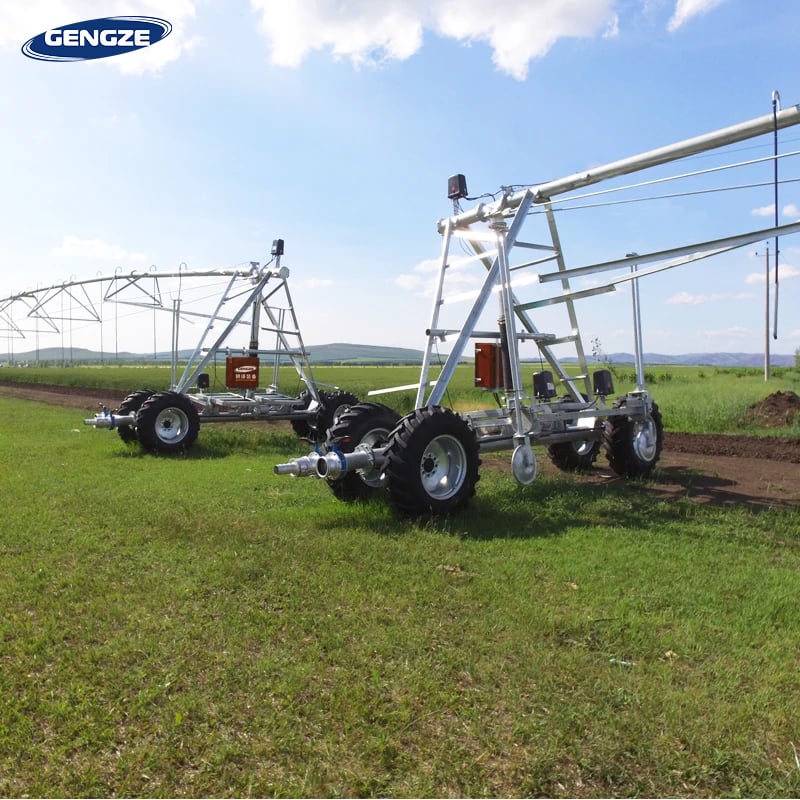
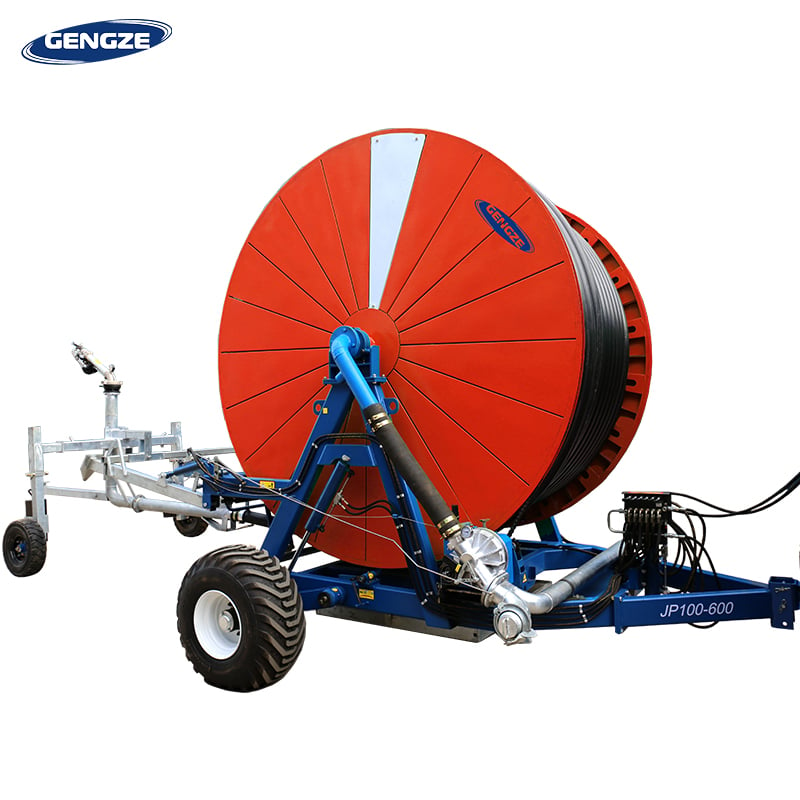
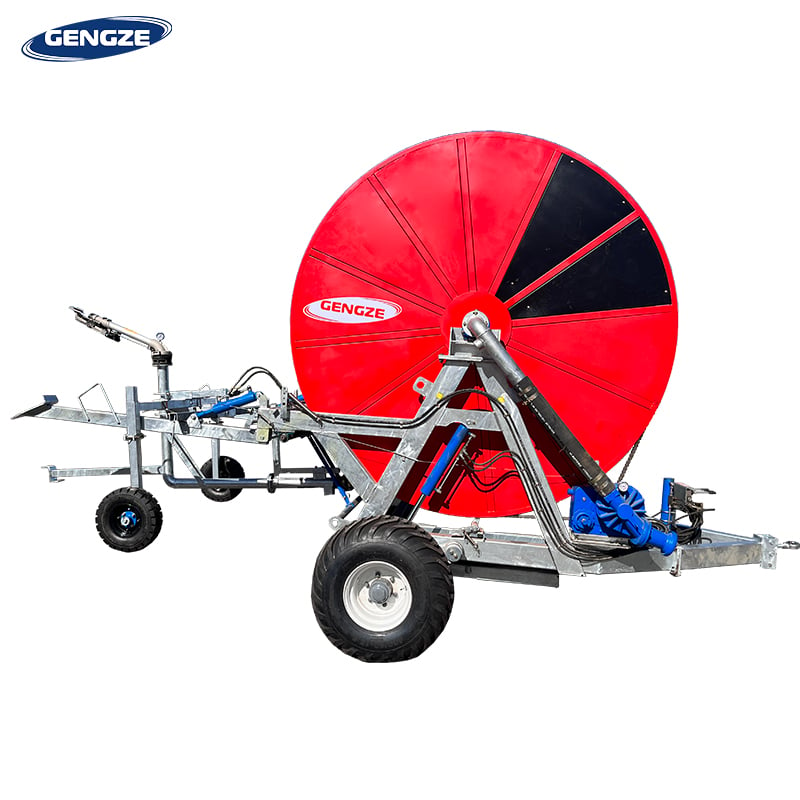
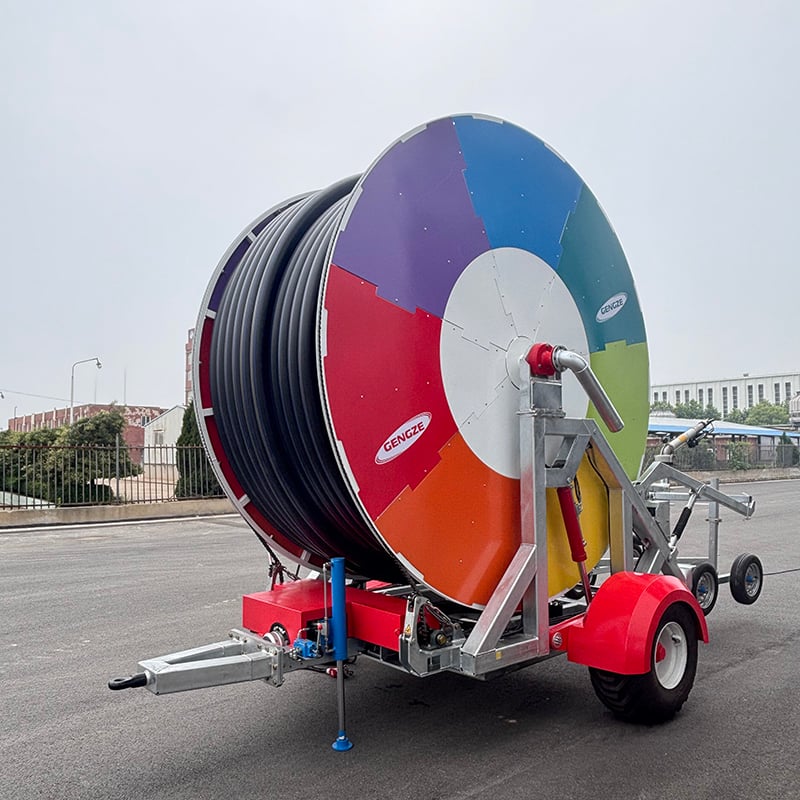
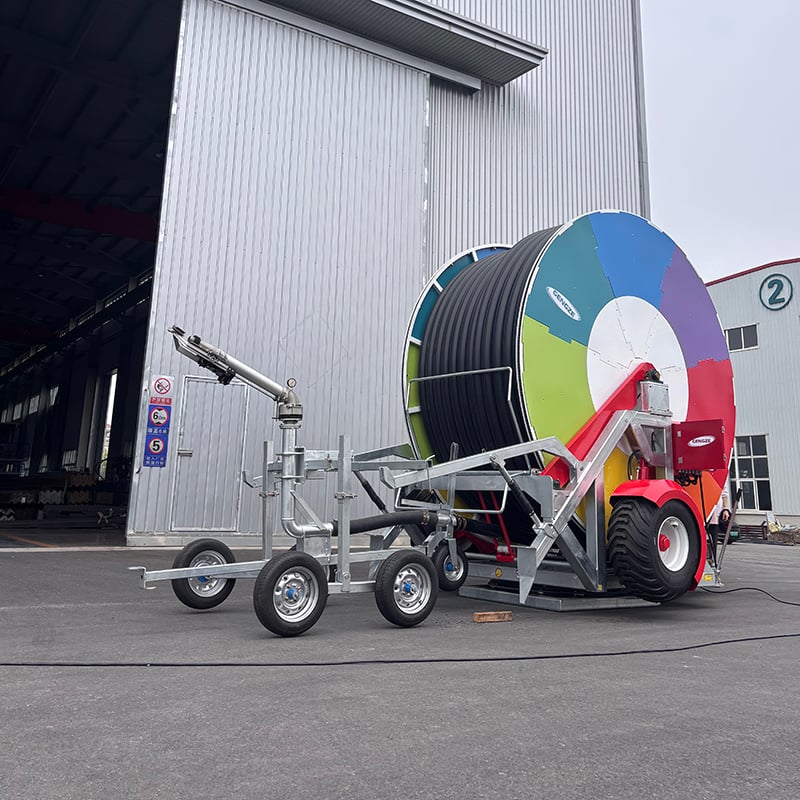
Water hose reel irrigation systems are essential tools for efficient agricultural and landscaping practices. These systems enable the automated distribution of water, ensuring crops receive the necessary moisture while minimizing waste. As purchasing managers and distributors consider these systems, they often prioritize performance, durability, and cost-effectiveness. This article will provide insights into the key specifications, essential features to consider, cost factors, installation guidance, and common challenges associated with water hose reel irrigation systems, helping buyers make informed purchasing decisions.
When evaluating best center pivot irrigation system reel irrigation systems, several key specifications should be assessed:
Hose Length and Diameter: The length of the hose affects the reach and efficiency of water distribution. Common diameters range from 1 to 3 inches, influencing water flow rates. Ensure the chosen hose diameter aligns with the pressure and volume requirements of your irrigation system.
Reel Material: High-quality reels are typically made from durable materials such as galvanized steel or high-density polyethylene. These materials resist corrosion and enhance longevity, crucial for outdoor applications.
Pressure Capacity: Verify the maximum operating pressure of the system, which often ranges between 60 to 100 psi. This specification is critical as it determines the system's ability to handle various water sources and irrigation techniques.
Drive Mechanism: Water hose reels may operate manually or automatically. Automatic systems often include timers and sensors, improving efficiency but requiring a higher initial investment.
Mounting Options: Depending on your application, consider whether the reel is stationary, portable, or can be mounted on a trailer. This flexibility can enhance usability across various terrains.
Understanding these specifications will help ensure that the selected system meets the operational needs of your agricultural or landscaping projects.
When selecting water hose reel irrigation equipment, it's essential to consider several factors:
Efficiency: Look for systems that optimize water usage through even distribution and minimal runoff. High-efficiency nozzles and adjustable pressure settings can significantly enhance performance.
Compatibility: Ensure the equipment is compatible with existing infrastructure, such as pumps and water sources. Compatibility can reduce installation costs and avoid operational issues.
Durability: Assess the construction quality of both the hose and reel. Products should be resistant to UV rays, chemicals, and physical wear. A robust warranty can also indicate the manufacturer's confidence in their product's durability.
Ease of Use: Systems should be user-friendly, with straightforward controls and maintenance requirements. Features like hose guides or automatic rewind mechanisms can simplify operation.
Customization Options: Many manufacturers, including Dalian Gengze Agricultural Equipment, offer customization options based on specific agricultural needs. Customization might include different hose lengths, reel sizes, and specialized nozzles tailored to particular crops or terrains.
Evaluating these features will enable you to choose an irrigation system that meets your operational demands while providing reliability and efficiency.
Purchasing liquid fertilizer tankers for sale reel irrigation systems in bulk can yield significant cost savings, but several factors can influence the overall price:
Volume Discounts: Many manufacturers offer tiered pricing based on order quantity. The more units purchased, the lower the per-unit cost. Confirm the minimum order quantity (MOQ) with your supplier.
Shipping Costs: Consider the logistics of transporting large quantities. Shipping fees can vary based on distance and weight, and negotiating shipping terms with your supplier can lead to further savings.
Customization Costs: If custom features are required, such as specific hose lengths or additional fittings, be aware that these modifications can increase the initial investment. Request detailed quotes to understand how customization impacts pricing.
Maintenance and Operating Costs: While upfront costs are crucial, consider long-term expenses associated with maintenance and repairs. Investing in durable, high-quality equipment can reduce these ongoing costs.
Financing Options: Some manufacturers may provide financing solutions or leasing options, which can help manage cash flow and budget constraints for large purchases.
By understanding these cost factors, buyers can make informed decisions that align with their budgetary constraints while ensuring they receive quality equipment.
Proper installation of water hose reel irrigation systems is crucial for optimal performance. Here are several guidelines to consider:
Site Assessment: Before installation, evaluate the site to determine the best configuration for the irrigation system. Consider the terrain, crop types, and existing water sources to optimize coverage.
Level Ground: Ensure that the reel is installed on level ground to prevent uneven water distribution. This setup enhances performance and reduces wear on the equipment.
Connections: Properly connect hoses and fittings to avoid leaks. Use appropriate sealants or fittings, and regularly check connections for wear and tear.
Testing: After installation, conduct a thorough test of the system. Check for leaks and ensure that water is evenly distributed across the area. Adjust pressure settings as needed for optimal performance.
Regular Maintenance: Establish a maintenance schedule to inspect the system, clean filters, and check for any wear on hoses and fittings. Regular maintenance helps prolong the lifespan of the equipment and ensures efficient operation.
Following these installation guidelines will help maximize the efficiency of your liquid fertilizer tanker reel irrigation system, reducing downtime and improving crop yields.
Like any equipment, water hose reels can encounter issues that may disrupt their operation. Here are some common problems and practical solutions:
Leaking Hoses: Leaks can occur at connection points or along the hose. Regularly inspect hoses for wear and replace damaged sections promptly. Use hose clamps to secure connections tightly.
Reel Malfunction: If the reel is not retracting properly, check for obstructions or debris that may hinder its operation. Cleaning the reel and ensuring it is free from dirt can often resolve the issue.
Pressure Fluctuations: Inconsistent water pressure can affect irrigation efficiency. Ensure that the water source is stable and that there are no blockages in the system. If pressure issues persist, consider consulting a professional for a thorough evaluation.
Hose Kinking: Kinks in the hose can restrict water flow. To prevent this, ensure the hose is properly coiled and stored when not in use. Using hose guides can help maintain a smooth path during operation.
Corrosion: Over time, metal components may corrode, especially in harsh conditions. Regular maintenance and using corrosion-resistant materials can mitigate this issue.
By being aware of these common problems and their solutions, buyers can effectively maintain their water hose reel irrigation systems and ensure reliable performance throughout their operational lifespan.
Dalian Gengze Agricultural Equipment Manufacturing Co.,Ltd
Copyright © Dalian Gengze Agricultural Equipment Manufacturing Co.,Ltd All Rights Reserved | Blog | Privacy Policy
 EN