Requesting a Call:
Online Support
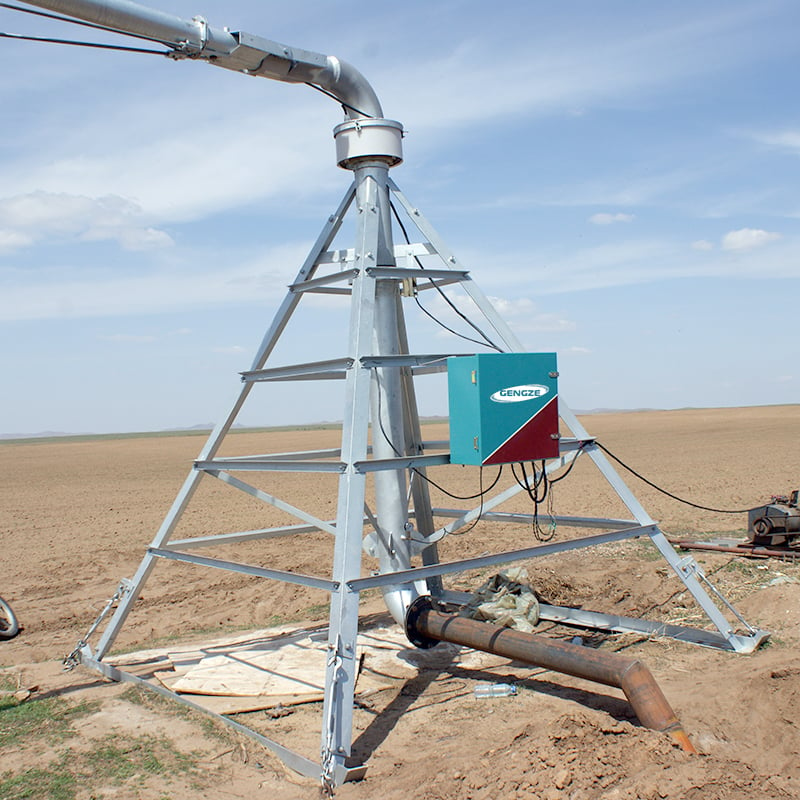
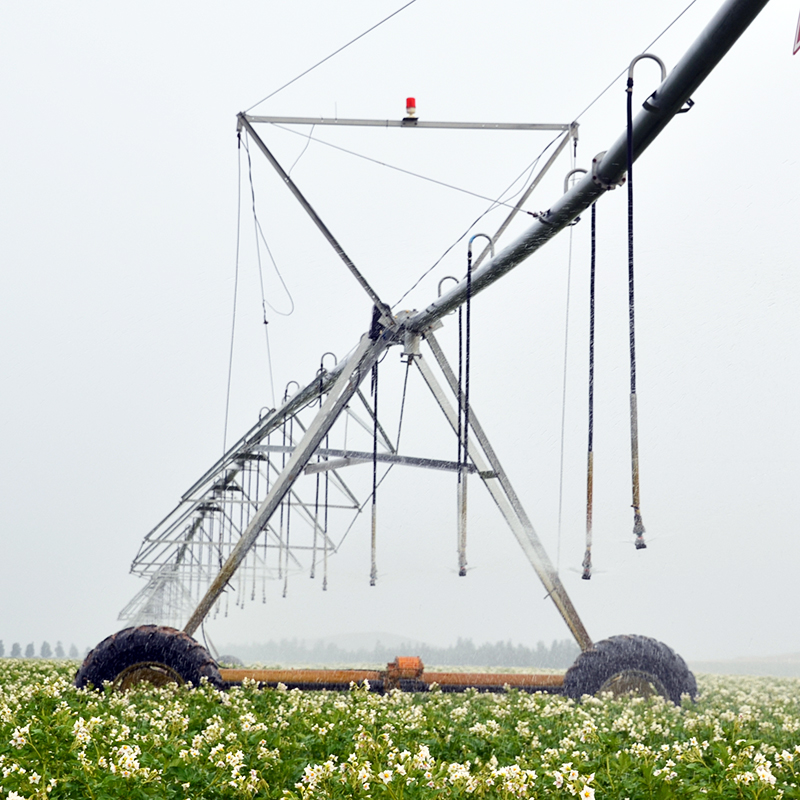
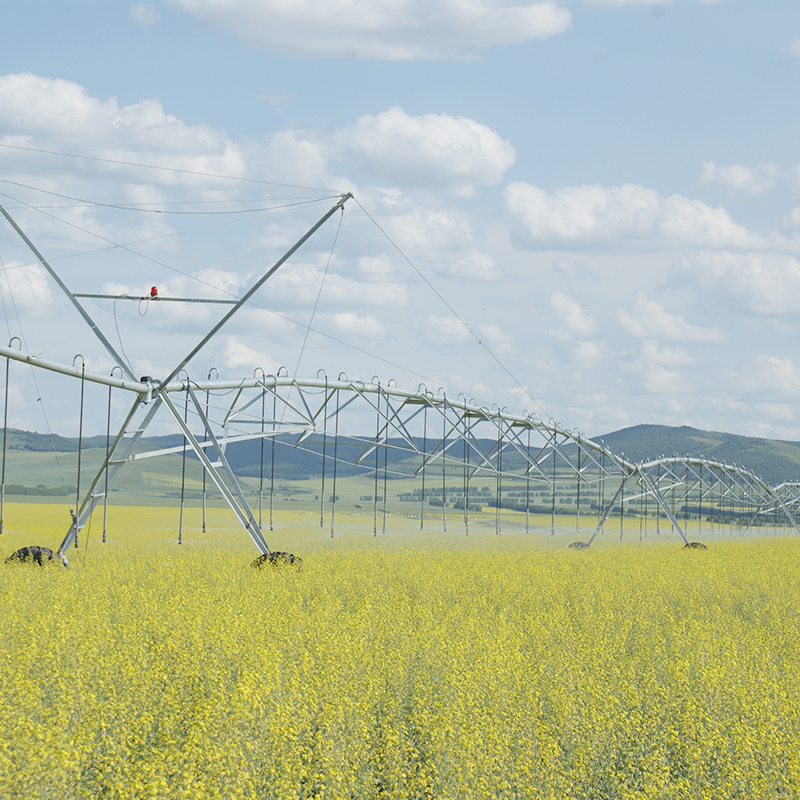
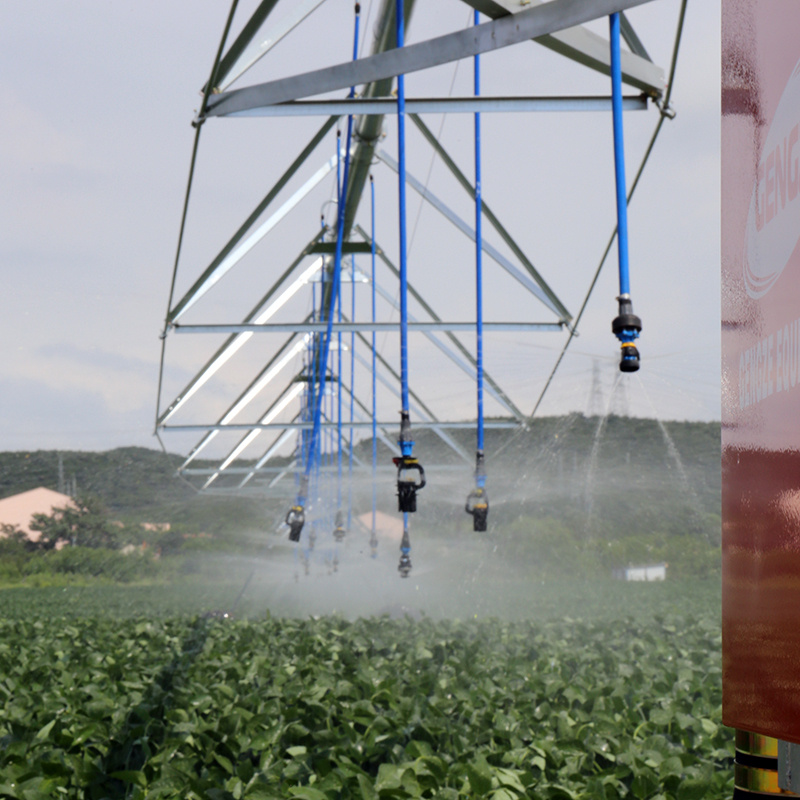
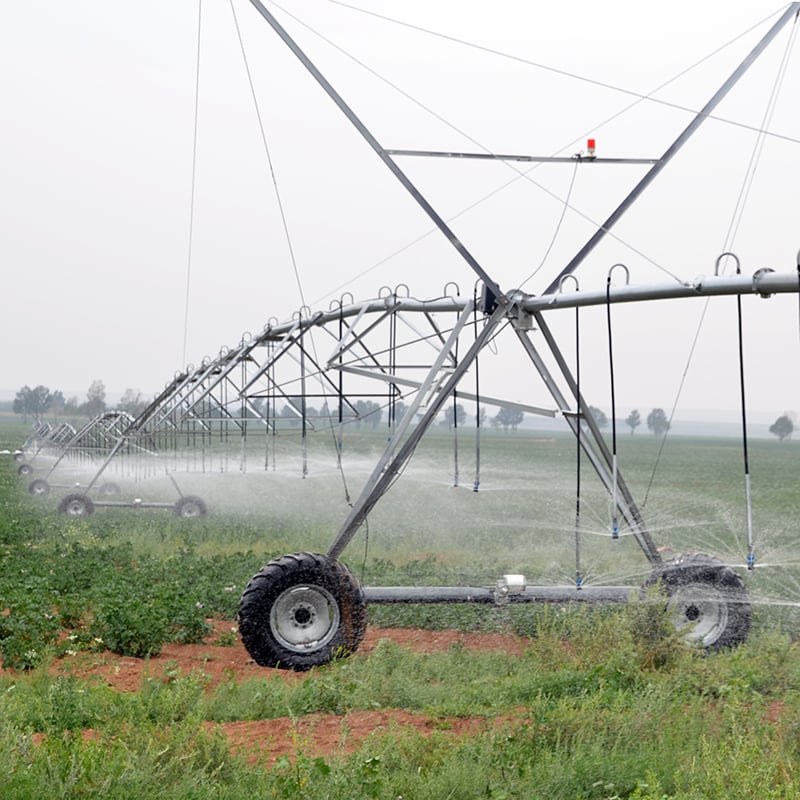
Automated center pivot irrigation systems are essential tools for modern agriculture, enabling efficient water distribution across large fields. These systems use rotating arms to deliver water directly to crops, reducing labor costs while improving yield consistency. For purchasing managers, engineers, and agricultural professionals, selecting the right automated irrigation system can be daunting due to the variety of options available and the specific needs of different agricultural applications. This article will provide critical insights into what to consider when choosing an automated center pivot irrigation system, along with purchasing options, key specifications, quality evaluation factors, and practical applications in agriculture.
When selecting an automated center pivot irrigation system, buyers should consider several factors:
Field Size and Shape: The system's design should accommodate the specific dimensions of the field. Larger fields may require longer pivots, while irregularly shaped fields might need customized solutions.
Water Source and Quality: The availability and quality of water supply can significantly influence system performance. Buyers should assess whether the water source is reliable and suitable for irrigation, as water quality can affect both crop health and system longevity.
Soil Type and Crop Requirements: Different crops have varying water needs. Understanding the soil type and its drainage capability is crucial for choosing a system that optimally delivers water without causing runoff or erosion.
Automation Features: Modern systems come equipped with various automation features such as remote monitoring, weather sensors, and variable rate irrigation capabilities. These features can enhance efficiency and reduce water waste.
Budget and Cost of Ownership: Apart from the initial purchase price, consider ongoing maintenance costs, energy consumption, and potential savings from increased crop yield. A low initial cost may not translate into long-term savings if the system is inefficient.
Manufacturer Reputation: Researching the manufacturer’s experience and track record can provide insights into product reliability and support services. Companies like Dalian Gengze Agricultural Equipment Manufacturing Co., Ltd., with over 20 years in the industry, offer reliability based on their extensive expertise.
For buyers looking to procure automated center pivot irrigation systems, wholesale purchasing can offer significant advantages. Here are some options:
Direct Purchase from Manufacturers: Engaging directly with manufacturers often offers the best pricing and customization options. Companies like Dalian Gengze can provide tailored solutions based on specific agricultural needs.
Bulk Orders: Many manufacturers offer discounts for bulk purchases, making it cost-effective for larger operations. This can also streamline logistics and reduce shipping costs.
Distributor Partnerships: Working with established distributors can simplify the purchasing process, as they often have a range of products and can provide local support and installation services.
Online Marketplaces: Some manufacturers list their products on B2B e-commerce platforms, enabling quick price comparisons and access to a broader range of products. However, buyers should verify the supplier's credibility.
Trade Shows and Agricultural Expos: Attending industry events can provide opportunities to meet manufacturers, see products in action, and negotiate better deals.
Understanding the specifications of automated center pivot irrigation systems is crucial for making informed purchasing decisions. Key specifications to consider include:
Span Length: This refers to the distance between the pivot point and the end of the system. Longer spans cover larger areas but require more powerful motors and may need more maintenance.
Operating Pressure: The system's operating pressure affects water delivery rates and uniformity. Buyers should confirm that the system can operate effectively within the pressure range of their water source.
Control System: The type of control system (manual vs. automatic) impacts ease of use and efficiency. Advanced systems may offer features like remote operation and data logging.
Drive Mechanism: Systems can use hydraulic or electric drives. Hydraulic systems may require more maintenance but can be more powerful, while electric drives are often easier to control and install.
Material and Construction: The materials used in the construction of the pivot arms and towers impact durability and corrosion resistance. Buyers should consider materials that withstand local environmental conditions.
Quality assessment is critical before making a purchase. Here are factors to evaluate:
Material Quality: Inspect the materials used in the system's construction. High-quality materials enhance durability and reduce maintenance needs.
Performance Testing: Request performance data or case studies demonstrating how the system operates under different conditions. This can provide insights into reliability and efficiency.
Warranty and Support: A solid warranty and support package can indicate a manufacturer's confidence in their product. Buyers should inquire about warranty duration and what it covers.
Customer Reviews: Research feedback and reviews from other users to gauge satisfaction levels and common issues. This can provide a realistic view of the system's performance in the field.
Installation and Maintenance Requirements: Understanding the installation process and ongoing maintenance needs can help buyers assess the total cost of ownership and operational efficiency.
Automated center pivot irrigation systems are versatile and can be applied across various agricultural practices:
Row Crops: These systems are commonly used for row crops like corn and soybeans, providing consistent watering that enhances yield and reduces labor costs.
Pasture and Hay Production: Farmers can use these systems to irrigate pastures, ensuring healthy growth and maximizing forage production.
Specialty Crops: Automated systems can be tailored for specialty crops, including fruits and vegetables, where precise watering is essential for quality and yield.
Research and Development: Agricultural researchers use these systems to study crop responses to different irrigation regimes, contributing to advancements in agricultural practices.
Sustainable Practices: With features like moisture sensors, these systems can promote sustainable farming by minimizing water waste and ensuring that crops receive only the water they need.
Understanding the nuances of automatic solar irrigation system is essential for making informed purchasing decisions. By considering factors such as field specifics, system features, quality assessments, and applications, B2B buyers can select the most effective solution for their agricultural needs.

Dalian Gengze Agricultural Equipment Manufacturing Co.,Ltd
Copyright © Dalian Gengze Agricultural Equipment Manufacturing Co.,Ltd All Rights Reserved | Blog | Privacy Policy
 EN