Requesting a Call:
Online Support
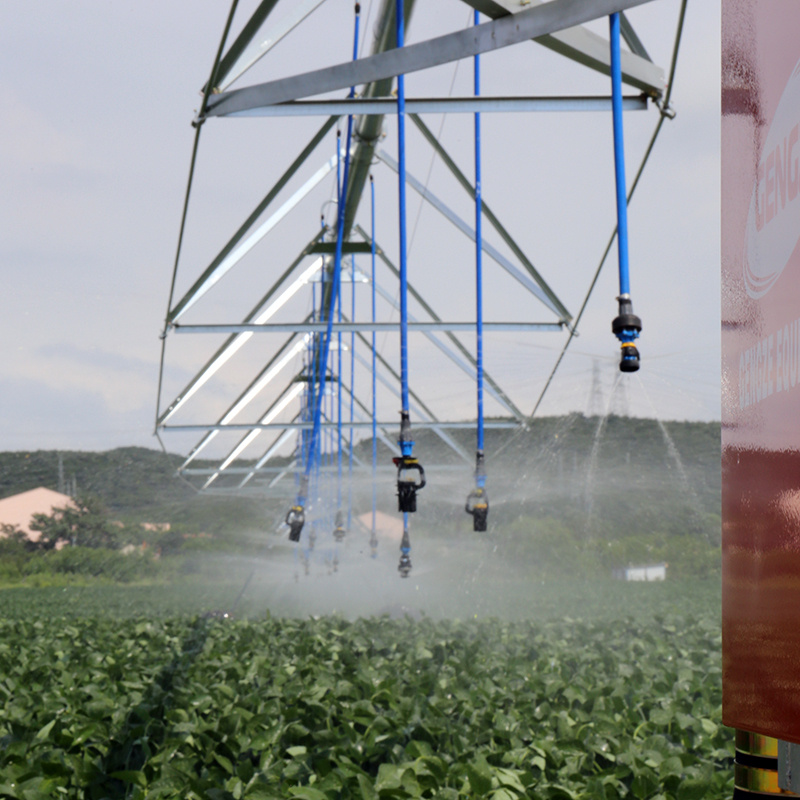
Center pivot irrigation systems are essential for optimizing water use in agriculture, particularly in large farmland areas. These systems allow for efficient irrigation of crops by delivering water directly to the root zone, reducing wastage and enhancing yield. For B2B buyers like purchasing managers and agricultural engineers, understanding the intricacies of center pivot irrigation is crucial when sourcing these systems. This article will delve into the quality factors, selection criteria, supplier options, applications, and materials involved in center pivot irrigation farmland, ensuring you make informed purchasing decisions.
When sourcing center pivot irrigation systems, several quality factors must be considered to ensure the system meets the specific needs of your farmland.
Material Quality: Look for irrigation system made from durable materials such as galvanized steel or high-density polyethylene, which can withstand harsh weather conditions and resist corrosion. The choice of materials affects not only longevity but also performance under varying soil and moisture conditions.
Design and Engineering: A well-engineered system ensures efficient water distribution and minimizes mechanical failures. Check for features such as adjustable pivot lengths and rotation speeds that can be tailored to your crops’ specific irrigation needs.
Control Systems: Modern center pivot systems often come with advanced control technologies, including remote monitoring and automation capabilities. These features can significantly enhance operational efficiency and reduce labor costs.
Warranty and Support: Ensure that the manufacturer offers a solid warranty and reliable customer support. This can be an indicator of the manufacturer's confidence in their product quality and their commitment to customer satisfaction.
Certifications and Standards: Look for products that comply with relevant agricultural standards and certifications. This ensures that the systems have been tested for quality and safety.
Selecting the right center pivot irrigation system requires careful consideration of several factors:
Field Size and Shape: Assess the size and shape of your farmland to determine the appropriate pivot length and configuration. Certain systems are better suited for irregularly shaped fields, while others excel in standard rectangular plots.
Soil Type and Crop Requirements: Different crops have varying water needs. Understanding the moisture requirements of your crops and the soil's water retention capacity can guide your choice in selecting a system that optimizes water delivery.
Water Source and Quality: Evaluate the availability and quality of your water source. Systems designed for high salinity or sediment levels may be necessary if your water quality is subpar.
Budget Considerations: Determine your budget not just for the initial purchase but also for installation, maintenance, and operational costs. More advanced systems may have higher upfront costs but could lead to better long-term savings.
Customization Options: Some manufacturers offer customization options to fit specific needs, including different nozzle types or additional features like Fertigation systems. Discuss these options to ensure the system aligns with your operational requirements.
Finding a reliable supplier for center pivot irrigation systems is crucial for ensuring quality and support. Consider the following avenues:
Industry Associations and Trade Shows: Attend agricultural trade shows and industry conventions where manufacturers showcase their latest innovations. This provides an excellent opportunity to meet suppliers and see their products firsthand.
Online Marketplaces and Directories: Platforms like Alibaba or specialized agricultural equipment directories can help you find suppliers. Look for established companies with positive reviews and ratings from previous customers.
Referrals and Networking: Leverage your professional network to get recommendations on trusted suppliers. Speaking with other agricultural professionals can provide insights into their experiences with specific manufacturers.
Manufacturer Websites: Research manufacturers like Dalian Gengze Agricultural Equipment Manufacturing Co., Ltd., which has a strong reputation for high-efficiency center pivot irrigation system. Their experience as an OEM for a leading U.S. irrigation brand can be an indicator of reliability and quality.
Local Distributors: Consider working with local distributors who understand the regional agricultural landscape and can provide tailored support and service.
Center pivot irrigation systems are versatile and can be used effectively across various farmland scenarios:
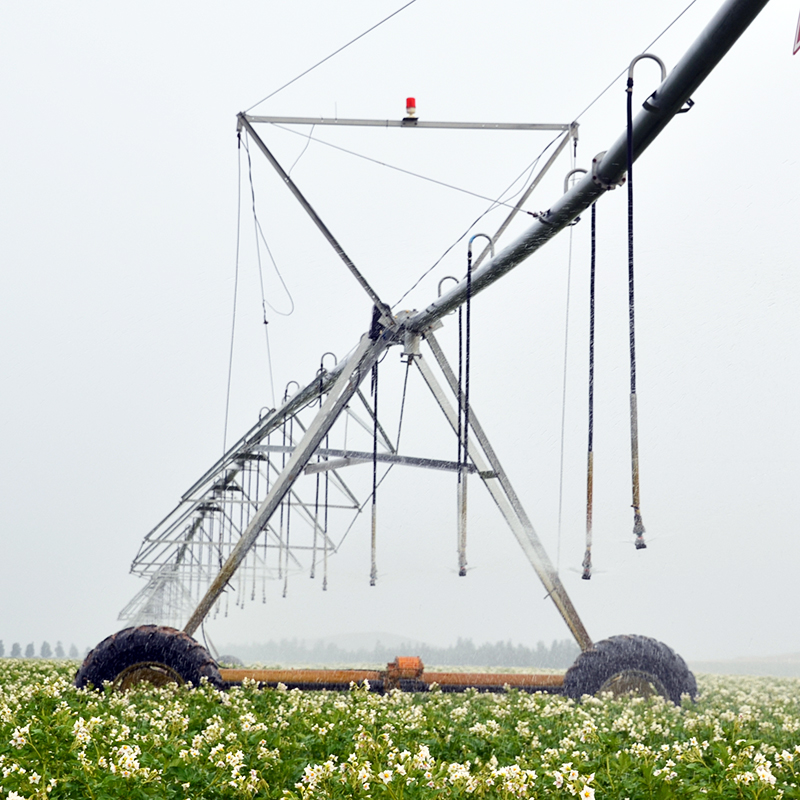
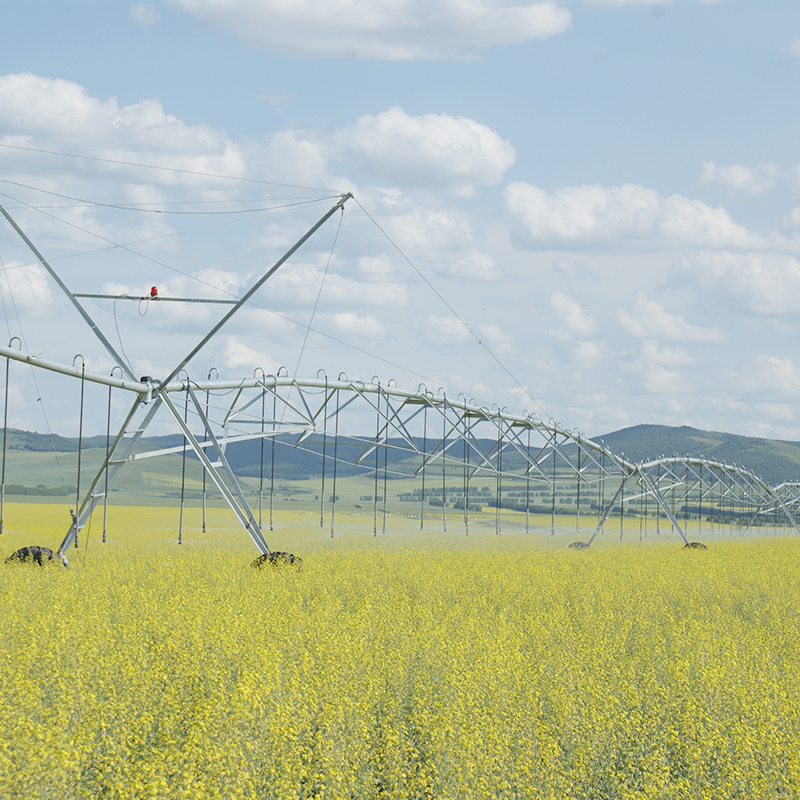
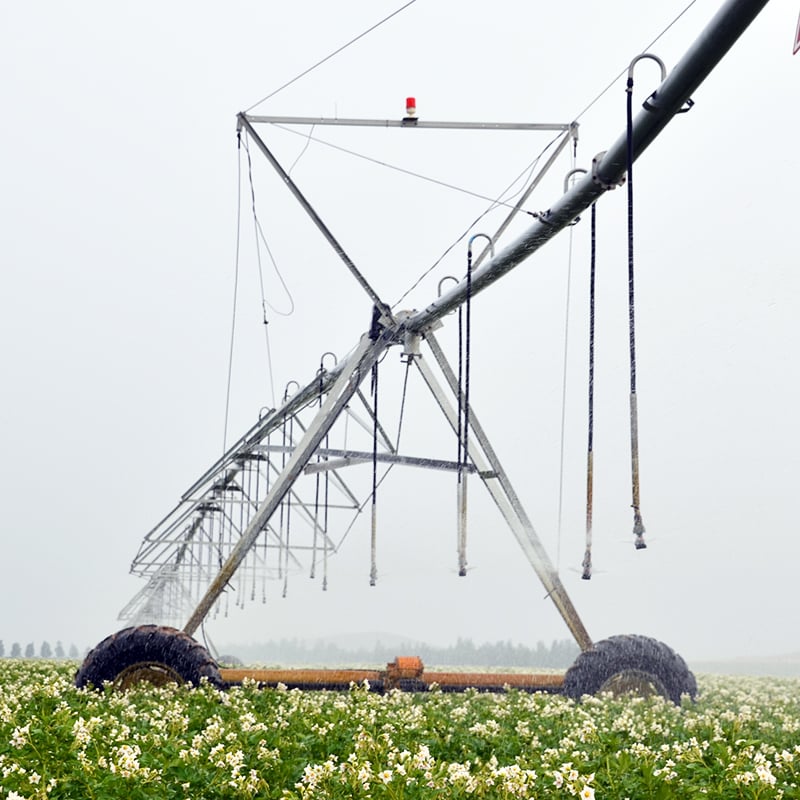
Row Crops: Ideal for row crops such as corn and soybeans, center pivots ensure even water distribution, which is critical for maximizing yields.
Fruits and Vegetables: These systems can be adjusted to provide precise watering for sensitive crops like tomatoes or melons, helping to maintain optimal growth conditions.
Pasture and Forage: Farmers can use center pivots to irrigate pastureland, ensuring that livestock have access to healthy forage year-round.
Reclamation Projects: In areas where soil moisture is a challenge, center pivot systems can assist in reclaiming land for agricultural use by providing consistent irrigation.
Specialty Crops: Certain high-value crops, such as vineyards or orchards, benefit from the ability to control water delivery precisely, adapting to their unique irrigation needs.
The materials used in constructing center pivot irrigation systems significantly impact their performance and longevity:
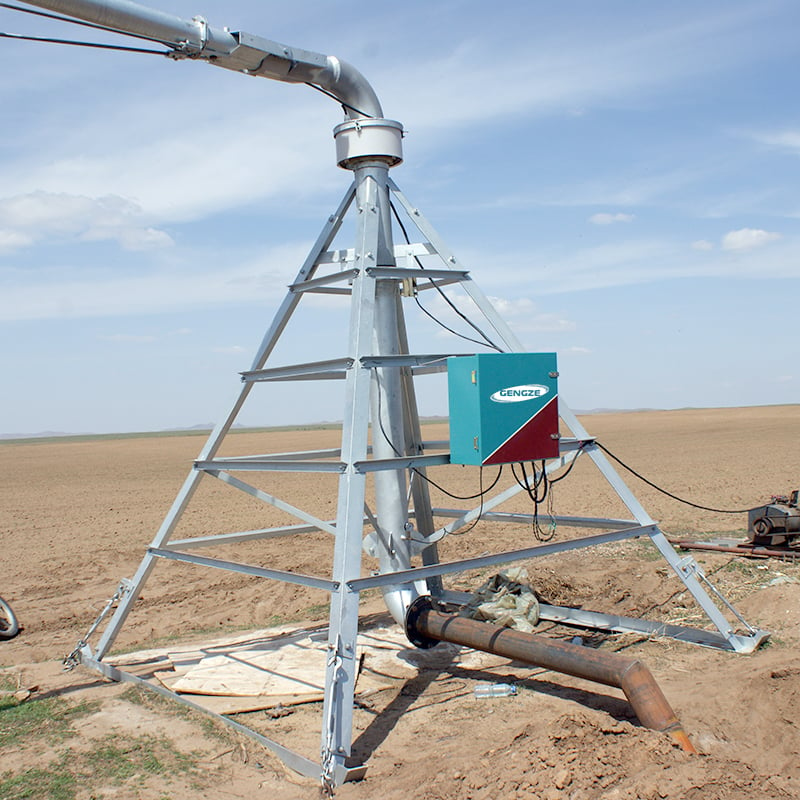
Structural Frame: Typically made from galvanized steel or aluminum, the frame must be robust enough to support the system while being lightweight for ease of movement.
Piping: High-density polyethylene (HDPE) is commonly used for piping due to its resistance to corrosion and ability to handle varying water pressures. The choice of pipe diameter is also critical, as it affects water delivery rates.
Wheels and Gearboxes: Durable materials in the wheels and gearboxes ensure that the pivot irrigation systems can handle rough terrain and maintain consistent movement across the field.
Nozzles: The materials and design of the nozzles play a crucial role in determining the uniformity of water application. Selecting the right nozzle type based on your crop and field conditions is essential.
Electronics and Controls: Quality electronic components that control the system's operation should be weather-resistant and reliable to ensure consistent performance throughout the irrigation season.
By understanding these materials and their implications, buyers can better assess which center pivot irrigation system will deliver the best value and performance for their specific agricultural needs.

Dalian Gengze Agricultural Equipment Manufacturing Co.,Ltd
Copyright © Dalian Gengze Agricultural Equipment Manufacturing Co.,Ltd All Rights Reserved | Blog | Privacy Policy
 EN