Requesting a Call:
Online Support
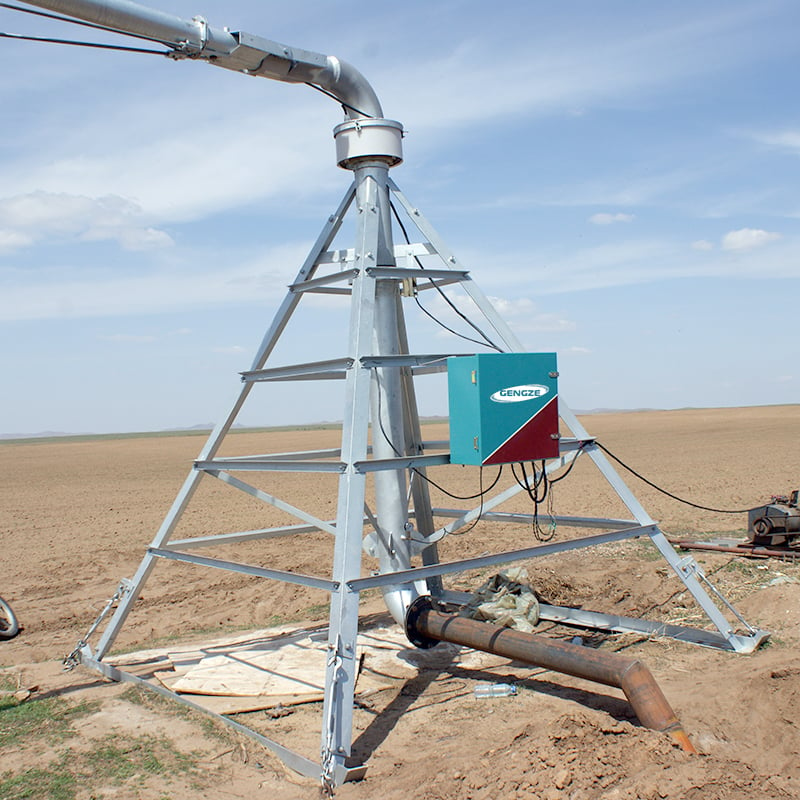
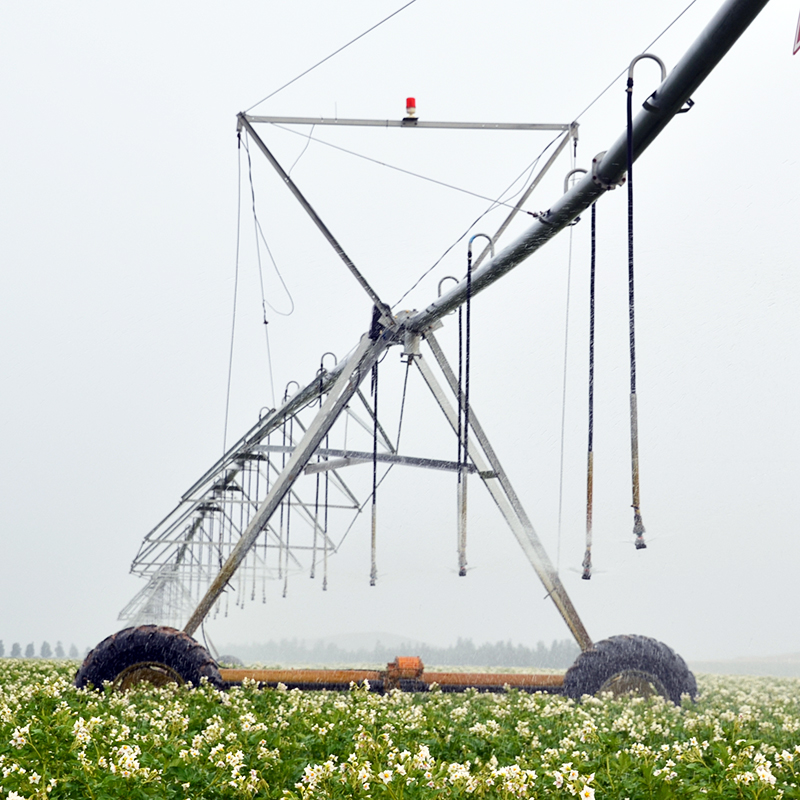
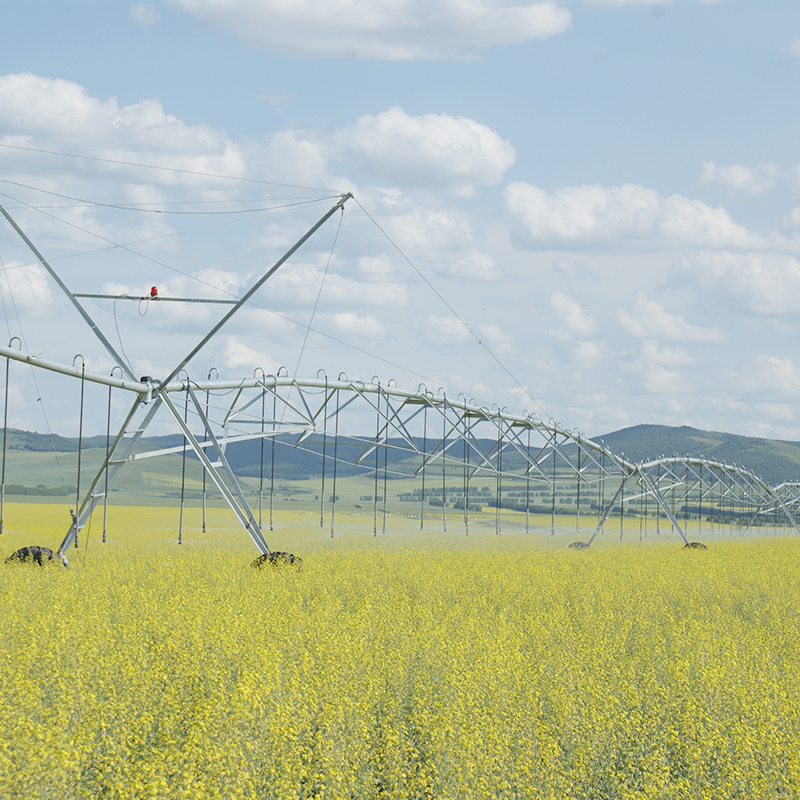
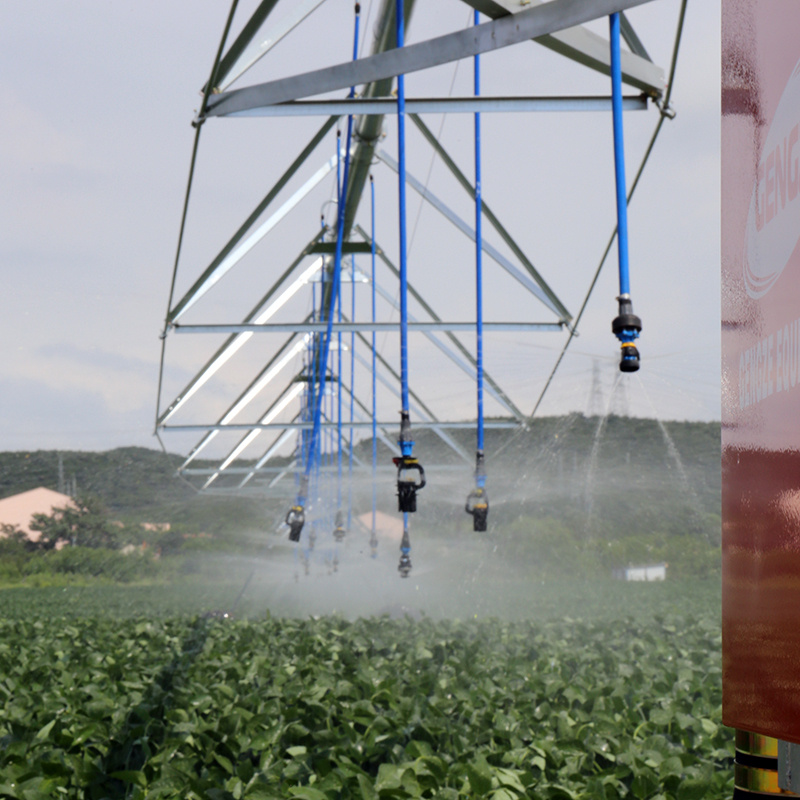
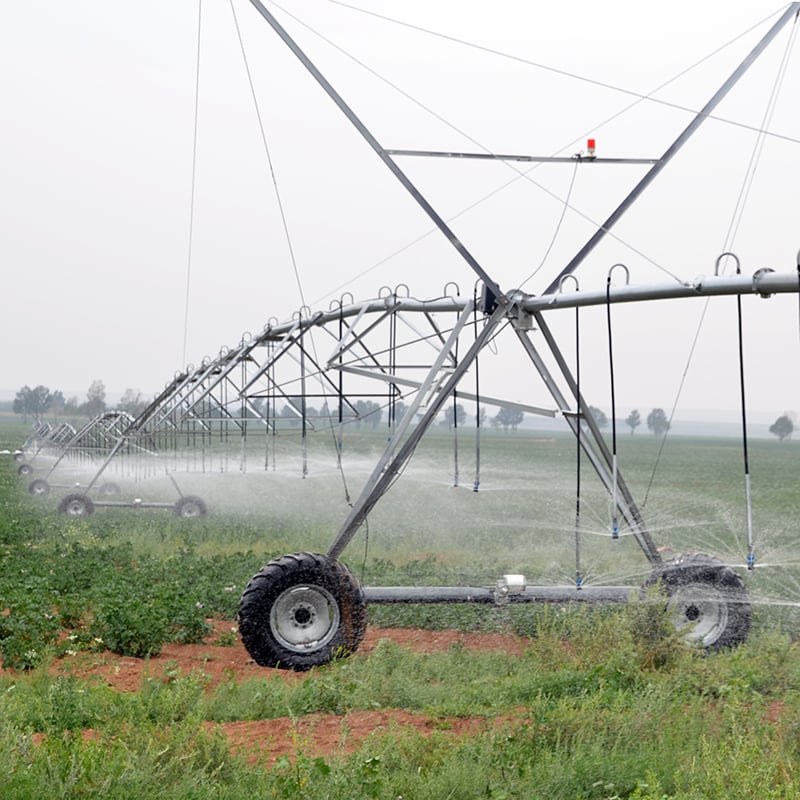
Center pivot irrigation systems play a crucial role in modern agriculture, enabling farmers to efficiently manage water resources and improve crop yields. As a leading center pivot irrigation manufacturer for sale, Dalian Gengze Agricultural Equipment Manufacturing Co., Ltd. provides high-quality solutions that cater to the diverse needs of global farmers. This article will address key specifications, cost comparisons, supplier evaluation, installation tips, and common issues related to center pivot irrigation, ensuring that B2B buyers are well-informed before making a purchasing decision.
When evaluating center pivot irrigation systems, several specifications are critical to ensuring optimal performance. Key factors to consider include:
Span Length: This refers to the distance between the pivot point and the outermost end of the system. Span lengths can vary, typically ranging from 100 to 1,500 feet, depending on the field size and crop type. Longer spans can cover more ground but may require additional support structures and stronger materials to maintain stability.
Water Application Rate: This specification indicates how much water the system can deliver per acre per hour, usually measured in inches. The appropriate application rate will depend on soil type, crop needs, and climate conditions. Over or under-irrigating can lead to poor crop performance, making it essential to select a system that matches the specific requirements.
Pump Capacity: The pump must be capable of supplying the necessary water volume and pressure to the pivot system. Buyers should assess their water source and calculate the required pump capacity to ensure efficient operation.
Material Quality: The durability of the pivot structure, typically constructed from steel or aluminum, directly impacts the system's longevity. High-quality materials can withstand environmental stressors such as wind, rain, and corrosion, making them a crucial consideration for any B2B buyer.
Control System: Modern center pivot systems often feature advanced control technologies that allow for remote monitoring and adjustments. Buyers should consider systems that offer user-friendly interfaces and compatibility with existing farm management software.
Understanding these specifications will help buyers choose a center pivot irrigation systems that meets their operational needs while maximizing efficiency and crop yield.
When comparing center pivot irrigation systems, several factors influence cost beyond the initial purchase price. Here are critical aspects to consider:
System Size: The scale of the irrigation system significantly impacts costs. Larger systems may have higher upfront costs but can provide better efficiency and coverage in the long run.
Installation Costs: Depending on the complexity of the system and the terrain, installation costs can vary. Buyers should request detailed quotes that include installation to gain a comprehensive view of total costs.
Maintenance Expenses: Ongoing maintenance is essential for optimal system performance. Buyers should inquire about the expected maintenance requirements and costs associated with different systems.
Water Efficiency: Systems that provide better water utilization can save money in the long run. While these may have a higher initial cost, the savings on water usage and improved crop yields can offset the investment.
Financing Options: Some manufacturers offer financing options that can spread the cost over time, making it easier for buyers to manage their budgets.
By carefully evaluating these factors, B2B buyers can make informed decisions that align with their financial and agricultural goals.
Finding a trustworthy supplier for center pivot irrigation systems is essential for ensuring quality and reliability. Here are some tips for identifying reputable manufacturers:
Industry Reputation: Research suppliers with a strong track record in the agricultural equipment industry. Look for companies with positive customer reviews and testimonials, as these can provide insights into their reliability and product performance.
Certifications and Standards: Verify if the manufacturer adheres to industry standards and certifications, which can indicate a commitment to quality and safety.
Product Range: A broad product offering can suggest that the supplier has extensive industry experience and can cater to various customer needs. Suppliers specializing in center pivot irrigation systems should have a diverse range of models and configurations.
Customer Support: Evaluate the level of customer service provided by the supplier. Responsive communication and support can be invaluable, especially during installation and maintenance phases.
Warranty and Service Agreements: A solid warranty and service agreement can provide peace of mind. Ensure that the supplier offers comprehensive support, including maintenance services and parts availability.
By focusing on these factors, buyers can identify reliable suppliers, such as Dalian Gengze Agricultural Equipment Manufacturing Co., Ltd., known for its commitment to quality and customer satisfaction.
Proper installation of center pivot irrigation systems is crucial to ensure optimal performance. Here are some tips to consider during the installation process:
Site Assessment: Before installation, conduct a thorough assessment of the field to determine the optimal pivot path and any potential obstacles. This evaluation should include soil type, topography, and proximity to water sources.
Choose the Right Components: Select components that match the specific needs of the field and crops. This includes choosing the appropriate span length, pump capacity, and control system, based on the earlier discussed specifications.
Professional Installation: Consider hiring experienced professionals for the installation process. Proper installation is vital for system efficiency and longevity, and skilled technicians can ensure that all components are correctly aligned and functioning.
Testing: Once installed, thoroughly test the system to ensure it operates as expected. Check for uniform water distribution and monitor for any leaks or malfunctions.
Training: Provide training for personnel who will operate the system. Familiarity with the control systems and maintenance requirements will help ensure smooth operation.
By following these installation tips, buyers can maximize the efficiency and effectiveness of their center pivot irrigation systems.
Despite their effectiveness, center pivot irrigation systems can encounter various issues. Here are some common problems and their respective solutions:
Uneven Water Distribution: This problem can arise from misaligned components or clogged nozzles. Regularly inspect and clean the nozzles and ensure that the pivot is correctly aligned to achieve even water distribution.
Mechanical Failures: Wear and tear on mechanical parts can lead to operational failures. Implementing a regular maintenance schedule that includes inspecting gears, wheels, and drive systems can help prevent breakdowns.
Control System Malfunctions: Issues with the control system can disrupt operation. Ensure that the control software is regularly updated and that any faults are diagnosed and resolved promptly.
Soil Compaction: Over time, the weight of the pivot system can lead to soil compaction, affecting water infiltration. To mitigate this, rotate the pivot path periodically and use lighter materials where possible.
Weather-Related Damage: Severe weather can cause physical damage to the system. Implementing protective measures, such as securing components during storms, can help reduce the risk of damage.
By being aware of these common problems and their solutions, buyers can maintain the efficiency of their center pivot irrigation systems and ensure long-term productivity.
In summary, understanding the specifications, costs, supplier evaluation, installation, and potential issues surrounding center pivot irrigation circles equips B2B buyers with the knowledge necessary for making informed purchasing decisions. Dalian Gengze Agricultural Equipment Manufacturing Co., Ltd. is positioned to provide high-quality solutions tailored to meet the needs of agricultural professionals around the globe.

Dalian Gengze Agricultural Equipment Manufacturing Co.,Ltd
Copyright © Dalian Gengze Agricultural Equipment Manufacturing Co.,Ltd All Rights Reserved | Blog | Privacy Policy
 EN