Requesting a Call:
Online Support
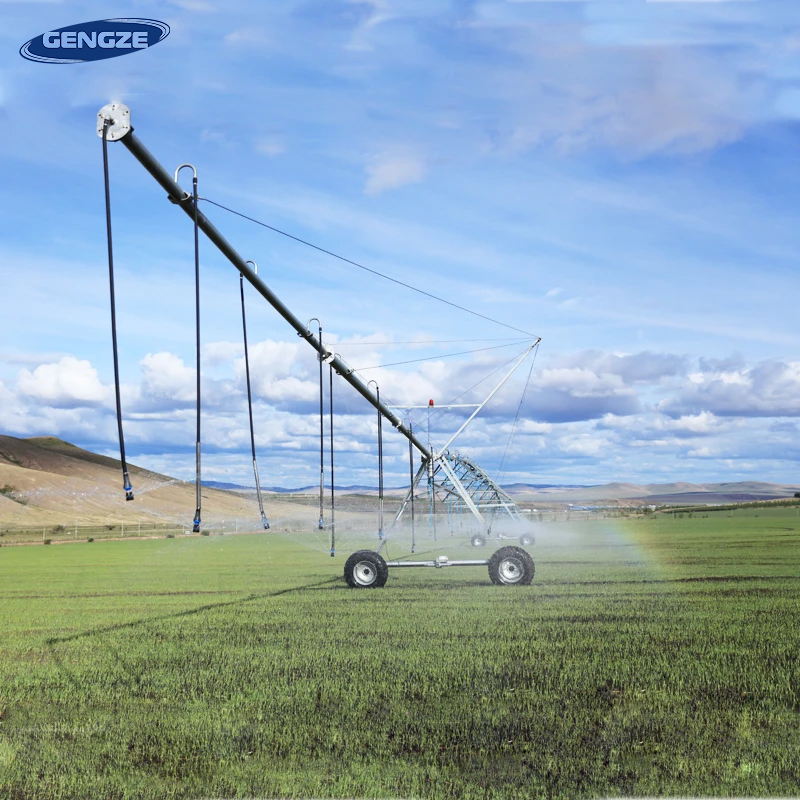
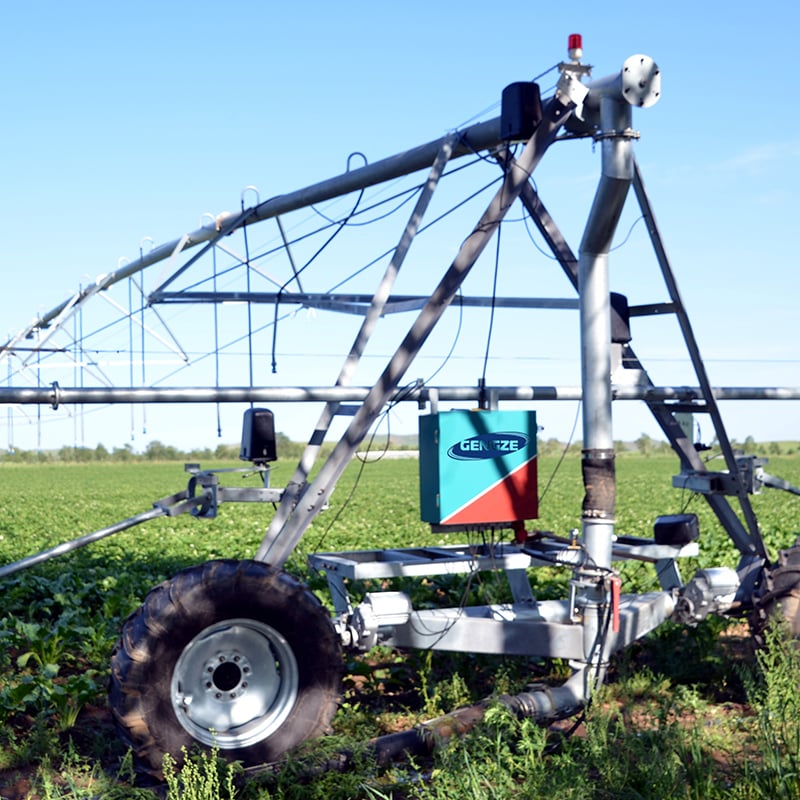
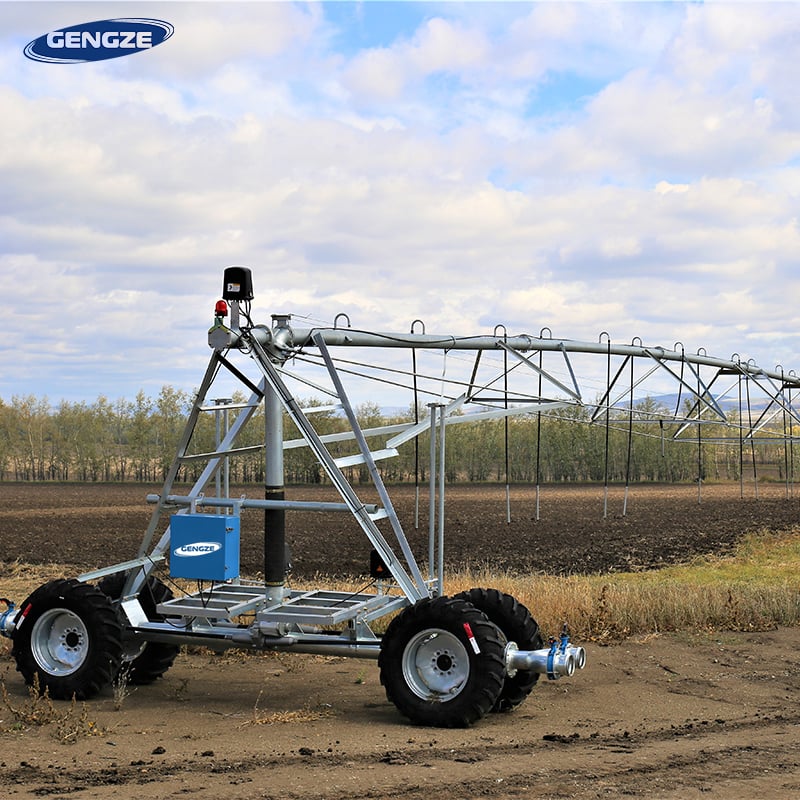
Center pivot irrigation circles are essential tools in modern agriculture, designed to maximize water efficiency while minimizing labor and operational costs. These systems enable farmers to irrigate large areas uniformly, using a rotating arm mechanism that delivers water precisely where it's needed. As a purchasing manager or agricultural engineer, you may have specific concerns such as the quality of the system, installation requirements, cost factors, and their applications in various farming scenarios. This article will help you evaluate center pivot irrigation systems, guiding you through the critical aspects of selection, installation, cost considerations, and applications in modern agriculture.
Evaluating the quality of center pivot irrigation circles entails considering several key factors. First, the materials used are crucial; high-quality steel or corrosion-resistant alloys are preferable for the framework and moving components to ensure durability in varying environmental conditions. Additionally, the design of the system should allow for smooth rotation and minimal friction, which enhances the lifespan and efficiency of the system.
Next, examine the manufacturing processes and quality control measures implemented by the manufacturer. A reputable company, like Dalian Gengze Agricultural Equipment Manufacturing Co., Ltd, often employs rigorous testing protocols to ensure that each unit meets established performance standards. Look for certifications that may indicate compliance with industry standards, such as ISO certifications, which reflect a commitment to quality and safety.
Finally, consider the track record of the manufacturer in producing reliable agricultural equipment. Established companies with extensive experience in the industry are more likely to offer high-quality products backed by years of practical knowledge and customer feedback.
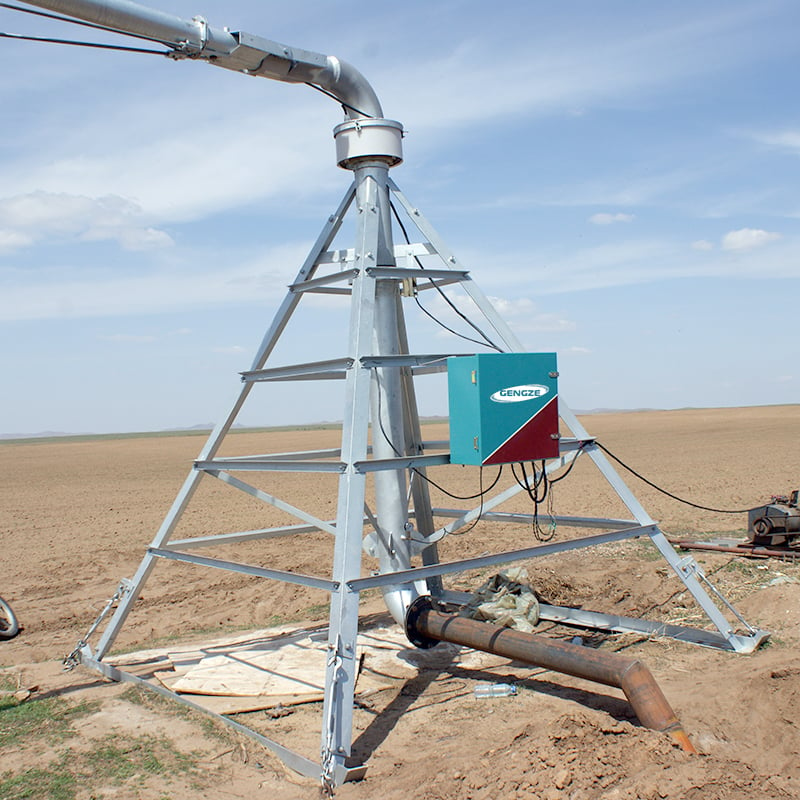
Proper installation of center pivot irrigation systems is critical for optimal performance. Before installation, ensure that the site is adequately surveyed to determine the appropriate layout based on field dimensions and topography. This includes identifying any obstacles, such as trees or buildings, that may interfere with the system's operation.
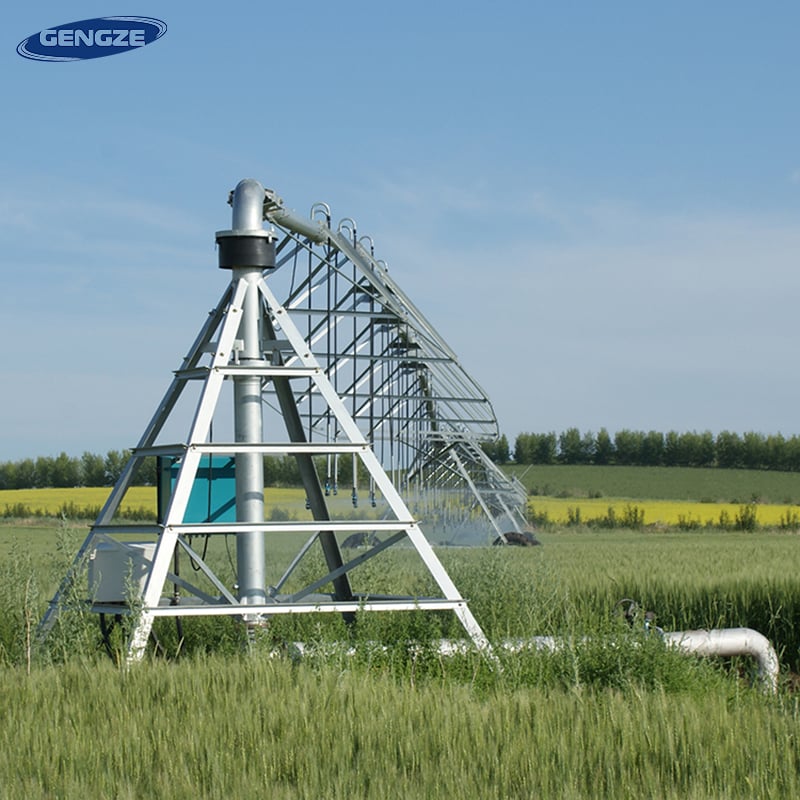
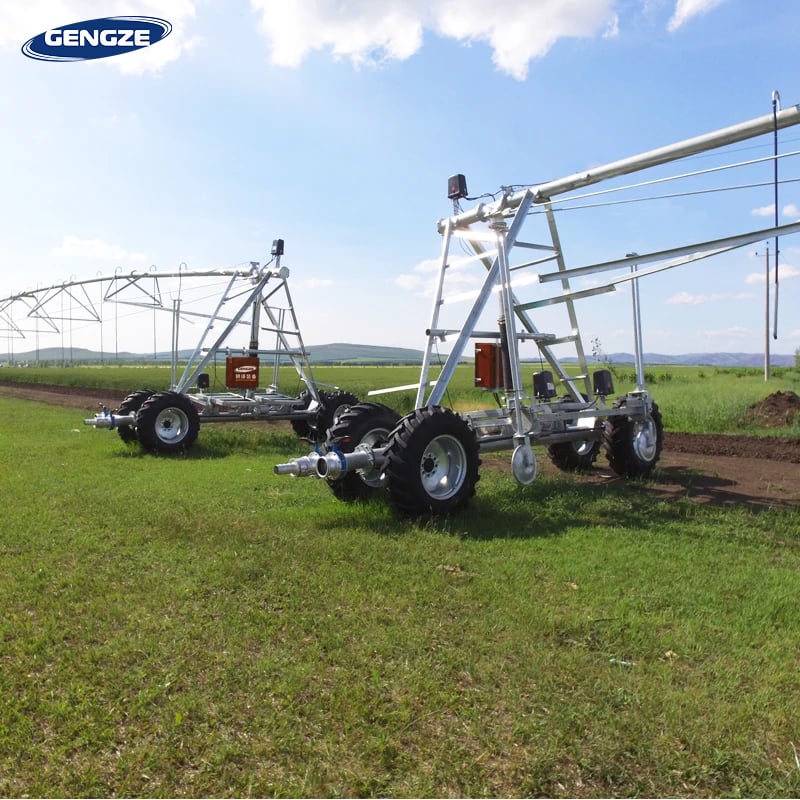
The installation process typically involves assembling the pivot structure, which requires precise alignment of the mainline and lateral components. It's advisable to follow the manufacturer's guidelines closely, paying special attention to leveling the system to prevent uneven water distribution. Additionally, ensure that the electrical and water supply connections are correctly installed and tested before the system is put into operation.
After installation, conducting a trial run is crucial. This allows for adjustments to be made to the system’s trajectory and speed settings, ensuring that water is distributed evenly across the entire field. Regular maintenance checks post-installation will also help in identifying any potential issues early on.
When evaluating the cost of center pivot irrigation circles, several factors come into play. The initial purchase price of the system can vary significantly based on its size, materials, and features. Larger systems designed for extensive fields will generally cost more, but they also offer greater efficiency and potentially lower operational costs over time.
Operational costs should also be evaluated, including energy consumption, water costs, and maintenance expenses. A system with energy-efficient components may have a higher upfront cost but can save money in the long run through reduced utility bills.
Additionally, consider the total cost of ownership, which includes installation, repairs, and any necessary upgrades. Some manufacturers, like Dalian Gengze, may offer comprehensive service packages that cover these aspects, providing a clearer picture of long-term costs.
Lastly, always request detailed quotations from multiple suppliers and compare the specifications and services offered. This will help you ensure you are making a cost-effective decision while meeting all operational needs.
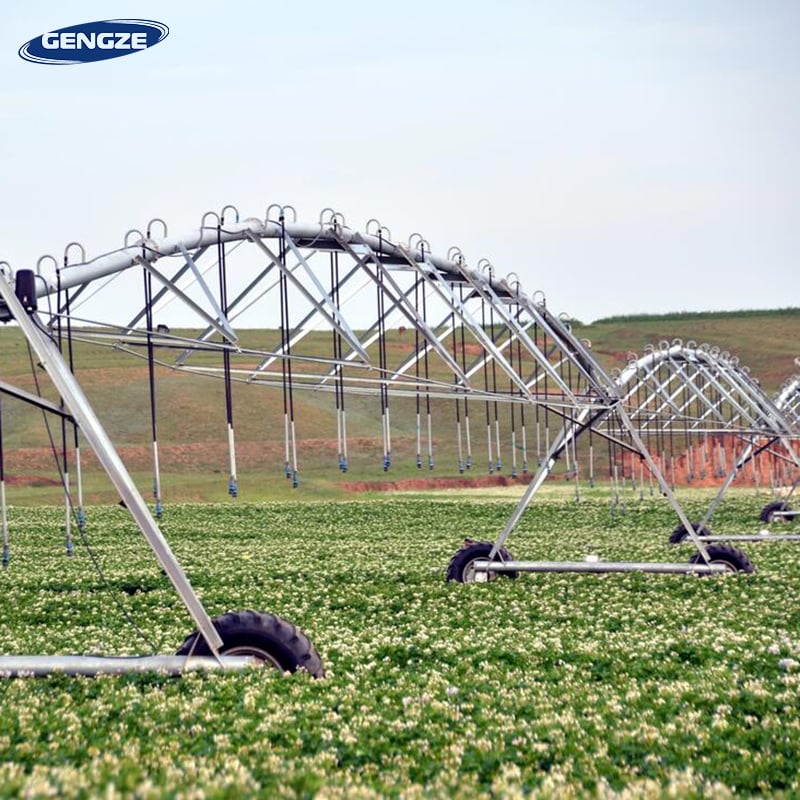
Center pivot irrigation systems are versatile and applicable across various agricultural sectors. They are particularly effective for irrigating large, flat fields of row crops such as corn, soybeans, and wheat, where uniform water distribution is vital for crop yield. The ability to adjust the pivot speed and water application rates allows farmers to tailor irrigation schedules based on crop needs and weather conditions.
In addition to row crops, these systems can also be employed for specialty crops such as vegetables, fruits, and nuts. Farmers can utilize different nozzle configurations to manage water application rates effectively, accommodating the specific needs of diverse crops.
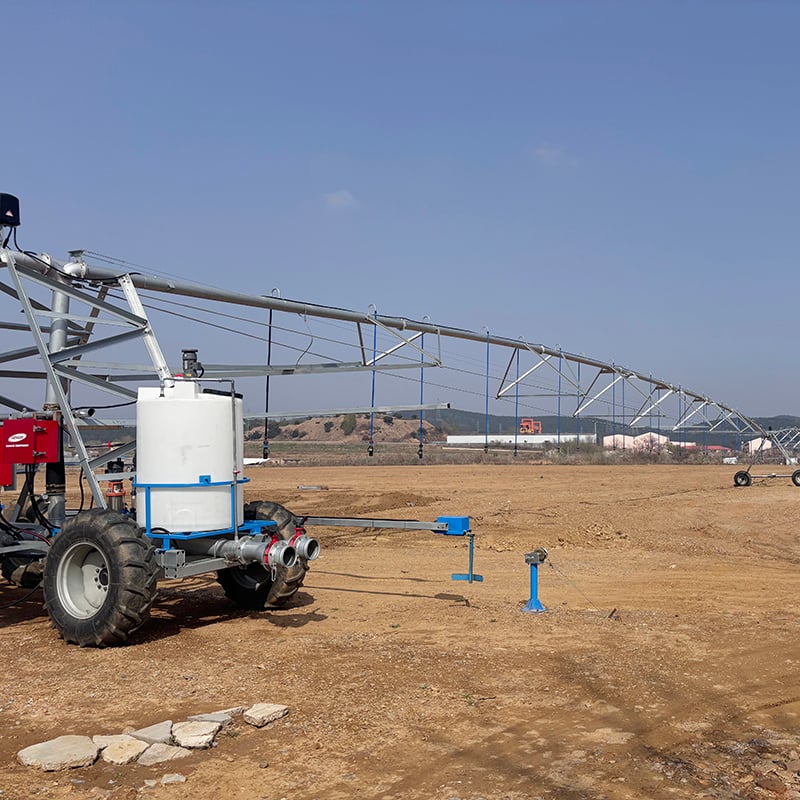
Moreover, center pivot irrigation systems can be integrated with advanced technologies, such as soil moisture sensors and automated controls, allowing for precision agriculture practices. This integration helps optimize water use and improve crop health, ultimately enhancing productivity and sustainability in farming operations.
When preparing to purchase center pivot irrigation circles, buyers should gather comprehensive information to ensure a successful acquisition. Start by determining the specific requirements of your agricultural operation, including field size, crop types, and water sources. This will guide you in selecting the right system size and configuration.
Request detailed specifications from potential suppliers, including dimensions, material types, and features such as control systems and automation capabilities. It's also essential to discuss customization options that may be necessary for your unique operational needs.
Before finalizing a purchase, verify the supplier's reputation and customer service capabilities. A reliable manufacturer will provide support throughout the purchasing process, including installation guidance and after-sales service. Always ask for customer references or case studies to understand better how their systems have performed in similar applications.
Finally, be prepared to discuss financial aspects, including pricing, payment terms, and warranty details. Reviewing these factors upfront can help prevent misunderstandings and ensure a smooth purchasing experience.
By following these guidelines, you can make informed decisions regarding center pivot irrigation equipment circles that will enhance your agricultural productivity and efficiency.

Dalian Gengze Agricultural Equipment Manufacturing Co.,Ltd
Copyright © Dalian Gengze Agricultural Equipment Manufacturing Co.,Ltd All Rights Reserved | Blog | Privacy Policy
 EN