Requesting a Call:
Online Support
Irrigation circles are essential tools in modern agriculture, enabling efficient water distribution across vast fields to ensure optimal crop growth. As a B2B buyer, understanding the intricacies of circle irrigation system is crucial for making informed purchasing decisions. This article will address common buyer concerns such as product specifications, performance, and cost factors, providing practical insights to help you evaluate the best options for your agricultural projects.
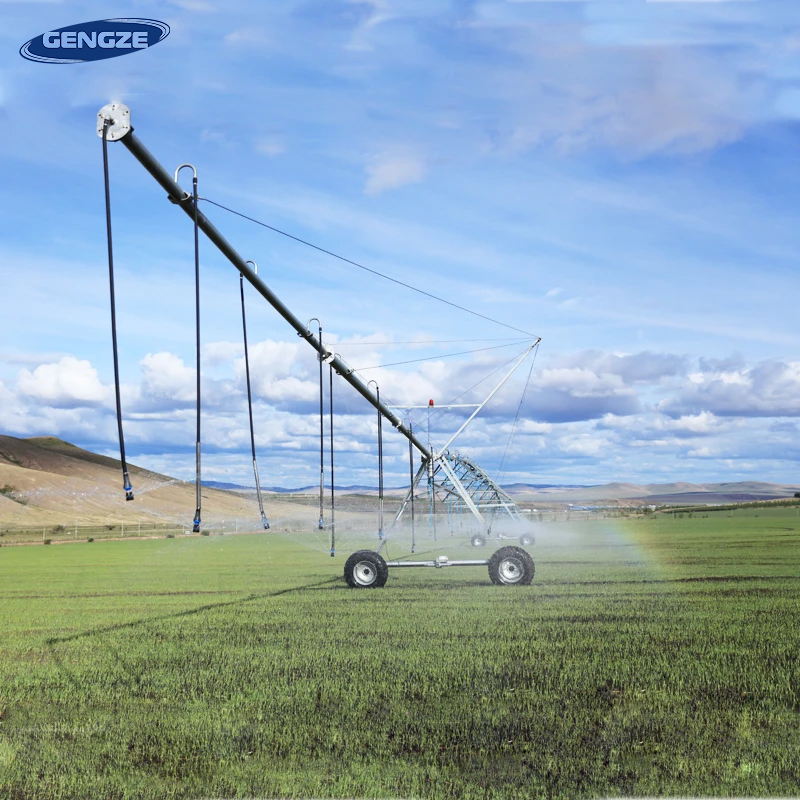
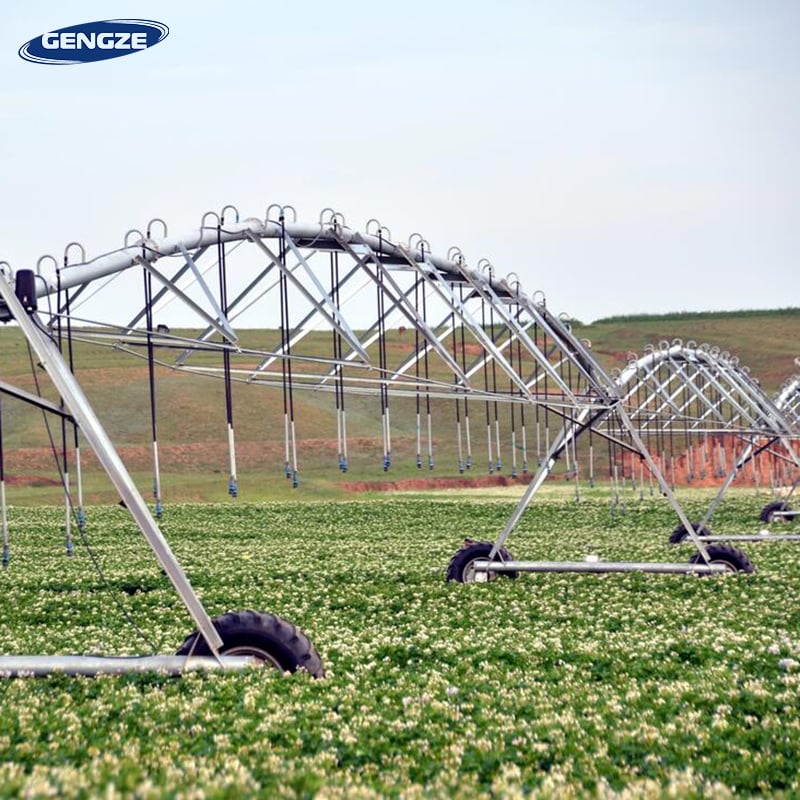
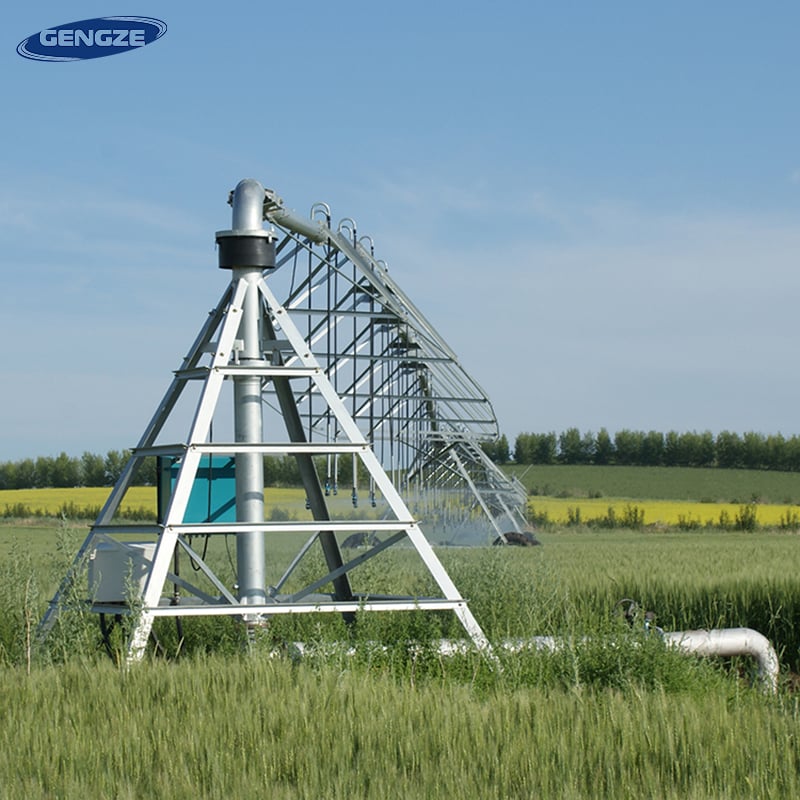
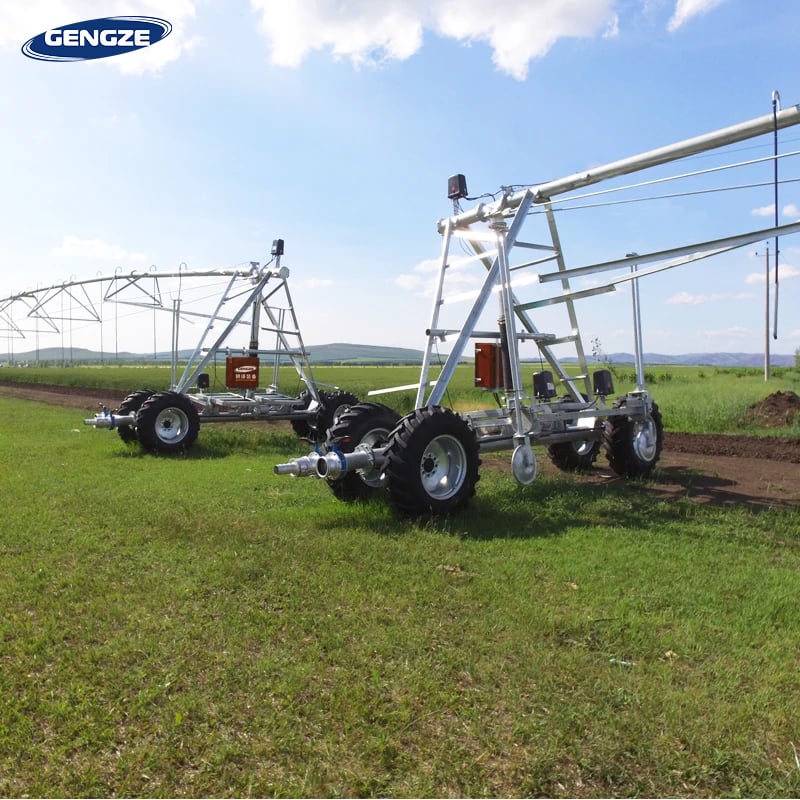
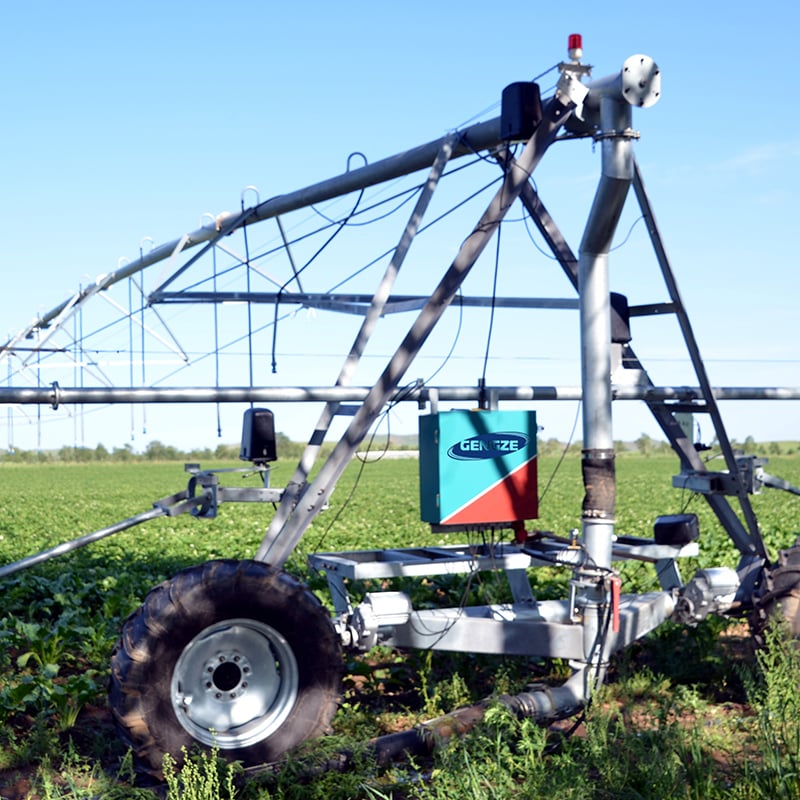
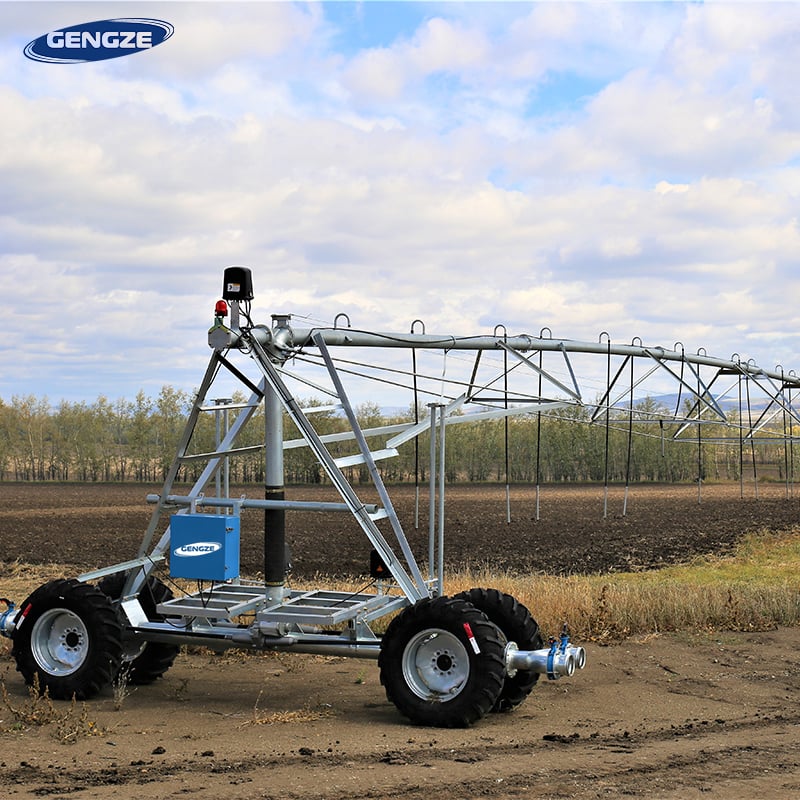
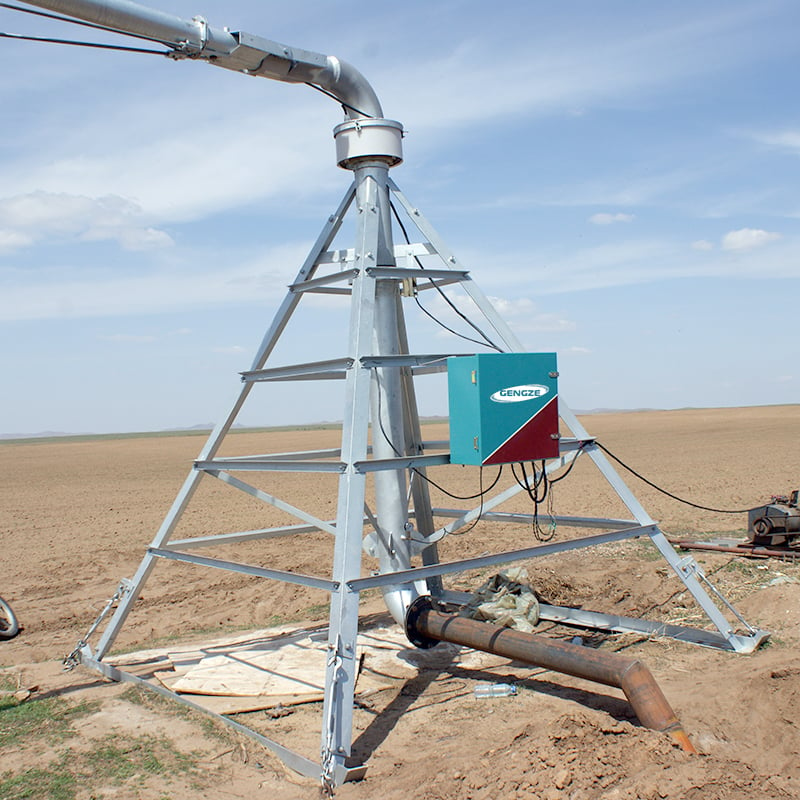
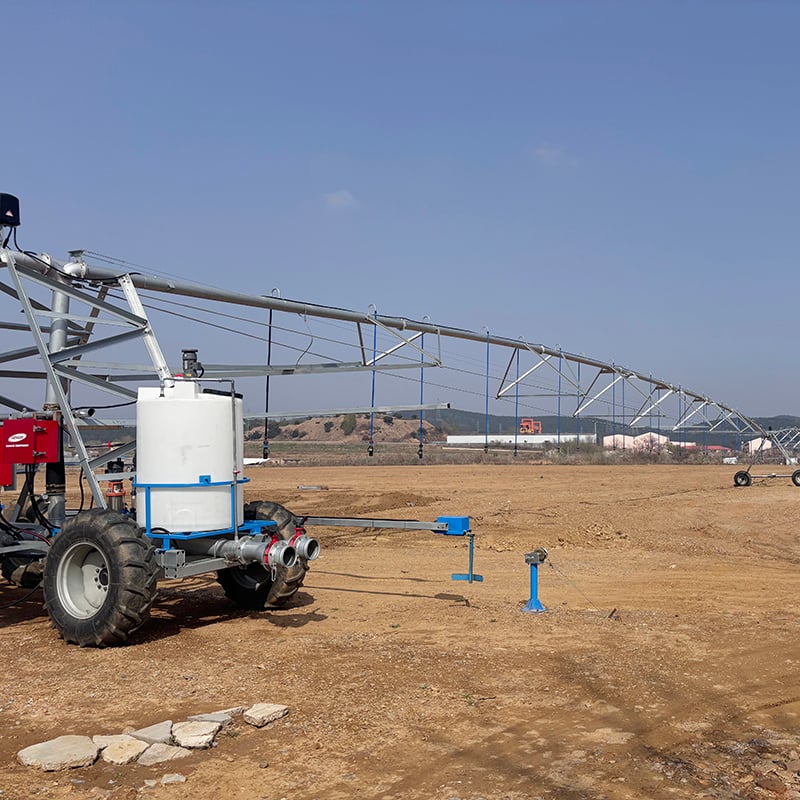
Irrigation circles, also known as center pivot systems, are automated systems that rotate around a pivot point to uniformly distribute water across agricultural fields. These systems consist of a series of connected pipes equipped with sprinklers that release water as the circle moves around the pivot. Key specifications to consider when evaluating centre irrigation include the radius of coverage, the type of water application (sprinkler size, spacing), and the materials used in construction.
When selecting an irrigation circle, it's crucial to consider the specific needs of your crops and the layout of your fields. Factors such as soil type, crop water requirements, and local climate conditions should guide your choice of system. Dalian Gengze Agricultural Equipment Manufacturing Co., Ltd, with over 20 years of experience and a reputation for high-efficiency agricultural equipment, offers a range of customizable irrigation solutions tailored to meet diverse agricultural demands.
When comparing irrigation circles for your projects, focus on several critical factors:
Coverage Area and Radius: Determine the radius of the irrigation circle to ensure it meets the size requirements of your fields. Common radii can range from 100 to 600 feet, depending on your farming needs.
Water Application Rate: Evaluate the type of sprinklers used in the system. Different models have varying application rates, which can affect water efficiency and crop health. Ensure the system's application rate aligns with the water requirements of your crops.
Material and Durability: Look for systems made from high-quality materials that can withstand harsh weather and operating conditions. Galvanized steel and durable plastics are commonly used and should be assessed for their corrosion resistance and longevity.
Automation and Control Systems: Modern circular irrigation often include advanced automation features that allow for precise control over watering schedules and amounts. Consider systems that offer remote monitoring and control capabilities for enhanced efficiency.
Customization Options: As every farm has unique requirements, evaluate the customization capabilities of the irrigation system to ensure it can be tailored to your specific agricultural practices.
To achieve optimal performance from your irrigation circle, regular maintenance and timely inspections are essential. Here are key practices to consider:
Routine Checkups: Periodically inspect the system for any signs of wear, leaks, or blockages. Addressing these issues promptly can prevent costly downtime during critical watering periods.
Calibration: Ensure that the sprinklers are calibrated correctly to achieve the desired water application rates. This will help prevent over or under-watering, which can adversely affect crop yields.
Seasonal Preparation: Before the irrigation season starts, conduct comprehensive system checks. This includes testing the motor, checking electrical connections, and verifying that all moving parts function smoothly.
Soil Moisture Monitoring: Incorporate soil moisture sensors to monitor the water needs of your crops. This technology can provide valuable data to optimize irrigation schedules and enhance water efficiency.
Training and Education: Ensure that staff operating the irrigation system are trained on its functionality and maintenance requirements. Knowledgeable personnel can help maximize the performance of the irrigation circle.
While irrigation circles are designed for reliability, several common issues may arise:
Uneven Water Distribution: This can occur due to improper calibration of sprinklers or blockages in the nozzles. Regular maintenance and recalibration are essential to ensure uniform water application.
Mechanical Failures: Components such as gearboxes or motors may fail due to wear or lack of lubrication. Implementing a routine maintenance schedule can help identify wear early and prevent breakdowns.
Soil Compaction: Heavy machinery can lead to soil compaction, affecting water infiltration. To mitigate this, consider implementing controlled traffic farming practices or using lighter-weight equipment.
System Damage from Weather: Harsh weather conditions, such as high winds or hail, can damage irrigation systems. Investing in protective measures, like windbreaks or temporary coverings, can help shield the system from severe weather events.
Inadequate Water Source: Ensure that your water source can meet the demands of the irrigation system. Conduct a thorough analysis of your water supply and consider additional storage solutions if necessary.
When purchasing irrigation circles in bulk, several cost factors should be considered:
Initial Investment: Evaluate the upfront costs of the systems, including installation. While lower-priced options may seem attractive, consider the long-term value and durability of the systems.
Operating Costs: Consider ongoing expenses such as energy consumption, maintenance, and repairs. Systems with higher efficiency ratings may lead to lower operating costs over time.
Customization Fees: If customization is required, factor in any additional costs associated with tailoring the irrigation system to your specific needs.
Volume Discounts: Many manufacturers, including Dalian Gengze, offer discounts for bulk purchases. Inquire about pricing structures that may reduce the overall investment.
Financing Options: Explore financing options that may be available through manufacturers or third-party lenders. This can help manage cash flow while investing in essential agricultural equipment.
By understanding these critical aspects of irrigation circles, you can make informed decisions that not only meet your operational needs but also enhance the efficiency and productivity of your agricultural practices.

Dalian Gengze Agricultural Equipment Manufacturing Co.,Ltd
Copyright © Dalian Gengze Agricultural Equipment Manufacturing Co.,Ltd All Rights Reserved | Blog | Privacy Policy
 EN