Requesting a Call:
Online Support
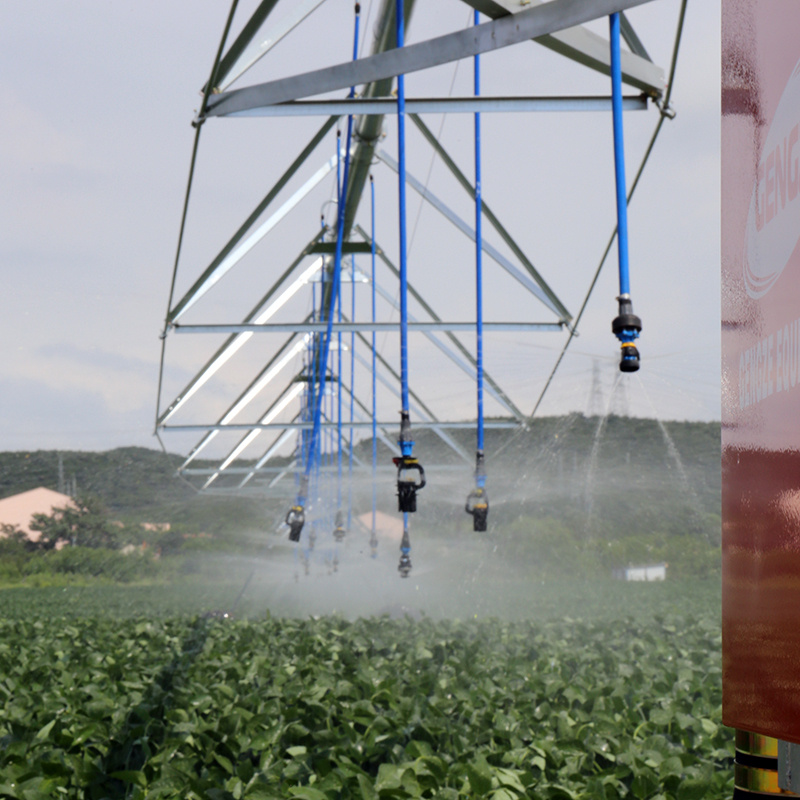
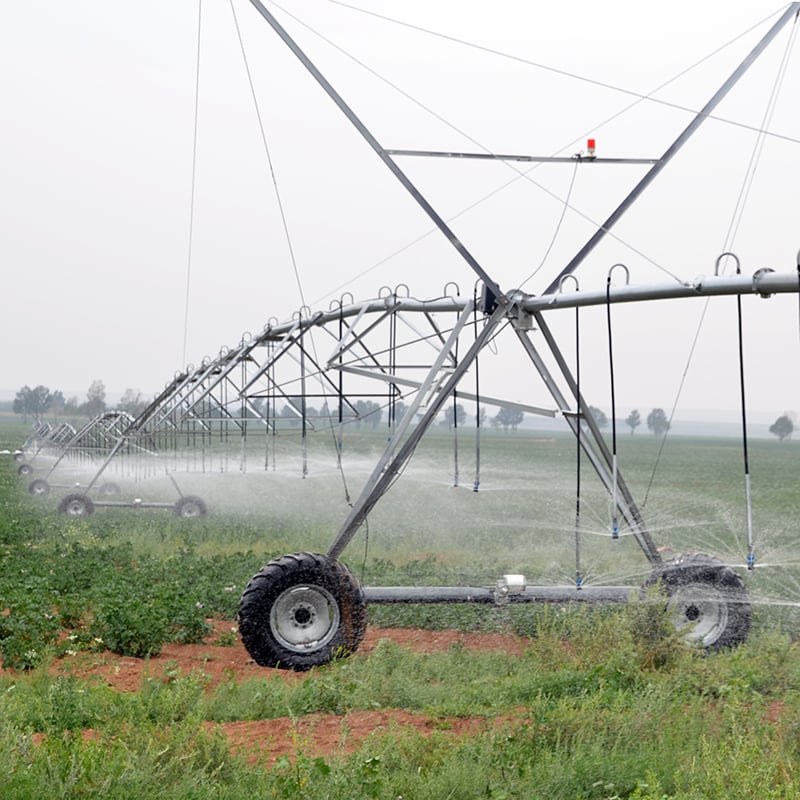
In the world of agriculture, efficient irrigation is crucial for maximizing crop yields and minimizing water waste. Center pivot irrigation systems are popular for their effectiveness in achieving these goals. As a potential buyer, understanding the center pivot irrigation supplier cost and the various factors influencing it is essential. This article will guide you through key considerations when selecting a supplier, comparing costs, and evaluating the quality of equipment, helping you make informed purchasing decisions.
Selecting a dependable center pivot irrigation supplier requires careful evaluation of several key aspects. First, assess the supplier’s experience in the industry. A supplier like Dalian Gengze Agricultural Equipment Manufacturing Co., Ltd, with over 20 years of expertise, provides assurance of their knowledge in agricultural equipment manufacturing.
Next, review the supplier's product range and customization capabilities. A good supplier should offer a variety of center pivot systems suited for different crop types and field conditions. For example, Gengze’s ability to customize products based on specific farming needs can enhance efficiency and effectiveness.
Additionally, consider the supplier’s manufacturing processes and quality control measures. A supplier with robust quality assurance practices will likely yield more reliable and durable products. Request information about certifications and testing procedures to ensure compliance with industry standards.
Lastly, evaluate customer support and after-sales service. A reliable supplier should provide comprehensive support, including installation guidance, maintenance advice, and prompt response to inquiries.
When comparing costs associated with center pivot irrigation systems, several factors come into play. The initial purchase price is often the first consideration; however, it's essential to look beyond this figure.
Evaluate the total cost of ownership, which includes installation, maintenance, and potential repair costs. A lower initial cost may lead to higher long-term expenses if the equipment is prone to breakdowns or requires frequent servicing.
Next, consider the specifications of the system, such as the size of the pivot, the materials used, and the technology incorporated. Systems with advanced features like automated controls or sensors may have a higher upfront cost but can lead to significant water savings and improved crop management over time.
Furthermore, gather quotes from multiple suppliers to understand the market price ranges and avoid overpaying. Remember to clarify what is included in the quote, such as warranty terms, installation services, and any additional equipment that may be necessary.
Several factors influence the pricing of center pivot irrigation system. First, the complexity and size of the system play a significant role. Larger systems designed for extensive fields will naturally cost more due to the additional materials and engineering involved.
Material quality is another critical factor. Systems made from high-quality, durable materials may have a higher upfront cost but will often result in lower maintenance and replacement expenses over their lifespan.
The level of technology integrated into the system can also affect pricing. Systems equipped with advanced features such as variable rate irrigation, remote monitoring, and automation typically command higher prices but can lead to increased efficiency and reduced water usage.
Lastly, geographic location and logistics can influence costs. Suppliers must consider shipping expenses and local market conditions when pricing their products. Engaging with a manufacturer that has established export markets, like Gengze, can help mitigate some of these costs.
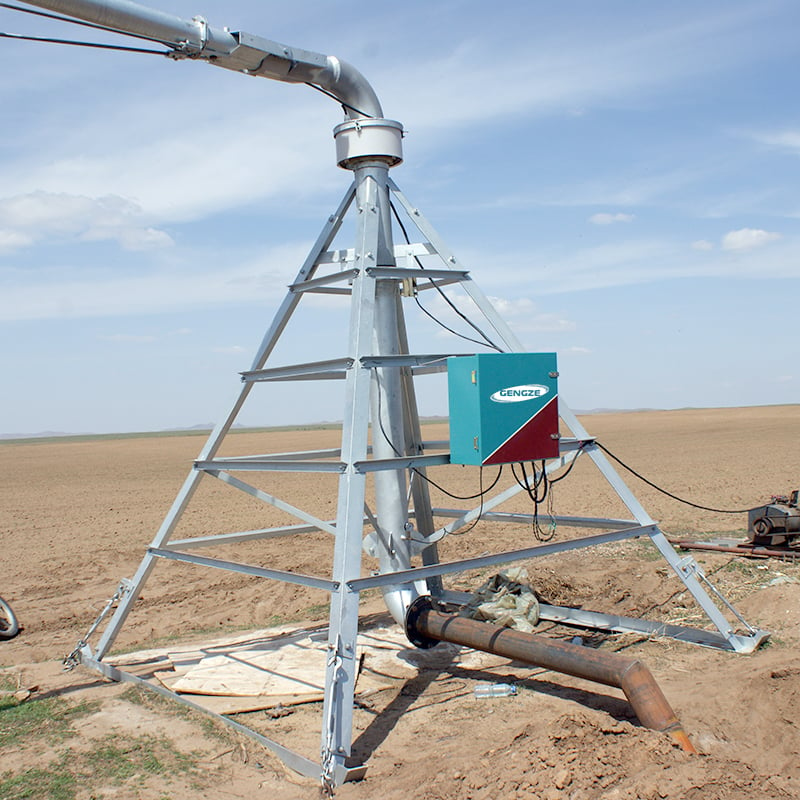
Quality evaluation of center pivot irrigation equipment is essential to ensure long-term performance and reliability. Start by examining the materials used in the construction of the system. High-grade galvanized steel or corrosion-resistant materials are recommended for durability, particularly in varied environmental conditions.
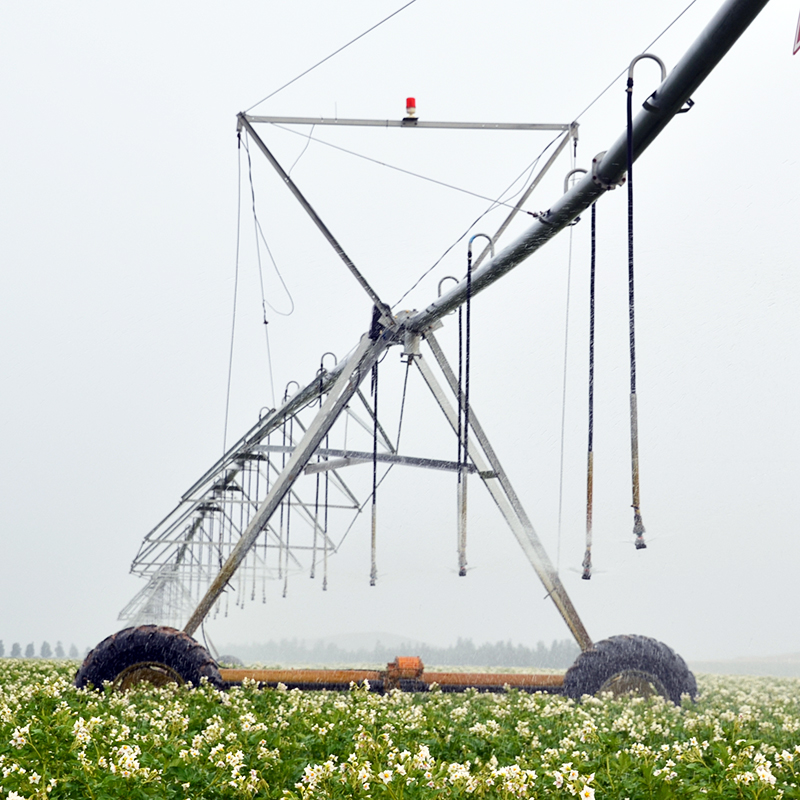
Inspect the design and engineering of the system. A well-designed pivot will feature robust joints, reliable drive systems, and effective water distribution mechanisms. Consider requesting detailed technical specifications to assess design integrity.
Performing a hands-on inspection or requesting a working demonstration can also provide insights into the system’s quality. Pay attention to the ease of operation and any feedback from existing users regarding performance and reliability.
Lastly, verify the manufacturer’s quality control processes. A reputable supplier will typically have rigorous testing protocols in place to ensure that every unit meets established performance standards before leaving the production facility.
Understanding common issues associated with center pivot irrigation systems can help buyers make informed decisions and prepare for maintenance. One frequent problem is uneven water distribution, which can be caused by improper alignment or malfunctioning nozzles. Regular calibration and maintenance can mitigate this issue, ensuring that the system operates efficiently.
Another common issue is mechanical failure, often due to wear and tear on moving parts. Buyers should inquire about the manufacturer’s warranty and the availability of replacement parts. Selecting a supplier with a strong after-sales support system can significantly ease the burden of repairs.
Additionally, environmental factors such as soil salinity and varying crop types can impact system performance. Buyers should consider consulting with suppliers about the best practices for their specific agricultural conditions to optimize the performance of the irrigation system.
In summary, purchasing a center pivot irrigation system design is a significant investment that requires careful consideration of supplier reliability, cost comparisons, quality evaluation, and common operational challenges. By taking a comprehensive approach to these factors, buyers can ensure they select the most suitable system for their agricultural needs, ultimately leading to enhanced productivity and resource efficiency.

Dalian Gengze Agricultural Equipment Manufacturing Co.,Ltd
Copyright © Dalian Gengze Agricultural Equipment Manufacturing Co.,Ltd All Rights Reserved | Blog | Privacy Policy
 EN