Requesting a Call:
Online Support
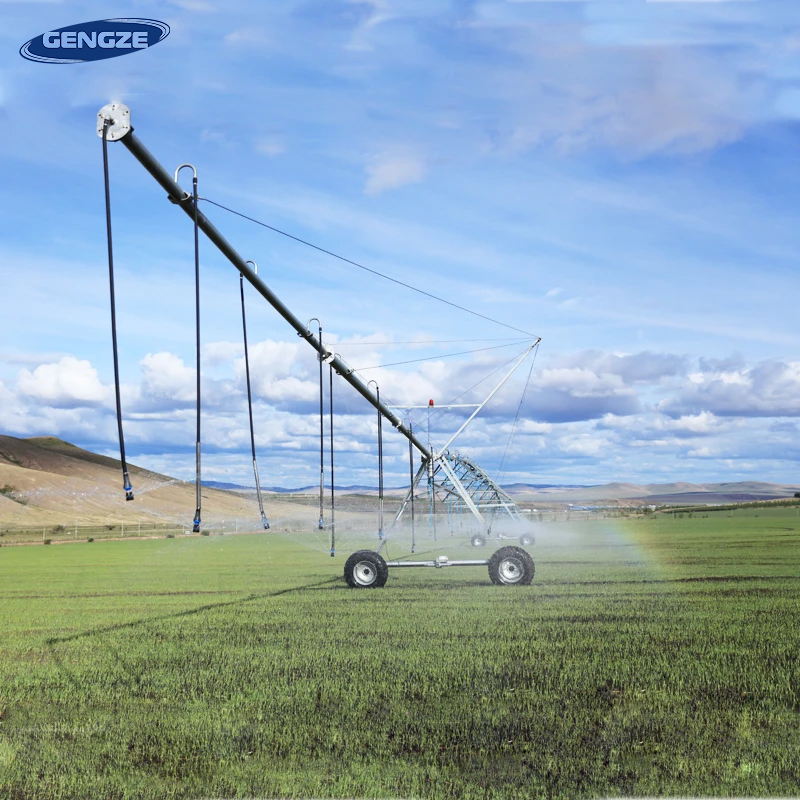
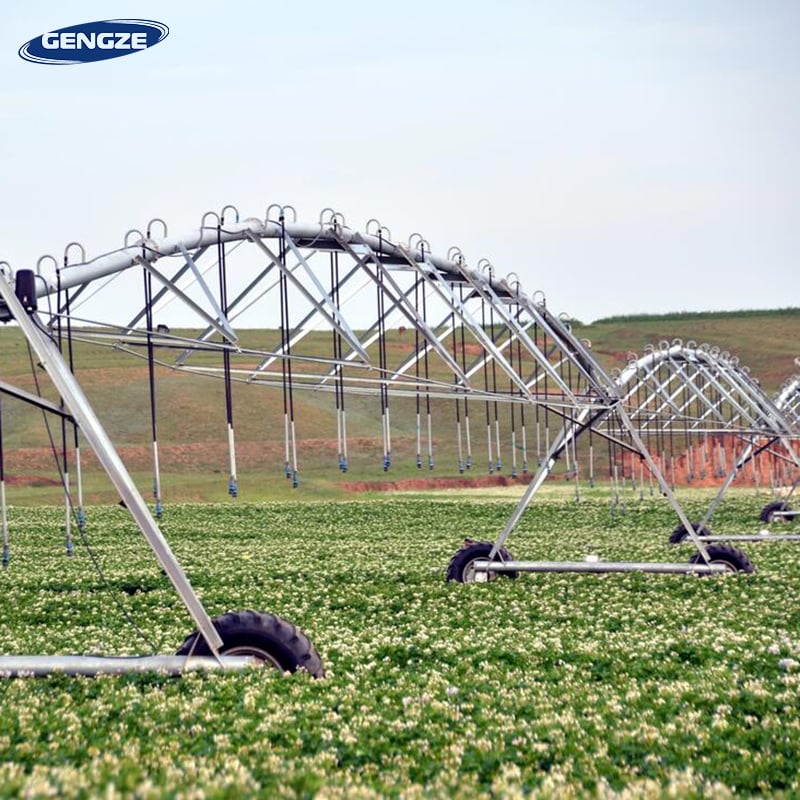
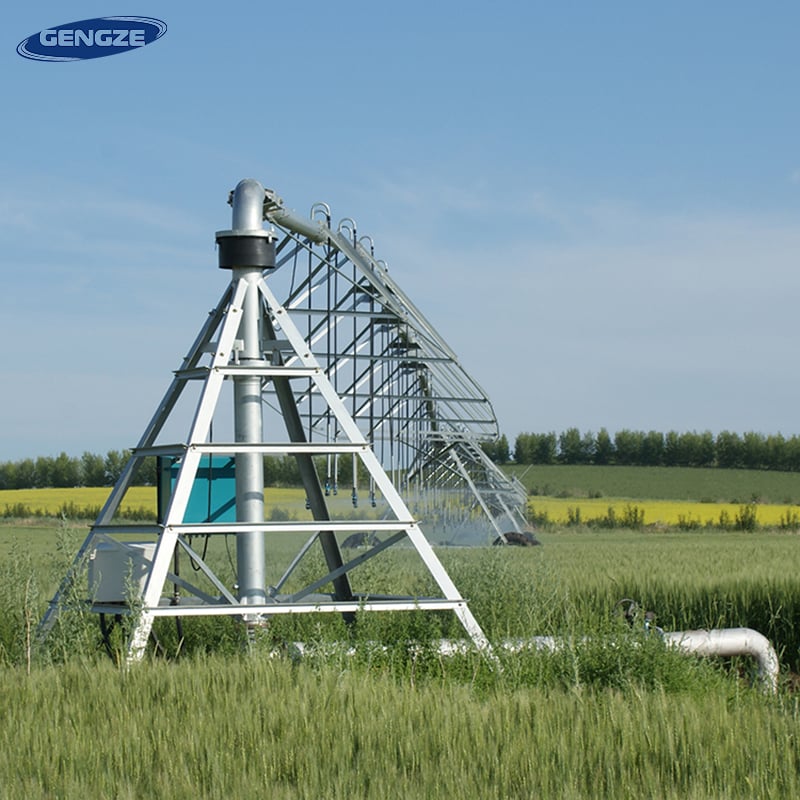
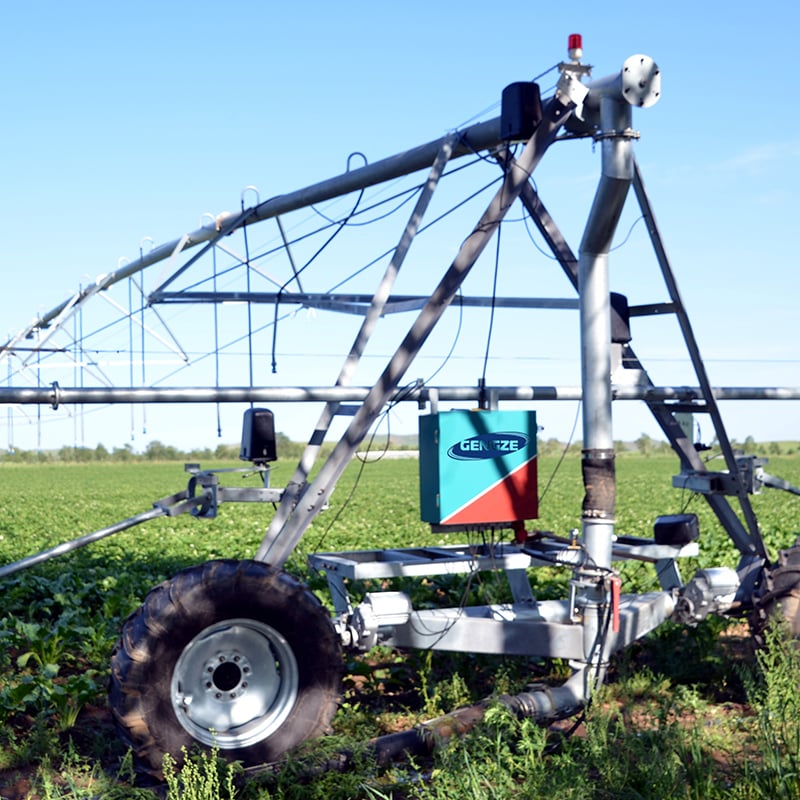
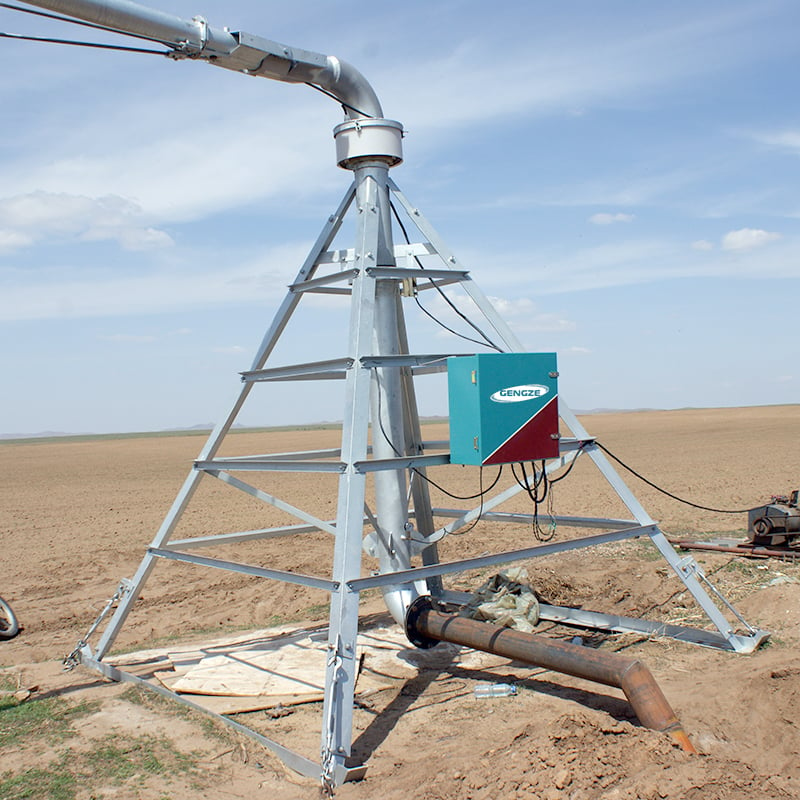
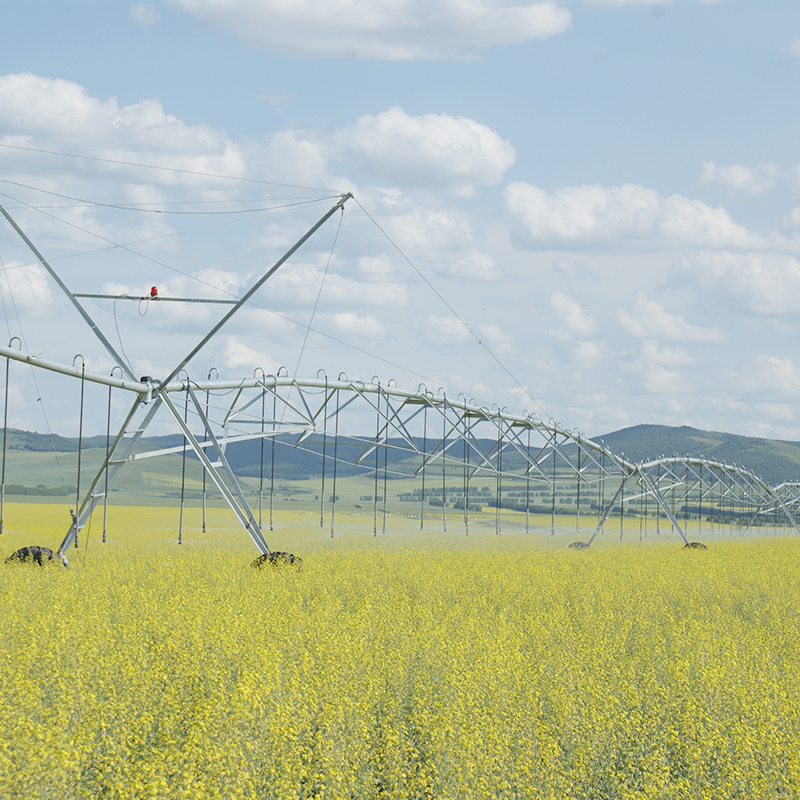
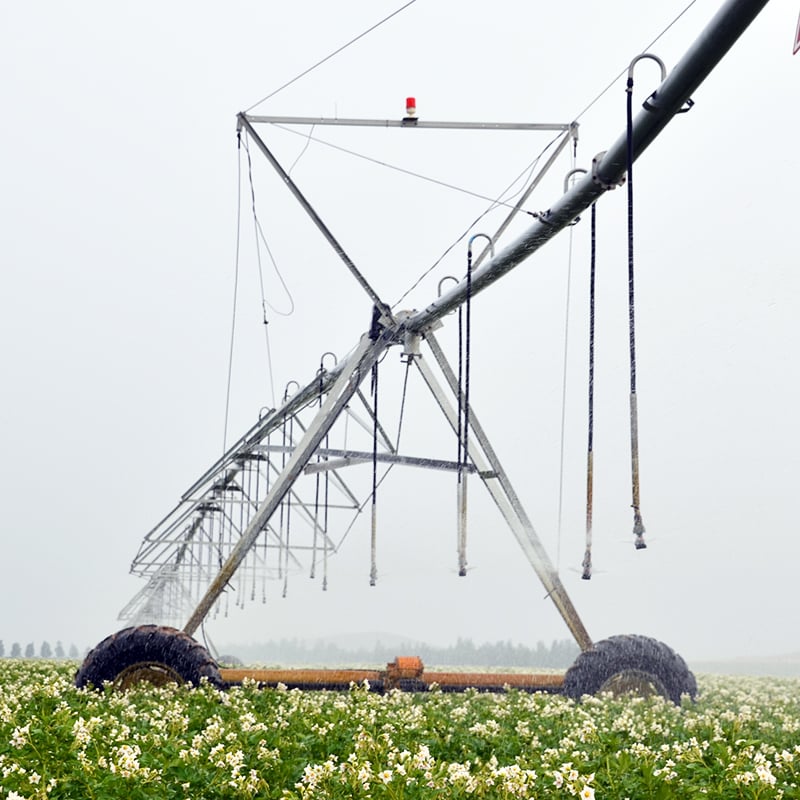
A center pivot sprinkler system is an essential irrigation solution for large agricultural fields, designed to deliver water efficiently across various crops. With rising demands for sustainable farming practices and effective water management, many B2B buyers, including purchasing managers and distributors, seek reliable options when looking for a center pivot sprinkler system for sale. This article will guide you through key considerations for selecting, evaluating, and installing these systems to ensure you make an informed purchasing decision.
Finding the right supplier for center pivot sprinkler systems involves careful research and consideration. Start by identifying manufacturers with a proven track record in agricultural equipment. Companies with over 20 years in the industry, such as Dalian Gengze Agricultural Equipment Manufacturing Co., Ltd, which has experience as an OEM for a leading U.S. irrigation brand, are often reliable sources. Look for center pivot irrigation system suppliers who offer comprehensive product catalogs, customer references, and case studies to demonstrate their expertise.
Additionally, trade shows and agricultural expos provide excellent opportunities to meet suppliers face-to-face, allowing you to discuss your specific needs and evaluate their products firsthand. Online marketplaces specializing in agricultural equipment can also be valuable, but ensure you verify the supplier's credibility through reviews and ratings from previous buyers.
When purchasing a center pivot sprinkler system, several key specifications should be evaluated to ensure suitability for your operation:
Span Length and Coverage Area: The span length, typically ranging from 100 to 500 feet, directly impacts the area that can be irrigated. Assess your field dimensions to determine the appropriate size.
Water Application Rate: Measured in inches per hour, this specification is critical for preventing over- or under-watering. Ensure that the solar power center pivot system can deliver the necessary rate for your crop type.
Drive Mechanism: Center pivot systems can be equipped with electric, hydraulic, or gear-driven motors. Each has its advantages, including maintenance requirements and energy efficiency, so choose based on your operational capabilities.
Control Systems: Advanced control options, such as remote monitoring and automated scheduling, enhance efficiency. Evaluate the technology offered by the manufacturer, considering integration with existing farm management systems.
Durability and Material: Ensure the materials used in the system are designed to withstand local environmental conditions, including corrosion resistance if you are in a saline area.
When ordering center pivot sprinkler systems in bulk, quality assurance is paramount. To evaluate the quality of the systems:
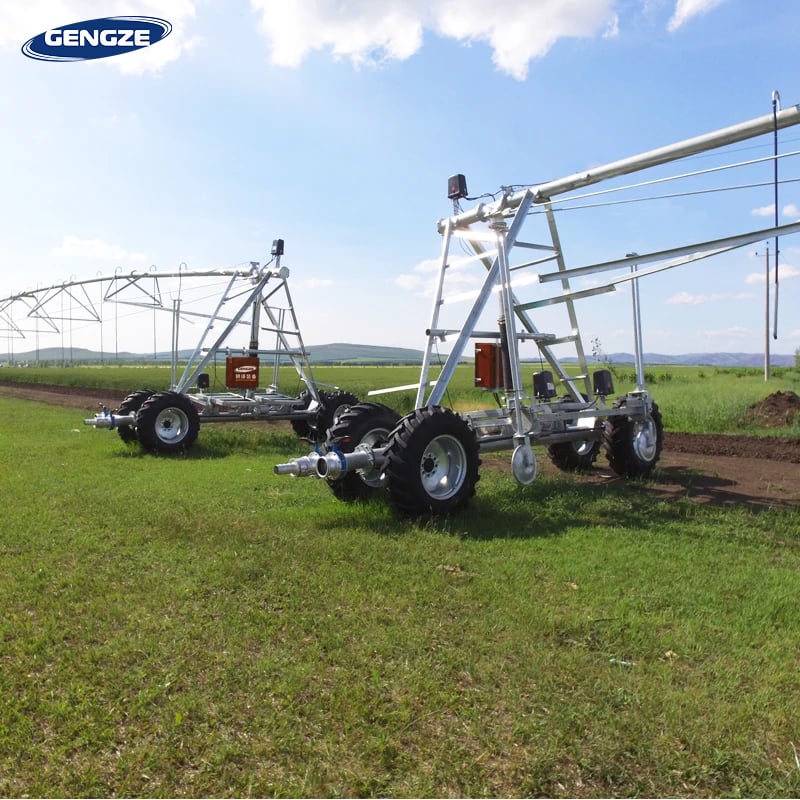
Material and Construction: Inspect the materials used in the construction of the pivot arms, wheels, and sprinklers. High-quality steel or aluminum can offer better durability and resistance to wear.
Manufacturing Standards: Request information about the manufacturer’s quality control processes. Certifications such as ISO 9001 can indicate a commitment to consistent quality.
Product Testing: Inquire about any testing procedures that the systems undergo before shipment. Manufacturers should conduct performance tests to ensure reliability and efficiency.
Warranty and Support: A robust warranty can signal confidence in product quality. Additionally, reliable after-sales support can assist with installation and maintenance issues.
Sample Evaluation: Before finalizing a bulk order, request samples or a demonstration unit to evaluate performance in your specific operating conditions.
Proper installation of a center pivot sprinkler system is crucial for optimal performance. Here are essential guidelines:
Site Preparation: Ensure the installation site is clear of debris and obstacles. Soil compaction and leveling are vital to prevent uneven water distribution.
Alignment and Orientation: The system should be aligned with the field’s layout to maximize coverage. Use GPS technology if available for precise positioning.
Connection to Water Supply: Confirm that the water supply connections meet the required flow rates and pressure specifications. Check for any local regulations regarding water usage.
Electrical and Control Setup: If the system includes electric components, follow manufacturer instructions for wiring and control panel installation. Consider consulting a professional electrician if necessary.
Testing the System: After installation, conduct thorough testing to ensure all components function correctly. Adjust the system as needed to achieve the desired application rates.
Despite their efficiency, center pivot sprinkler systems can encounter several common issues. Being aware of these can help in troubleshooting:
Uneven Water Distribution: This can be caused by improper alignment or malfunctioning nozzles. Regularly check and clean nozzles to ensure consistent flow and replace any that are damaged.
Mechanical Failures: Components such as gears and drive motors can wear out over time. Implement a routine maintenance schedule that includes lubrication and visual inspections to catch potential failures early.
Electrical Issues: Faulty wiring or control systems can disrupt operation. Ensure that all electrical connections are secure and inspect control panels for signs of wear or damage.
Soil Erosion: Over-watering can lead to soil erosion in certain areas. Adjust application rates based on soil moisture levels and crop needs to prevent this issue.
Clogged Filters: Filters can become clogged with debris, affecting water flow. Regularly inspect and clean filters to maintain optimal system performance.
By understanding where to find reliable suppliers, evaluating key specifications, ensuring quality in bulk orders, following proper installation guidance, and troubleshooting common problems, B2B buyers can confidently invest in a center pivot sprinkler system that meets their agricultural needs.

Dalian Gengze Agricultural Equipment Manufacturing Co.,Ltd
Copyright © Dalian Gengze Agricultural Equipment Manufacturing Co.,Ltd All Rights Reserved | Blog | Privacy Policy
 EN