Requesting a Call:
Online Support
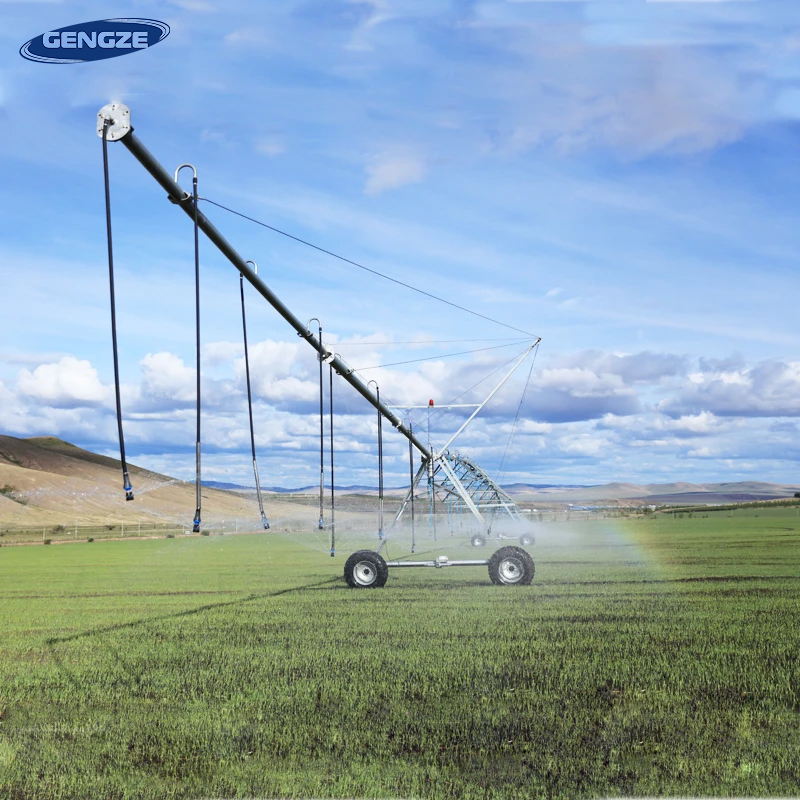
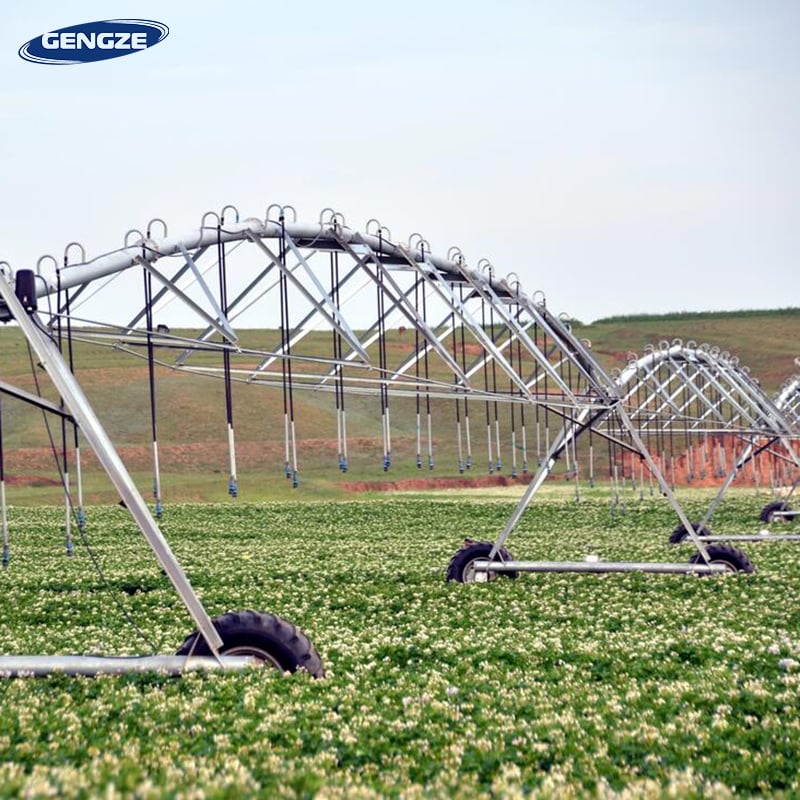
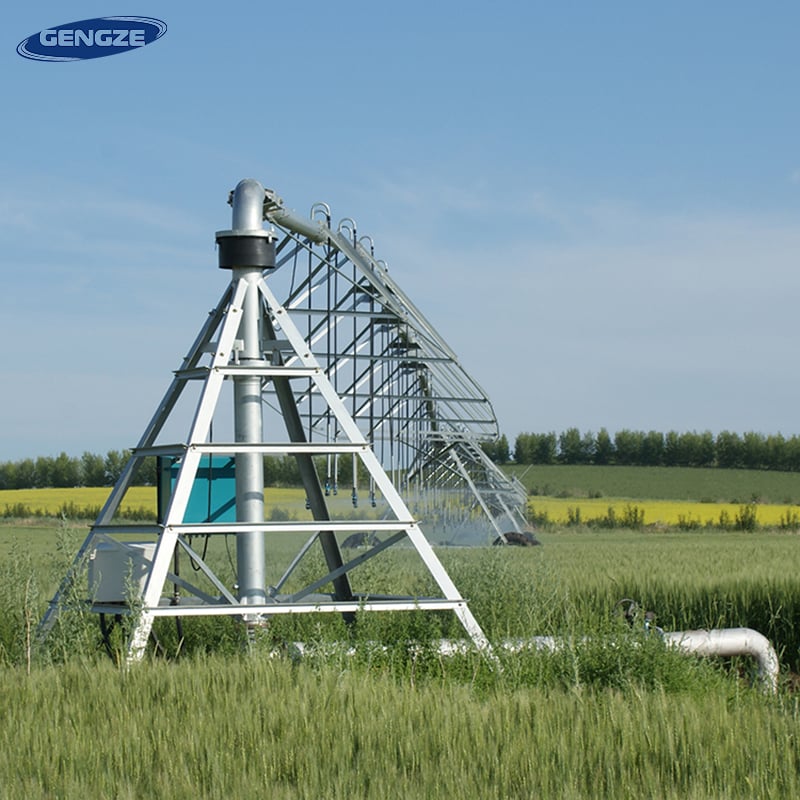
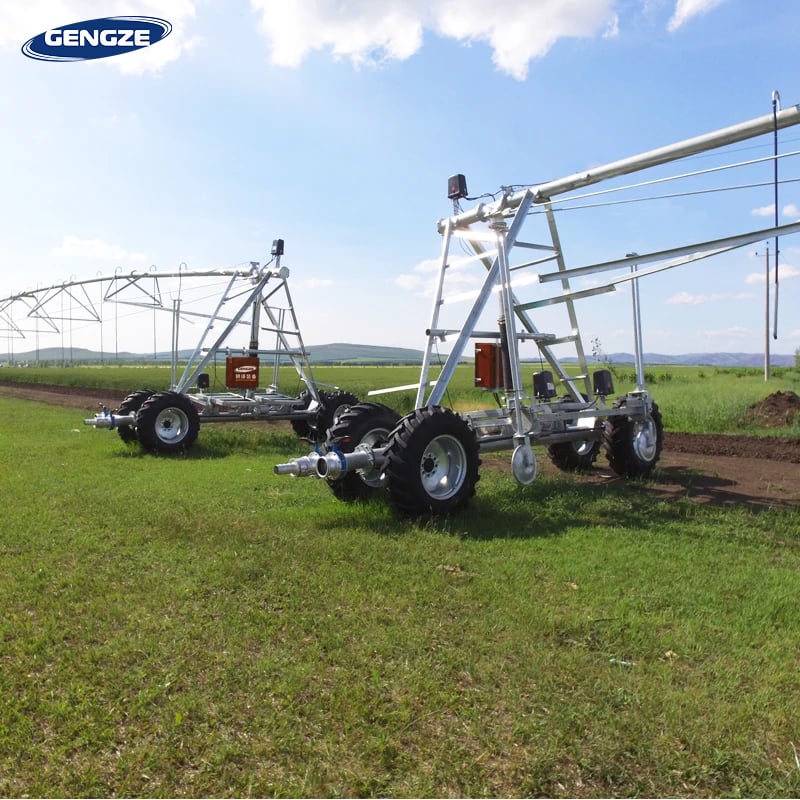
Center pivot systems are advanced irrigation solutions designed to optimize water distribution across agricultural fields. As a B2B buyer, your primary concerns include cost-effectiveness, efficiency, and the system's adaptability to various crop types and field conditions. This article will provide you with essential insights into the key specifications, pricing factors, installation challenges, and diverse applications of center pivot systems, helping you make informed purchasing decisions.
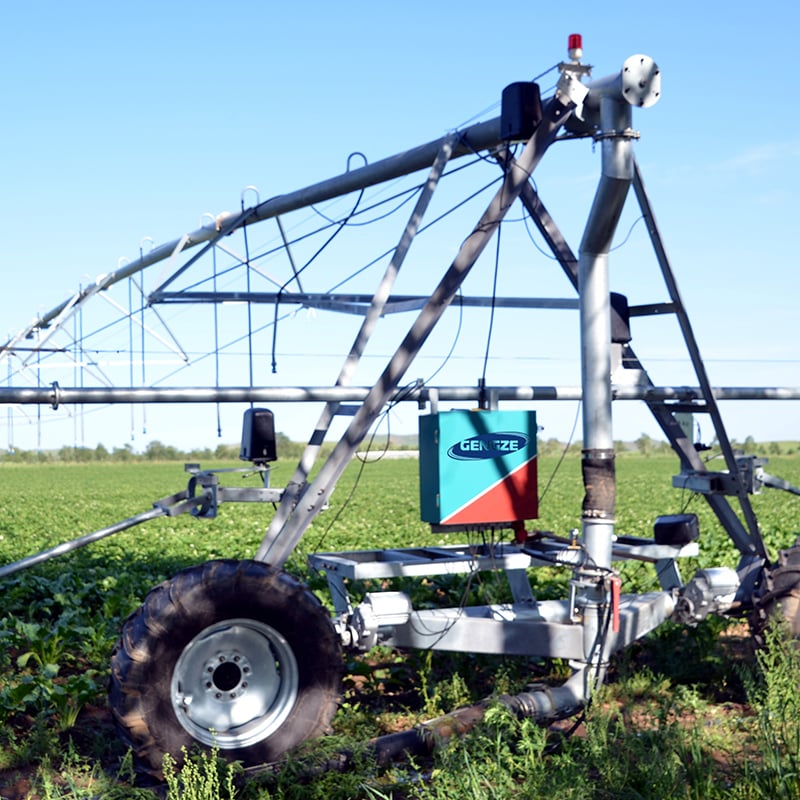
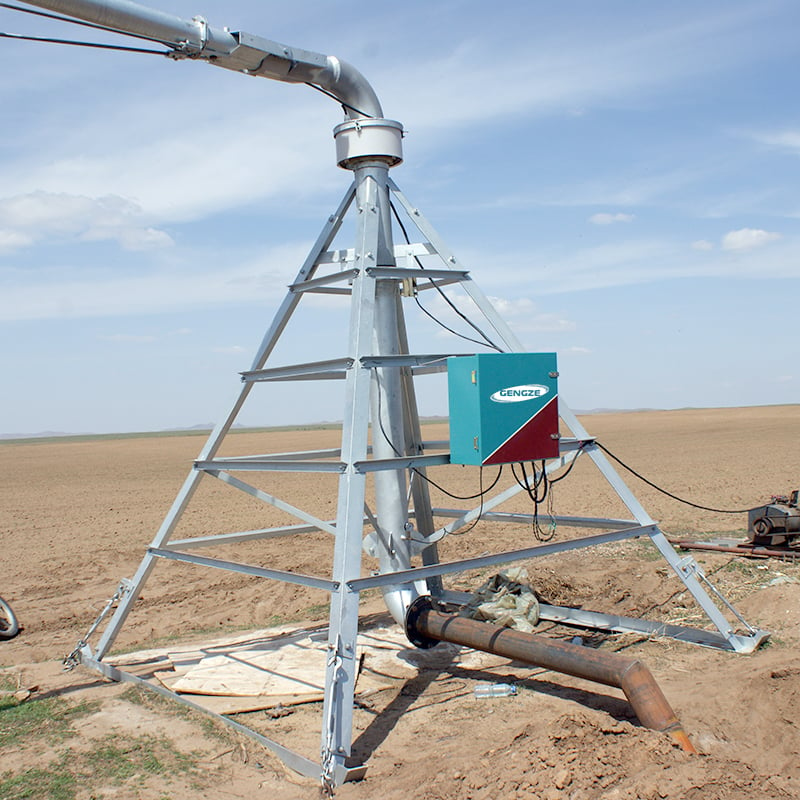
When sourcing center pivot systems, several key specifications should be evaluated to ensure optimal performance for your agricultural needs: Span Length and Field Coverage: The length of the pivot span directly affects the area that can be irrigated. Buyers should assess their field dimensions to determine the appropriate span length, which typically ranges from 100 to 1,200 feet. Water Application Rate: This specification indicates how efficiently water is delivered to crops. It's essential to match the application rate with crop requirements and soil absorption rates to avoid runoff and ensure efficient water usage. Motor and Drive System: The choice of motor—electric or hydraulic—plays a crucial role in operational efficiency and maintenance. Electric motors are generally quieter and require less maintenance, while hydraulic systems may offer more power for larger spans. Control Systems: Modern center point irrigation system often come equipped with advanced control systems that allow for remote monitoring and adjustments. Evaluate the compatibility of these systems with existing farm management software to streamline operations. Material Durability: The materials used in pivot construction, such as galvanized steel or high-density polyethylene, affect longevity and resistance to environmental factors. Ensure that the chosen materials can withstand local weather conditions and soil types. By carefully considering these specifications, you can select a center pivot system that enhances irrigation efficiency and meets your operational needs.
Understanding wholesale pricing for best center pivot irrigation system involves several cost factors that can influence your final purchase price: System Size and Configuration: Larger systems or those with complex configurations generally come at a higher cost due to increased material and manufacturing requirements. Assess your specific irrigation needs to determine the most cost-effective option. Customization Options: Custom features, such as extended spans, specialized nozzles, or unique control systems, can significantly impact pricing. Be clear about your requirements when requesting quotes and consider how these features align with your budget. Shipping and Installation: Costs associated with shipping and installation can vary based on location and the complexity of the setup. Ensure that these costs are included in your budget and negotiate with suppliers for the best shipping options. Maintenance and Operational Costs: In addition to initial purchase pricing, consider ongoing operational and maintenance costs. Systems that require frequent repairs or replacements can lead to higher long-term expenses. By being aware of these cost factors, you can make informed decisions that align with your financial resources while ensuring you receive a high-quality center pivot system.
When evaluating center pivot systems, consider the following critical factors to ensure you select the right solution for your agricultural operations: Efficiency and Performance Metrics: Investigate performance metrics such as water application efficiency and energy consumption. High-efficiency systems can lead to reduced water usage and lower energy costs. Supplier Reputation and Support: Research suppliers' reputations in the industry. Reliable manufacturers, like Dalian Gengze Agricultural Equipment Manufacturing Co., Ltd, often provide strong customer support and warranty options, which can be crucial for ongoing maintenance and troubleshooting. Adaptability to Crop Types: Ensure the center pivot system can accommodate the specific crops you are growing. Different crops have varying water needs, and the system should be capable of delivering the appropriate irrigation levels. Ease of Use and Maintenance: Look for systems that offer user-friendly controls and require minimal maintenance. Features such as automatic lubrication and self-diagnostic capabilities can save time and reduce operational disruptions. Compliance with Local Regulations: Verify that the chosen system complies with local agricultural and environmental regulations. This is vital to avoid any legal issues and to ensure sustainable agricultural practices. By focusing on these aspects, you can choose a center pivot system that not only meets your current needs but also adapts to future agricultural demands.
Installing center pivot irrigation system can present various challenges. Here are common issues and their potential solutions: Topography and Soil Conditions: Uneven terrain and varying soil types can complicate installation. Proper site assessment is crucial before installation. Engage with your supplier to conduct soil tests and site evaluations, ensuring the system is tailored to the specific conditions. Water Source Compatibility: Ensure that the chosen system can effectively utilize your water source, whether it's a well, pond, or municipal supply. Collaborate with your supplier to confirm the system’s compatibility with your water availability and pressure requirements. Electrical and Water Supply Setup: Installing electrical and water supply lines can be labor-intensive. Planning the layout in advance and working with experienced technicians can ease this process and ensure everything is set up correctly. Weather Delays: Adverse weather conditions can delay installation timelines. To mitigate this risk, schedule installations during favorable weather seasons and have contingency plans in place. Addressing these common challenges proactively can streamline the installation process and enhance the overall performance of your center pivot systems.
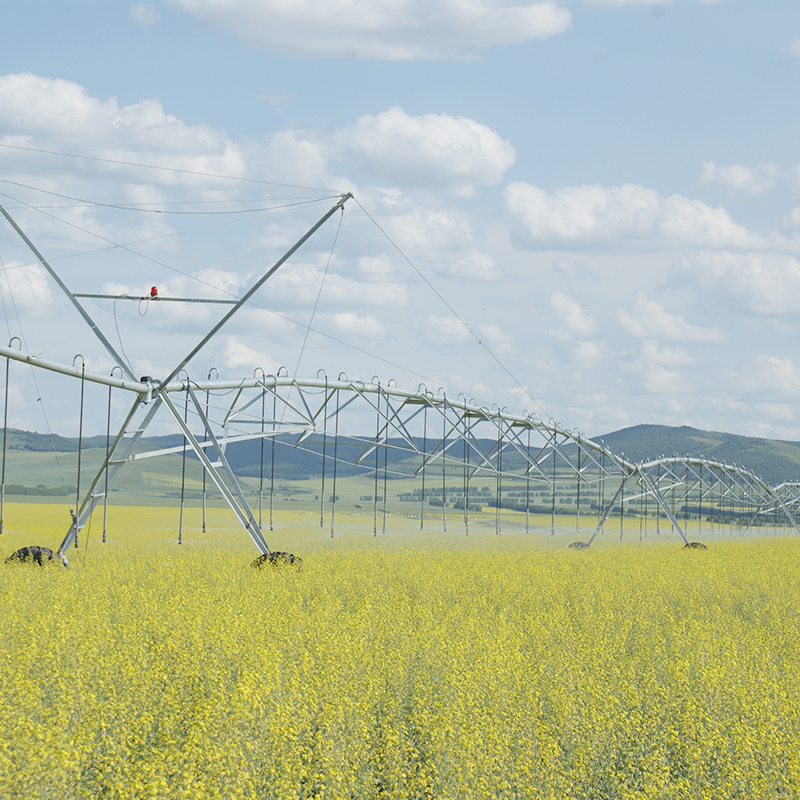
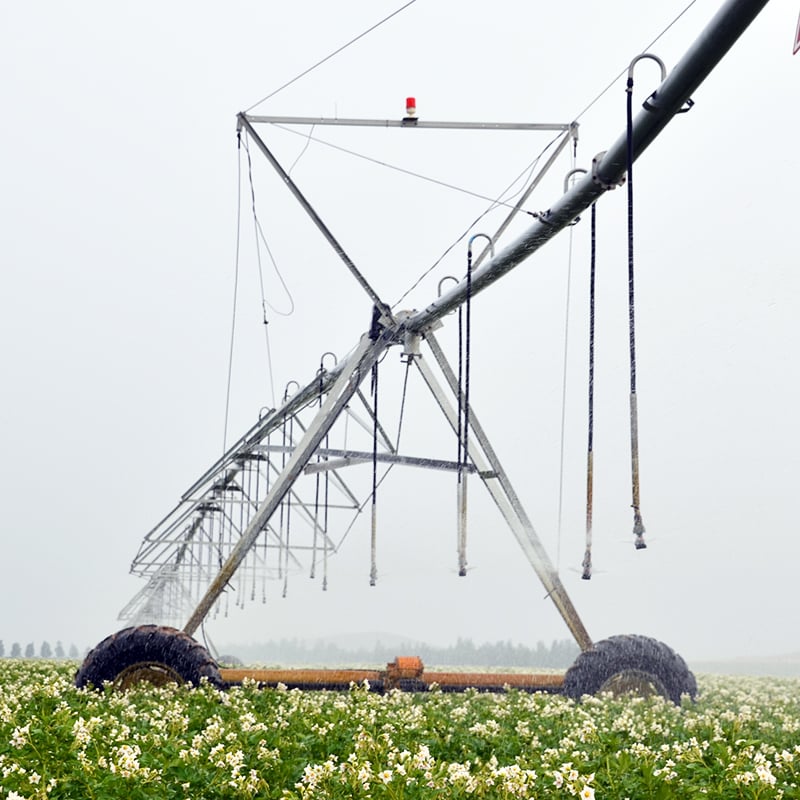
Center pivot systems are versatile and applicable in various agricultural settings. Here are some notable applications: Row Crop Irrigation: These systems are commonly used for irrigating row crops such as corn, soybeans, and cotton. Their ability to cover large areas efficiently makes them ideal for these types of crops, which require consistent moisture levels. Pasture and Hay Production: Farmers can utilize center pivot systems to irrigate pastures and hay fields, ensuring optimal growth and yield. The adjustable application rates can cater to the specific needs of different grasses and forage crops. Specialty Crop Irrigation: For growers of specialty crops like fruits and vegetables, center pivot systems can be tailored with specific nozzles and application rates to meet the unique irrigation requirements of these crops. Commercial Greenhouses: In greenhouse operations, center pivot systems can be adapted to provide precise irrigation, helping maintain consistent moisture levels and promoting healthy plant growth. Rehabilitation of Depleted Lands: Center pivot systems can play a role in restoring arid or depleted lands by providing efficient irrigation, helping to reclaim these areas for productive agricultural use. By understanding these diverse applications, you can better assess how center pivot systems can fit into your specific agricultural operations and contribute to overall productivity.

Dalian Gengze Agricultural Equipment Manufacturing Co.,Ltd
Copyright © Dalian Gengze Agricultural Equipment Manufacturing Co.,Ltd All Rights Reserved | Blog | Privacy Policy
 EN