Requesting a Call:
Online Support
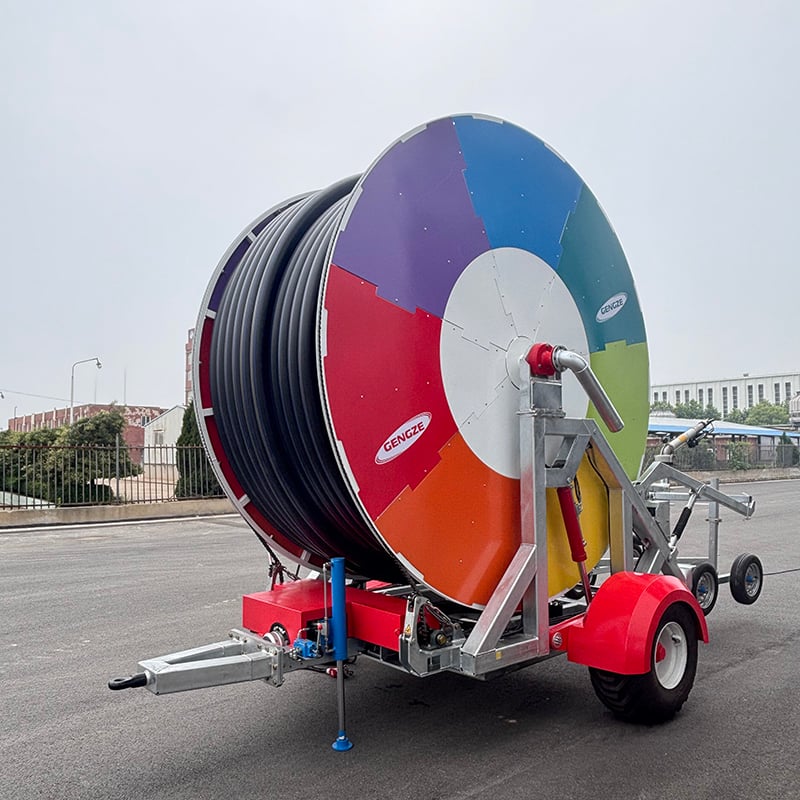
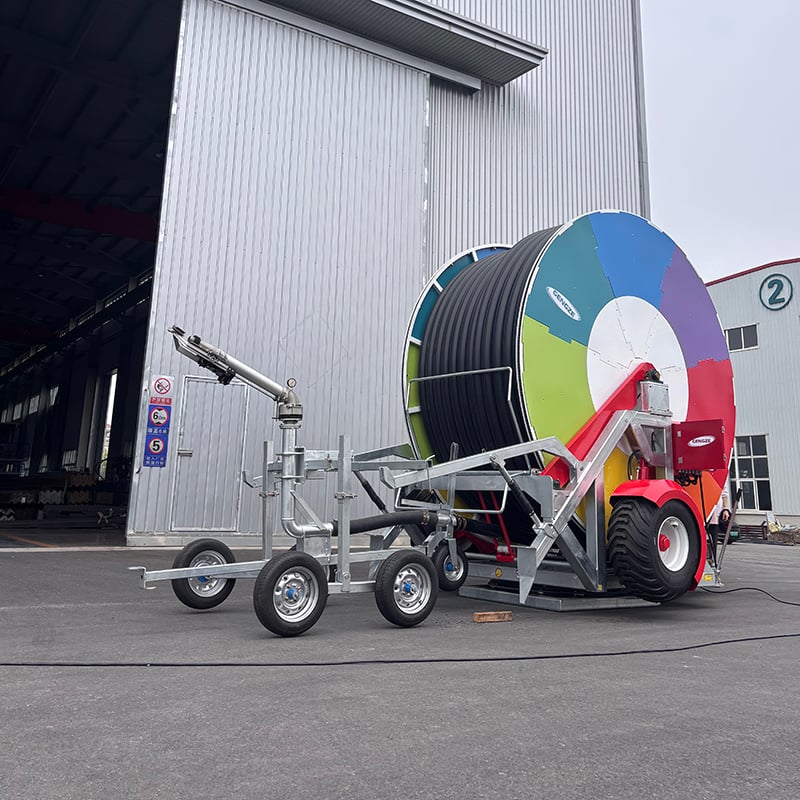
Circle irrigation systems are pivotal in modern agriculture, especially for crops like soybeans that require consistent moisture for optimal growth. This article delves into the specifics of circle irrigation for soybean production using Gengze circle irrigation system, addressing key concerns of B2B buyers, including specifications, cost factors, common issues, application scenarios, and options for bulk orders. Understanding these aspects will empower purchasing managers, engineers, and distributors to make informed decisions when investing in irrigation solutions.
When considering circle irrigation for soybean farming, several specifications are critical to ensuring the Gengze circle pivot irrigation meets the unique needs of this crop. Key specifications include the diameter of the irrigation circle, which typically ranges from 100 to 500 feet, and the system’s operational pressure, which generally falls between 30 to 70 psi. These parameters directly influence water distribution efficiency and coverage area.
Moreover, material selection is essential. High-density polyethylene (HDPE) and aluminum are commonly used for pipes and fittings due to their durability and resistance to corrosion. The choice of Gengze irrigation circles materials affects not only the system’s lifespan but also its ability to withstand varying weather conditions and soil types. Buyers should verify that the selected materials are compatible with local environmental factors.
Customization capabilities are another important aspect. Depending on the specific requirements of the soybean field, additional features like variable rate irrigation (VRI) can optimize water usage by adjusting the application rate based on real-time soil moisture data.
Cost considerations for circle irrigation systems extend beyond the initial purchase price. The total cost of ownership includes installation, maintenance, and operational expenses. Installation costs can vary significantly based on the complexity of the system and the need for site preparation, such as leveling the land or installing drainage systems.
Operational costs are primarily influenced by energy consumption, which is directly related to the system's efficiency. Circle irrigation systems that utilize modern control technologies or solar energy solutions can lead to significant savings in the long run. Additionally, potential repair and replacement costs should be factored in, especially for components that experience wear over time, such as pumps and motors.
Buyers should also consider the return on investment (ROI). Efficient irrigation can lead to better crop yields and lower water usage, making it essential to evaluate how quickly the system will pay for itself through increased productivity.
Despite their advantages, circle irrigation systems can encounter issues that may hinder performance. One common problem is uneven water distribution, which can lead to overwatering in some areas and under-watering in others. This issue may arise from incorrect pressure settings or malfunctioning pivot systems. Regular maintenance checks and adjustments to the pressure settings can mitigate these problems.
Another frequent challenge is clogging of nozzles due to sediment or debris in the water. Installing filtration systems can help prevent this issue. Buyers should also consider implementing a regular cleaning schedule for the system to ensure optimal performance.
Lastly, mechanical failures such as motor or gear malfunctions can lead to downtime. Investing in high-quality components and establishing a preventive maintenance routine can help reduce the risk of these failures and extend the system's operational lifespan.
Circle irrigation is particularly well-suited for soybean production due to the crop’s sensitivity to water stress during critical growth stages, such as flowering and pod development. The consistent moisture provided by these systems helps maintain soil moisture levels, promoting healthy plant growth and maximizing yields.
In scenarios where water availability is limited, such as arid regions, circle irrigation can be customized to utilize reclaimed water or rainwater harvesting systems, providing an environmentally sustainable solution. Additionally, integrating smart technology into these systems allows for real-time monitoring and adjustments based on weather patterns and soil conditions, further enhancing water efficiency.
For larger soybean farms, employing multiple pivot systems can optimize coverage and facilitate crop rotation, allowing farmers to adapt their irrigation strategies based on specific crop requirements and environmental conditions.
When sourcing circle irrigation systems for bulk orders, it’s essential to compare different manufacturers based on their product offerings, customization capabilities, and support services. Dalian Gengze Agricultural Equipment Manufacturing Co., Ltd, with its 20 years of experience in agricultural equipment, provides high-efficiency systems tailored to meet diverse agricultural needs.
Buyers should evaluate the specifications of various models, including the maximum coverage area, material durability, and available features. It’s also worthwhile to consider the manufacturer’s reputation for quality control and after-sales service, as these factors can impact long-term satisfaction and system performance.
Furthermore, negotiating pricing based on order volume can lead to significant savings. Manufacturers often offer tiered pricing, where larger orders receive discounts, which can be beneficial for large-scale agricultural projects. Buyers should prepare to discuss their specific requirements, including expected delivery timelines and installation support, to ensure a smooth procurement process.
In summary, understanding the specifications, costs, common challenges, applications, and available options for circle irrigation is crucial for buyers in the soybean production industry. By considering these aspects, purchasing managers and agricultural engineers can make informed decisions that enhance productivity and sustainability in their operations.

Dalian Gengze Agricultural Equipment Manufacturing Co.,Ltd
Copyright © Dalian Gengze Agricultural Equipment Manufacturing Co.,Ltd All Rights Reserved | Blog | Privacy Policy
 EN