Requesting a Call:
Online Support
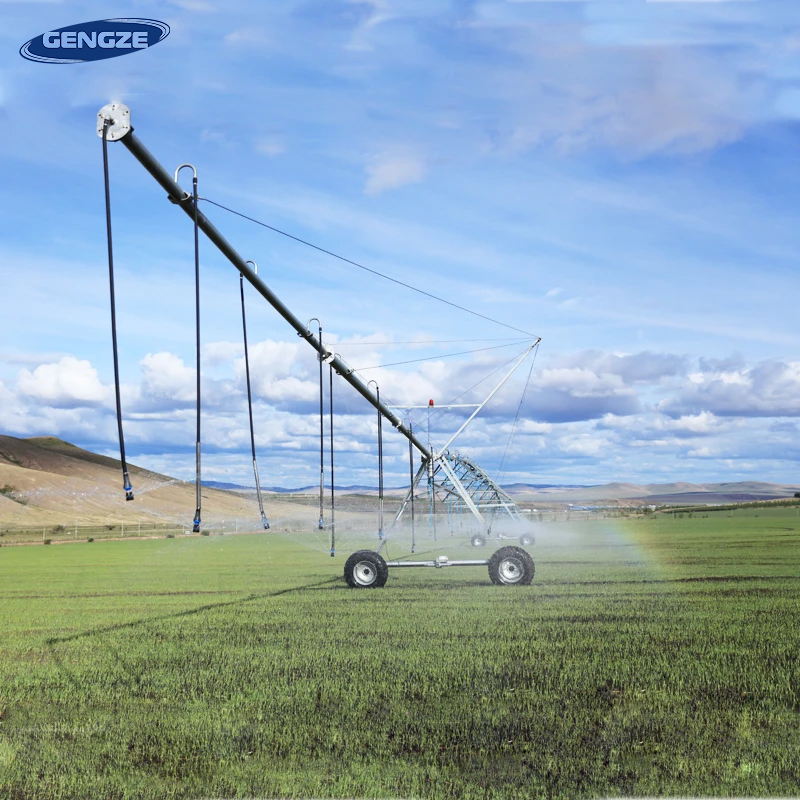
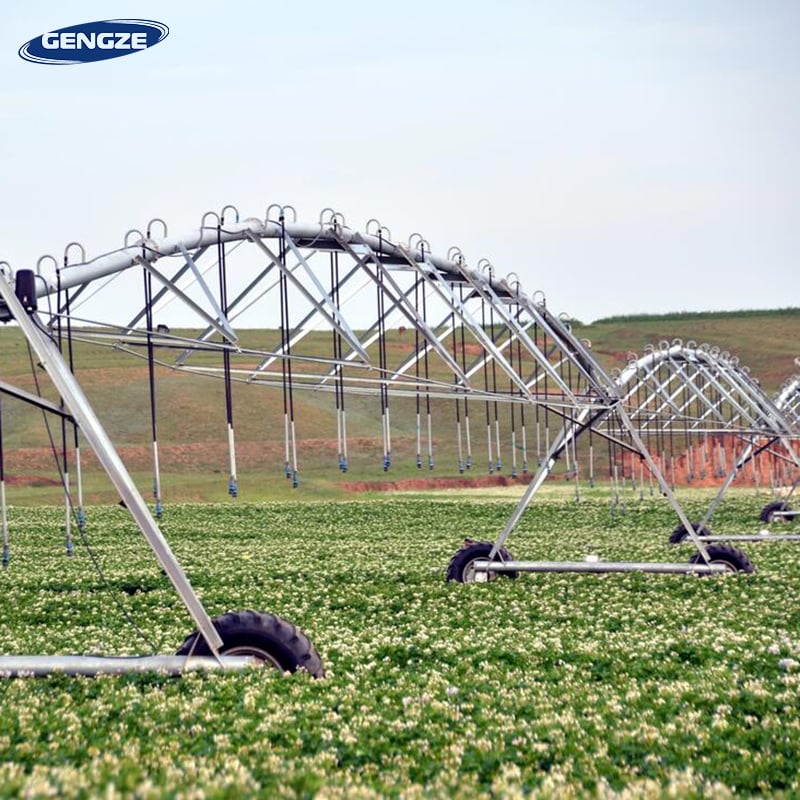
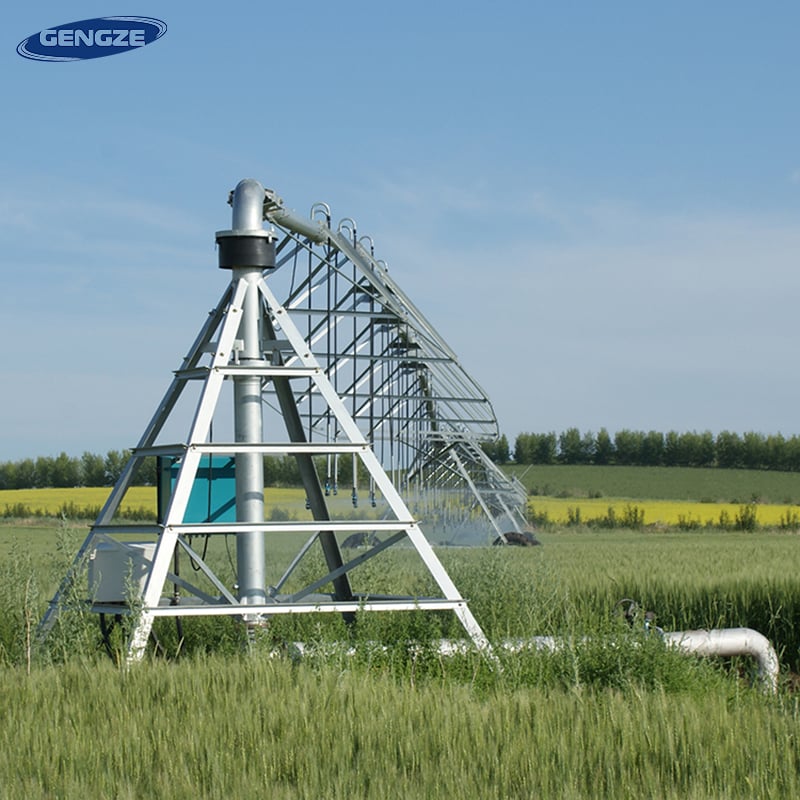
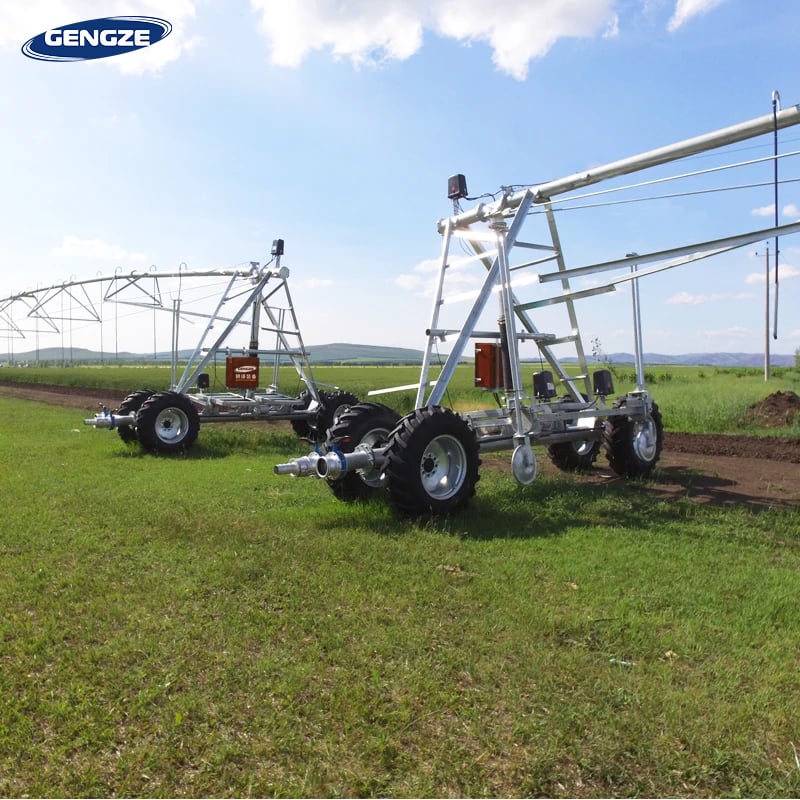
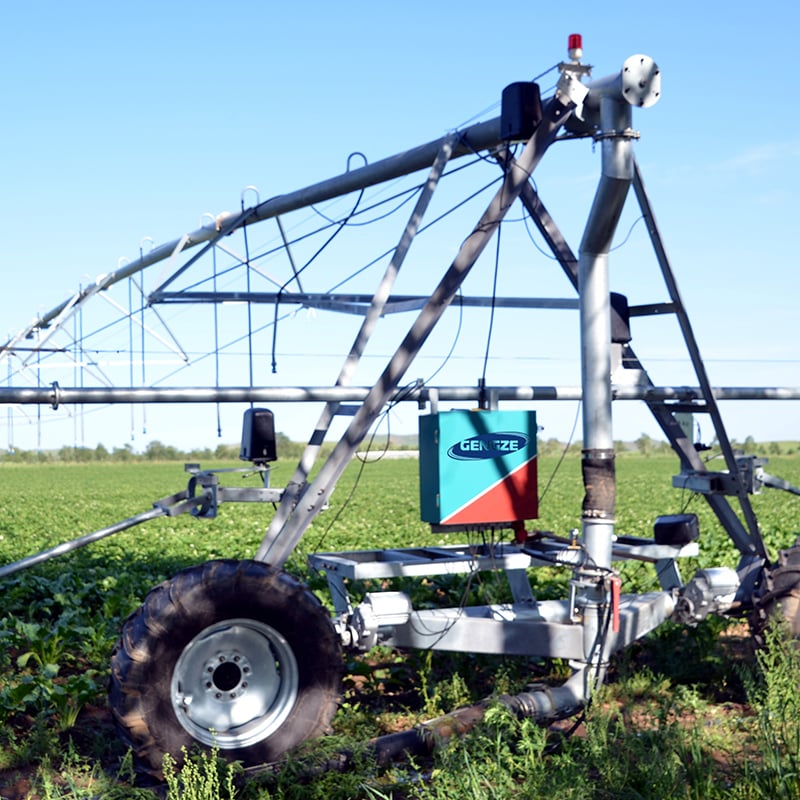
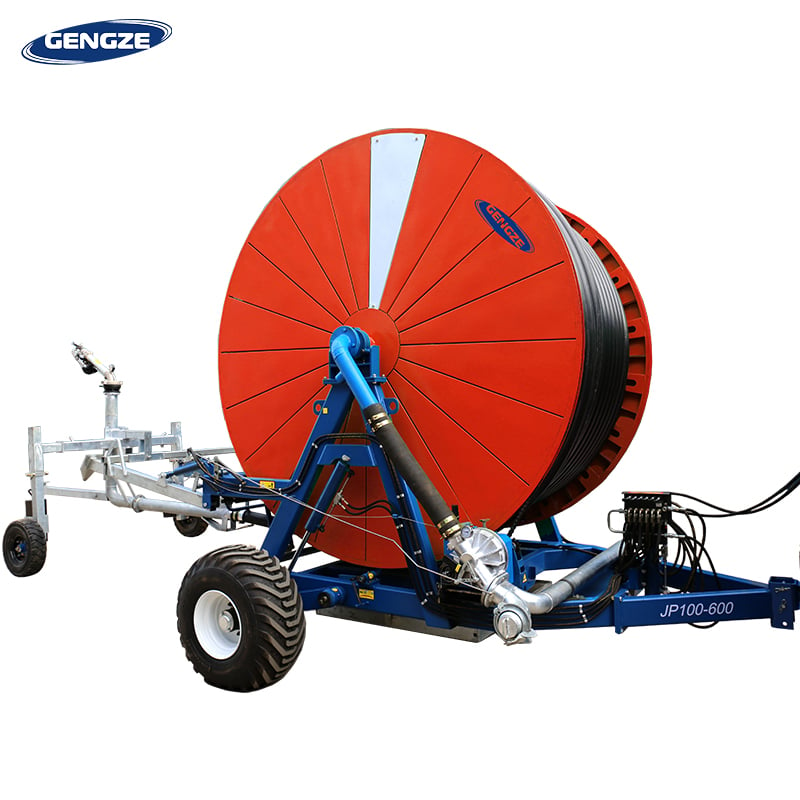
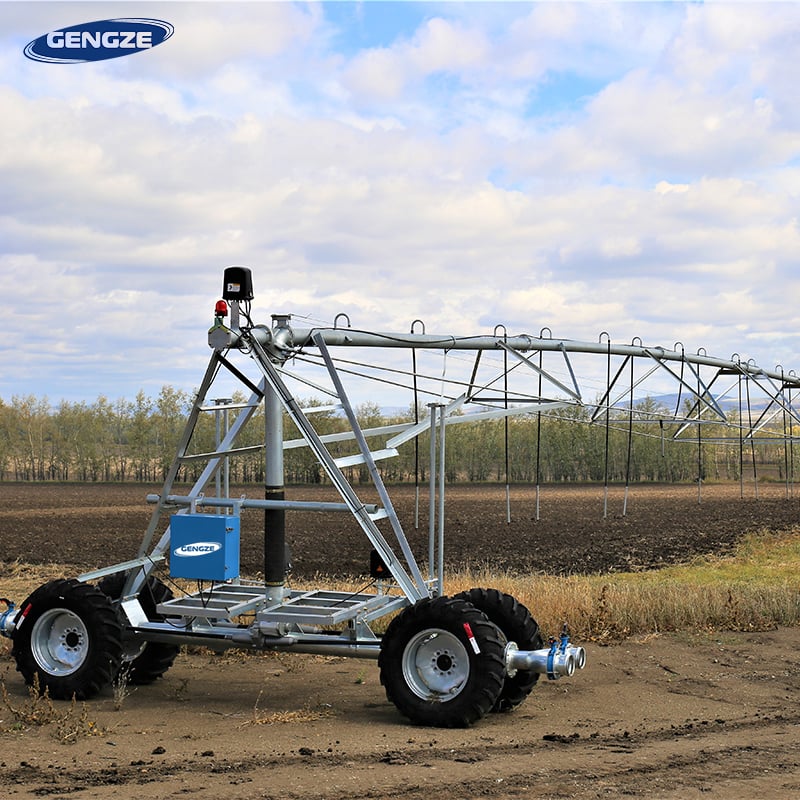
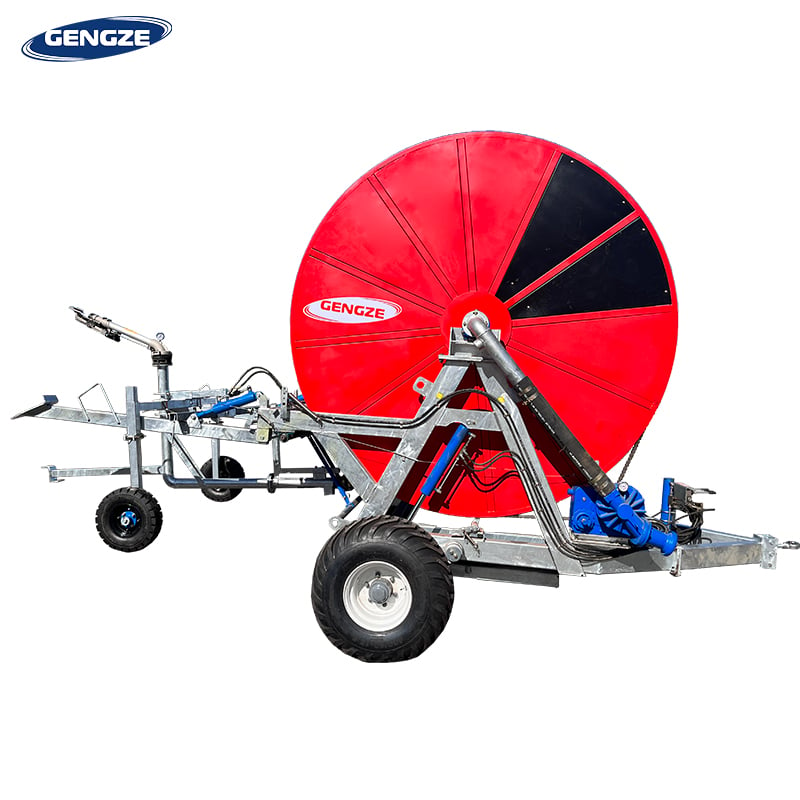
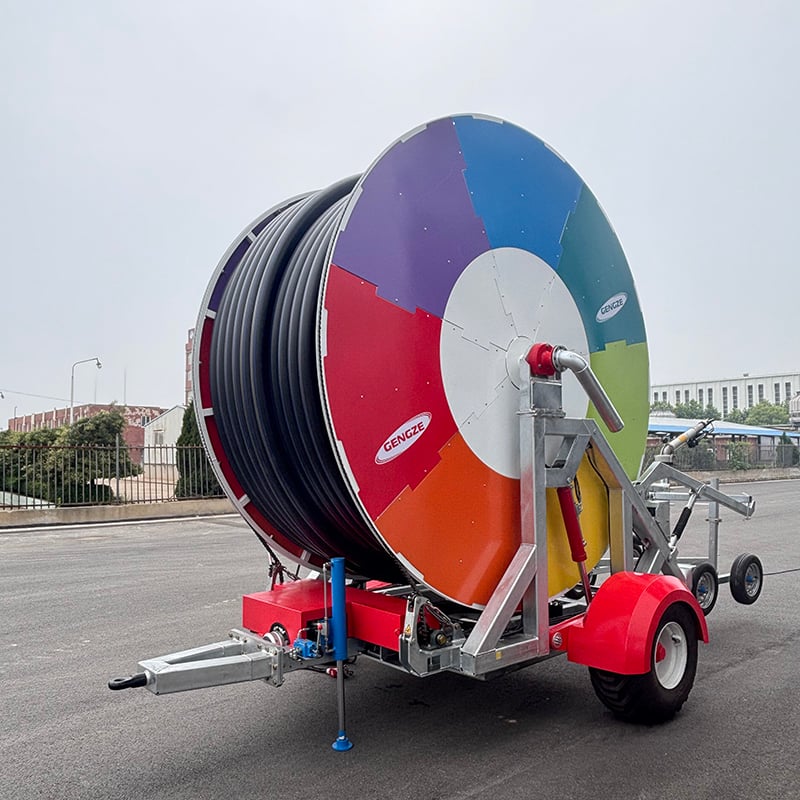
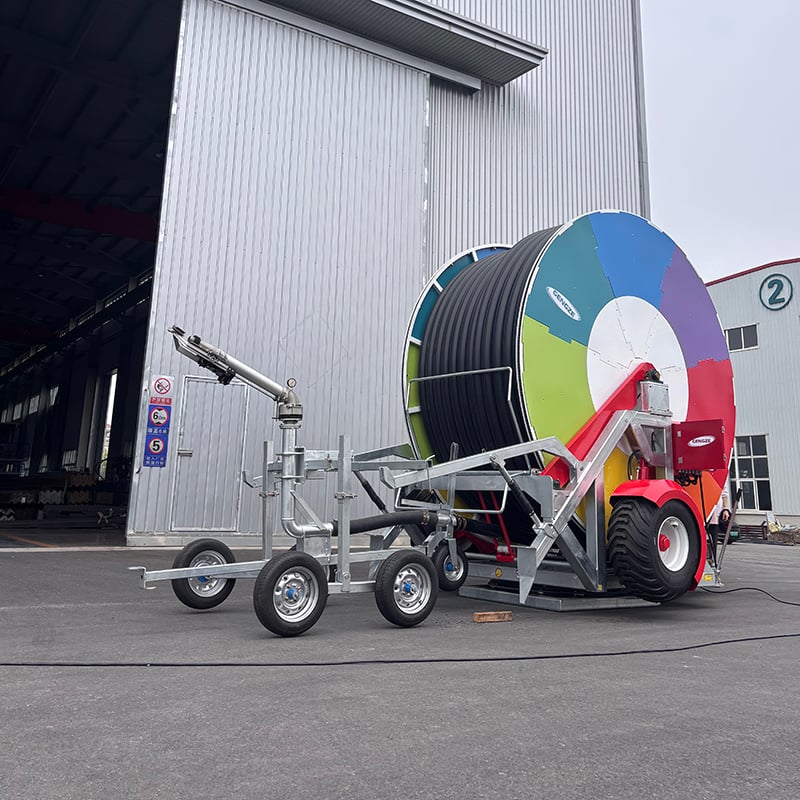
Circle irrigation systems are essential tools in modern agriculture, designed to optimize water usage while maximizing crop yields. As a trusted circle irrigation system supplier, Gengze irrigation hose reel for sale understands the critical concerns of B2B buyers, such as product specifications, cost factors, and application suitability. This article will provide valuable insights into our circle irrigation systems, helping you make an informed purchasing decision.
When evaluating circle irrigation systems, several key specifications should be considered to ensure optimal performance and efficiency:
Diameter and Coverage Area: The diameter of the Gengze circle irrigation system typically ranges from 50 to 600 feet, depending on the model. This directly influences the coverage area, which can affect the irrigation strategy for different crop types.
Material Construction: Our systems are primarily constructed from high-quality steel and corrosion-resistant materials to ensure durability and longevity. Buyers should consider the environmental conditions—such as soil type and climate—when assessing material suitability.
Water Application Rate: This specification is crucial for understanding how much water is delivered per acre. Our systems can be customized to achieve application rates that align with the specific needs of various crops.
Power Source: Circle irrigation systems can be powered by electricity, diesel, or solar energy. Buyers should evaluate their energy availability and costs when selecting the appropriate power option.
Control Systems: Advanced control systems allow for programmable irrigation schedules and remote monitoring capabilities. This feature of Gengze irrigation circles enhances efficiency and helps in conserving water resources.
Customization Options: We offer customization in terms of size, material, and technological features to meet diverse agricultural needs.
The cost of circle irrigation systems can vary significantly based on several factors. Understanding these factors can help wholesalers and distributors better prepare for budgeting and pricing strategies.
System Size: Larger systems typically incur higher costs due to the increased amount of materials and more complex installation requirements.
Material Quality: Investing in higher-quality materials may increase initial costs but can lead to long-term savings through enhanced durability and reduced maintenance needs.
Technology and Features: Advanced features such as automated controls, sensors, and remote management capabilities can add to the upfront cost but provide greater efficiency and water conservation over time.
Customization: Customized systems tailored to specific needs may entail additional costs. However, these investments can optimize irrigation performance and crop yield.
Installation and Maintenance: Consideration should also be given to the costs associated with installation and ongoing maintenance, which can vary based on system complexity and local labor rates.
Economic Factors: Currency fluctuations, tariffs, and shipping costs can impact the final pricing for international buyers.
It is crucial for buyers to assess these cost factors against their operational needs to make informed purchasing decisions.
While circle irrigation systems are generally reliable, they can encounter common issues that impact performance. Understanding these problems and their solutions can help buyers mitigate risks.
Uneven Water Distribution: This can arise from clogged nozzles or improper calibration. Regular maintenance and timely cleaning of nozzles can prevent this issue. It's advisable to schedule routine inspections to ensure optimal performance.
Mechanical Failures: Components such as motors, pumps, and gearboxes can fail over time. Investing in high-quality parts and establishing a preventive maintenance schedule can reduce the risk of breakdowns.
Power Supply Issues: Interruptions in the power supply can halt operations. Buyers should consider backup power systems, such as generators or solar options, to maintain irrigation continuity.
Soil Compaction: Heavy equipment can lead to soil compaction, affecting crop growth. Implementing controlled traffic farming practices can help preserve soil structure and improve water infiltration.
Weather Conditions: Adverse weather, such as strong winds or heavy rain, can disrupt irrigation. Using weather-monitoring technologies can assist in making real-time adjustments to irrigation schedules.
By being aware of these common problems and implementing effective solutions, buyers can enhance the reliability and efficiency of their irrigation systems.
Circle irrigation systems are versatile and applicable across a wide range of agricultural settings. Understanding these applications can help buyers determine the best use of the systems for their specific crops and conditions.
Row Crops: Ideal for crops like corn and soybeans, circle irrigation allows for precise water application tailored to the needs of the plants throughout their growth stages.
Pasture and Forage: These systems are effective in irrigating pastures, ensuring consistent growth and quality of forage crops, which is essential for livestock production.
Horticulture: In commercial vegetable and fruit production, circle irrigation systems can optimize water use while reducing labor costs associated with manual irrigation methods.
Orchards: For fruit trees, these systems can help in maintaining adequate moisture levels, crucial for fruit development and quality.
Specialty Crops: Circle irrigation can also be adapted for specialty crops, such as vineyards or nurseries, where specific water needs must be addressed.
By assessing the specific agricultural application, buyers can select the most suitable circle irrigation system, ensuring optimal crop performance and resource efficiency.
For distributors, partnering with a reliable circle irrigation system supplier like Dalian Gengze Agricultural Equipment Manufacturing Co., Ltd. offers several advantages:
Quality Assurance: Our systems are manufactured under strict quality control processes, ensuring reliability and durability. Distributors can confidently offer products that meet high standards.
Competitive Pricing: With over 20 years of manufacturing experience, we provide cost-competitive solutions without compromising quality, allowing distributors to maintain healthy profit margins.
Customization Capabilities: We understand that different markets have unique needs. Our ability to customize systems ensures that distributors can cater to specific regional demands.
Comprehensive Support: We offer technical assistance, training, and marketing support to help distributors effectively promote and sell our irrigation systems.
Global Reach: With established export markets, distributors can leverage our international reputation to expand their customer base.
By emphasizing these features and benefits, distributors can enhance their product offerings and strengthen their market position.
In summary, understanding the specifications, cost factors, common problems, applications, and benefits of circle irrigation systems equips B2B buyers and distributors with the necessary knowledge to make informed decisions and foster successful partnerships.

Dalian Gengze Agricultural Equipment Manufacturing Co.,Ltd
Copyright © Dalian Gengze Agricultural Equipment Manufacturing Co.,Ltd All Rights Reserved | Blog | Privacy Policy
 EN