Requesting a Call:
Online Support
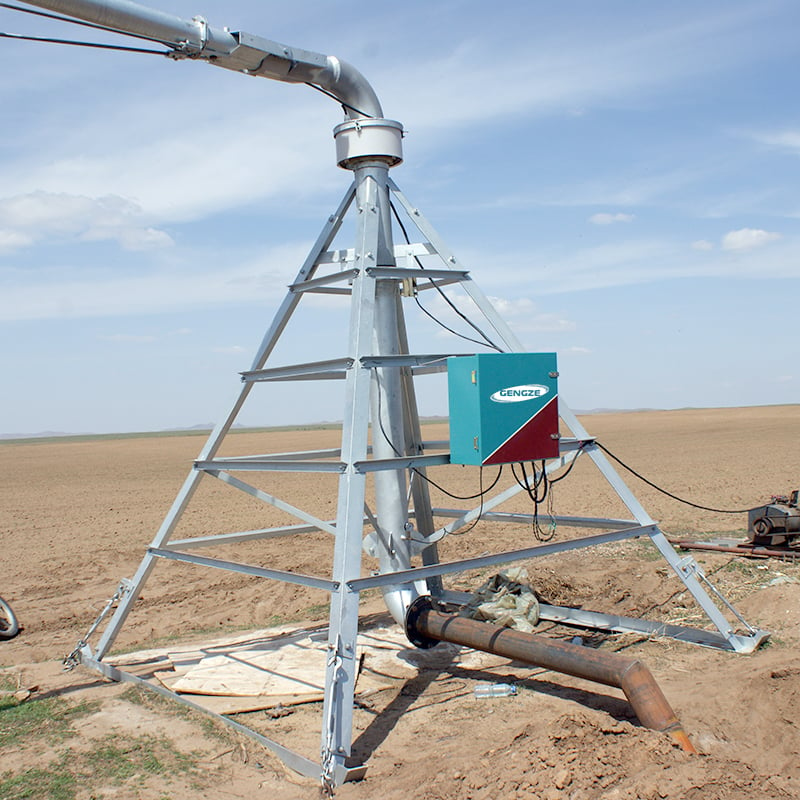
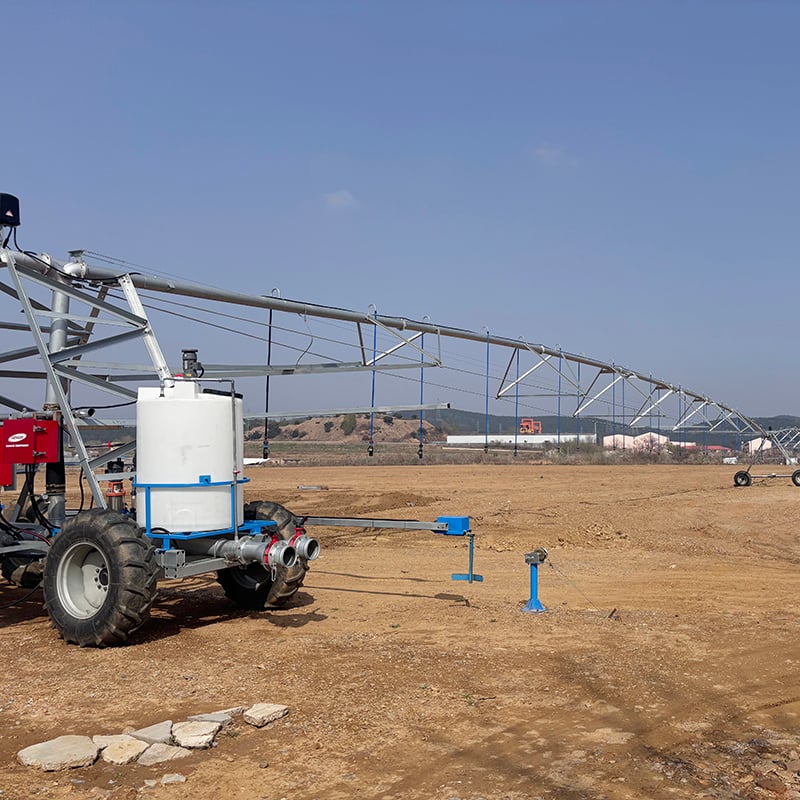
Circular field irrigation systems are critical for optimizing agricultural water use and enhancing crop productivity. These systems enable efficient water distribution across circular plots, ensuring that crops receive adequate moisture while minimizing waste. For purchasing managers and agricultural distributors, understanding the specifications, costs, installation, common issues and applications of circular irrigation is essential for making informed decisions. This article will guide you through key aspects of circular field irrigation equipment to help streamline your procurement process.
When evaluating circular field irrigation equipment, several key specifications must be considered:
Diameter and Coverage: The size of the irrigation system's diameter directly affects the area it can cover. Common diameters range from 100 to 600 feet, with larger systems suitable for extensive agricultural operations.
Pressure Requirements: The operational pressure of the system should align with the water source's capabilities. Most circular irrigation systems operate effectively at 30-60 PSI, but higher pressures may be required for larger systems or specific crop types.
Material Quality: High-grade materials such as galvanized steel or UV-resistant polyethylene are preferred for durability and resistance to environmental factors. The choice of materials can impact the system's longevity and maintenance needs.
Control Systems: Modern circular irrigation system systems often include advanced control technologies, such as automated timers and moisture sensors, which can optimize water usage and enhance efficiency.
Pump Capacity: The irrigation pump must be capable of meeting the system's water delivery requirements. Sizing the pump correctly is essential to avoid underperformance or excessive energy consumption.
Understanding these specifications allows buyers to choose equipment that meets their operational needs and budget constraints.
Purchasing circular field irrigation systems involves several cost considerations:
Initial Investment: The upfront cost includes the equipment, installation, and any necessary modifications to existing infrastructure. Prices can vary significantly based on system size and features.
Operating Costs: Assess ongoing expenses, including water usage, energy consumption for pumps, and maintenance. Efficient systems can lead to lower operating costs over time.
Customization: Custom features may incur additional costs but can enhance system performance. Discussing customization options with suppliers can help align the system with specific agricultural practices.
Financing Options: Some manufacturers offer financing plans or leasing options, which can ease the financial burden on farmers and distributors. Exploring these options can lead to better cash flow management.
Potential Grants or Subsidies: Investigating government programs that support sustainable agriculture practices may reveal funding opportunities to offset initial costs.
By thoroughly evaluating these factors, buyers can make cost-effective decisions that enhance their irrigation capabilities.
Proper installation of circular field irrigation systems is vital for maximizing efficiency and performance. Here are essential considerations:
Site Assessment: Before installation, conduct a detailed site analysis to determine soil types, topography, and existing water sources. This information is crucial for selecting the appropriate system configuration.
Professional Installation: Engaging experienced professionals for installation can help avoid common pitfalls. Ensure that the installation team is familiar with your specific system and local regulations.
System Calibration: After installation, calibrate the system to ensure optimal performance. This includes adjusting the pump settings and control systems based on the specific crop requirements and field conditions.
Training: Providing training for operators on how to use and maintain the circular pivot irrigation system effectively can prevent operational issues and prolong the system's life.
Following these guidelines will help ensure that your circular field irrigation system operates efficiently from day one.
Despite their advantages, circular field irrigation systems can encounter several common issues:
Uneven Water Distribution: This can result from incorrect pressure settings or blockages in the system. Regular maintenance checks and monitoring can help identify and resolve these issues promptly.
System Leaks: Leaks can develop in the hoses or fittings over time. Regular inspections and timely repairs are essential to minimize water loss and maintain efficiency.
Pump Failures: Pumps are critical to system performance. Buyers should select reliable pump brands with good warranties and service support to mitigate downtime due to failures.
Clogged Nozzles: Sediment and mineral buildup can clog nozzles, leading to uneven irrigation. Installing filtration systems can help prevent this problem.
By being proactive and addressing these common issues, users can maintain optimal performance and extend the lifespan of their irrigation systems.
Circular field irrigation systems have diverse applications in modern agriculture:
Row Crop Irrigation: These systems are ideal for irrigating row crops like corn and soybeans, offering uniform coverage that promotes healthy growth.
Pasture Irrigation: Farmers can use circular irrigation to efficiently water pastures, ensuring livestock have access to healthy grazing areas.
Specialty Crop Production: High-value crops such as fruits and vegetables benefit from precise irrigation, which can be achieved through well-designed circular systems.
Sustainable Practices: Implementing circular field irrigation can reduce water wastage and improve water conservation efforts, aligning with sustainable agricultural practices.
Understanding the various applications of circular field irrigation systems helps buyers recognize their versatility and potential benefits for different farming operations.
By considering key specifications, cost factors, installation guidance, common problems, and applications, purchasing managers and agricultural distributors can make informed decisions when selecting circular field irrigation systems. With over 20 years of experience in manufacturing high-efficiency agricultural equipment, Dalian Gengze Agricultural Equipment Manufacturing Co., Ltd. is committed to providing reliable and cost-effective solutions tailored to meet the specific needs of modern agriculture.

Dalian Gengze Agricultural Equipment Manufacturing Co.,Ltd
Copyright © Dalian Gengze Agricultural Equipment Manufacturing Co.,Ltd All Rights Reserved | Blog | Privacy Policy
 EN