Requesting a Call:
Online Support
Circular irrigation equipment plays a crucial role in modern agriculture, enabling efficient water distribution across large fields. As a B2B buyer, you likely have concerns regarding product specifications, quality, and cost when sourcing these essential systems. This article will provide you with practical insights into the key considerations for selecting circular irrigation equipment, including specifications, cost factors, and why partnering with a reliable manufacturer like Dalian Gengze Agricultural Equipment Manufacturing Co., Ltd. can benefit your operations.
When evaluating Gengze circular irrigation equipment, several key specifications should be carefully considered to ensure optimal performance.
Flow Rate: The flow rate, measured in gallons per minute (GPM) or liters per second (L/s), indicates the volume of water the system can deliver. It’s essential to match the flow rate to your crop's irrigation needs, as insufficient flow can lead to uneven watering, while too much can cause runoff and waste.
Pressure Requirements: Understanding the operating pressure is critical. Circular irrigation systems typically operate within a specific pressure range to maintain efficiency. Buyers should verify the pressure ratings of pumps and sprinklers to ensure they meet the requirements of their specific hose reel irrigation.
Material Durability: The materials used in the construction of the equipment impact its longevity and resistance to environmental factors. Look for equipment made from high-quality, UV-resistant materials that can withstand moisture and varying temperatures.
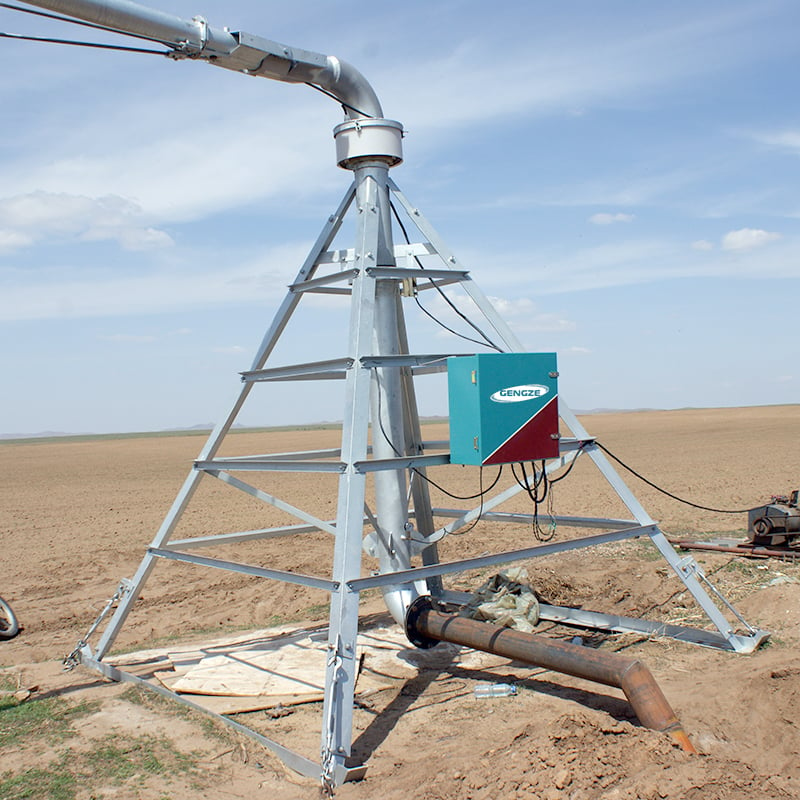
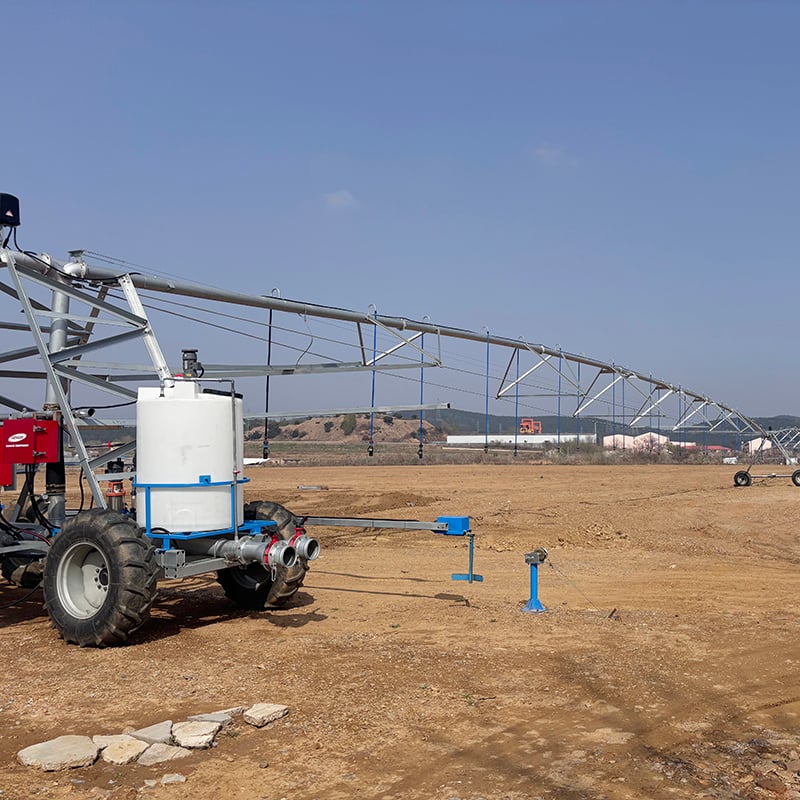
System Configuration: Various configurations exist, including center pivot, lateral move, and solid set systems. The choice depends on field size, crop type, and terrain. Ensure that the chosen configuration aligns with your agricultural practices.
Automation Features: Many modern systems come equipped with automation capabilities, allowing for remote control and monitoring. This can enhance efficiency and reduce labor costs, making it a valuable feature to consider.
Understanding these specifications will help you select the right circular irrigation equipment that meets your operational requirements.
The cost of circular irrigation equipment can vary significantly based on several factors. Here’s what you should consider when budgeting for your purchase:
Initial Investment vs. Long-Term Savings: While high-efficiency systems may come with a higher upfront cost, they can lead to significant savings through reduced water usage and maintenance costs over time. Assess the total cost of ownership rather than just the purchase price.
Customization Requirements: Custom solutions may incur additional costs. If your agricultural operation has unique requirements, such as specific field configurations or advanced technology integration, be prepared for potential price increases.
Warranty and Support Services: Consider the warranty terms and after-sales support offered by the manufacturer. A comprehensive warranty can provide peace of mind and protect your investment, while adequate support services can minimize downtime.
Shipping and Installation Costs: Factor in transportation fees, which can vary based on distance and logistics arrangements. Additionally, installation costs can add to the overall expense, particularly for complex systems that require professional setup.
Maintenance and Operating Costs: Regular maintenance is necessary to ensure the longevity and efficiency of your irrigation system. Evaluate the potential long-term costs associated with upkeep and repairs when making your purchasing decision.
By understanding these cost factors, you can make informed choices that align with your budget and operational needs.
Collaborating with our brand offers several advantages for buyers seeking circular irrigation equipment.
Proven Experience: With over 20 years of expertise in manufacturing agricultural equipment, our brand has a deep understanding of industry needs and challenges. Their experience as an OEM for a leading U.S. irrigation brand since 2000 highlights their commitment to quality and innovation.
High-Quality Manufacturing Standards: We adhere to stringent quality control processes throughout the production cycle. This ensures that the equipment meets international standards and performs reliably in various agricultural environments.
Customization Capabilities: We offer customization services to meet specific buyer requirements. Whether you need unique dimensions, features, or materials, their team can work with you to develop tailored solutions.
Global Supply Chain: Our brand has established a robust export market, allowing them to supply high-efficiency irrigation systems globally. This experience means they can navigate international shipping and logistics efficiently, ensuring timely delivery.
Comprehensive Product Range: Beyond center point irrigation system, we manufacture a variety of agricultural equipment, including manure spreader trailers and slurry spreaders, allowing buyers to streamline their procurement processes from a single trusted source.
Partnering with Gengze not only ensures access to reliable equipment but also fosters a collaborative relationship that can enhance your agricultural operations.
The materials used in circular irrigation equipment are fundamental to its performance and durability. Here are some key material considerations:
Pipes and Fittings: Look for high-density polyethylene (HDPE) or PVC materials for pipes and fittings, as these offer excellent resistance to corrosion and can withstand varying pressure levels. The choice of material affects the system's overall longevity and maintenance needs.
Sprinkler Heads: The design and materials of sprinkler heads influence water distribution accuracy and efficiency. Brass and stainless steel components are often preferred for their durability and resistance to wear.
Frame and Support Structures: The frame should be constructed from galvanized steel or high-strength aluminum to provide stability and resistance to environmental factors. Ensure that the material can withstand the weight of the system and any associated mechanical components.
Coatings and Treatments: Protective coatings can enhance the lifespan of components exposed to moisture and UV rays. Consider systems with advanced surface treatments that reduce wear and prolong usability.
Seals and Gaskets: The quality of seals and gaskets is crucial for preventing leaks. Look for high-performance materials that maintain their integrity under pressure and temperature variations.
Selecting high-quality materials for your irrigation systems contributes to their overall effectiveness and reduces the likelihood of costly repairs or replacements.
Circular irrigation systems are versatile and can be applied across various agricultural sectors. Here are some common applications:
Row Crops: Circular irrigation is particularly effective for row crops like corn, soybeans, and vegetables. The system’s ability to provide even water distribution helps maximize yield potential while minimizing water waste.
Orchards and Vineyards: In fruit production, consistent watering is essential for quality crop development. Circular irrigation systems can be tailored to deliver precise amounts of water, promoting healthy growth and fruit quality.
Seedling Production: For nurseries and greenhouses, circular irrigation equipment can support the delicate needs of seedlings. The controlled environment allows for optimal growth conditions, enhancing plant health and reducing the risk of disease.
Pasture Management: Livestock operations benefit from circular irrigation systems that promote healthy pasture growth. By ensuring even water distribution, these systems can help maintain productive grazing areas.
Research and Development: Agricultural research institutions utilize circular irrigation for experimental plots, allowing scientists to study water management techniques and crop responses under controlled conditions.
By understanding the diverse applications of centre pivot irrigation, buyers can better assess how these solutions can fit into their specific agricultural practices and contribute to overall productivity.

Dalian Gengze Agricultural Equipment Manufacturing Co.,Ltd
Copyright © Dalian Gengze Agricultural Equipment Manufacturing Co.,Ltd All Rights Reserved | Blog | Privacy Policy
 EN