Requesting a Call:
Online Support
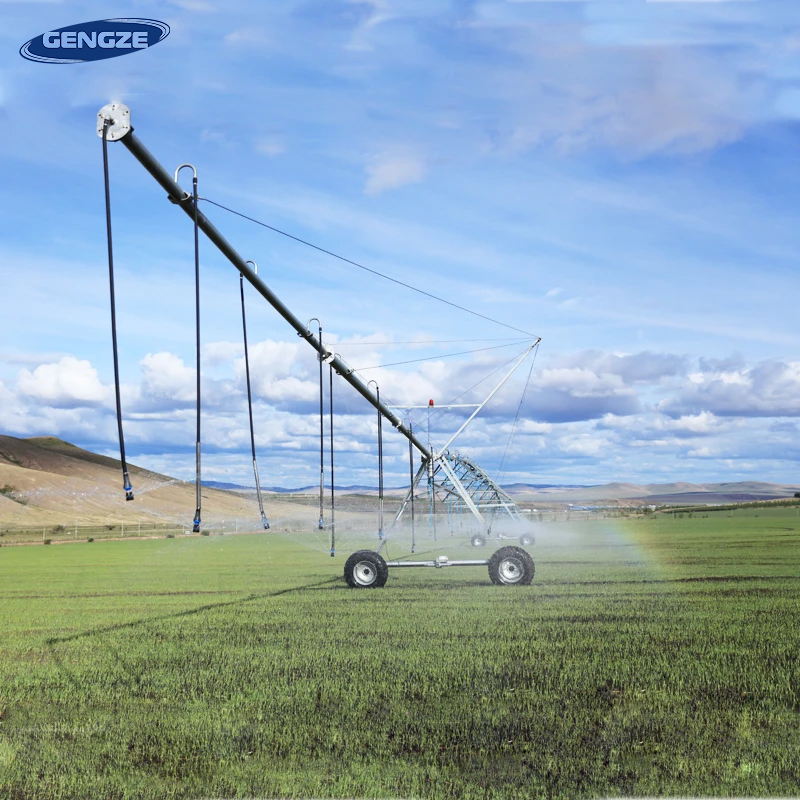
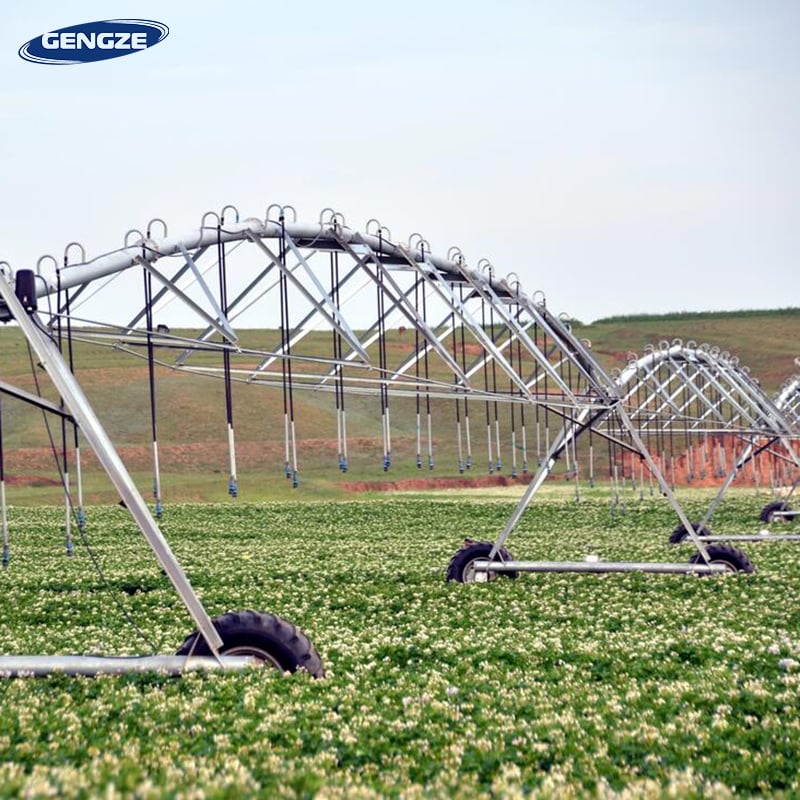
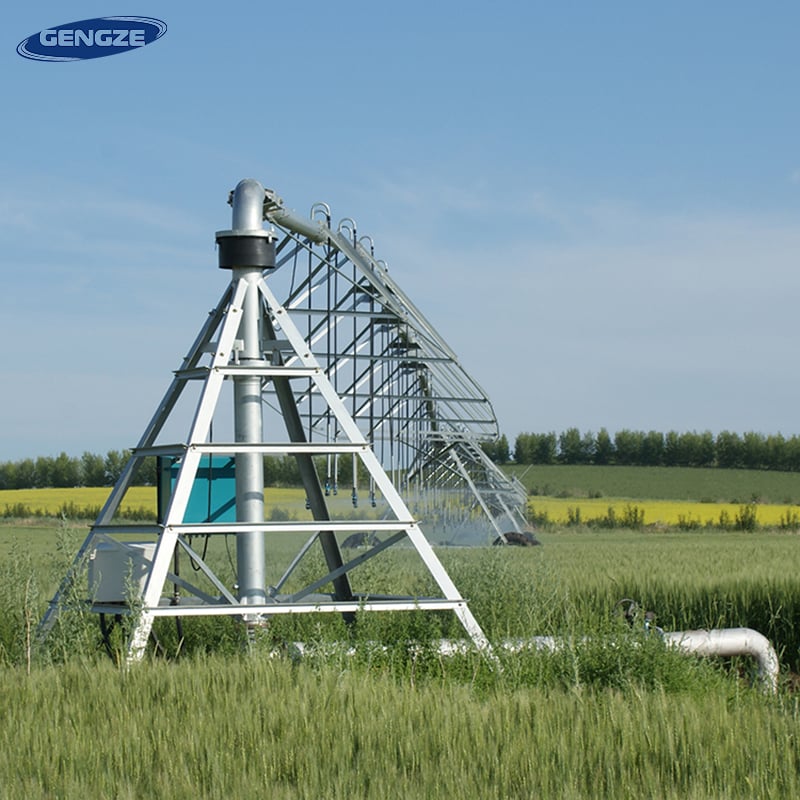
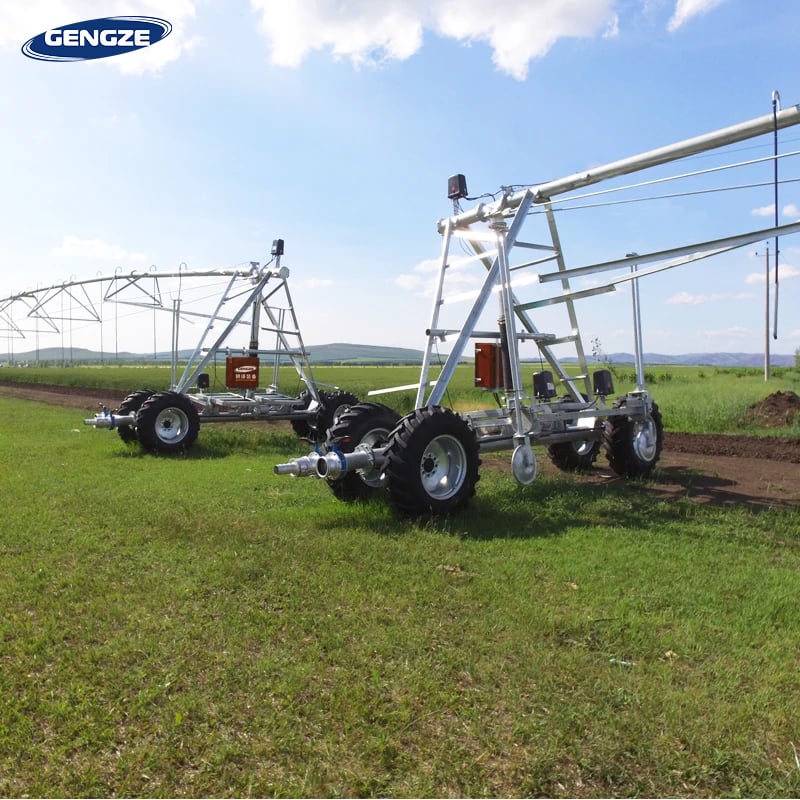
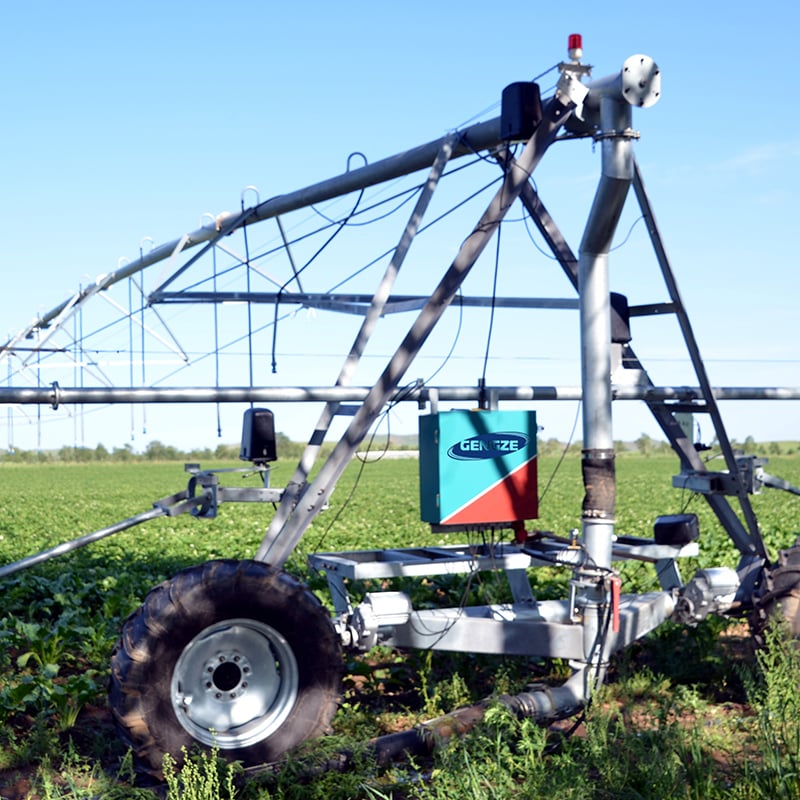
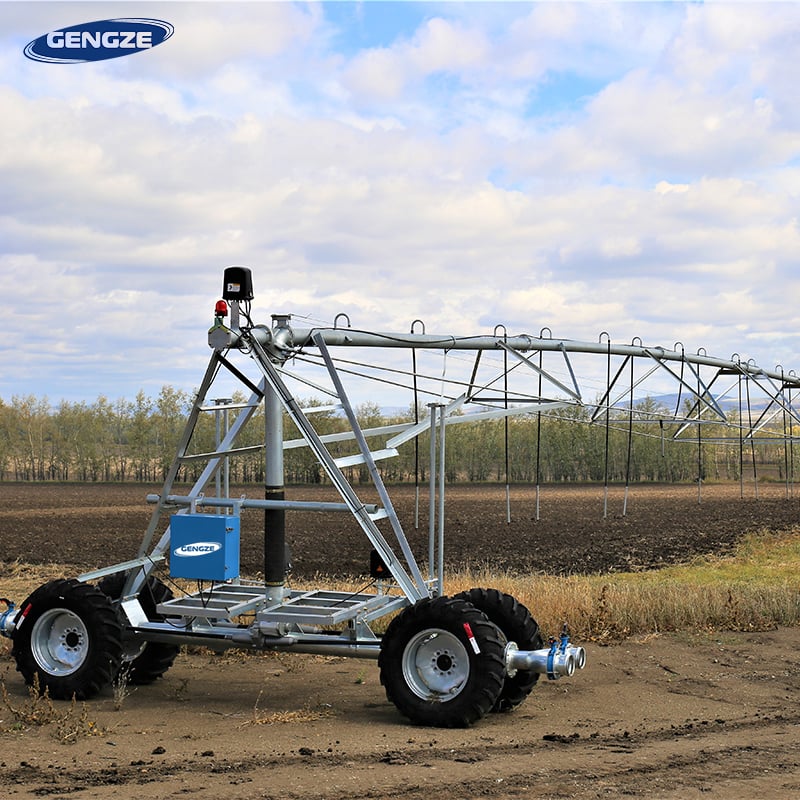
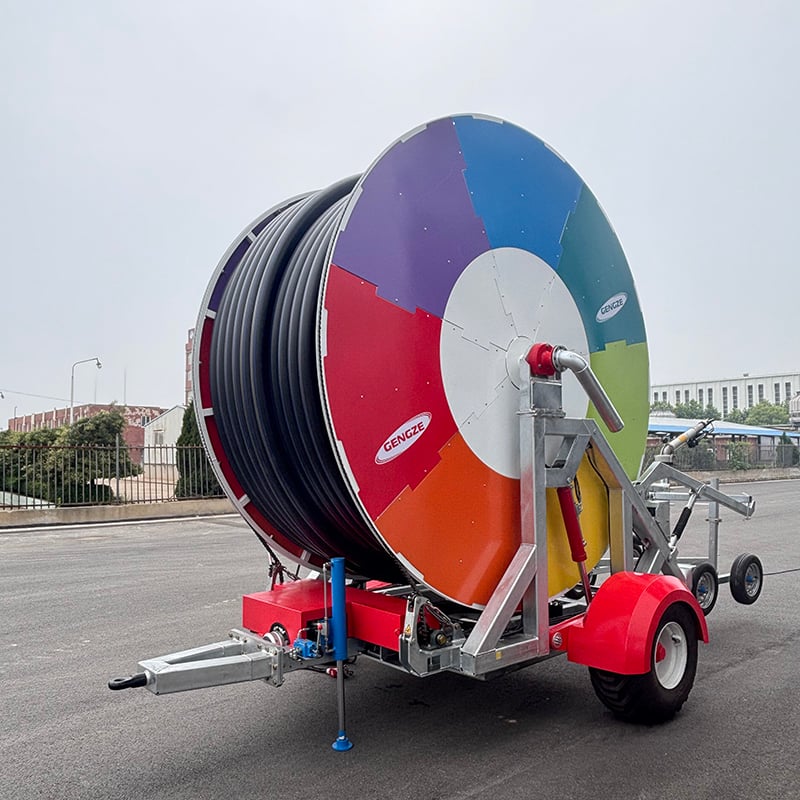
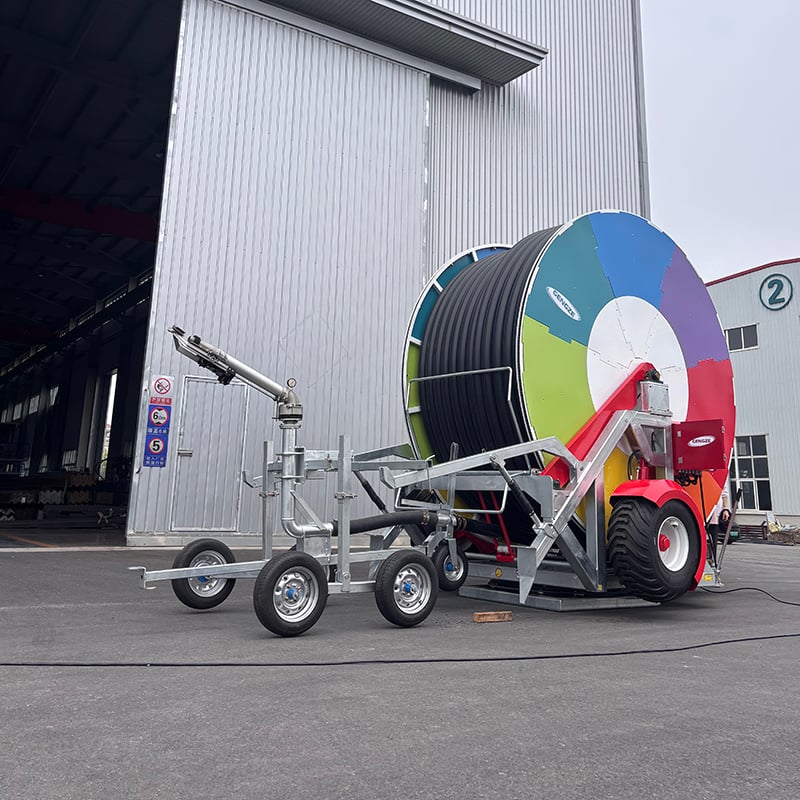
Electric circle irrigation systems are essential tools for modern agriculture, designed to optimize water usage and enhance crop yields. These Gengze circle irrigation system utilize electric power to drive the irrigation process, ensuring efficient water distribution across large fields. As a purchasing manager or an agricultural engineer, you may have concerns about specifications, reliability, and cost-effectiveness when considering an electric circle irrigation system. This article will guide you through the key factors to consider about Gengze circle pivot irrigation, from understanding specifications to evaluating potential manufacturers, helping you make informed purchasing decisions.
When selecting an electric circle irrigation system, understanding its specifications is crucial. Key parameters include the system’s diameter, which typically ranges from 100 feet to over 1,000 feet, affecting the area of coverage and the layout of your farm. The power rating of the electric motor is also important; it should match the system's size and the pressure requirements of your water source.
The material of the pipes is another critical factor. High-density polyethylene (HDPE) is common due to its durability and resistance to corrosion. Buyers should also consider the type of sprinkler heads used, as they impact water distribution and efficiency. Spray patterns and droplet sizes can affect how well water penetrates the soil, which is vital for crop health.
Another specification to consider is the system's flow rate, typically measured in gallons per minute (GPM). This figure of Gengze irrigation circles should align with your water source capacity and your crop's irrigation needs. Finally, ensure that the system meets any local regulations regarding water usage and environmental impact.
Identifying reliable manufacturers is critical for securing a dependable electric circle irrigation system. Look for manufacturers with a solid track record in agricultural equipment, such as Dalian Gengze Agricultural Equipment Manufacturing Co., Ltd, which has over 20 years of experience in the industry. Check for customer reviews and testimonials to assess the company’s reputation.
Additionally, consider manufacturers that offer comprehensive support, including installation services and after-sales support. It's beneficial to request case studies or references from previous clients in your region to understand how the systems perform under local conditions. A manufacturer that provides customization options can also be advantageous, allowing you to tailor the system to your specific agricultural needs.
Certifications such as ISO 9001 can indicate a commitment to quality, while compliance with local agricultural regulations is also essential. Don’t hesitate to ask about the manufacturer’s testing processes and quality control measures to ensure you receive a reliable product.
Cost is a significant factor in purchasing an electric circle irrigation system. Initial costs can vary widely based on the system's size, specifications, and customization options. However, it’s essential to look beyond the upfront price. Consider the total cost of ownership, which includes maintenance, energy consumption, and potential repairs over the system's lifespan.
Energy efficiency should be a key consideration; systems that use less power can lead to substantial savings in electricity bills. Additionally, factor in installation costs, which can vary depending on the complexity of the system and the site conditions.
When comparing quotes from different manufacturers, ensure you are comparing similar specifications. Ask for detailed breakdowns of costs, including any additional features that may be included in the price. Some manufacturers may offer financing options or warranties that can make the investment more manageable.
Like any mechanical system, electric circle irrigation systems can encounter issues. Common problems include uneven water distribution, which may arise from clogged nozzles or malfunctioning pumps. Regular maintenance, including cleaning and inspecting components, can help mitigate these issues.
Another frequent concern is electrical failures, which can disrupt the irrigation schedule. Ensure that the electrical components are properly rated for outdoor use and consider using surge protectors to safeguard against power fluctuations.
Buyers should also be aware of potential issues related to soil compaction, which can affect water infiltration. Implementing proper field management practices and adjusting the irrigation schedule based on soil moisture levels can help alleviate this problem.
Additionally, familiarize yourself with the system's troubleshooting guide provided by the manufacturer. Knowing how to address minor issues can prevent more significant disruptions in your irrigation routine.
Electric circle irrigation systems are versatile and suitable for various agricultural applications. They are particularly effective for large-scale crop production, including grains, vegetables, and orchards. The ability to cover extensive areas efficiently makes them well-suited for farms that require consistent and reliable irrigation.
These systems are also beneficial in regions where water scarcity is a concern. By optimizing water usage, farmers can achieve better yields while conserving resources. Additionally, electric circle irrigation systems can be integrated with precision agriculture technologies, allowing for targeted watering based on real-time soil moisture data.
In specialty crops, such as vineyards or nurseries, these systems can be customized to meet the specific water requirements of different plants. The adaptability of electric circle irrigation systems makes them an essential tool for modern farmers aiming to enhance productivity while managing resources effectively.
By understanding the specifications, evaluating manufacturers, considering cost factors, addressing potential problems, and recognizing application scenarios, buyers can make informed decisions when investing in electric circle irrigation systems. This comprehensive approach will not only optimize agricultural output but also ensure sustainable practices in water management.

Dalian Gengze Agricultural Equipment Manufacturing Co.,Ltd
Copyright © Dalian Gengze Agricultural Equipment Manufacturing Co.,Ltd All Rights Reserved | Blog | Privacy Policy
 EN