Requesting a Call:
Online Support
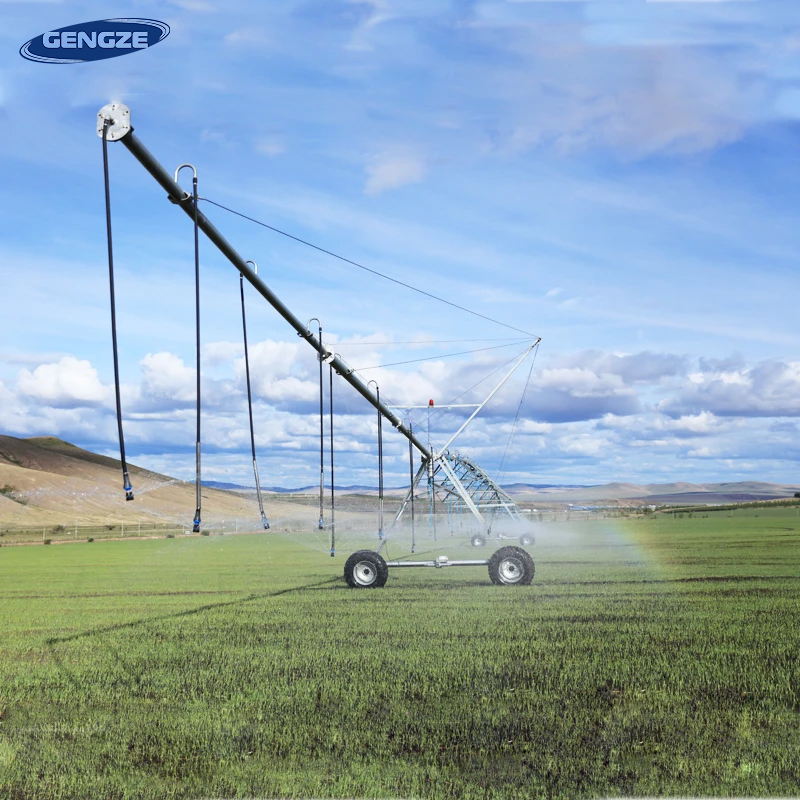
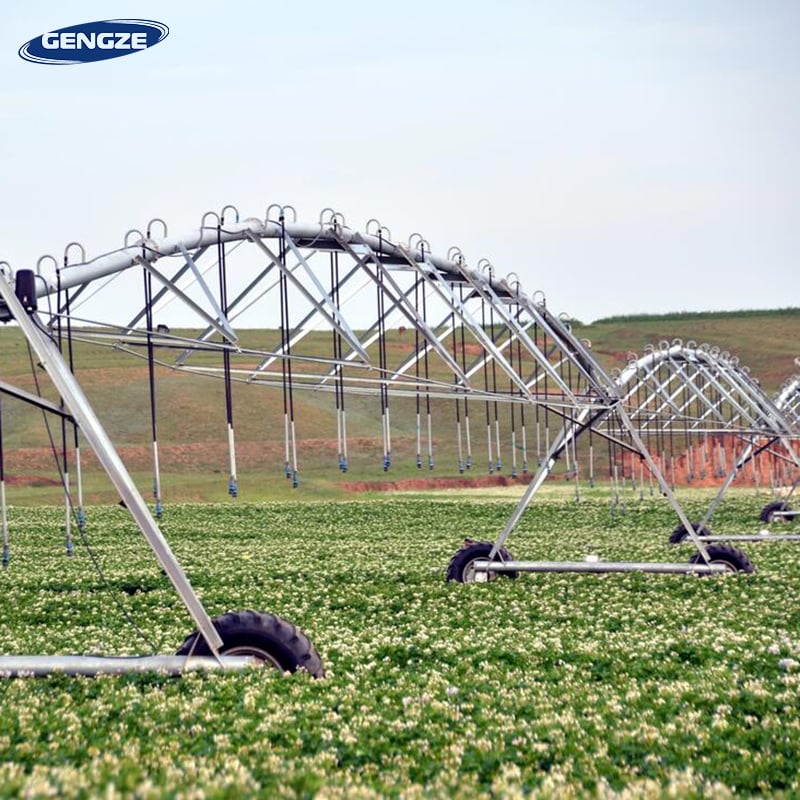
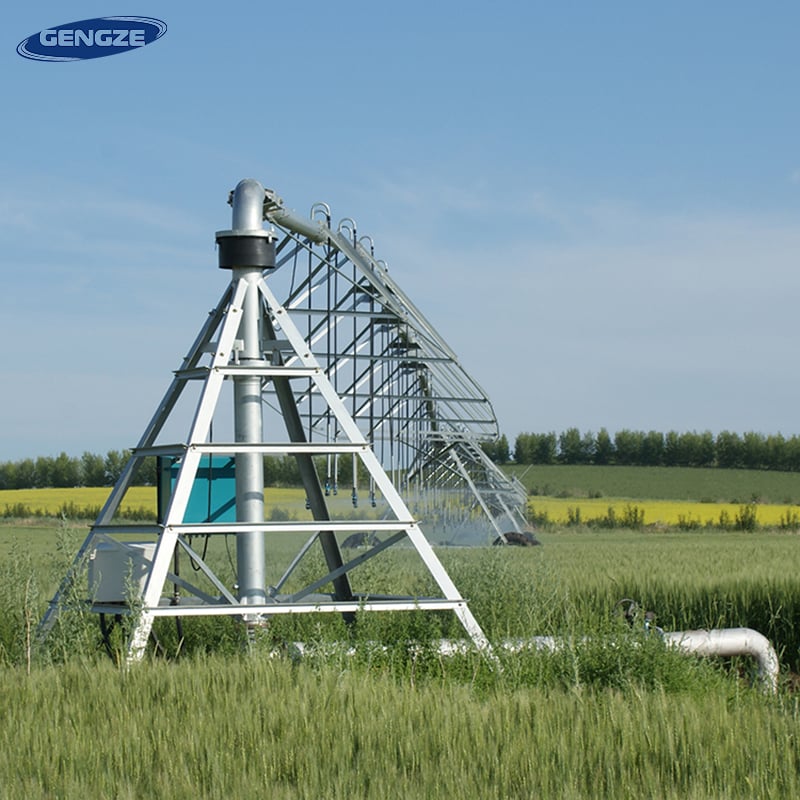
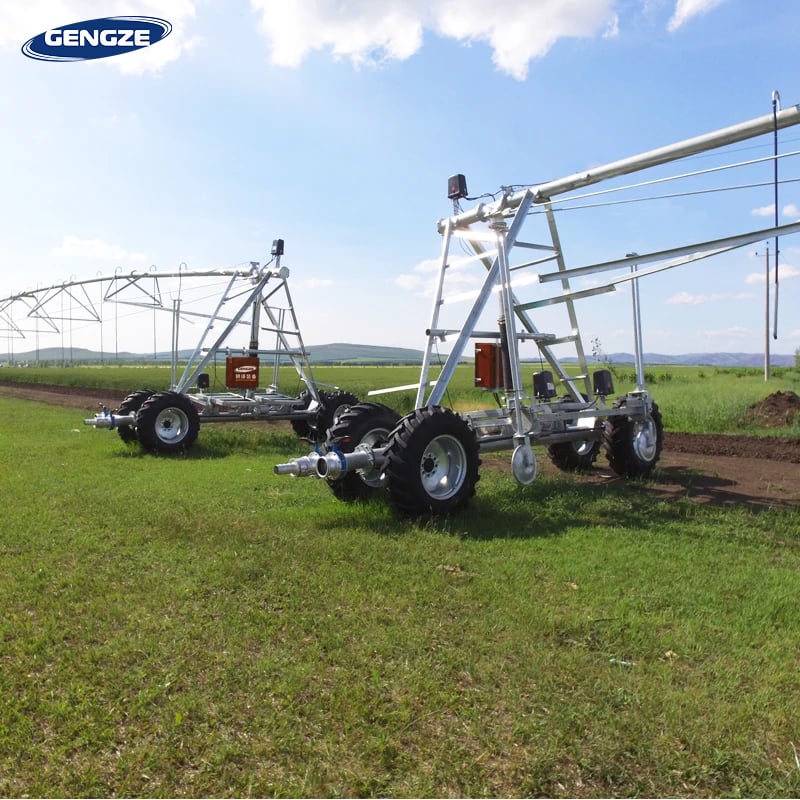
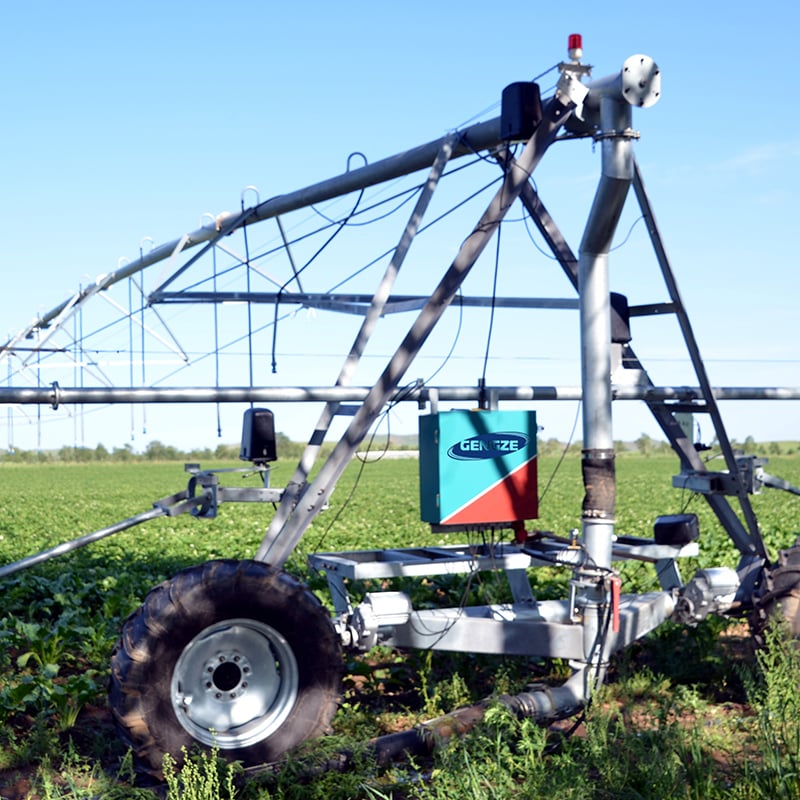
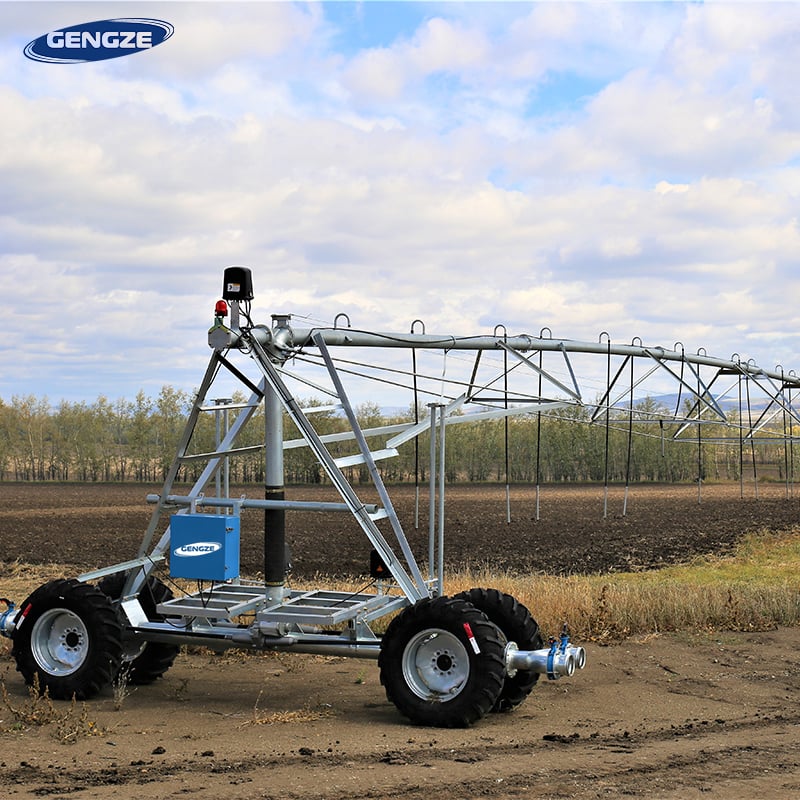
Understanding the lateral move irrigation cost is crucial for wholesale buyers looking to enhance agricultural efficiency and productivity. This type of irrigation system offers a versatile solution for watering large fields with minimal labor and water waste. As a B2B buyer, you may have concerns about the investment needed for these systems, including procurement, installation, and long-term operational costs. This article will provide insights into the factors influencing lateral move irrigation costs, helping you make informed purchasing decisions.
Lateral move irrigation systems are designed to deliver water across large farming areas efficiently. The cost of these systems can vary widely based on several factors, including size, technology, and installation requirements. For wholesale buyers, understanding these cost components is essential for budgeting and financial planning.
Typically, the initial costs of lateral move systems include equipment purchase, installation, and potential site preparation. The equipment itself can range from basic models to advanced systems equipped with precision technology. Buyers should also consider ongoing expenses such as maintenance, water usage, and energy costs, which can significantly impact the total cost of ownership over time.
Additionally, buyers may face costs related to customization, depending on the specific needs of their agricultural operations. For instance, larger fields may require longer lateral systems, which can increase upfront investment. Understanding these dynamics will help you evaluate the total cost effectively and make a strategic purchasing decision.
When assessing Gengze lateral move irrigation systems, several key specifications should be compared to ensure the selected system meets agricultural needs. These include:
System Length and Width: The dimensions of the irrigation system will dictate the area it can cover. Longer systems can irrigate larger fields but may incur higher costs.
Water Application Rate: This specification indicates how quickly water is distributed across the field. It’s vital to ensure the application rate aligns with crop requirements to avoid over- or under-irrigation.
Motor Power and Drive Type: The type of motor and drive system affects both the efficiency and maintenance needs of the irrigation system. Electric motors, for instance, may be more efficient but could require specific infrastructure.
Material Quality: The construction materials (such as galvanized steel or high-density polyethylene) impact durability and resistance to environmental conditions. Higher-quality materials may lead to lower long-term costs due to reduced maintenance and replacement needs.
Control Systems: Advanced control technologies enhance automation and precision, enabling better management of water distribution. Evaluate whether the system offers compatibility with existing farm management software.
Customization Options: Depending on specific field layouts and crop types, some systems may offer customizable features for optimal performance. Buyers should inquire about available options.
Understanding these specifications will help buyers select a lateral move irrigation system that fits their operational requirements and budget constraints.
Installing a Gengze lateral move irrigation system requires careful planning and execution to ensure optimal performance. Here are some key considerations:
Site Assessment: Before installation, conduct a thorough assessment of the field to understand soil types, topography, and water sources. This information will guide the selection of the appropriate system length and configuration.
Infrastructure Preparation: Ensure that the necessary infrastructure, such as power sources and water supply lines, is in place. This may involve trenching for piping or installing electrical connections for motorized systems.
Professional Installation: Engaging experienced professionals for installation is crucial. They can provide insights into proper alignment and leveling, which are essential for uniform water distribution.
Testing and Calibration: After installation, conduct testing to ensure the system operates correctly. Calibration checks should be performed to verify that water application rates meet the intended specifications.
User Training: Provide training for operators to ensure they understand the system’s control features, maintenance needs, and troubleshooting procedures.
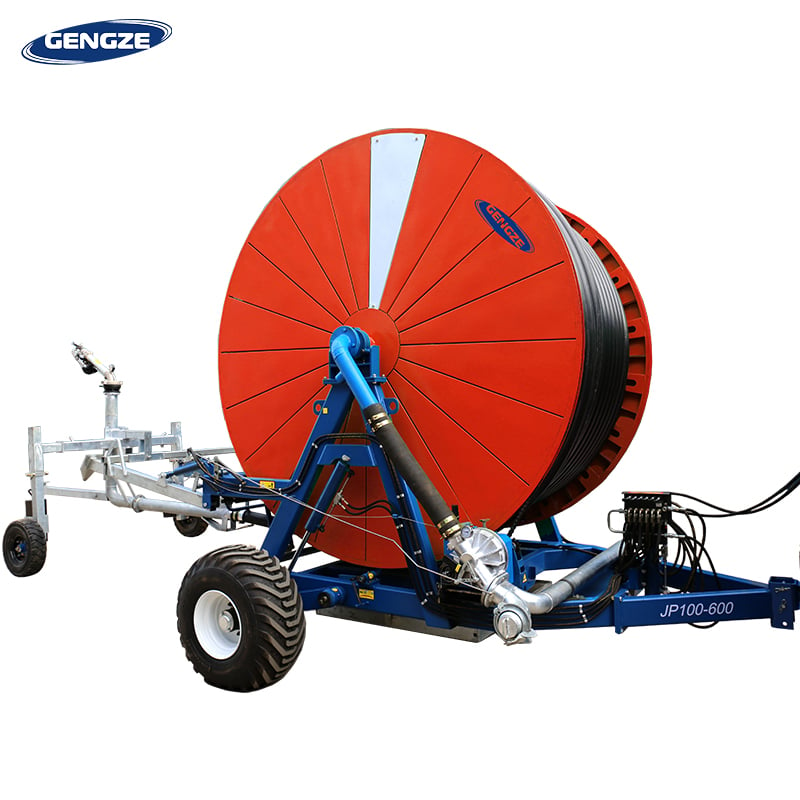
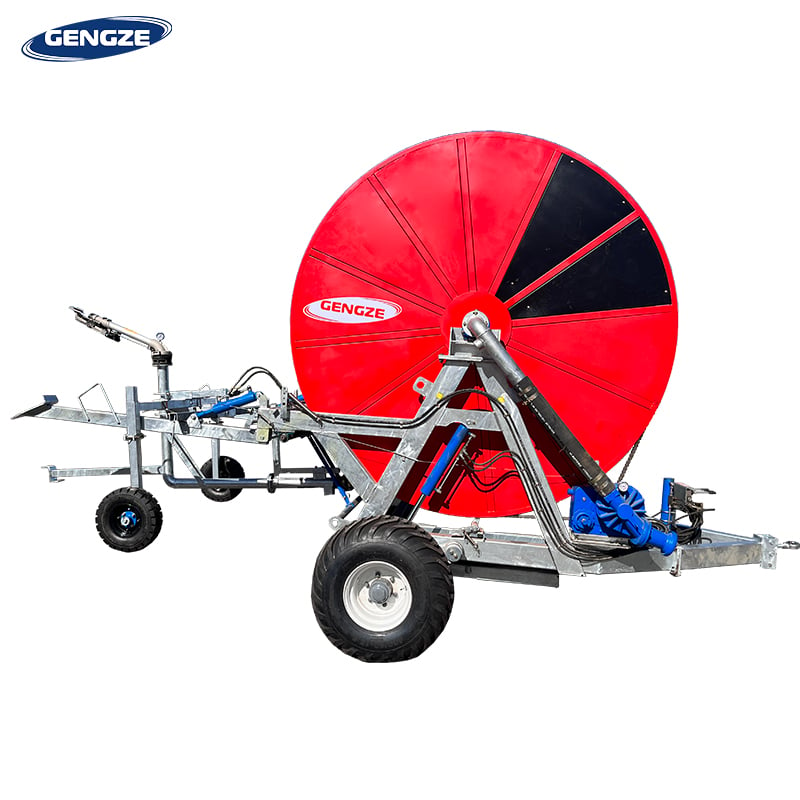
A well-planned installation process will enhance the efficiency and longevity of your reel sprinklers irrigation.
Several cost factors influence the overall price of Gengze lateral move irrigation systems. Buyers should be aware of these to make informed decisions:
System Size: Larger systems typically have higher upfront costs due to increased materials and complexity in design.
Technology Features: Advanced technologies, such as GPS tracking and automated controls, can significantly increase costs but may provide greater efficiency and water conservation.
Customization Needs: Custom features to suit specific agricultural practices can add to the cost. Buyers should assess whether such investments will lead to higher returns through improved yield or reduced labor costs.
Installation Complexity: The intricacy of the installation process can also affect pricing. More complex installations may require specialized labor, increasing overall costs.
Maintenance and Operational Costs: Consideration of long-term costs, including routine maintenance and energy consumption, is essential to understanding the full financial commitment involved in hose reel irrigation system.
By evaluating these cost factors, buyers can better align their budgets with their operational goals.
Lateral move irrigation systems are versatile tools that can be used across various agricultural applications. Here are some key areas where these systems excel:
Row Crops: These systems are particularly effective for irrigating row crops such as corn, soybeans, and vegetables. The ability to deliver water evenly across wide areas enhances crop growth and yield.
Precision Agriculture: With the integration of modern technology, lateral move systems can be adapted for precision agriculture practices, enabling targeted watering based on crop needs and soil moisture levels.
Diverse Field Conditions: These systems are suitable for various field conditions, including uneven terrain, where traditional fixed systems may struggle to provide uniform coverage.
Water Conservation: By utilizing advanced control technologies, lateral move irrigation systems can optimize water usage, making them a sustainable choice for modern farms facing water scarcity issues.
Crop Rotation Flexibility: The adaptability of lateral move systems allows farmers to switch between different crops throughout the growing season without significant changes to the lateral move irrigation setup.
Understanding these applications can help buyers appreciate the potential benefits of investing in lateral move irrigation systems for their agricultural practices.

Dalian Gengze Agricultural Equipment Manufacturing Co.,Ltd
Copyright © Dalian Gengze Agricultural Equipment Manufacturing Co.,Ltd All Rights Reserved | Blog | Privacy Policy
 EN