Requesting a Call:
Online Support
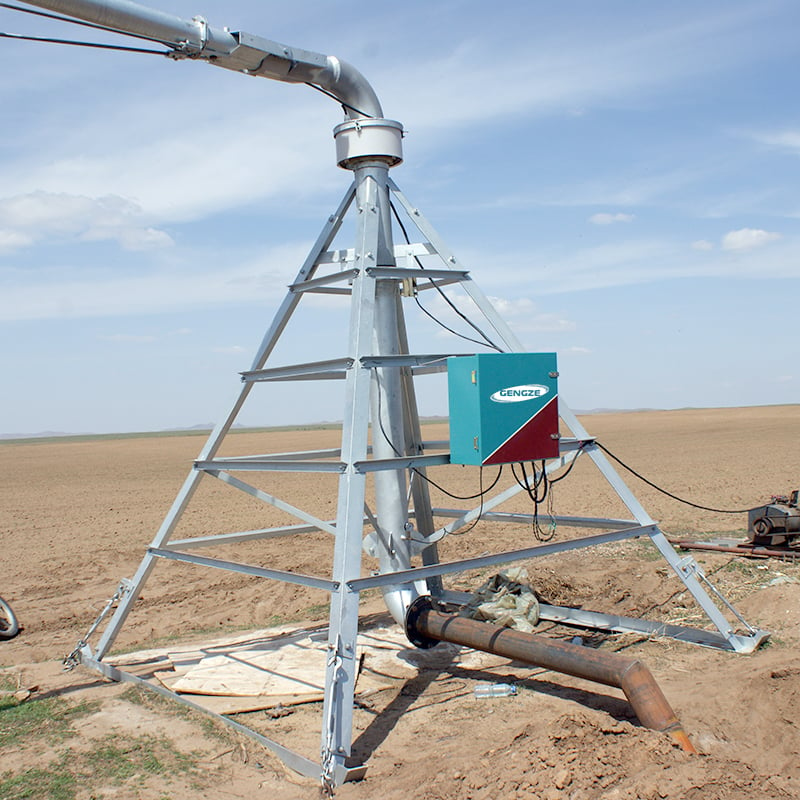
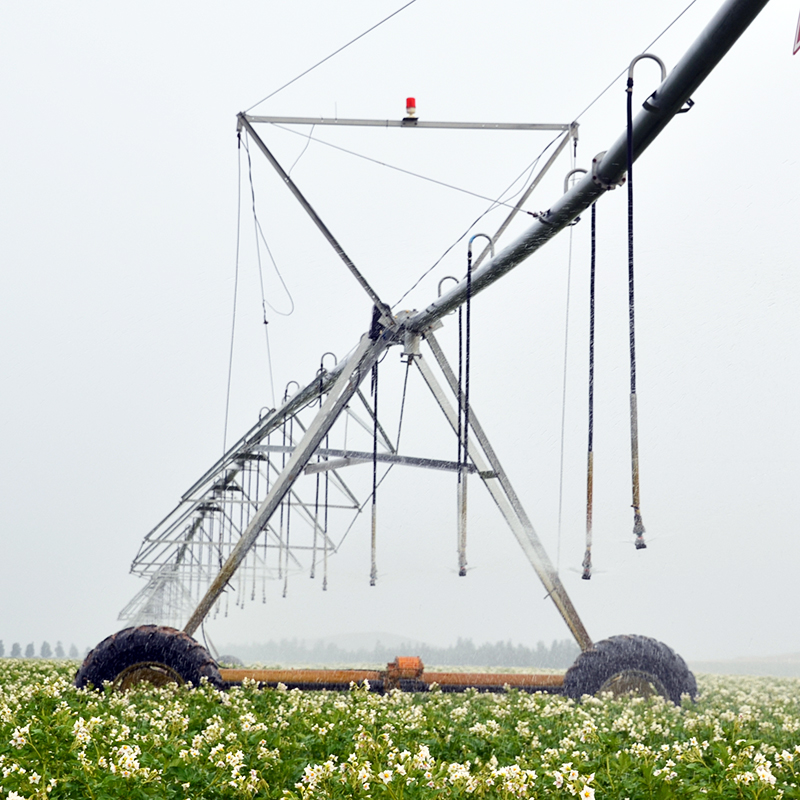
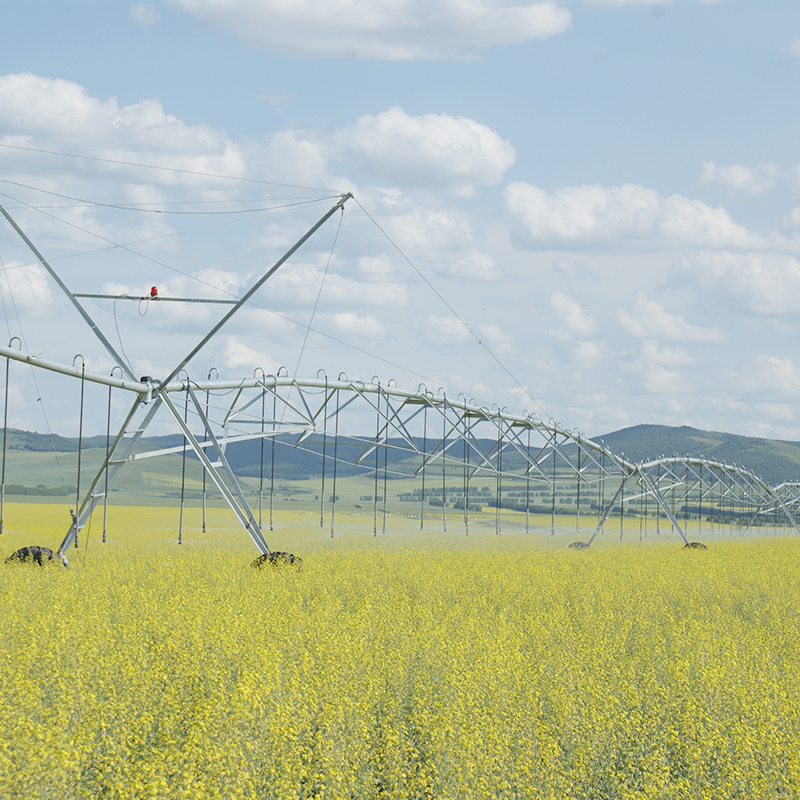
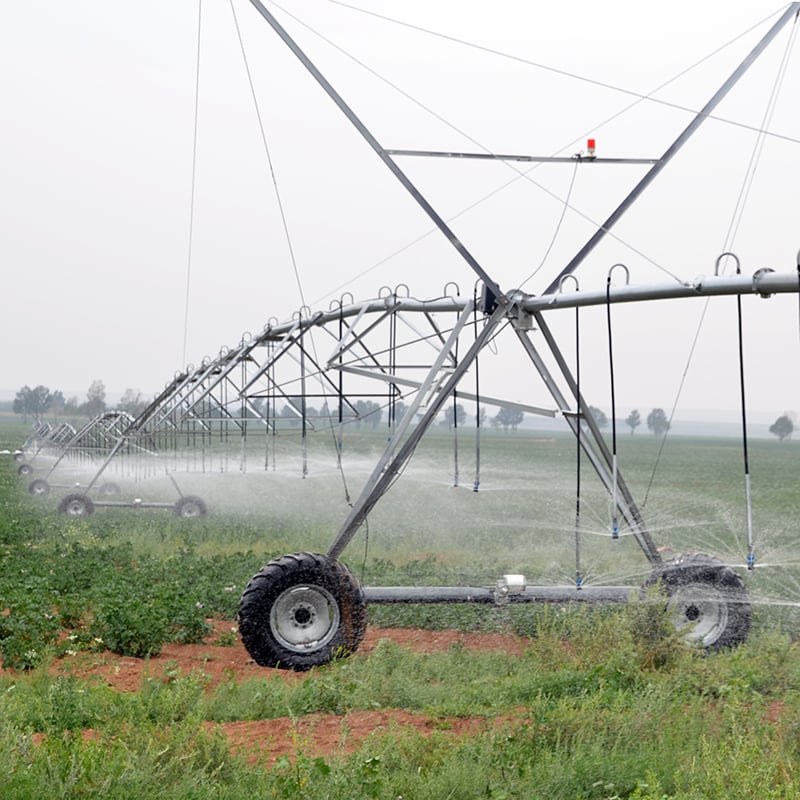
Mobile center pivot irrigation systems are vital tools for modern agricultural practices, enabling efficient water distribution across extensive crop areas. As a purchaser or manager in the agricultural sector, your main concerns likely revolve around the system's performance, cost-effectiveness, and adaptability to your specific farming needs. This article will guide you through the essential factors to consider when selecting a mobile center pivot irrigation system, helping you make informed purchasing decisions that align with your operational goals.
Selecting the right mobile center pivot irrigation system involves assessing various factors tailored to your agricultural needs. Start by evaluating the size of your fields; larger areas may require more extensive systems with longer reach. Consider the crop types you grow, as certain crops may benefit from specific irrigation patterns or water delivery methods.
Additionally, examine the terrain of your fields. Uneven or hilly landscapes may necessitate systems with advanced features that can adapt to varying elevations. Look for systems that offer customization options, allowing you to modify the setup according to your unique field layout. This adaptability is crucial for maximizing water efficiency and ensuring even distribution across your crops.
Lastly, consider your budget and the total cost of ownership, which includes installation, maintenance, and operational expenses. Investing in a high-quality system can lead to long-term savings through reduced water usage and improved crop yields.
When evaluating mobile center pivot irrigation systems, several key specifications are critical:
Span Length: The distance between the pivot point and the end of the system affects the area covered and the irrigation uniformity. Ensure the span length is suitable for your field sizes.
Drive Mechanism: Mobile center pivots can be driven by electric motors, hydraulic systems, or mechanical drives. Each has different maintenance needs and efficiency levels. Electric drives are generally more efficient, but hydraulic systems can offer better torque for uneven terrains.
Pipe Diameter: The diameter of the pipes influences water flow rates and pressure. Larger diameters can deliver water more quickly but may require more powerful pumps.
Control Systems: Advanced control systems allow for automated irrigation schedules and remote monitoring, providing real-time data on water usage and system performance. This technology can optimize irrigation practices and reduce labor costs.
Material Construction: The quality of materials used in construction affects the system's durability and longevity. Look for systems made from corrosion-resistant materials, as they will withstand harsh agricultural environments better.
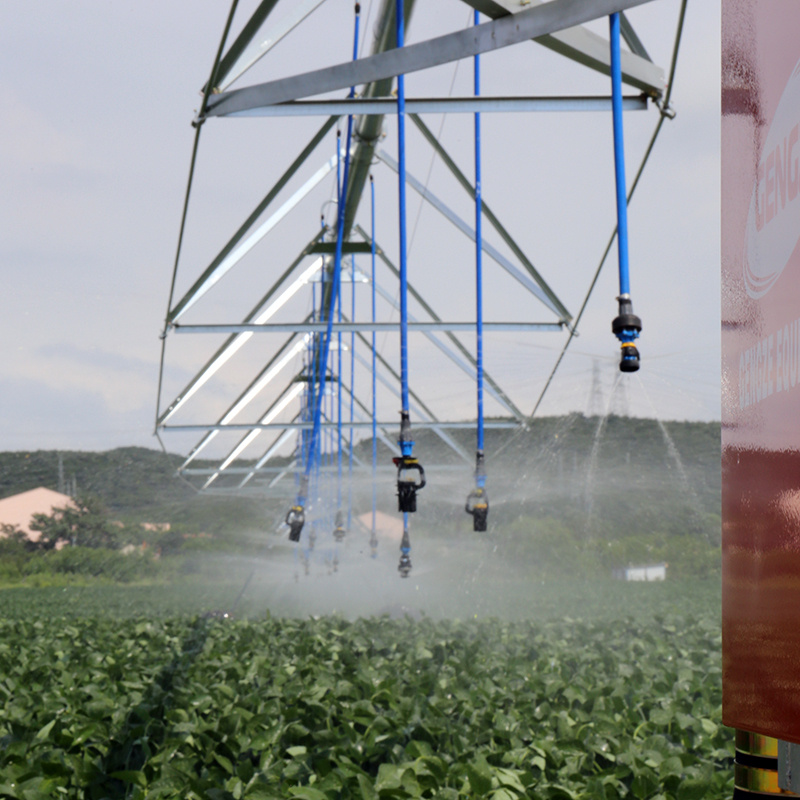
Customization Features: Features such as adjustable nozzles and varying application rates can help tailor the irrigation process to specific crop needs.
Understanding these specifications will help you select a system that meets your operational requirements effectively.
The cost of mobile irrigation system can vary significantly based on several factors. Primary among these is the system size; larger systems typically incur higher initial costs. Additional cost considerations include:
Installation Costs: This encompasses site preparation, labor, and setup. Complex installations on uneven terrain may increase costs.
Maintenance and Repair: Regular maintenance is needed to ensure optimal performance. Consider the availability of service parts and support from manufacturers, as these can impact long-term costs.
Operational Costs: These include energy costs for running the system, water sourcing, and labor. Systems that optimize water use can lead to substantial savings over time.
Financing Options: Investigate financing or leasing options that might be available through suppliers. This can make acquiring a high-quality system more manageable within your budget constraints.
Understanding these factors allows you to calculate the total cost of ownership and make more informed purchasing decisions.
Finding a reliable supplier for mobile center pivot irrigation systems is crucial for ensuring quality and support. Start by researching manufacturers with a strong reputation in the agricultural equipment industry, particularly those specializing in irrigation systems. Established companies, such as Dalian Gengze Agricultural Equipment Manufacturing Co., Ltd., offer recognized brands and years of experience in the field.
Look for suppliers that provide detailed product specifications and customer support services. It's also beneficial to check for customer reviews and case studies, which can offer insights into the supplier's reliability and product performance.
Additionally, consider suppliers that provide customization options and are willing to collaborate on unique projects. Engaging with manufacturers at industry events or agricultural expos can also help you make connections and ask direct questions about their products and services.
Mobile center pivot irrigation systems can face several challenges that may affect performance. Understanding these issues and their solutions can help you maintain optimal functionality:
Uneven Water Distribution: This can occur due to malfunctions in the nozzles or uneven terrain. Regular maintenance checks and adjustments can help ensure proper alignment and function.
Mechanical Failures: Components such as gears and motors can wear out over time. Establish a regular inspection schedule to identify and replace worn parts before they fail.
Water Pressure Issues: Inconsistent water pressure can lead to inadequate irrigation. Installing pressure regulators and monitoring systems can help maintain optimal pressure levels.
Clogged Nozzles: Debris and sediment can clog nozzles, impacting water flow. Regular cleaning and filtration systems can prevent this issue.
System Control Failures: Advanced control systems can sometimes malfunction. Ensure you have a reliable support line with your supplier for troubleshooting and repairs.
By proactively addressing these issues and establishing a maintenance plan, you can enhance the longevity and efficiency of your mobile center pivot irrigation system.
In summary, selecting the right mobile center pivot irrigation machine design involves careful consideration of specifications, costs, and reliable suppliers. With the right approach, you can optimize your irrigation strategies, improve crop yield, and ensure sustainable agricultural practices.

Dalian Gengze Agricultural Equipment Manufacturing Co.,Ltd
Copyright © Dalian Gengze Agricultural Equipment Manufacturing Co.,Ltd All Rights Reserved | Blog | Privacy Policy
 EN