Requesting a Call:
Online Support
Pivot irrigation systems are essential for modern agricultural practices, allowing for efficient water distribution across vast fields. As a leading pivot irrigation company, Dalian Gengze Agricultural Equipment Manufacturing Co., Ltd has over 20 years of experience in manufacturing high-quality agricultural equipment, including advanced irrigation systems. This article aims to pivot irrigation address key concerns for B2B buyers, such as product of best center pivot irrigation system selection, pricing, common issues, applications, and efficiency, helping you make informed purchasing decisions.
Selecting the right pivot irrigation system involves understanding your specific agricultural needs, field size, and crop types. Consider the following factors:
Field Size and Shape: Determine the area that requires irrigation. Different systems cater to varying field configurations, such as circular or rectangular layouts. For larger and irregularly shaped fields, a more advanced system may be necessary to ensure complete coverage.
Crop Requirements: Different crops have distinct water needs. Assess the water requirements for the crops you are growing. This will help in selecting a system that can provide the necessary moisture levels without wastage.
Water Source and Quality: Evaluate the pivot irrigation availability and quality of water. Systems may need modifications or additional filtration options if the water contains high levels of sediment or chemicals.
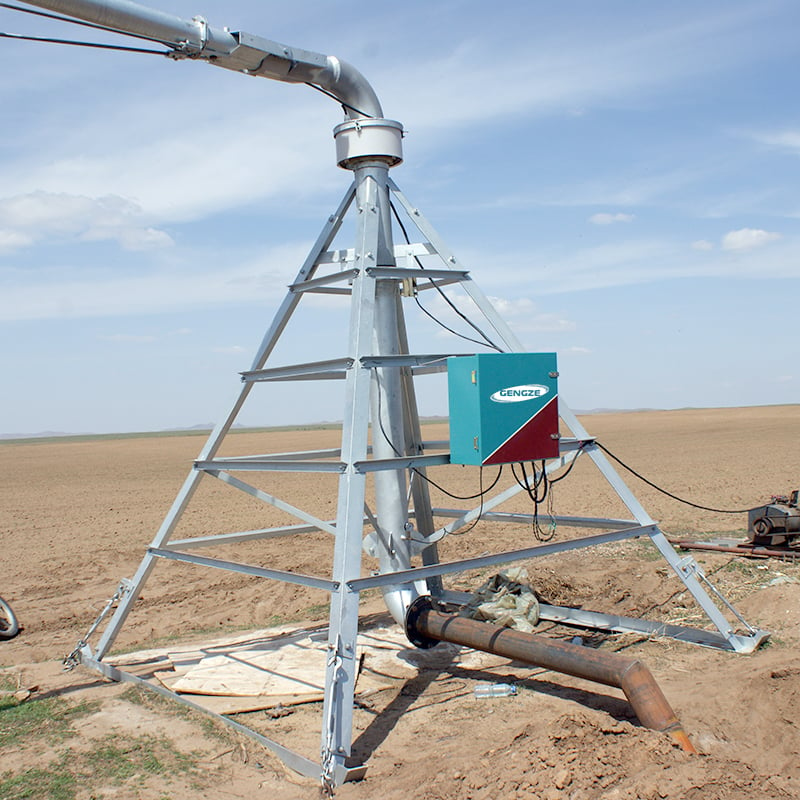
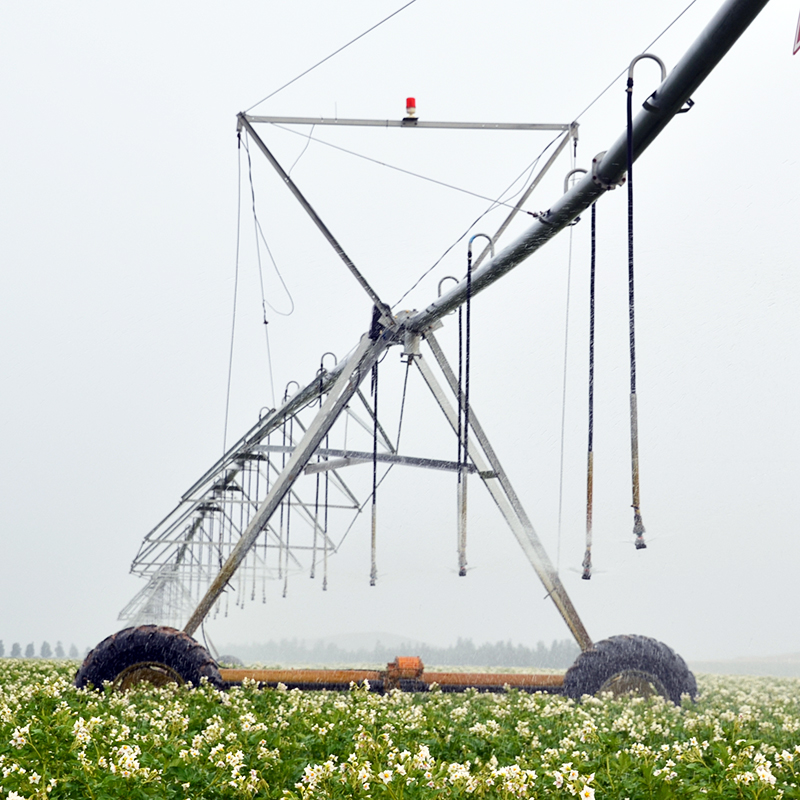
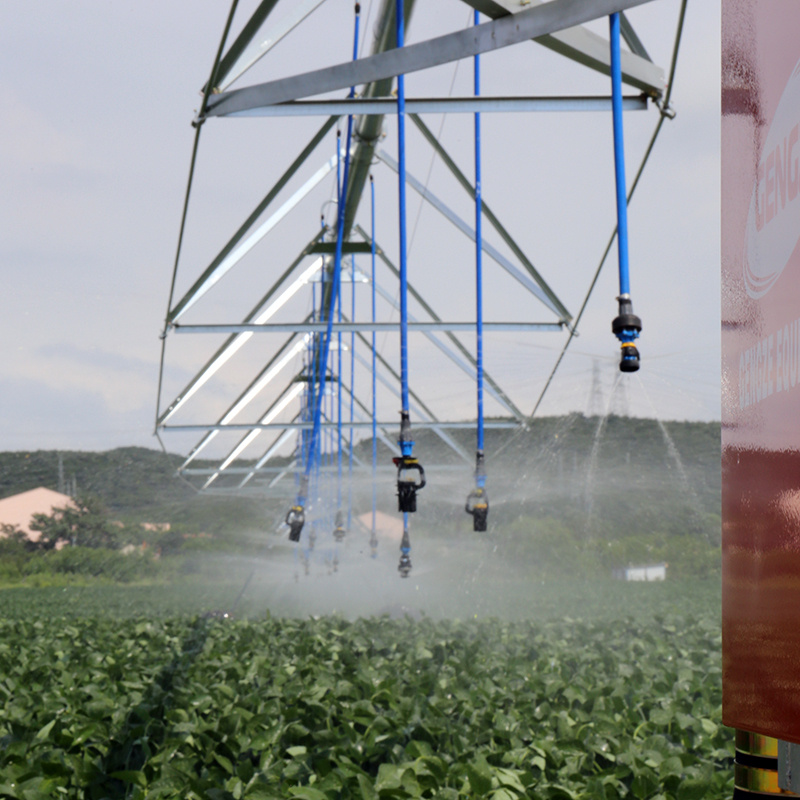
System Components: Look into the components of the centre pivot irrigation system, such as the type of sprinklers, pumps, and control systems. High-efficiency components can enhance performance and reduce water usage.
Customization Options: Consider whether you need a customized system. Dalian Gengze offers various customization options to meet specific operational needs, ensuring the system aligns closely with your agricultural goals.
By focusing on these elements, buyers can select a pivot irrigation system that maximizes efficiency and meets their unique agricultural demands.
Pricing for pivot irrigation systems can vary significantly based on several factors. Here's what to consider when evaluating costs for bulk orders:
Material and Manufacturing Costs: The choice of materials (e. g., galvanized steel vs. plastic components) impacts pricing. Higher durability materials may have a higher upfront cost but offer longer service life and lower replacement needs.
System Complexity: More advanced systems with automated features, sensors, and control systems tend to be more expensive. However, the investment can lead to savings in labor and water usage over time.
Order Volume: Bulk orders typically come with discounts. Understanding the minimum order quantities (MOQs) can help you forecast costs effectively. Discussing your expected volume with the manufacturer can allow for better pricing negotiations.
Shipping and Installation: Factor in the pivot irrigation cost of shipping and installation. Dalian Gengze can provide insights into these costs based on your delivery location and project timeline.
Long-term Savings: While initial costs are important, consider the long-term operational savings. Systems designed for efficiency can reduce water usage and energy costs over time, making them more cost-effective in the long run.
By understanding these pricing factors, buyers can negotiate better deals and choose options that align with their budgets while maximizing efficiency.
While pivot irrigation systems offer numerous benefits, they can present challenges. Being aware of common issues and their solutions can enhance operational efficiency:
Uneven Water Distribution: This is a frequent issue caused by malfunctioning sprinklers or uneven terrain. Regular maintenance and inspection of sprinkler heads and adjusting the pivot's path can help ensure even coverage.
Mechanical Failures: Components may experience wear and tear over time. Implementing a regular maintenance schedule that includes checking key components like motors, gearboxes, and hoses can help prevent unexpected breakdowns.
Water Pressure Fluctuations: Inconsistent water pressure can affect system performance. Installing pressure regulators and monitoring the water source can help maintain optimal pressure levels.
Clogged Sprinklers: Sediment or debris can clog sprinklers, reducing efficiency. Regular cleaning and the pivot irrigation installation of filters can mitigate this problem.
Control System Issues: Automated control systems can malfunction, leading to inefficient irrigation. Regular software updates and system checks can help minimize these risks.
Understanding these potential problems and their solutions allows buyers to plan maintenance effectively and ensure their systems operate at peak performance.
Pivot irrigation systems are versatile and can be applied across various agricultural settings:
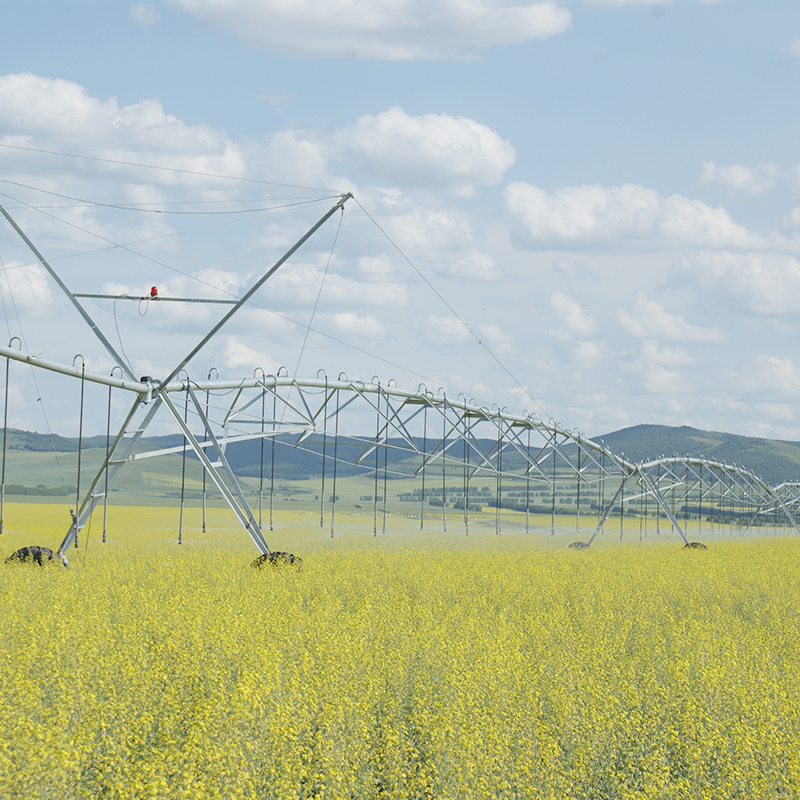
Row Crops: Ideal for crops such as corn and soybeans, pivot systems provide uniform water distribution, essential for maximizing crop yield.
Vegetable Farms: For high-value crops like tomatoes and peppers, precision irrigation helps manage water usage while promoting healthy growth.
Fruit Orchards: Pivot systems can be adapted to water orchards, ensuring trees receive adequate moisture without over saturation.
Pasture and Hay Fields: These systems support livestock operations by maintaining healthy pastures, which are crucial for animal feed.
Specialty Crops: From vineyards to nurseries, small center pivot irrigation system can be customized for specific crop needs, enhancing efficiency and productivity.
By understanding these applications, buyers can better assess how pivot irrigation can meet their specific agricultural requirements, enhancing overall productivity.
The efficiency of pivot irrigation systems is influenced by various factors that can significantly impact water conservation and operational costs:
Water Application Rates: Understanding the appropriate application rates for different crops can prevent overwatering and ensure optimal growth conditions. Adjusting the system's speed and the amount of water delivered per cycle is crucial for efficiency.
Energy Consumption: The energy required to operate pumps and motors is a cost factor. Selecting energy-efficient components and optimizing system design can lead to significant savings.
Soil Moisture Monitoring: Implementing soil moisture sensors allows for real-time adjustments based on actual soil conditions. This technology helps prevent over-irrigation and encourages deeper root growth, improving crop resilience.
System Design: The layout and mechanical design of the pivot system can affect efficiency. Systems designed for pivot irrigation minimal friction loss and optimized for specific field shapes can greatly enhance performance.
Regular Maintenance: Ongoing maintenance ensures all components function well, preventing inefficiencies caused by wear and damage.
By focusing on these efficiency insights, buyers can select systems that not only meet their needs but also contribute to sustainable agricultural practices and long-term cost savings. With Dalian Gengze’s expertise in manufacturing high-quality pivot irrigation systems, buyers can trust that they are investing in equipment designed for efficiency, durability, and performance, ultimately supporting their agricultural success.

Dalian Gengze Agricultural Equipment Manufacturing Co.,Ltd
Copyright © Dalian Gengze Agricultural Equipment Manufacturing Co.,Ltd All Rights Reserved | Blog | Privacy Policy
 EN