Requesting a Call:
Online Support
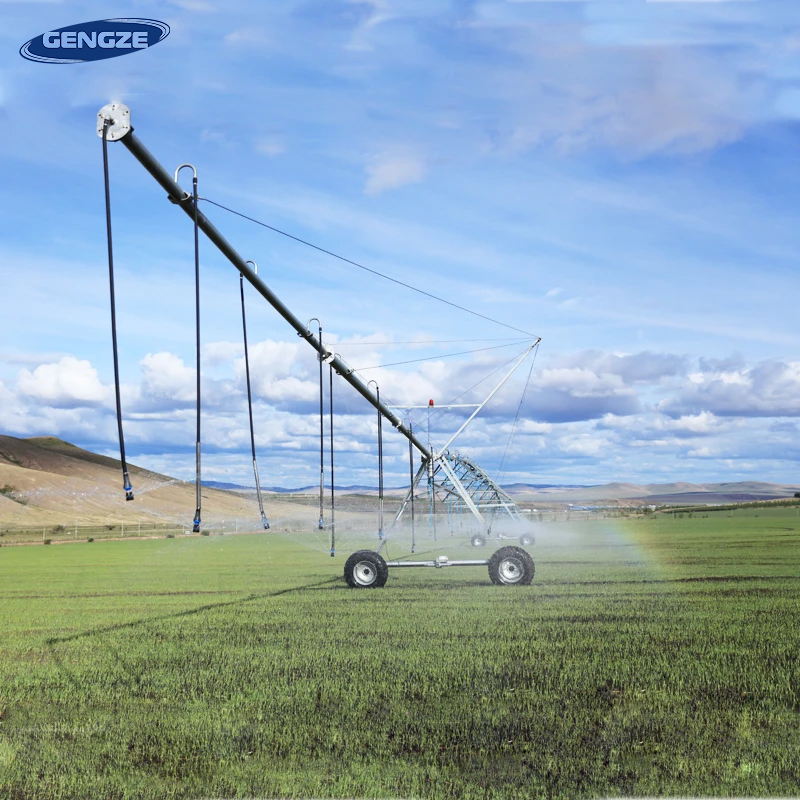
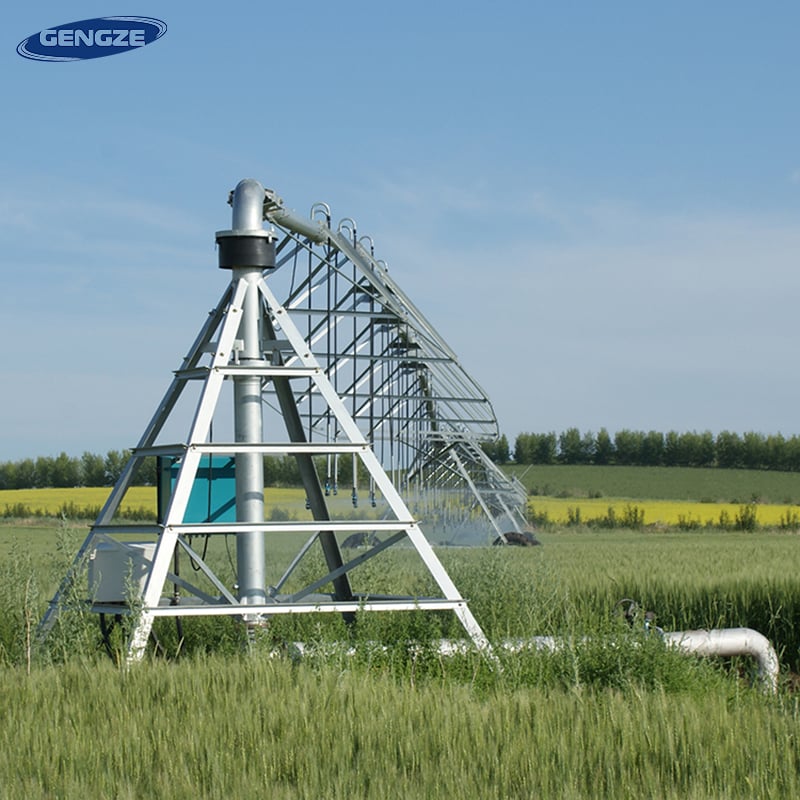
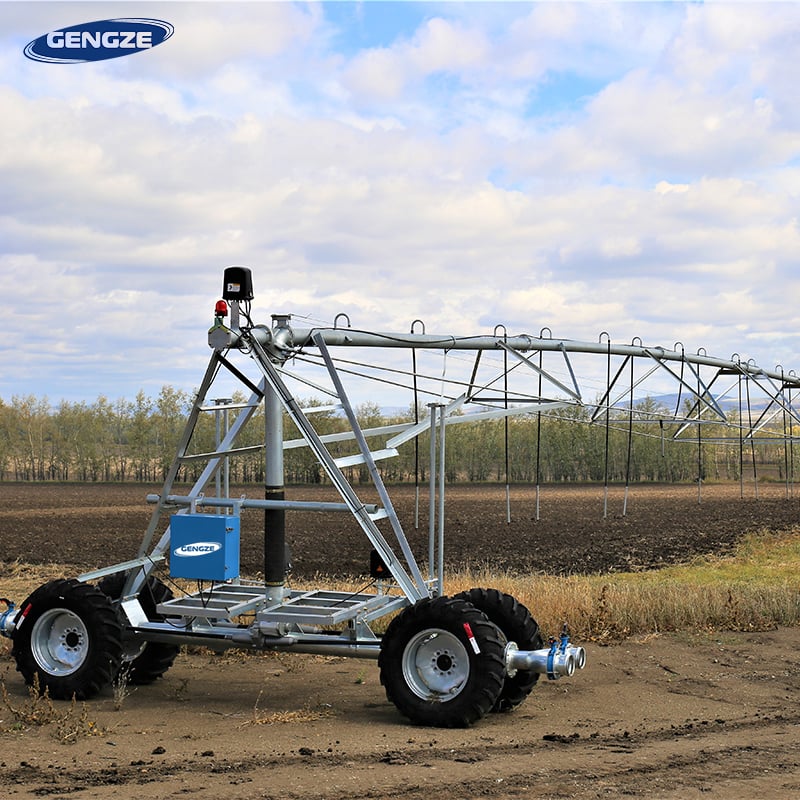
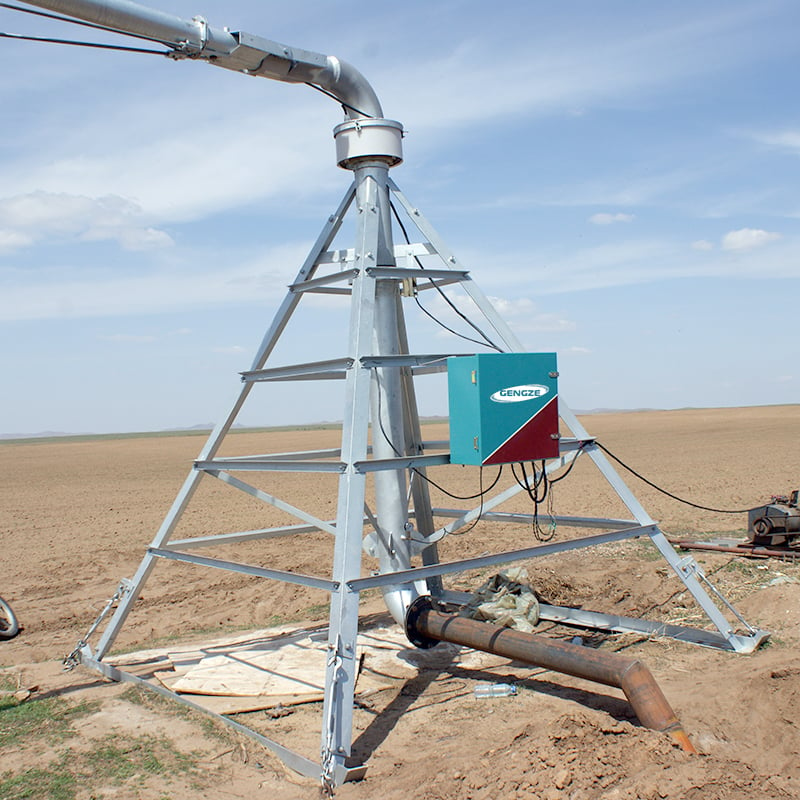
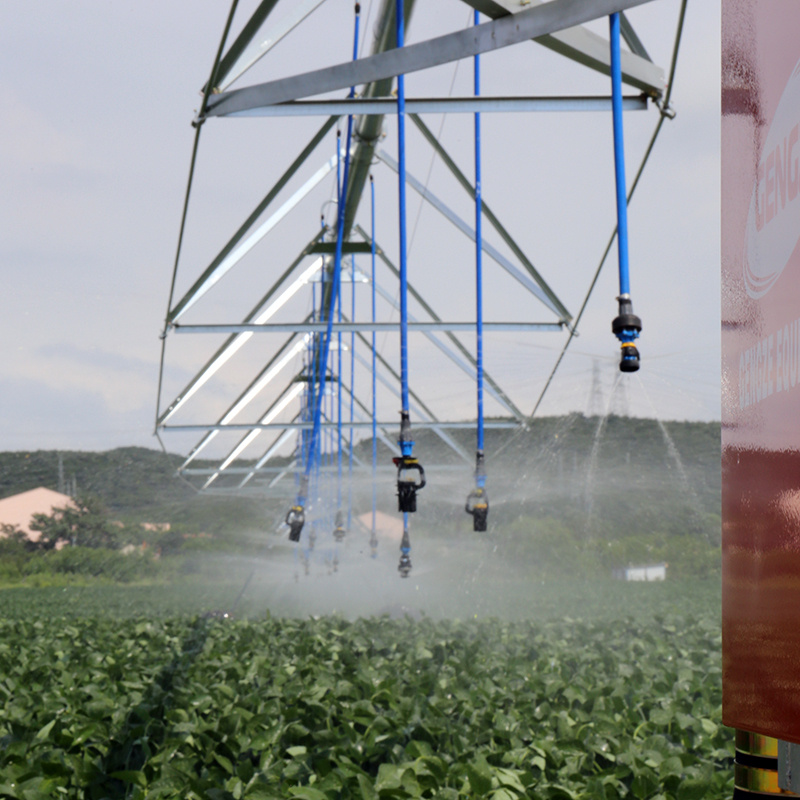
Pivot irrigation equipment is an essential tool in modern agriculture, providing efficient water distribution across vast fields. For B2B buyers, such as purchasing managers and distributors, selecting the right center pivot irrigation machine system can significantly impact crop yields, operational costs, and resource management. This article offers practical insights into evaluating suppliers, key specifications to consider, the benefits of these systems, their applications, and the factors influencing costs, helping buyers make informed decisions.
Selecting a reputable supplier for pivot irrigation equipment is crucial for ensuring quality and reliability. When evaluating potential suppliers, consider their experience in the industry, particularly their history with pivot irrigation systems. Look for manufacturers with a proven track record, such as Dalian Gengze Agricultural Equipment Manufacturing Co., Ltd, which has over 20 years in the agricultural equipment sector and has been an OEM for a leading U.S. brand. Additionally, assess the supplier's production capabilities, including their manufacturing processes and quality of center pivot irrigation remote control control measures. A supplier should provide transparency about their production equipment and certifications, as these factors can directly influence product quality. It is also beneficial to seek references or reviews from other buyers to gauge reliability and customer service. Lastly, inquire about customization options and after-sales support, as these can significantly affect the overall user experience and operational efficiency.
Choosing the right pivot irrigation equipment involves understanding several key specifications that impact performance and suitability for specific applications:
Span Length: The length of the pivot arm determines the area that can be irrigated. Longer spans can cover more area but may require more robust components.
Pressure Requirements: Different crops and soil types may require varying water pressures for optimal irrigation. Assessing the pressure ratings of the equipment ensures compatibility with your water source.
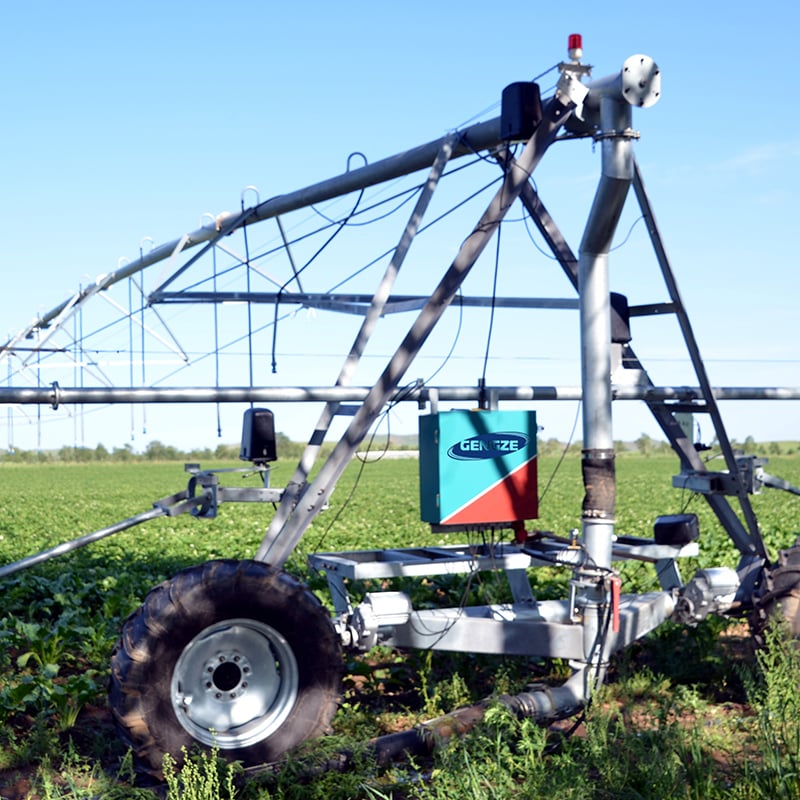
Control Systems: Modern pivot systems often include advanced control systems for automation and remote management. Consider the level of technology that meets your operational needs.
Material Quality: The materials used in construction such as galvanized steel or aluminum affect durability and resistance to environmental factors. Choose materials that align with the expected lifespan and operational conditions.
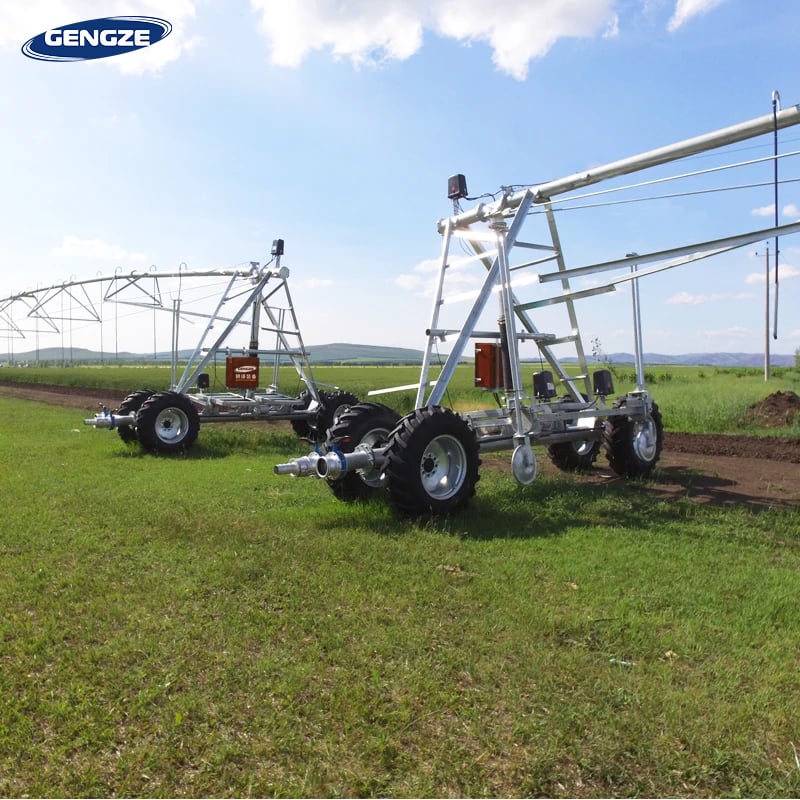
Drive Mechanism: The type of drive (such as electric or hydraulic) influences efficiency and maintenance needs. Evaluate the ease of serviceability and availability of replacement parts when selecting a system.
Confirming these specifications before placing an order is essential to ensure the equipment meets your operational requirements.
For distributors, offering pivot irrigation equipment presents several advantages. Firstly, these systems are increasingly preferred by farmers due to their efficiency and effectiveness in water usage, making them a sought-after product. As agricultural practices shift toward sustainability, the demand for high-efficiency irrigation systems is expected to rise.
Secondly, pivot irrigation systems can lead to improved crop yields and reduced operational costs for farmers, which translates into higher customer satisfaction and loyalty. Distributors can capitalize on this by providing support services, including installation and maintenance, enhancing their product offerings.
Furthermore, pivot systems often have a longer lifespan compared to traditional irrigation methods, which can strengthen the distributor's reputation for providing reliable, long-term solutions. By showcasing the benefits of pivot irrigation systems, distributors can position themselves as key partners in the agricultural sector.
Pivot irrigation equipment is versatile and applicable across various agricultural sectors. Here are some of the top applications:
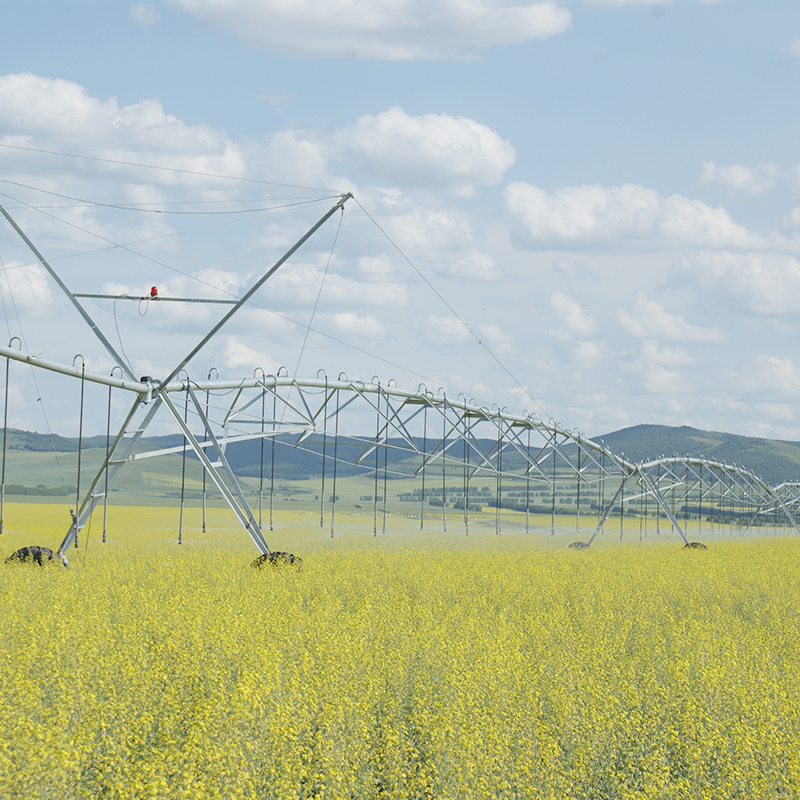
Row Crops: Pivot systems are ideal for irrigating row crops like corn and soybeans, where uniform water distribution is essential for maximizing yield.
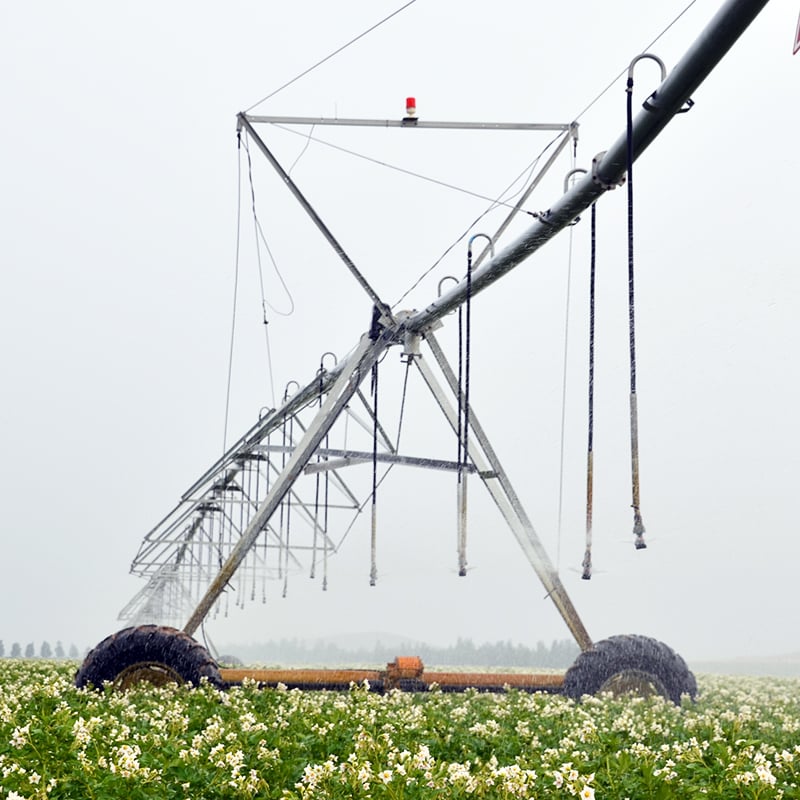
Vegetable Production: High-value crops such as lettuce and tomatoes benefit from precise irrigation, making pivot systems an attractive option for vegetable farmers.
Pastures and Hay: Pivot systems can efficiently irrigate pastures and hay fields, supporting livestock and enhancing forage quality.
Orchards and Vineyards: These systems can be tailored to meet the specific watering needs of fruit trees and grapevines, ensuring optimal growth and fruit quality.
Research and Experimentation: Agricultural researchers utilize TOWABLE center pivot irrigation for controlled studies, allowing precise manipulation of water conditions to study plant responses.
Understanding these applications can help buyers select pivot irrigation systems that align with their specific agricultural needs.
The cost of pivot irrigation equipment can vary based on several factors, which buyers should carefully evaluate to make informed purchasing decisions:
Initial Investment: The upfront cost of purchasing a pivot irrigation system includes not just the equipment itself but also installation and any required infrastructure modifications.
Operating Costs: Consider ongoing operational costs, such as energy consumption, maintenance, and water usage. Efficient systems may have higher initial costs but can save money in the long run through reduced water and energy consumption.
Customization Needs: Custom features or specifications can significantly affect pricing. Buyers should clearly define their requirements to avoid unexpected costs during the procurement process.
Market Conditions: Prices can also be influenced by market demand and availability of materials. It's beneficial to compare quotes from multiple suppliers to ensure competitive pricing.
Financing Options: Many suppliers offer financing solutions that can spread the cost over time, making it easier for buyers to manage their budgets.
Understanding these cost factors will enable buyers to make well-rounded financial decisions that align with their operational goals. By evaluating suppliers and equipment based on these criteria, buyers can ensure they invest in pivot irrigation equipment that meets their specific agricultural needs and budget constraints.

Dalian Gengze Agricultural Equipment Manufacturing Co.,Ltd
Copyright © Dalian Gengze Agricultural Equipment Manufacturing Co.,Ltd All Rights Reserved | Blog | Privacy Policy
 EN