Requesting a Call:
Online Support
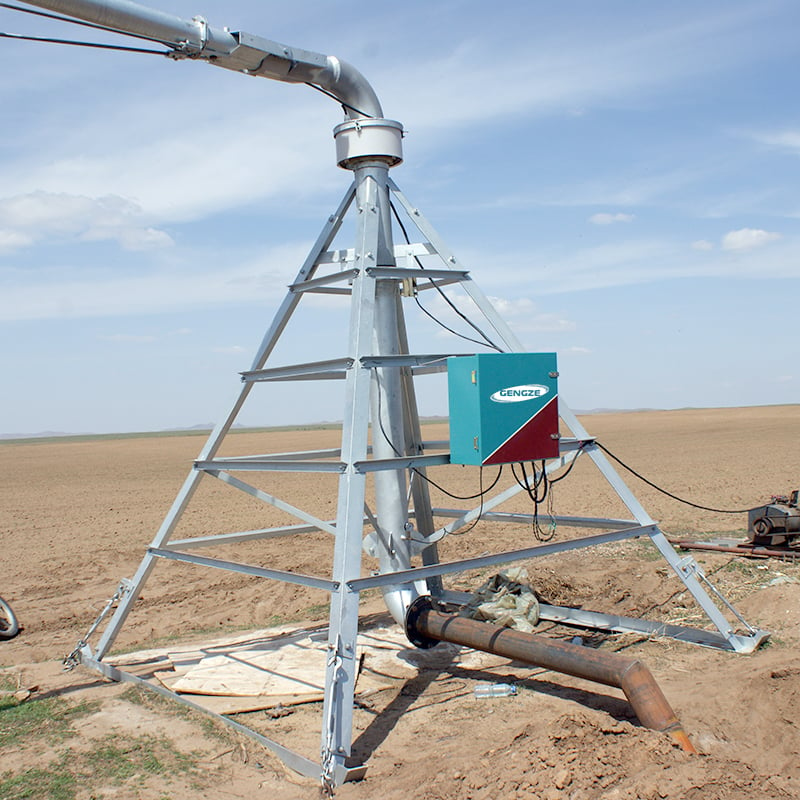
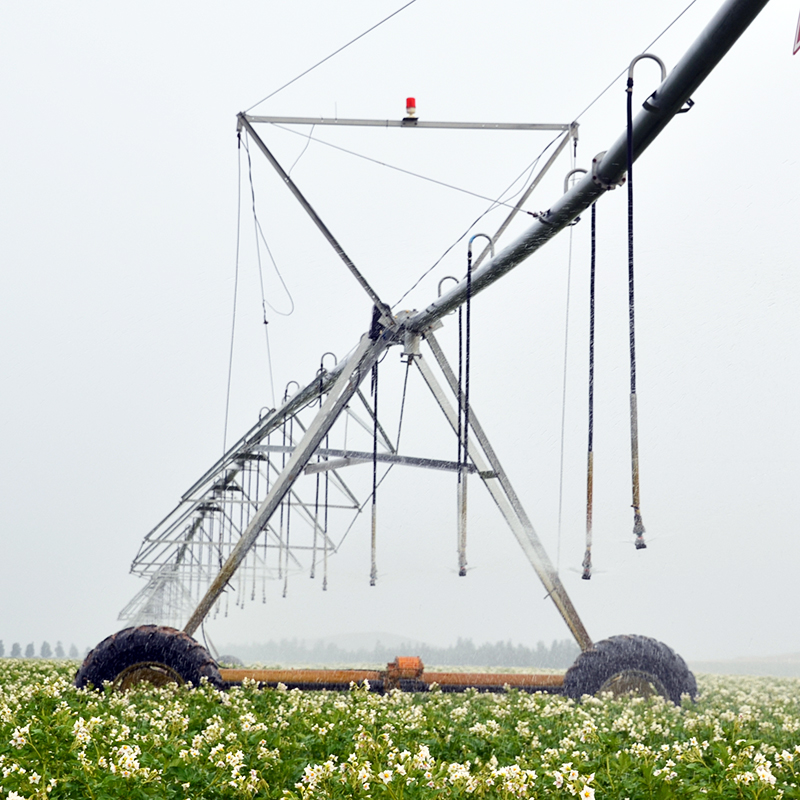
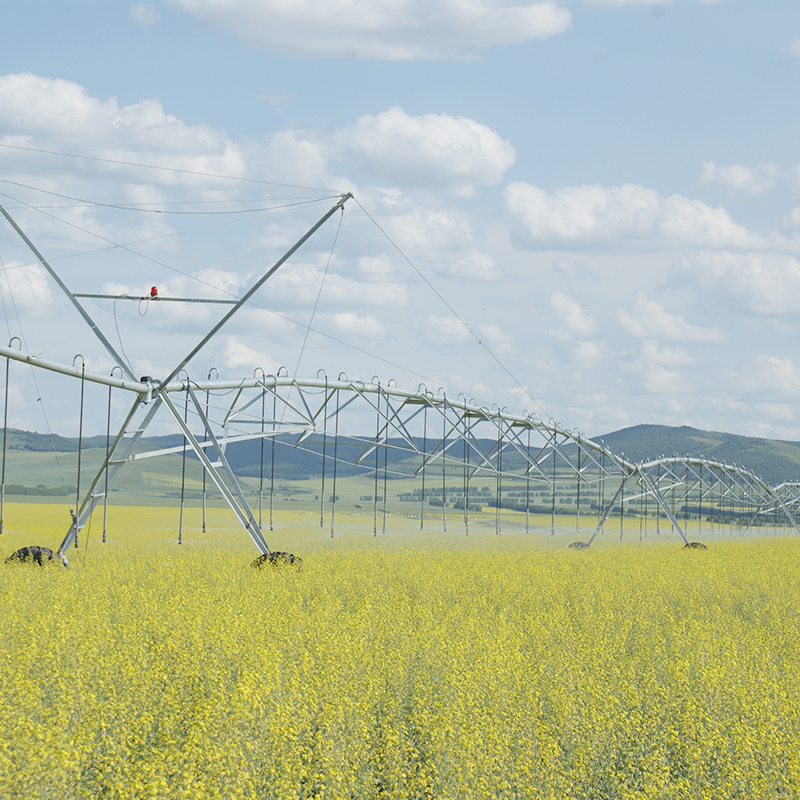
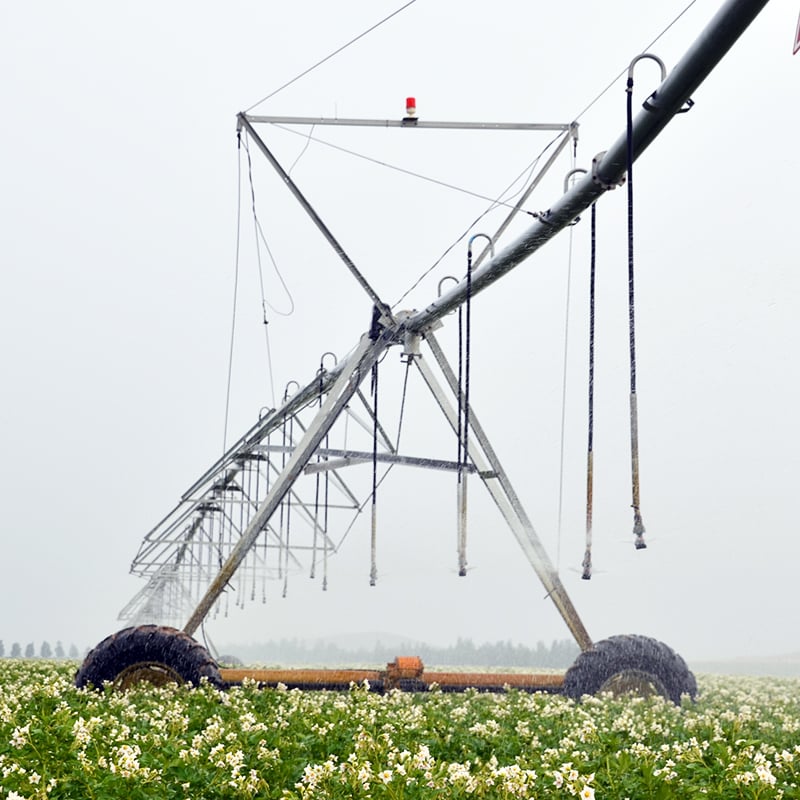
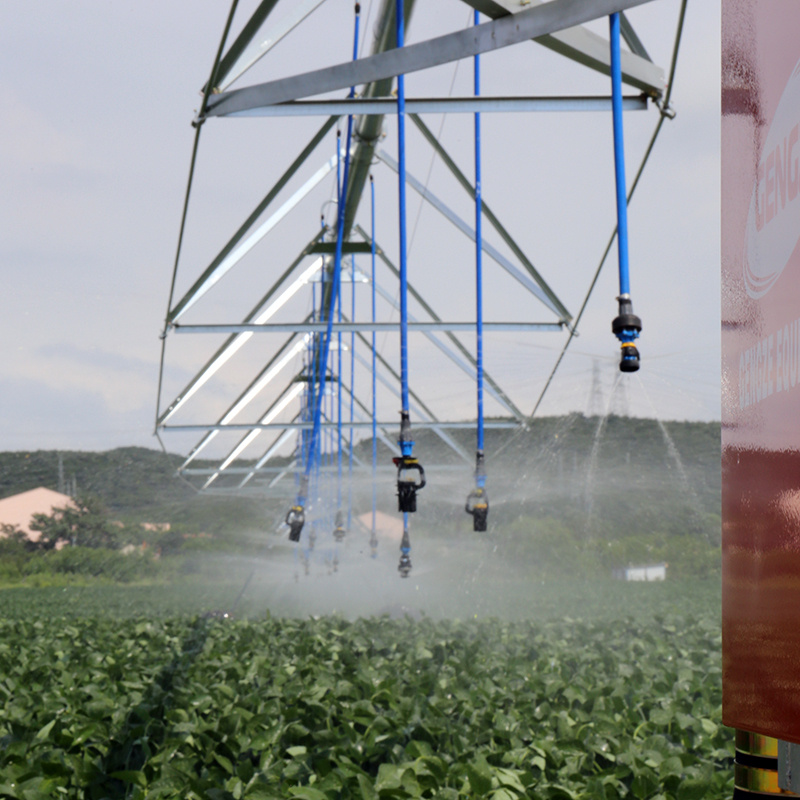
Pivot irrigation systems have become essential tools for modern agriculture, facilitating efficient water distribution across vast fields. For purchasing managers, distributors, and agricultural engineers, understanding the intricacies of pivot irrigation systems is crucial when considering options for wholesale. This article will delve into the factors to consider when selecting pivot irrigation for sale, helping you make informed decisions that align with your operational needs and budget.
When selecting pivot irrigation systems, several key factors should guide your decision-making process. First and foremost, assess the size and layout of your agricultural fields. The type of crops you grow and the topography of the land will influence the design and configuration of the pivot system.
Next, consider the water source and pressure requirements. The irrigation system must be compatible with your existing water supply, whether it’s from wells, rivers, or reservoirs. Ensure that the pump capacity and pressure can support the irrigation needs, as insufficient pressure can lead to uneven water distribution.
Additionally, look into automation features. Advanced pivot systems may offer GPS tracking, remote monitoring, and automated scheduling, which can enhance efficiency and reduce labor costs. Finally, don’t overlook the importance of supplier reputation and service support. A reliable manufacturer, like Dalian Gengze Agricultural Equipment Manufacturing Co., Ltd, known for its quality and customer support, can provide peace of mind in your investment.
Distributors should have a keen eye for specifications that define the quality and performance of pivot irrigation systems. Key specifications include:
Span Length: The length of the pivot arm affects the coverage area. Common spans range from 100 to 200 feet, with longer spans suitable for larger fields.
Tower Design: Choose between different tower configurations, such as standard or low-profile, which can affect maneuverability and stability on uneven terrain.
Material Quality: High-quality materials, like galvanized steel or durable polymers, ensure the longevity and resistance of the system to environmental factors.
Motor Power: The horsepower of the drive motors influences the speed and efficiency of the pivot operation. More powerful motors can handle larger spans and heavier loads.
Control Systems: Look for user-friendly control panels that allow for easy customization of irrigation schedules and monitoring of system performance.
These specifications not only impact the system's effectiveness but also determine its suitability for various agricultural applications.
Cost evaluation for pivot irrigation systems involves more than just the initial purchase price. Buyers should consider several critical factors:
Installation Costs: These can vary significantly based on field conditions, complexity of the system, and local labor rates. Comprehensive quotes from suppliers should include installation to provide a clearer picture of overall investment.
Operational Costs: Assess the energy consumption of the system, as this will impact long-term operational expenses. Systems with energy-efficient motors may have a higher upfront cost but can lead to savings over time.
Maintenance Requirements: Regular maintenance is crucial for the longevity of solar pivot irrigation system. Evaluate the availability of spare parts and the expected frequency of maintenance to budget appropriately.
Financing and Leasing Options: Some suppliers may offer financing or leasing options that can ease the financial burden. Understanding these alternatives can help in managing cash flow effectively.
By evaluating these factors, purchasing managers can make more informed decisions that align with their budgetary constraints and operational goals.
Like any equipment, pivot irrigation systems can encounter issues that affect performance. Common problems include:
Uneven Water Distribution: This can result from clogged nozzles or improper pressure settings. Regular maintenance, including cleaning and inspection of nozzles and pressure regulators, can mitigate this issue.
Mechanical Failures: Components such as gearboxes, motors, or wheels can fail due to wear and tear. Establishing a routine maintenance schedule and using high-quality parts can help reduce the likelihood of breakdowns.
Electrical Issues: Malfunctions in the control systems can disrupt operations. Ensuring that the system is installed according to manufacturer guidelines and conducting regular electrical checks can prevent such issues.
Soil Erosion: Over-irrigation can lead to soil erosion, affecting crop health. Monitoring soil moisture levels and adjusting irrigation schedules based on weather forecasts can help mitigate this problem.
Being aware of these common challenges and implementing preventive measures can enhance the efficiency and lifespan of pivot irrigation systems.
Pivot irrigation systems are versatile and can be adapted to various agricultural settings. Common applications include:
Row Crops: Ideal for crops like corn, soybeans, and wheat, pivot systems provide uniform water distribution, essential for crop growth and yield.
Vegetable Farms: For high-value crops such as tomatoes and peppers, precise irrigation is critical. Pivot systems can be adjusted to meet specific water requirements based on crop growth stages.
Orchards and Vineyards: These pivot irrigation system can efficiently irrigate fruit trees and grapevines, ensuring that water reaches the root zones without wastage.
Pasture Land: Pivot irrigation can help maintain healthy pasture lands for livestock, ensuring adequate water supply, especially in arid regions.
Understanding these applications allows purchasing managers and agricultural engineers to tailor their irrigation solutions to meet the unique needs of their farming operations, ultimately improving productivity and sustainability.
By considering these factors and specifications, buyers can make informed decisions regarding pivot irrigation systems that align with their agricultural goals and operational needs. Dalian Gengze Agricultural Equipment Manufacturing Co., Ltd offers a range of high-quality options designed to meet the demands of modern farming practices, ensuring efficient and effective water usage in various agricultural environments.

Dalian Gengze Agricultural Equipment Manufacturing Co.,Ltd
Copyright © Dalian Gengze Agricultural Equipment Manufacturing Co.,Ltd All Rights Reserved | Blog | Privacy Policy
 EN