Requesting a Call:
Online Support
When searching for used center pivot irrigation systems for sale, buyers face numerous considerations to ensure they make an informed decision. Center pivot irrigation is essential for optimizing water usage in agriculture, and understanding the nuances of purchasing Gengze used systems can significantly impact operational efficiency. This article will explore critical factors such as specifications, cost considerations, quality evaluation, and common issues associated with these systems, empowering purchasing managers, engineers, and decision-makers in agriculture.
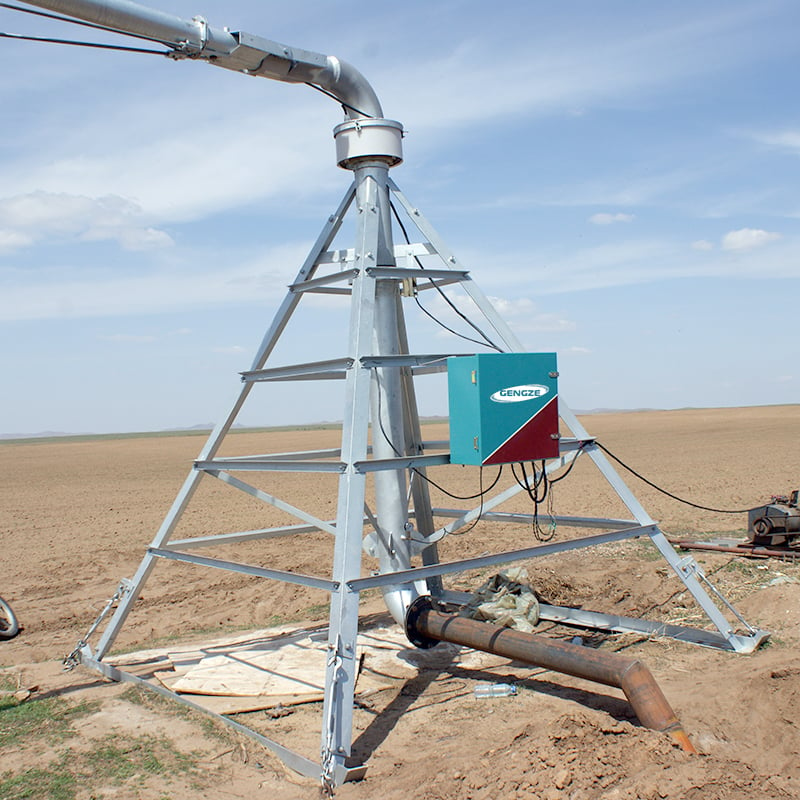
When purchasing used center pivot irrigation systems, several factors require careful consideration. First, assess the compatibility of the system with your existing infrastructure. This involves checking the dimensions and configurations to ensure they fit your fields and meet your centre pivot irrigation needs. Additionally, consider the age of the system; older systems may require more frequent repairs and parts replacements.
Another critical aspect is the maintenance history of the used system. Systems that have been well-maintained are likely to function better and have a longer lifespan. Obtain documentation of any repairs, upgrades, or modifications made to the system. Furthermore, verify the warranty status, as some used systems may still be under warranty, which can offer peace of mind regarding future repairs.
Lastly, evaluate the seller's reputation. Engaging with a reputable supplier, such as Dalian Gengze Agricultural Equipment Manufacturing Co., Ltd, which has over 20 years of experience in producing high-quality agricultural equipment, can provide additional assurance regarding the quality of the used system.
Understanding the key specifications of used center pivot irrigation equipment is crucial for making an informed purchase. Key specifications to consider include:
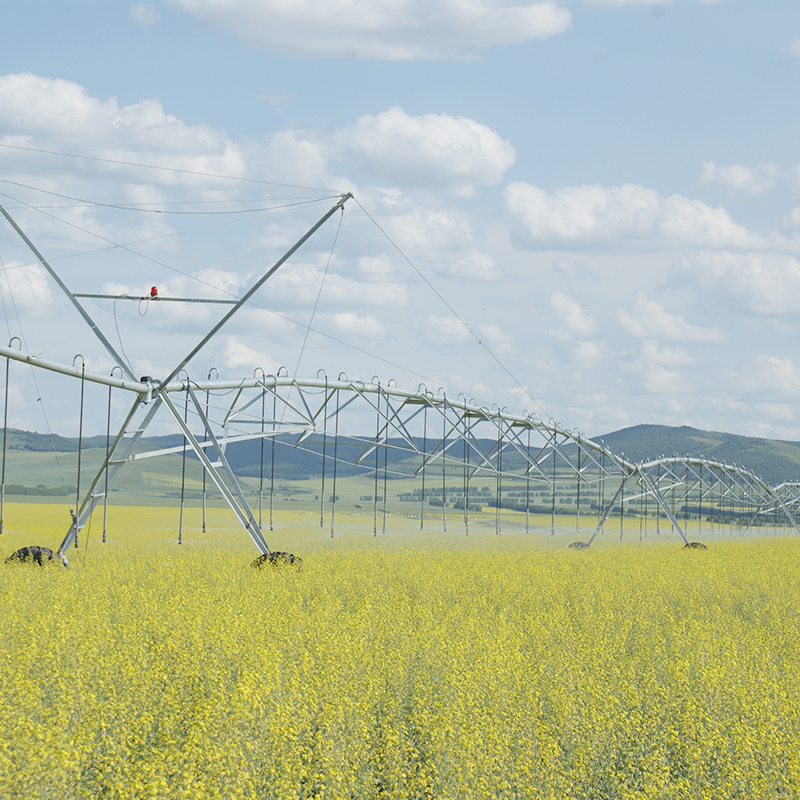
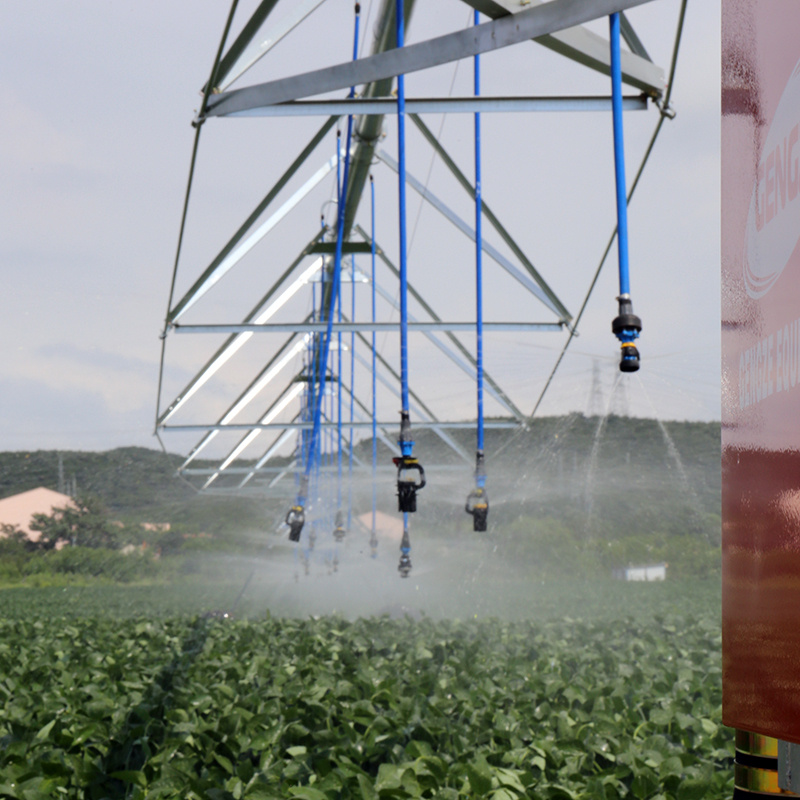
Span Length and Radius: The span length affects the coverage area, while the radius determines how far the system can reach. Ensure these dimensions align with your field size and shape.
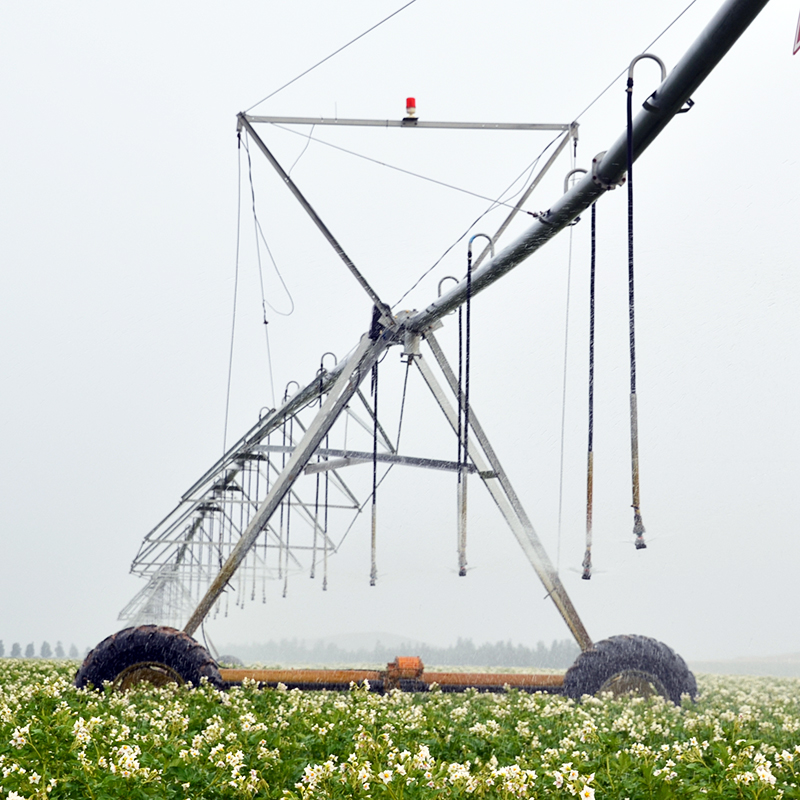
Boom Height: The height of the boom can impact the crop type you can irrigate. Taller booms may be necessary for certain crops to avoid damage.
Nozzle Configuration: Different nozzle types and configurations affect water distribution and pressure. Evaluate whether the existing nozzles meet your watering needs and if they can be adjusted or replaced.
Drive System Type: Center pivot systems may use various drive systems, such as hydraulic or electric. Each has different maintenance needs and operational costs.
Material Quality: The construction material affects durability and resistance to environmental factors. Systems made from galvanized steel or corrosion-resistant materials tend to last longer.
Buyers should confirm these specifications against their operational requirements and ensure they are suitable for their specific agricultural practices.
The cost of used center pivot irrigation systems varies based on multiple factors. Key considerations include the system's age, condition, and specifications. Generally, older systems may be less expensive but could incur higher maintenance costs over time. Conversely, newer models may cost more upfront but offer better efficiency and reliability.
Additionally, the brand and model influence pricing. Recognized brands with a reputation for quality may command higher prices due to the perceived reliability of their products. Always compare prices from different suppliers to ensure you receive a fair deal.
Other cost factors to consider include transportation and installation expenses. The cost of center pivot irrigation machine the system to your farm can significantly impact the overall investment, especially if the system is located far from your site. Additionally, factor in potential installation costs, which may require professional assistance for optimal setup.
Lastly, consider any financing options available through the supplier. Some manufacturers may offer payment plans or leasing options that can make the purchase more manageable.
Evaluating the quality of Gengze used center pivot irrigation machines involves a thorough inspection process. Start by examining the physical condition of the equipment. Look for signs of rust, corrosion, or wear on critical components such as the frame, wheels, and pipes. Any visible damage may indicate underlying issues that could affect performance.
Next, check the functionality of the system. If possible, request a demonstration to observe how the system operates. Pay attention to the pivot's movement, water distribution, and any unusual noises during operation. This can provide insight into the machine's overall health.
Additionally, inquire about the system's maintenance records. A well-documented history of regular maintenance and repairs is a positive indicator of the system's quality. This information can help buyers gauge how well the system has been cared for and any past issues that may have been addressed.
Finally, consider obtaining a third-party inspection from a knowledgeable technician. An expert can provide an unbiased assessment of the system's condition and help identify any potential problems that may not be immediately apparent.
Used center pivot irrigation systems may encounter several common problems that buyers should be aware of. One frequent issue is wear and tear on moving parts, such as gearboxes, wheels, and drive systems. Regular maintenance, including lubrication and timely replacement of worn components, is essential to prevent breakdowns.
Another common problem is water leakages, which can occur due to damaged pipes or fittings. Buyers should inspect all hoses and connections for signs of leaks and replace any faulty parts immediately to maintain efficient water usage.
Electrical issues can also arise, particularly with older systems. Wiring may degrade over time, leading to malfunctions in the control system. It's advisable to conduct a comprehensive electrical inspection to identify any potential problems before purchasing.
Lastly, improper alignment can result in uneven water distribution. Ensure that the pivot system is correctly aligned with the fields and adjust as necessary. Regular monitoring and maintenance can help mitigate these issues, ensuring the system remains functional and efficient.
By understanding these common problems and their solutions, buyers can make more informed decisions and be better prepared to maintain their used towable center pivot irrigation.

Dalian Gengze Agricultural Equipment Manufacturing Co.,Ltd
Copyright © Dalian Gengze Agricultural Equipment Manufacturing Co.,Ltd All Rights Reserved | Blog | Privacy Policy
 EN