Requesting a Call:
Online Support
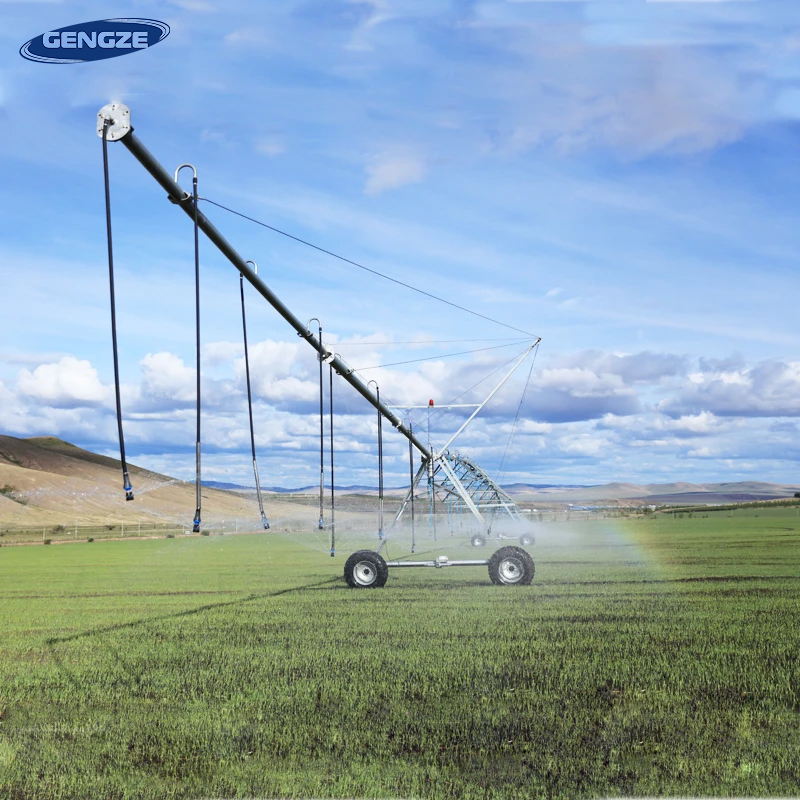
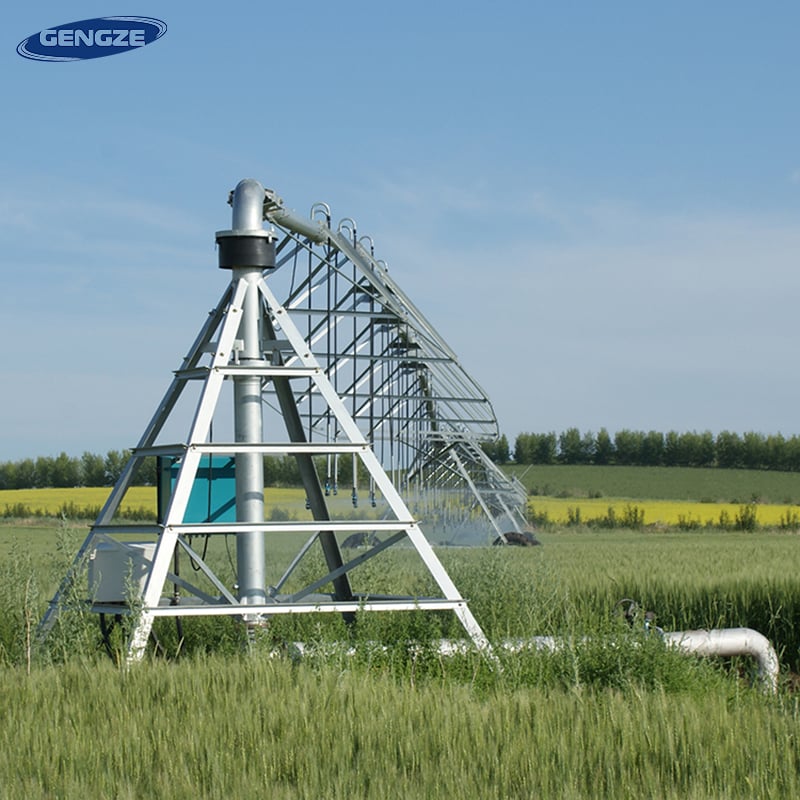
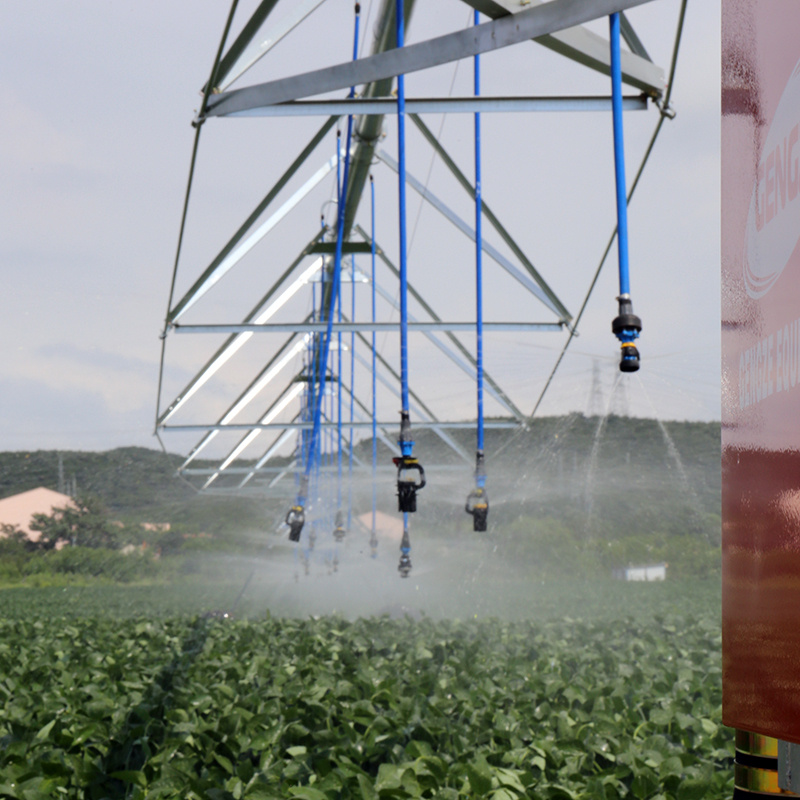
Valley pivot irrigation systems are essential for modern agriculture, providing a reliable method for efficiently distributing water across large fields. As a B2B buyer, you'll want to ensure that the systems you consider meet your specific operational needs while optimizing resource usage and minimizing costs. This article will guide you through selecting quality valley pivot irrigation systems, key specifications to consider, where to find reliable suppliers, the advantages of these systems for water management, and the importance of material quality in irrigation equipment.
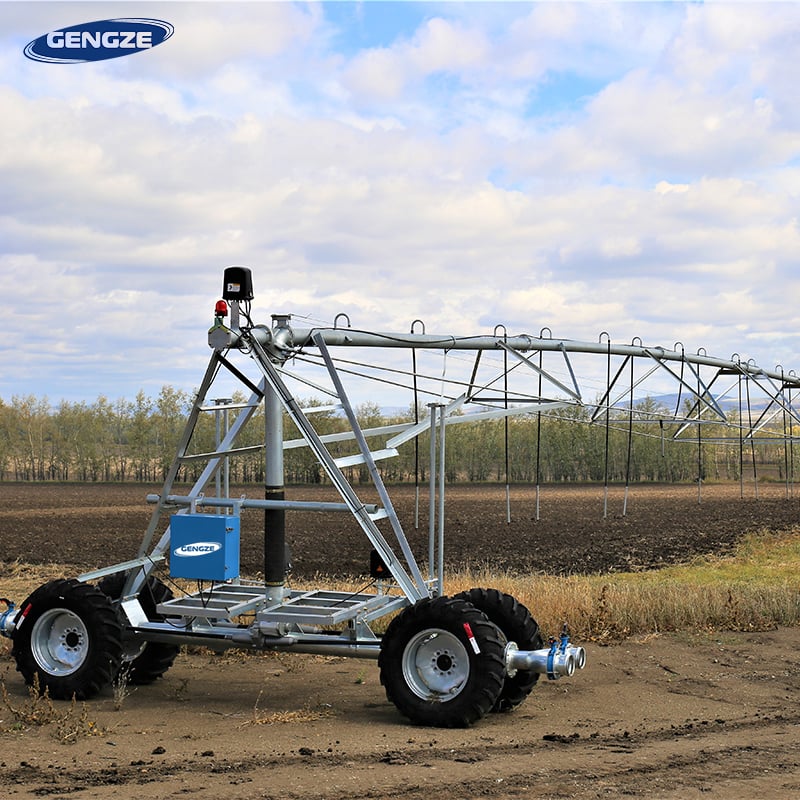
When selecting a valley solar pivot irrigation system, consider the specific needs of your farm, including the type of crops, soil conditions, and climate. Begin by assessing the size of the area you need to irrigate, as this will dictate the necessary reach of the pivot system. A well-designed pivot system should be adaptable to different field shapes and sizes, ensuring uniform water distribution.
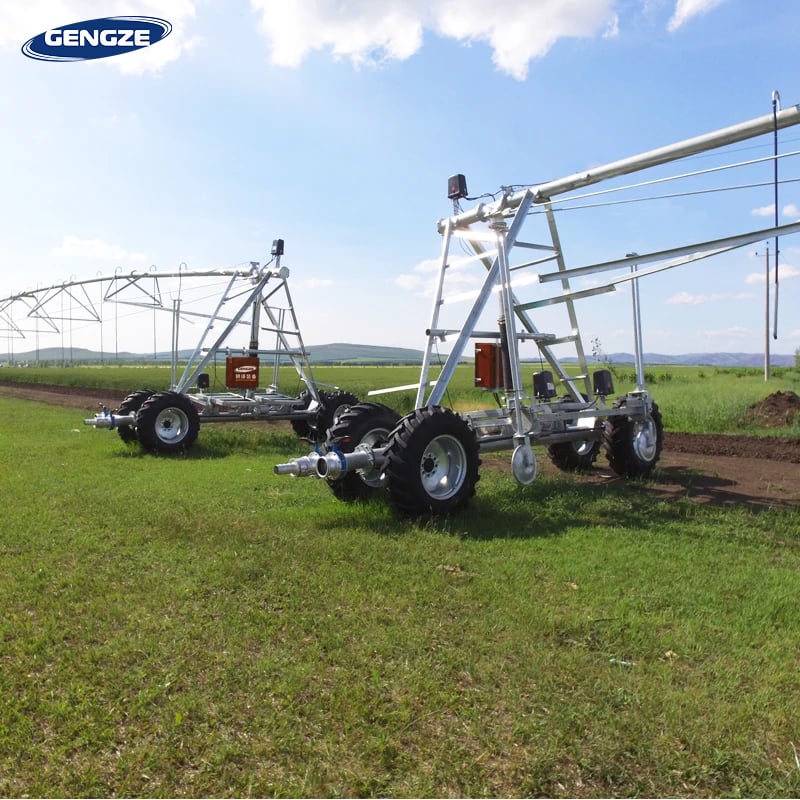
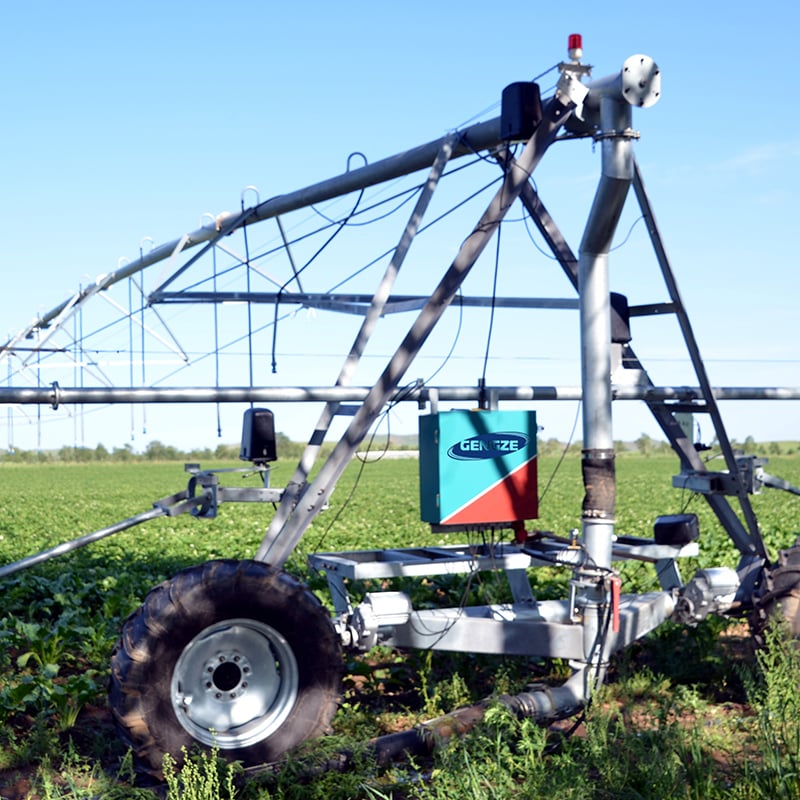
Pay attention to the control systems available for the pivot. Advanced control systems enable automated adjustments, allowing for precise irrigation schedules and minimizing water waste. Additionally, consider the maintenance requirements of the system; a user-friendly design that allows easy access to key components can save time and reduce operational costs.
Lastly, seek out systems that have been rigorously tested for durability and efficiency. Understanding the manufacturer’s reputation and customer feedback can provide insight into product performance and reliability over time.
Several key specifications will influence the performance and suitability of a valley pivot irrigation system for your farm. Start with the pivot length, which determines how much area can be irrigated. Typical lengths range from 100 to 1,500 feet, depending on your needs.
Next, evaluate the system's flow rate, typically measured in gallons per minute (GPM). This specification impacts how quickly water is delivered to your crops and should align with your crop’s water requirements. Additionally, consider the pressure rating of the system, as this affects the uniformity of water application and the potential for system wear over time.
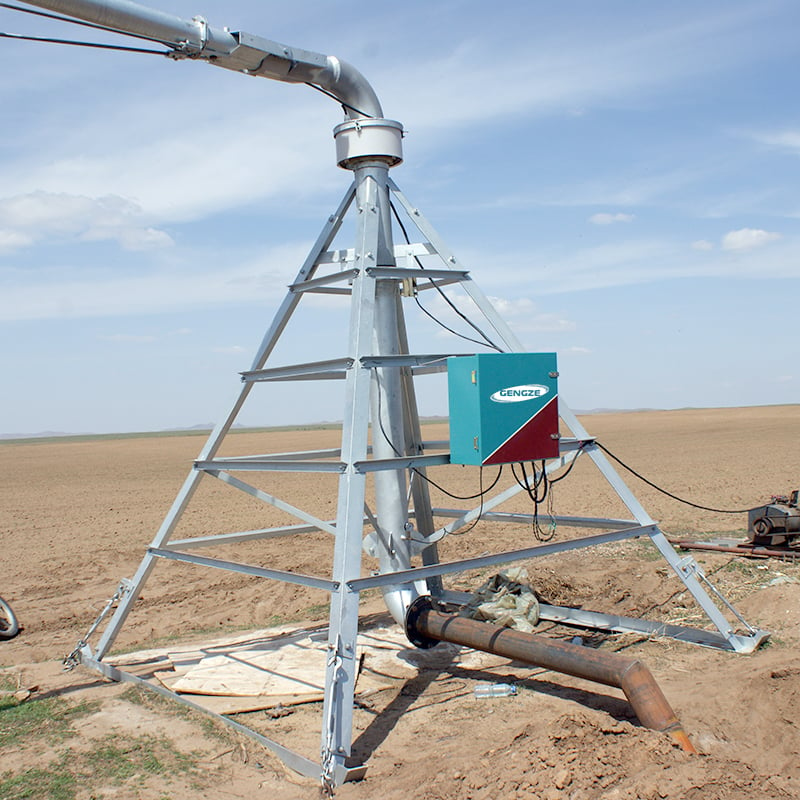
The material of the pivot frame is also crucial; materials such as galvanized steel or aluminum offer different benefits in terms of weight, corrosion resistance, and durability. Lastly, check for any available customization options, such as adding additional towers or varying nozzle sizes, which can enhance system performance tailored to your specific agricultural practices.
Finding a reliable supplier for valley pivot irrigation systems is critical to ensuring quality and support for your investment. Start by researching manufacturers with a solid track record in agricultural equipment, particularly those specializing in irrigation system. Look for suppliers that offer comprehensive support services, including installation, maintenance, and after-sales support.
Industry trade shows and agricultural expos can also be excellent venues to connect with manufacturers and distributors directly. These events provide opportunities to see equipment in action and discuss specific needs with knowledgeable representatives.
Additionally, consider reaching out to industry associations or agricultural cooperatives for recommendations on reputable suppliers. Peer reviews and testimonials can help you gauge the reliability of a supplier before making a purchase.
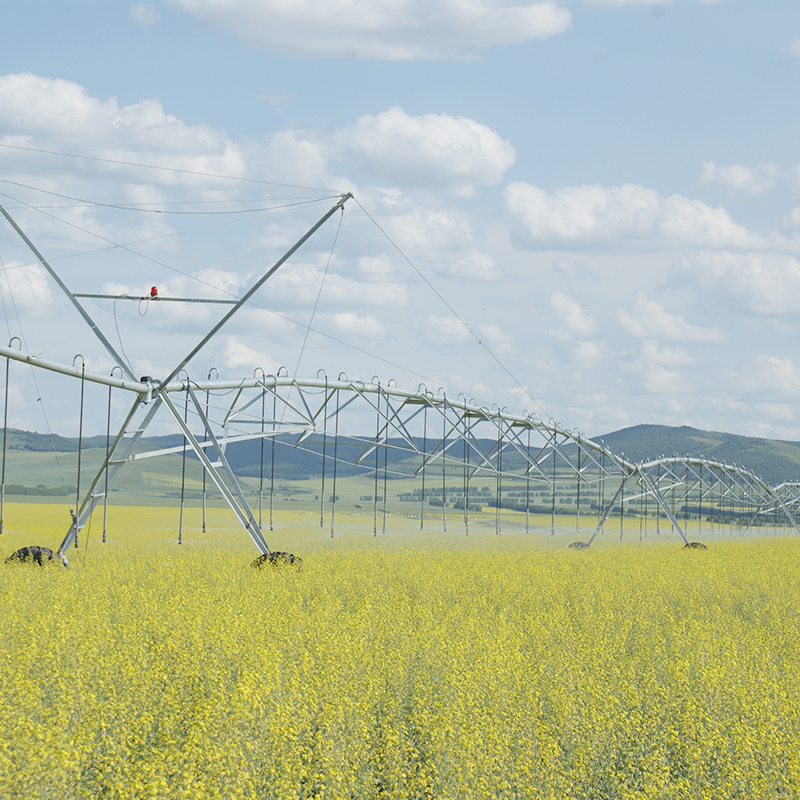
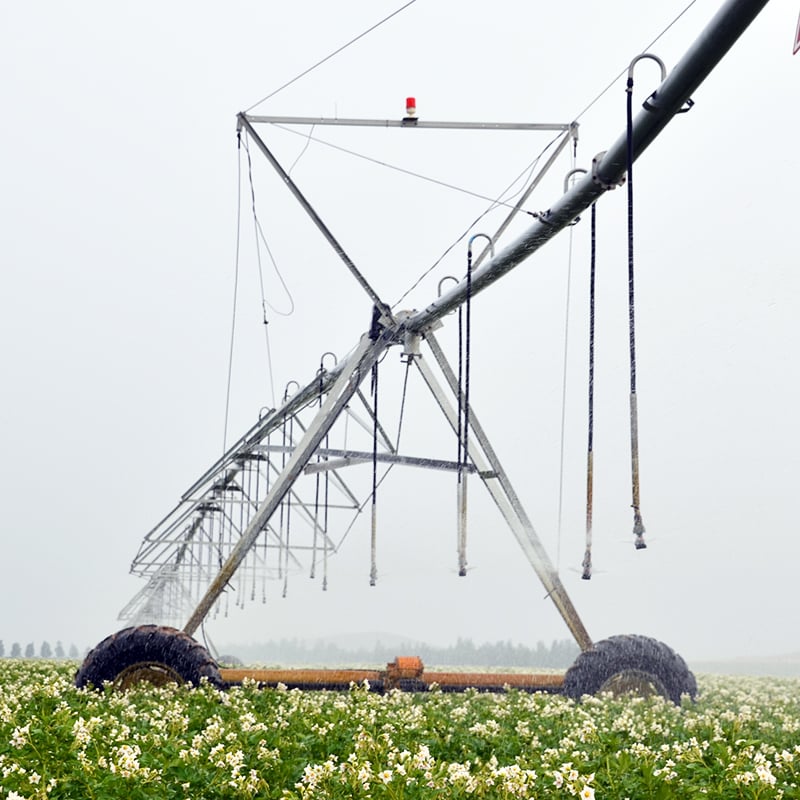
Valley pivot irrigation systems offer numerous advantages, making them an excellent choice for efficient water management in agriculture. One of the most significant benefits is the uniform distribution of water, which reduces runoff and ensures that crops receive the right amount of moisture. This is particularly important for maximizing yields and maintaining crop health.
Another advantage is the ability to customize irrigation schedules based on weather conditions and crop needs. Many modern pivot systems include advanced sensor technology, allowing for real-time adjustments to optimize water use and minimize waste.
Moreover, valley pivot systems can help save labor costs, as they automate the irrigation process. This allows farmers to focus on other critical aspects of their operations while maintaining effective water management.
Lastly, a well-designed valley pivot system can lead to cost savings in water usage and energy consumption, which is increasingly important in the context of rising operational costs.
The quality of materials used in valley center pivot irrigation directly affects their performance, durability, and maintenance needs. Common materials include galvanized steel, aluminum, and various plastics. Each material has its advantages and considerations.
Galvanized steel is known for its strength and resistance to corrosion, making it suitable for long-term use in various environmental conditions. Aluminum is lighter and offers excellent corrosion resistance, but it may be less robust than steel. Consider the specific environmental conditions of your farm, such as humidity, soil salinity, and temperature fluctuations, when selecting materials.
Additionally, the quality of seals, gaskets, and other components should not be overlooked. These parts prevent leaks and ensure the efficient operation of the irrigation system. Inspecting material quality during the purchasing process can prevent future maintenance issues and associated costs.
In summary, assessing material quality, understanding specifications, and evaluating suppliers are crucial steps in selecting the right valley pivot irrigation system for your agricultural needs. By focusing on these factors, you can ensure a sound investment that supports efficient water management and enhances crop productivity.

Dalian Gengze Agricultural Equipment Manufacturing Co.,Ltd
Copyright © Dalian Gengze Agricultural Equipment Manufacturing Co.,Ltd All Rights Reserved | Blog | Privacy Policy
 EN