Requesting a Call:
Online Support
In the ever-evolving landscape of modern commercial farming, efficiency, sustainability, and scalability have become the cornerstones of success. As global food demand rises and resources grow scarcer, farmers are turning to advanced technologies to maximize productivity while minimizing environmental impact. Among these technologies, pivot irrigation systems—also known as center pivot irrigation—have emerged as a transformative force, empowering commercial farmers to overcome traditional challenges and unlock new levels of performance. From large-scale cereal fields to high-value cash crops, these systems are redefining how water, labor, and land are utilized, solidifying their role as a linchpin of modern agricultural operations.
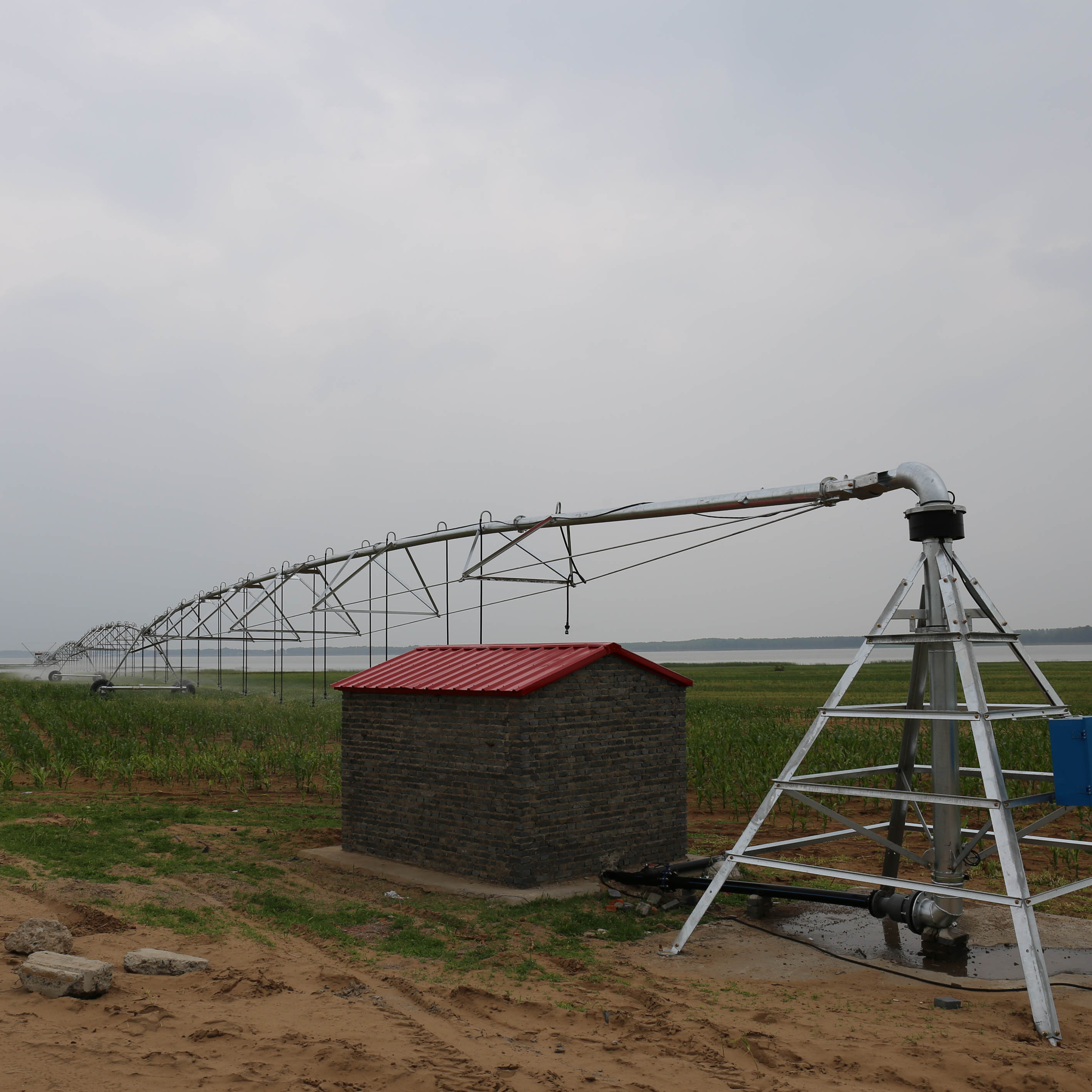
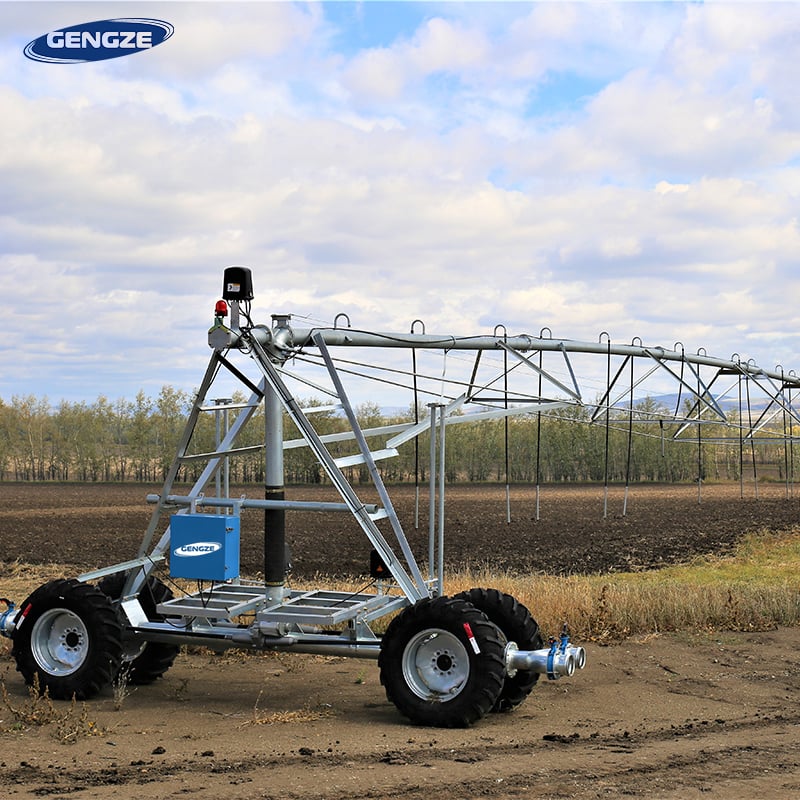
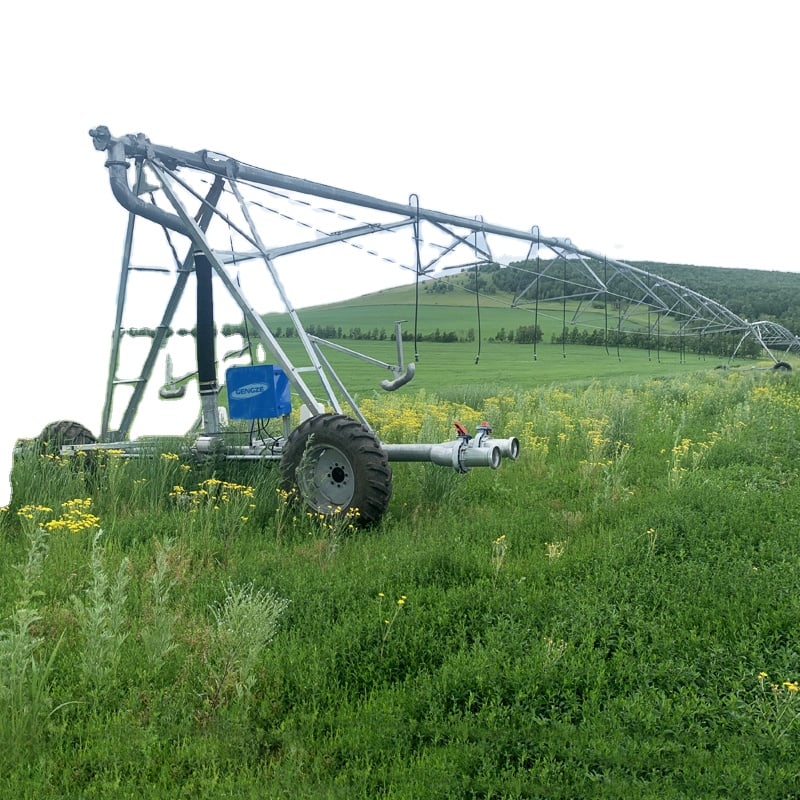
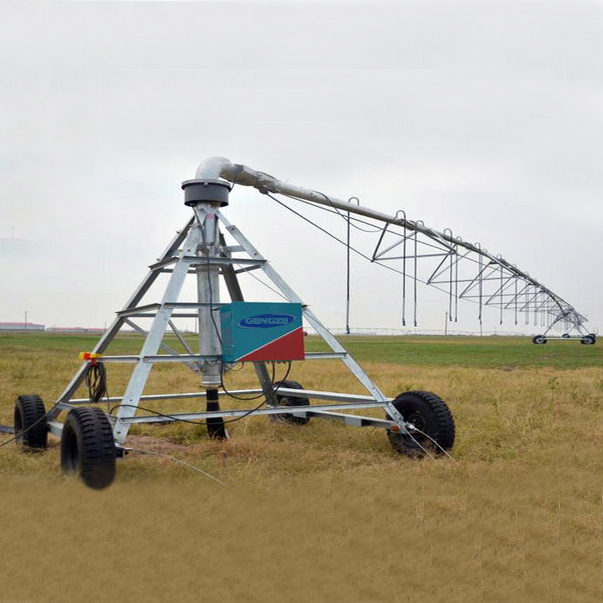
At its core, a pivot irrigation system is a mechanized, rotating structure that distributes water evenly across agricultural fields. Composed of a central pivot point connected to a series of sprinkler-equipped pipes, the system moves in a circular pattern, covering vast areas with precise, uniform irrigation. Unlike traditional flood or furrow irrigation methods, which are labor-intensive and prone to water waste, pivot systems leverage engineering precision to deliver water directly to the root zone of crops—ensuring optimal hydration while reducing runoff and evaporation. This fundamental shift in irrigation methodology is where the first layer of empowerment lies: doing more with less, a critical advantage in an era of water scarcity.
One of the most significant ways pivot irrigation systems empower modern commercial farming is by boosting operational efficiency. Commercial farms, often spanning hundreds or thousands of acres, require irrigation solutions that can cover large areas quickly and consistently. Pivot systems excel in this regard: a single large-scale pivot can cover hundreds of acres in a single rotation, eliminating the need for manual labor to move sprinklers or dig irrigation ditches. This automation frees up farm labor to focus on higher-value tasks, such as crop monitoring, pest control, and harvest preparation—tasks that directly impact yield and quality. For example, a 100-acre field that might take a team of workers days to irrigate manually can be covered by a single pivot system in a matter of hours, reducing labor costs and increasing overall productivity.
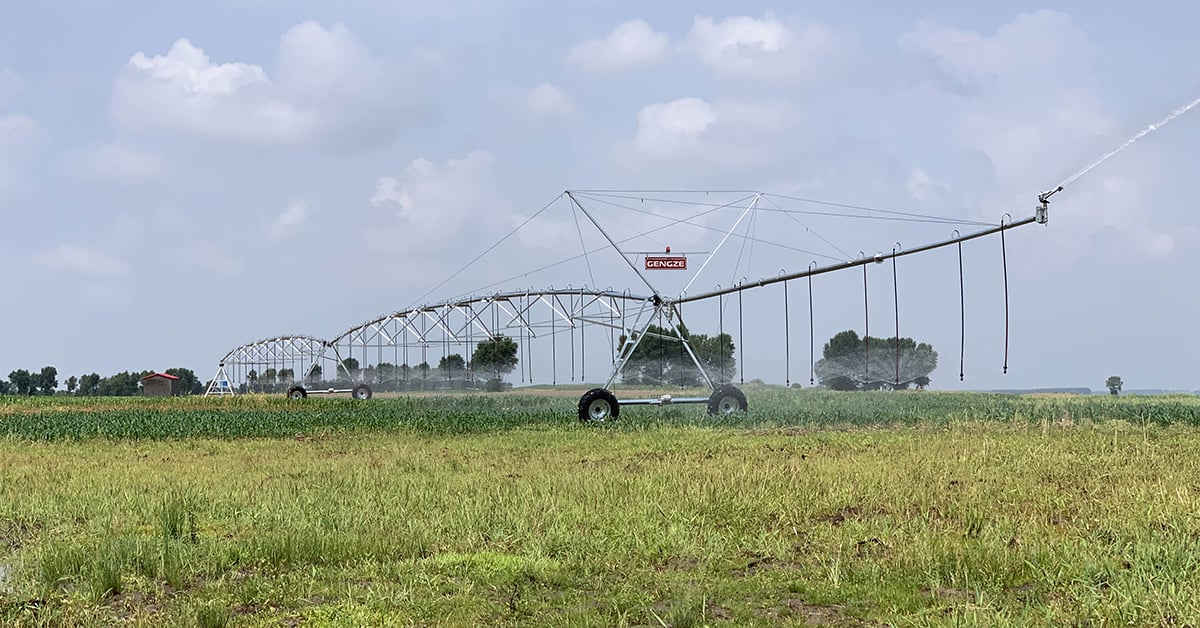
Beyond efficiency, pivot irrigation systems empower farmers to optimize resource utilization, a key pillar of sustainable commercial farming. Water is one of the most precious resources in agriculture, and traditional irrigation methods often waste 30-50% of water due to runoff, evaporation, or overwatering. Pivot systems, however, are designed to deliver water with remarkable precision. By adjusting sprinkler pressure, droplet size, and rotation speed, farmers can tailor irrigation to the specific needs of their crops—whether it’s shallow-rooted vegetables or deep-rooted row crops. This precision not only reduces water waste but also ensures that crops receive the exact amount of moisture they need to thrive, minimizing stress and improving yield quality. In regions where water is scarce, this ability to do more with less can mean the difference between a profitable harvest and a failed crop.
Cost reduction is another critical way pivot irrigation systems empower commercial farmers. While the initial investment in a pivot system may be higher than traditional methods, the long-term savings are substantial. Reduced labor costs, lower water bills, and fewer crop losses due to under- or over-irrigation all contribute to a better return on investment (ROI). Additionally, pivot systems are durable and require minimal maintenance, especially when paired with modern monitoring technologies. Many advanced pivot systems now integrate sensors and IoT (Internet of Things) capabilities, allowing farmers to monitor soil moisture, weather conditions, and irrigation performance in real time. This data-driven approach enables farmers to make informed decisions, further reducing waste and optimizing resource use—ultimately lowering operational costs and increasing profitability.
Scalability is yet another advantage that makes pivot irrigation systems indispensable for modern commercial farming. As farms grow in size, traditional irrigation methods become increasingly unwieldy and inefficient. Pivot systems, however, can be easily expanded or modified to cover larger areas by adding additional pipe sections or connecting multiple pivots. This scalability allows farmers to adapt to changing market demands—whether expanding their crop acreage or diversifying their crop portfolio—without having to overhaul their entire irrigation infrastructure. For commercial farmers looking to scale their operations, pivot systems provide a flexible, future-proof solution that grows with their business.
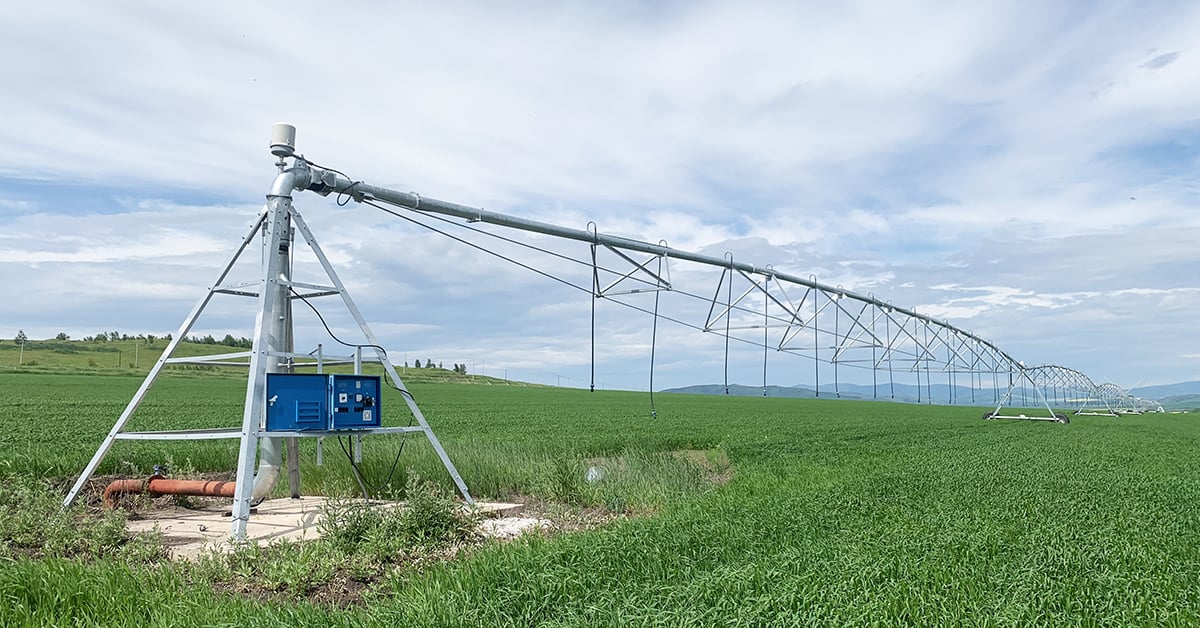
Moreover, pivot irrigation systems contribute to consistent crop quality and yield stability, two factors that are critical for commercial success. Inconsistent irrigation—whether due to human error, uneven water distribution, or weather variability—can lead to uneven crop growth, reduced yields, and lower quality produce. Pivot systems eliminate this inconsistency by delivering uniform water distribution across the entire field, ensuring that every plant receives the same level of hydration. This consistency translates to more uniform crop maturity, higher yields, and better-quality produce—all of which are essential for commercial farmers looking to compete in global markets. For example, in corn or wheat production, uniform irrigation from pivot systems can increase yields by 10-20% compared to traditional methods, while also improving grain quality and marketability.
In an era where sustainability is no longer an option but a necessity, pivot irrigation systems also play a vital role in reducing the environmental footprint of commercial farming. By minimizing water waste, reducing runoff (which can carry fertilizers and pesticides into waterways), and lowering energy consumption (many modern pivot systems are powered by efficient electric motors or solar energy), these systems help farmers operate more sustainably. This not only benefits the environment but also aligns with the growing consumer demand for sustainably produced food. Commercial farmers who adopt pivot irrigation systems can market their crops as sustainably grown, giving them a competitive edge in the marketplace.
The integration of technology has further enhanced the empowering capabilities of pivot irrigation systems. Modern pivot systems can be controlled remotely via smartphones or computers, allowing farmers to monitor and adjust irrigation schedules from anywhere. Some systems even use AI (Artificial Intelligence) to predict weather patterns and adjust irrigation accordingly, ensuring that crops receive the right amount of water at the right time. This level of control and automation not only saves time but also reduces the risk of human error, making irrigation more reliable and efficient.
In conclusion, pivot irrigation systems are more than just a tool for watering crops—they are a catalyst for transformation in modern commercial farming. By boosting efficiency, optimizing resource use, reducing costs, enabling scalability, ensuring consistent yields, and promoting sustainability, these systems empower farmers to overcome the challenges of modern agriculture and thrive in a competitive global market. As technology continues to advance, pivot irrigation systems will only become more sophisticated, offering even greater benefits to commercial farmers. For those looking to modernize their operations, increase productivity, and build a more sustainable future, pivot irrigation is not just an option—it is an essential investment that drives success.
 Hot News
2026-10-13
2026-10-08
2026-09-29
2026-09-22
2026-09-03
2026-08-28

Dalian Gengze Agricultural Equipment Manufacturing Co.,Ltd
Copyright © Dalian Gengze Agricultural Equipment Manufacturing Co.,Ltd All Rights Reserved | Blog | Privacy Policy
 EN
EN