Requesting a Call:
Online Support
Affordable center pivot irrigation systems are essential for modern agricultural practices, providing efficient water distribution across vast fields. As a purchasing manager or agricultural engineer, your primary concerns likely include system reliability, cost-effectiveness, and adaptability to various crop types. This article will guide you through the key specifications, purchasing considerations, common issues, installation tips and applications of affordable center pivot irrigation systems, helping you make informed decisions that enhance your agricultural productivity.
When evaluating affordable center pivot irrigation systems, several key specifications play a crucial role in their effectiveness and suitability for your agricultural needs:
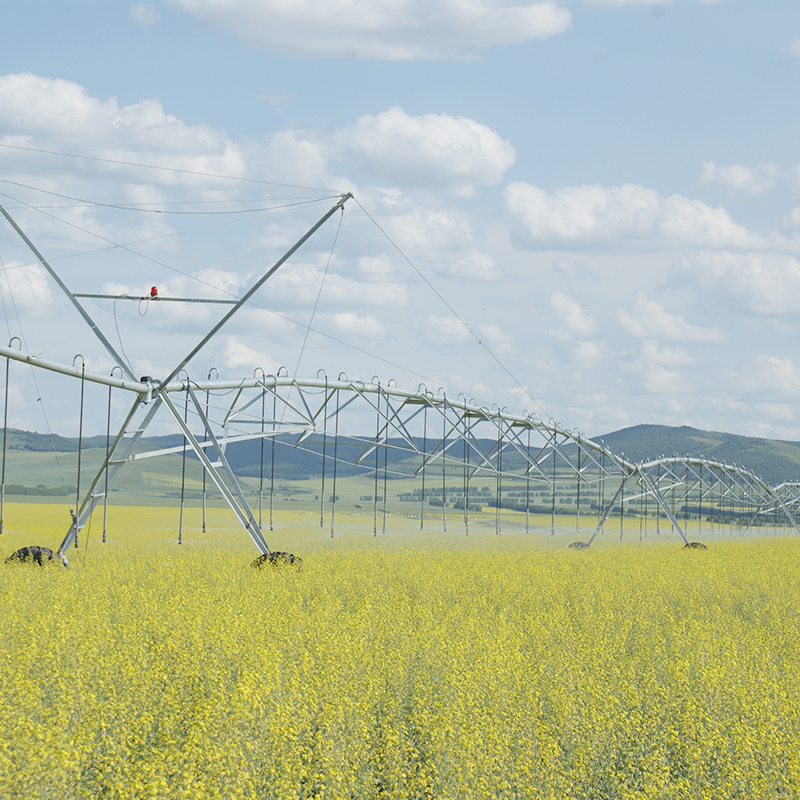
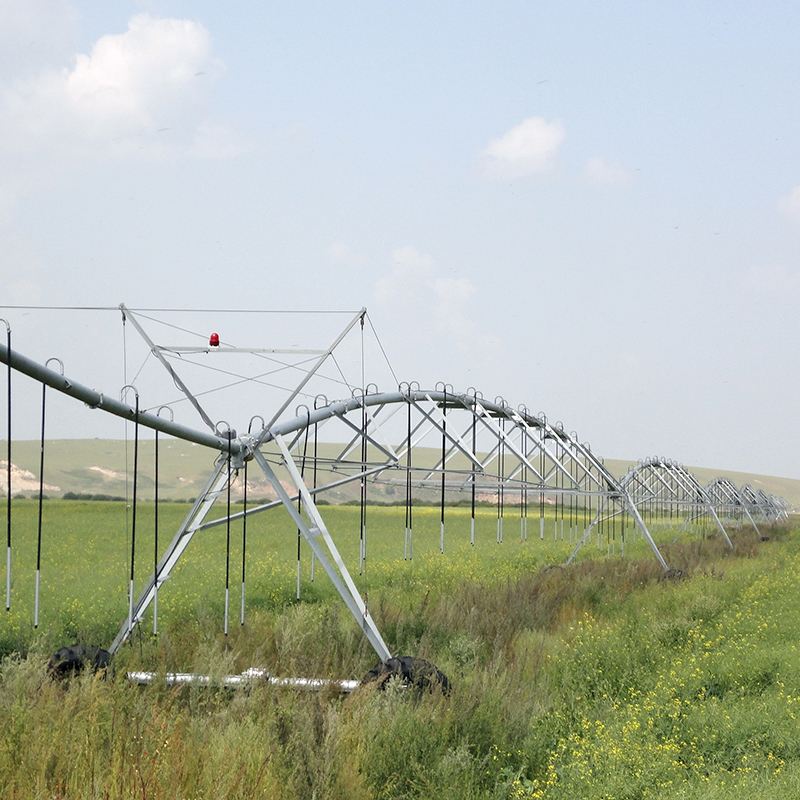
Span Length and Radius: The span length typically ranges from 100 to 1,500 feet. Selecting the appropriate span is vital as it determines the area covered and the system's compatibility with your field layout. A longer span can cover more area but may require more robust support structures.
Water Application Rate: Measured in inches per hour, this rate impacts how quickly your crops receive water. Systems should be tailored to the needs of specific crops and soil types to avoid over or under-watering.
Drive Mechanism: Electric and hydraulic drives are common. Electric drives are often more efficient and require less maintenance, while hydraulic systems can offer greater power in challenging terrains.
Control System: Modern systems often feature advanced control technology, including GPS and remote management capabilities. These systems enhance operational efficiency by allowing real-time monitoring and adjustments.
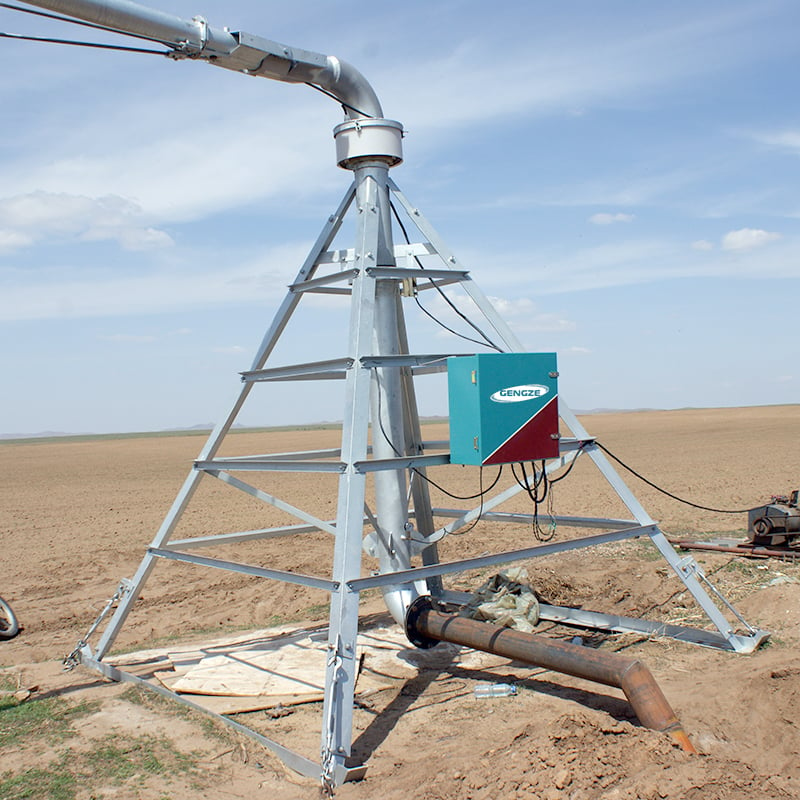
Material Quality: The best center pivot irrigation system frame and pipe materials should be corrosion-resistant and durable. Common materials include galvanized steel and high-density polyethylene (HDPE), which provide longevity under various environmental conditions.
Understanding these specifications will help ensure you select a center pivot irrigation system that meets your operational requirements and provides reliable performance.
When considering bulk purchases of center pivot irrigation systems, several factors should be taken into account to maximize value and efficiency:
Quantity and MOQ: Determine the quantity needed for your agricultural operation. Manufacturers typically have a minimum order quantity (MOQ) which can affect pricing and availability.
Customization Options: Many manufacturers offer customizable features to suit specific agricultural needs. Discuss your requirements, such as span length, water application rates, and control systems, to ensure you receive a tailored solution.
Lead Time: Understand the centre pivot irrigation lead times involved in production and delivery. This is especially important during peak planting seasons when timely irrigation solutions are critical.
Pricing Factors: Prices can vary based on specifications, materials, and customization. Request detailed quotes that break down costs, including any additional features or shipping fees.
Supplier Evaluation: Research potential suppliers, focusing on their manufacturing capabilities, experience in the industry, and customer reviews. A reliable supplier like Dalian Gengze Agricultural Equipment Manufacturing Co., Ltd., with over 20 years of experience, can provide assurance of product quality and support.
By following this guide, you can navigate the wholesale purchasing process with confidence, ensuring that you procure the best center pivot irrigation systems for your needs.
Center pivot irrigation systems, while efficient, can encounter various issues that may disrupt operations. Here are some common problems and their solutions:
Uneven Water Distribution: This can occur due to clogs in the nozzles or improper alignment of the system. Regular maintenance and checks can help identify clogs early. Adjusting the pivot alignment and ensuring that nozzles are clean can resolve this issue.
Mechanical Failures: Components such as gearboxes and drive motors may fail due to wear and tear. Regular inspections and timely replacement of worn parts are crucial. Consider having spare parts on hand to minimize downtime.
Control System Malfunctions: Software or hardware failures can hinder operational efficiency. Regular updates and maintenance of control systems, along with staff training, can mitigate these risks.
Soil Compaction: Heavy machinery can compact the farm irrigation systems center pivot soil, affecting water infiltration. Implementing a rotational irrigation schedule can help alleviate soil compaction and promote healthy crop growth.
By being aware of these potential issues, you can take proactive measures to ensure your center pivot irrigation system operates smoothly and effectively.
Proper installation of center pivot irrigation systems is critical to their performance and longevity. Here are key steps to ensure a successful installation:
Site Preparation: Before installation, conduct a thorough site assessment. Ensure the field is level and free from obstructions. Soil type and drainage conditions should also be evaluated to determine the best system configuration.
System Layout: Plan the layout carefully, taking into consideration the field's dimensions and shape. The pivot point's location should allow for maximum coverage without crossing obstacles like roads or buildings.
Foundation Setup: The foundation must be strong enough to support the system's weight and withstand environmental stresses. Use appropriate materials to anchor the system securely.
Electrical Connections: Ensure that all electrical connections are made according to local regulations. Proper grounding is essential to prevent electrical issues.
Testing and Calibration: After installation, conduct thorough testing of the system. Check for leaks, verify the control system's functionality, and calibrate the water application rates to meet crop requirements.
By following these installation guidelines, you can enhance the performance and reliability of your center pivot irrigation system.
Center pivot irrigation systems have a wide range of applications in modern agriculture, enhancing productivity and resource efficiency across various crop types:
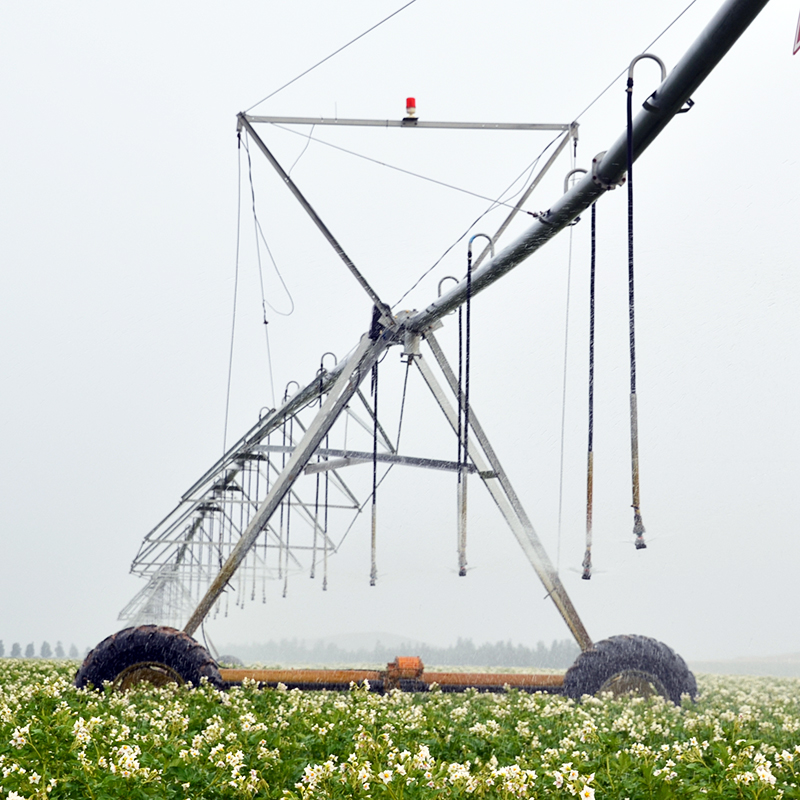
Row Crops: These systems are ideal for row crops such as corn, soybeans, and cotton, providing uniform water distribution that promotes healthy growth and higher yields.
Perennial Crops: For orchards and vineyards, center pivot systems can be adapted to accommodate the specific water needs and spacing of trees and vines, ensuring optimal hydration.
Pasture Irrigation: Livestock operations benefit from center pivot irrigation by maintaining lush pastures, which improves forage quality and availability.
High-Value Crops: For specialty crops like vegetables and herbs, precise water application can enhance quality and reduce waste, making center pivot systems a valuable investment.
Sustainable Practices: By using advanced control systems, farmers can optimize water usage, reduce runoff, and improve overall sustainability, aligning with modern agricultural practices aimed at environmental stewardship.
Understanding these applications will help you recognize the versatility and advantages of affordable center pivot irrigation systems in addressing diverse agricultural needs.

Dalian Gengze Agricultural Equipment Manufacturing Co.,Ltd
Copyright © Dalian Gengze Agricultural Equipment Manufacturing Co.,Ltd All Rights Reserved | Blog | Privacy Policy
 EN