Requesting a Call:
Online Support
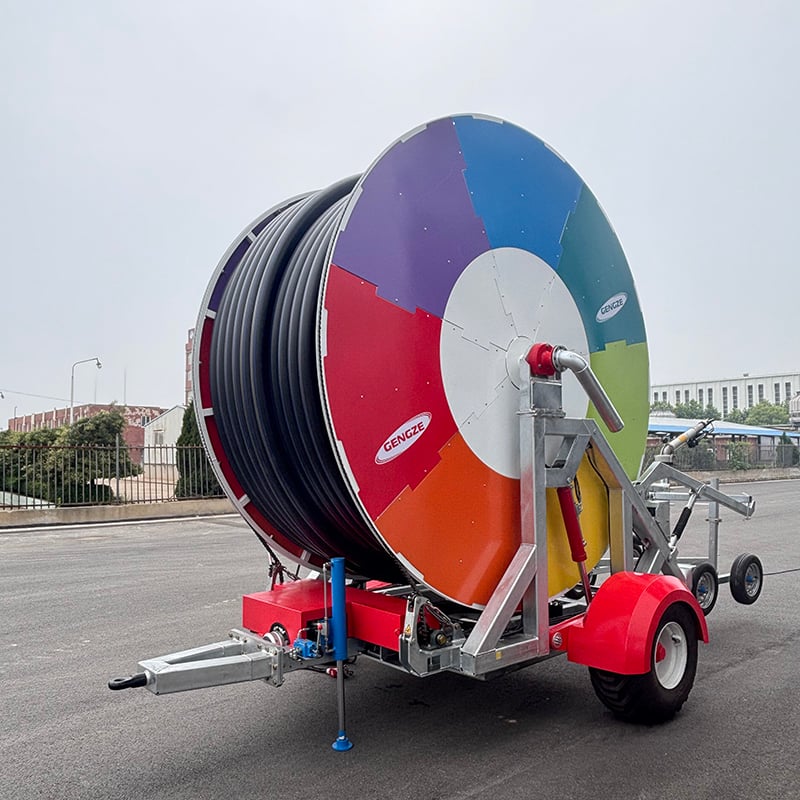
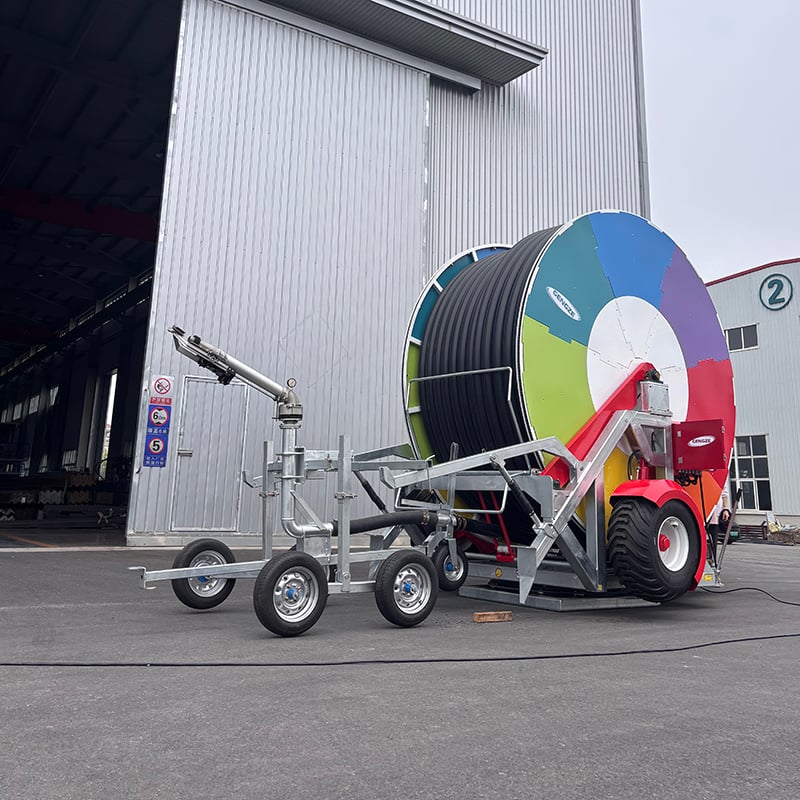
Electric lateral move irrigation systems are advanced agricultural solutions designed to optimize water usage across large fields. Gengze electric center pivot irrigation allow for precise water distribution, improving crop yields while minimizing waste. For purchasing managers and agricultural engineers, understanding the specifications, sourcing options, costs, and potential issues with electric lateral move irrigation systems is crucial for informed decision-making. We'll explore key specifications, reliable suppliers, cost comparisons, common problems and their solutions, and installation guidance of Gengze electric hose reel irrigation to help streamline your procurement process.
When evaluating electric lateral move irrigation systems, several key specifications should be considered. These include:
System Length and Width: The dimensions of the system need to be suited to the size of the field. Longer systems can cover more area, but may require more power and maintenance.
Power Requirements: Electric systems rely on a stable power source. Understanding the voltage and amperage needed of Gengze electric circle irrigation system is essential to ensure compatibility with your local power grid.
Water Distribution Mechanism: Features such as spray patterns, pressure management, and nozzle types affect how water is delivered to crops. Consider what configurations work best for your crop types and soil conditions.
Material and Build Quality: Look for systems made from corrosion-resistant materials, such as high-grade aluminum or stainless steel, which enhance durability and reduce maintenance costs.
Control Systems: Advanced control systems offer features such as automated scheduling, remote monitoring, and integration with weather data. These capabilities can lead to significant water savings and operational efficiency.
Customization Options: Depending on your specific agricultural needs, customization might be required. Discuss available options with your suppliers to ensure the system meets all requirements.
Understanding these specifications will help buyers select the right electric lateral move irrigation system that meets their operational needs and constraints.
Sourcing reliable suppliers is crucial for acquiring electric lateral move irrigation systems. Here are several strategies to find trustworthy manufacturers:
Industry Directories: Utilize agricultural and manufacturing industry directories to find reputable suppliers. Look for companies with a proven track record and positive reviews from previous customers.
Trade Shows and Expos: Attending agricultural equipment trade shows allows you to meet manufacturers in person, evaluate their products, and discuss your specific needs directly.
Online Research: Explore supplier websites and review their product catalogs. Pay attention to their manufacturing capabilities, certifications, and customer testimonials.
Network with Other Professionals: Engaging with industry peers or agronomists can lead to referrals to established suppliers. Personal recommendations often provide insights that online research may overlook.
Request Samples: Before committing to a bulk order, request samples or demonstrations of the system. This allows you to evaluate the quality and performance in real-world conditions.
Dalian Gengze Agricultural Equipment Manufacturing Co., Ltd, with over 20 years of experience in manufacturing agricultural equipment, is a reliable option for sourcing electric lateral move irrigation systems, offering high-quality products at competitive prices.
Cost is a significant factor when considering electric lateral move irrigation systems. Here are some key elements that influence pricing:
System Specifications: More advanced systems with features like remote monitoring, automated operations, and customizations typically come with higher price tags. Understand which specifications are essential for your operations versus those that are optional.
Material Quality: The choice of materials can significantly impact the cost. Systems with durable, corrosion-resistant materials may have a higher initial investment but can lead to lower long-term maintenance costs.
Order Quantity: Bulk orders often reduce the per-unit price. Discuss with suppliers about volume discounts and any minimum order quantities (MOQs) that may apply.
Shipping and Handling: Factor in shipping costs, especially if sourcing from international suppliers. These costs can vary significantly based on the distance, shipment method, and any tariffs or duties.
Installation Costs: Depending on the complexity of the system, installation may require professional assistance, adding to the overall cost. Some suppliers may offer installation services, which could be worth considering.
Warranty and Support: Understanding warranty terms and post-purchase support can affect total cost of ownership. A system with a robust warranty may cost more upfront but can save money in the long run through service support.
By comparing these factors, you can better assess the total cost of ownership for electric lateral move irrigation systems and make informed purchasing decisions.
Like any agricultural system, electric lateral move irrigation systems may encounter issues. Here are some common problems and practical solutions:
Power Failures: Interruptions in power supply can halt irrigation. Ensure a reliable power source and consider backup generators for critical systems to avoid crop damage.
Mechanical Failures: Components may wear out over time or become damaged. Regular maintenance checks and timely replacement of worn parts can mitigate downtime.
Clogged Nozzles: Debris and mineral buildup can clog nozzles, affecting water distribution. Implementing a regular cleaning schedule and using filters can help maintain optimal performance.
Inconsistent Water Pressure: Variations in water pressure can lead to uneven irrigation. Installing pressure regulators and conducting regular system checks can help maintain consistent performance.
Software Issues: If the control system has bugs or malfunctions, it can affect automation. Ensure that software is updated regularly and that you have access to technical support for troubleshooting.
Environmental Factors: Extreme weather conditions can impact system performance. Consider designing the system with weather-resistant features to minimize damage from elements like wind or heavy rain.
By understanding these potential issues, buyers can implement preventive measures and ensure reliable operation of their electric lateral move irrigation systems.
Proper installation of electric lateral move irrigation systems is critical to their performance. Here are some essential steps to follow:
Site Assessment: Conduct a thorough site assessment to determine the layout and any potential obstacles. This includes checking soil types, drainage patterns, and existing infrastructure.
System Layout Planning: Design the system layout to optimize coverage while minimizing water waste. Take into consideration factors like field shape and topography.
Electrical Setup: Ensure that electrical connections are compliant with local regulations and safely installed. It may be beneficial to hire a licensed electrician for this part of the installation.
Testing the System: Before full-scale operation, conduct a test run to check for leaks, even water distribution, and proper functioning of all components. Adjust settings as necessary based on performance observations.
Training for Operators: Providing training for operators on system controls and maintenance routines is essential. Ensure they understand how to troubleshoot common issues.
Documentation: Keep all manuals and installation documents accessible for future reference. This will assist in maintenance and troubleshooting over the system's lifespan.
Following these installation guidelines will help ensure a successful implementation of electric lateral move irrigation systems, ultimately leading to enhanced agricultural productivity.

Dalian Gengze Agricultural Equipment Manufacturing Co.,Ltd
Copyright © Dalian Gengze Agricultural Equipment Manufacturing Co.,Ltd All Rights Reserved | Blog | Privacy Policy
 EN