Requesting a Call:
Online Support
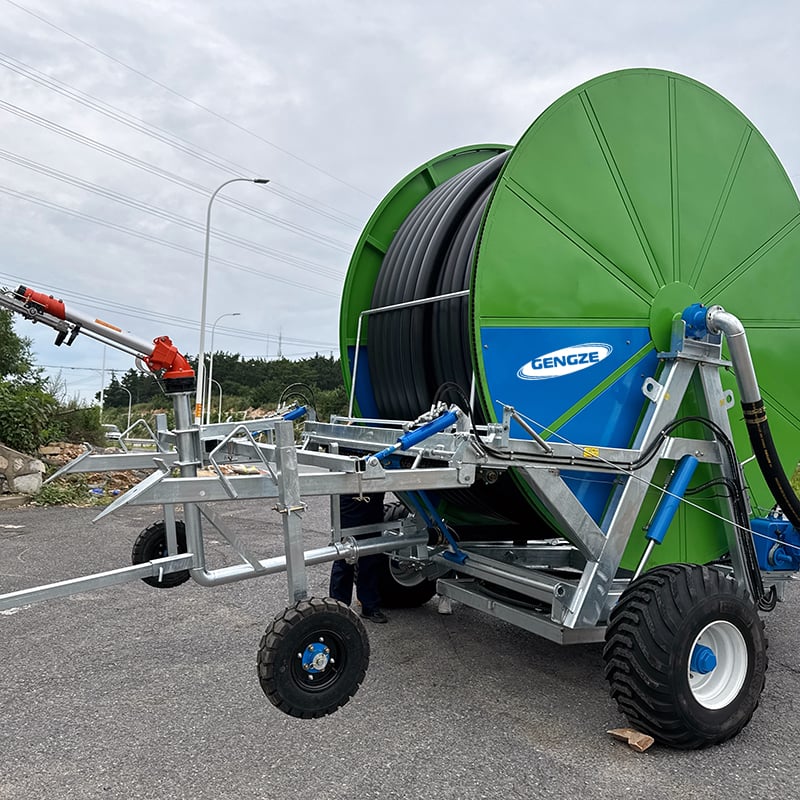
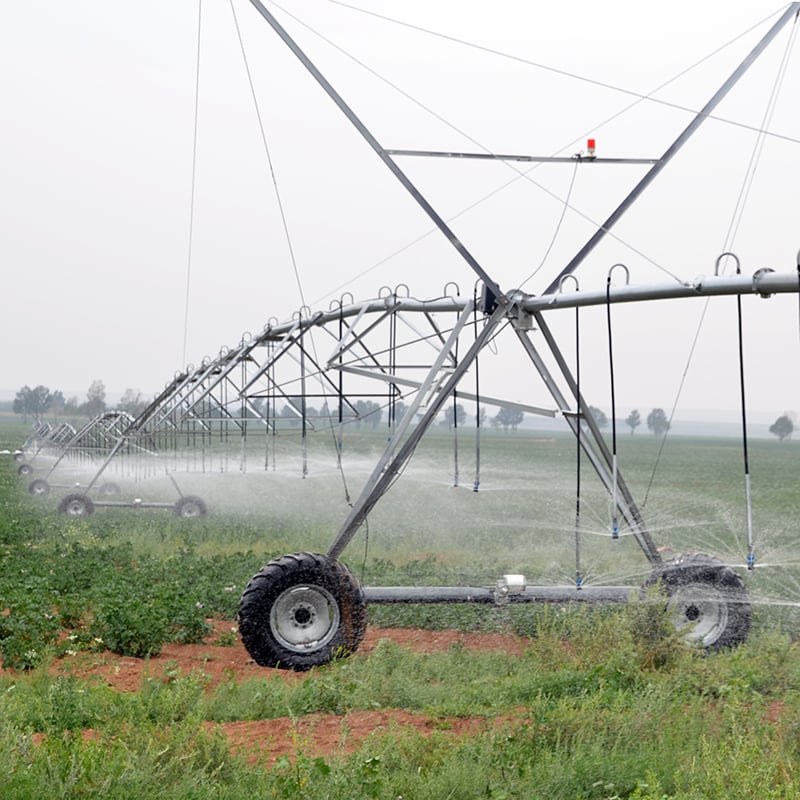
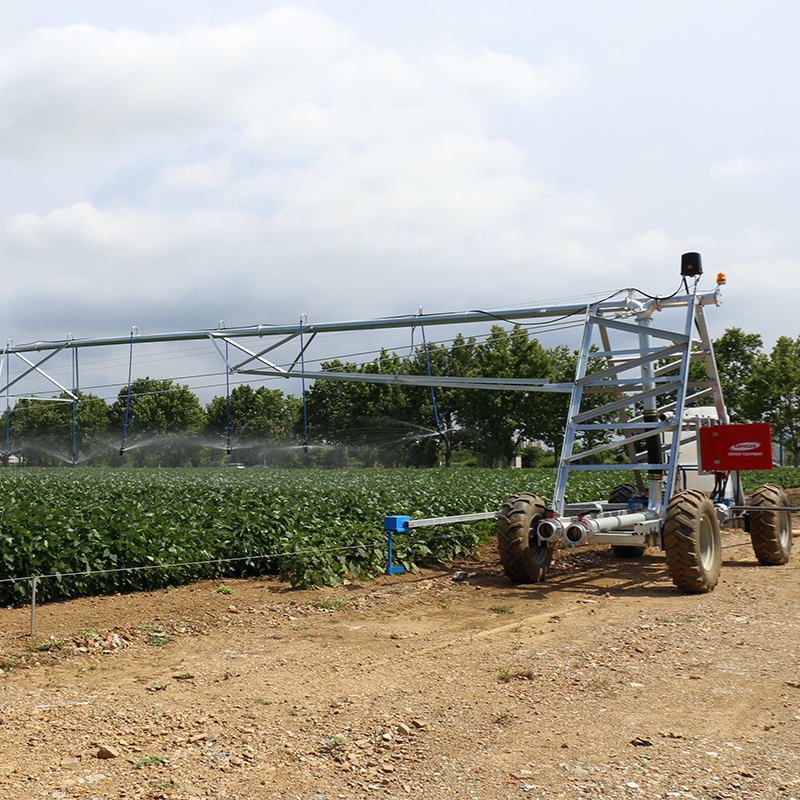
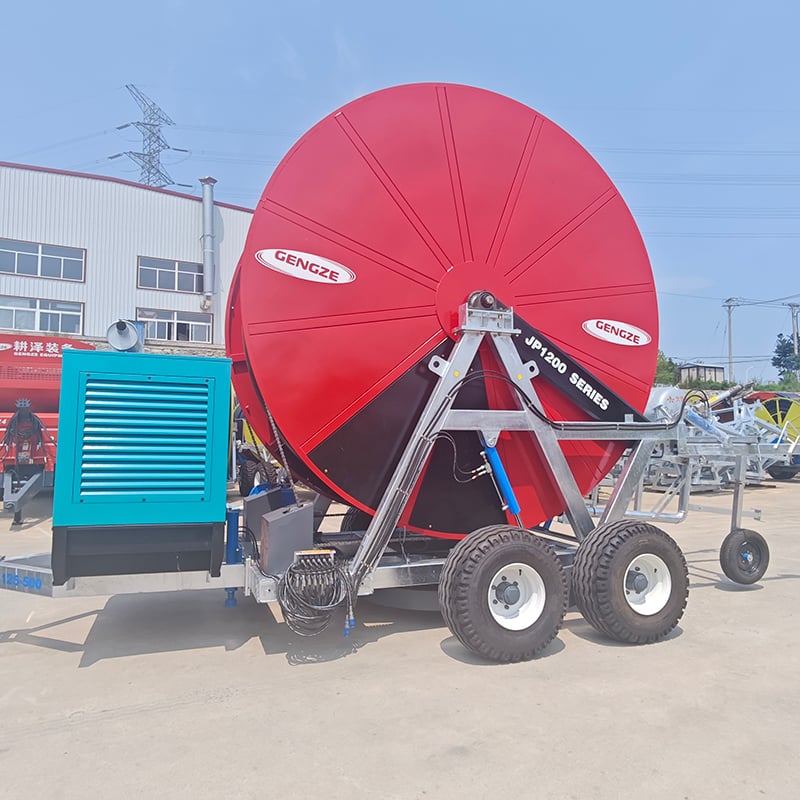
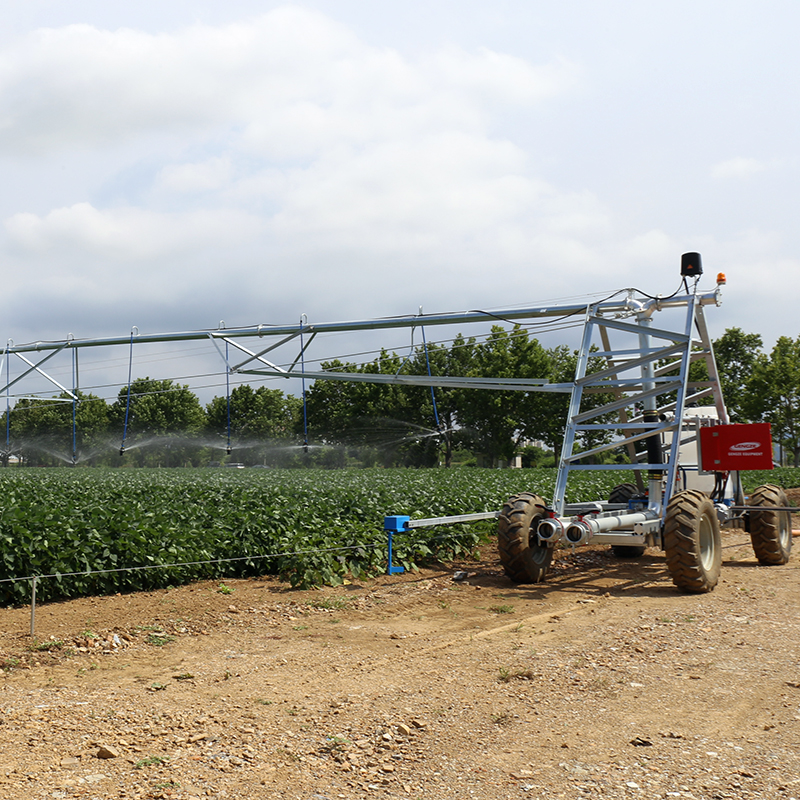
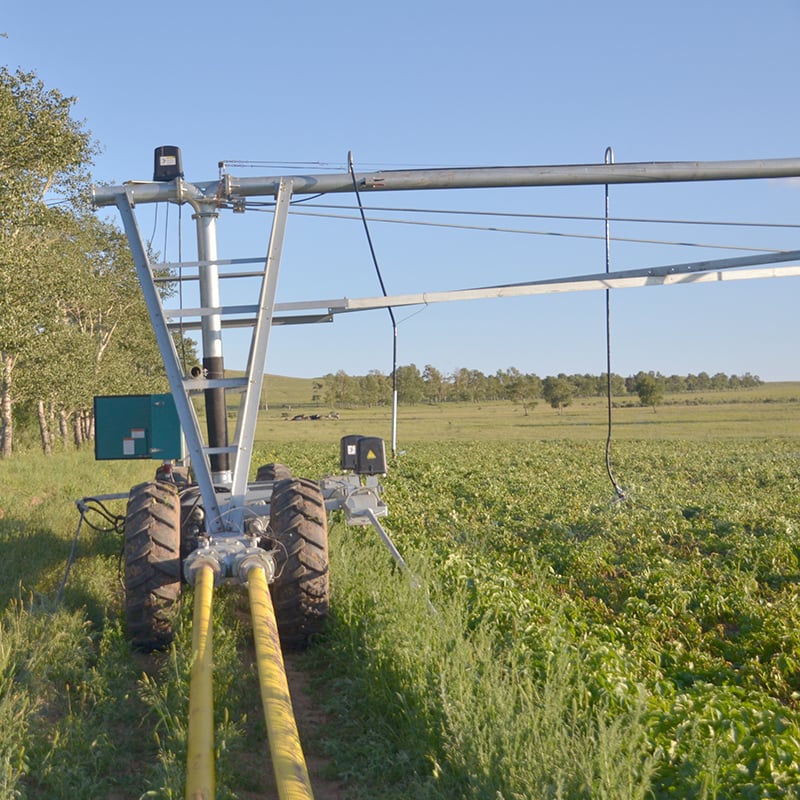
Irrigation circle machines are essential for effective agricultural irrigation, facilitating the efficient distribution of water across vast fields. As a B2B buyer, understanding how to select the right irrigation circle machine is crucial for optimizing crop yields while managing costs. This article will help you navigate the complexities of choosing the right equipment, evaluating suppliers, installation processes, cost factors, and common issues you might face with these machines.
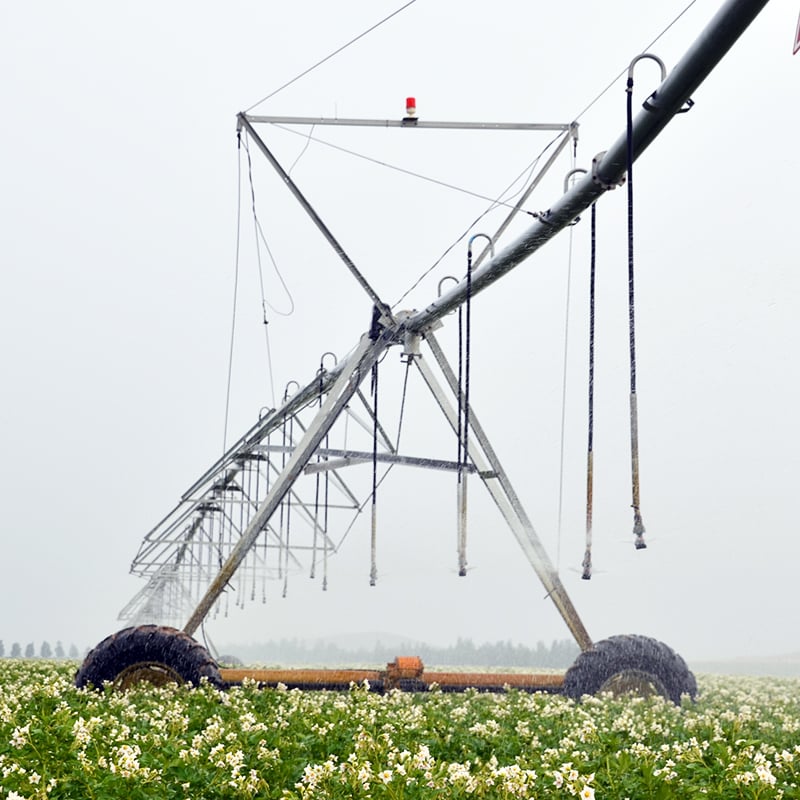
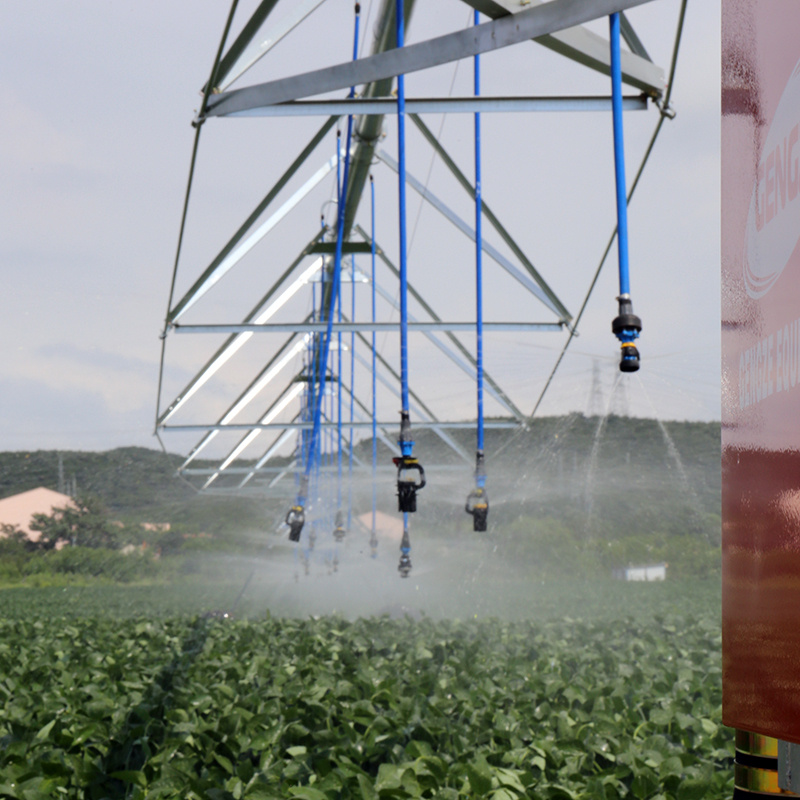
Choosing the right circle irrigation system involves assessing several key factors. First, consider the size of the area you intend to irrigate. Larger fields may require machines with longer radius capabilities, typically ranging from 100 to 600 feet, depending on the model. Additionally, evaluate the machine's watering method some machines feature overhead sprinklers while others may utilize drip systems, impacting water efficiency and crop yield.
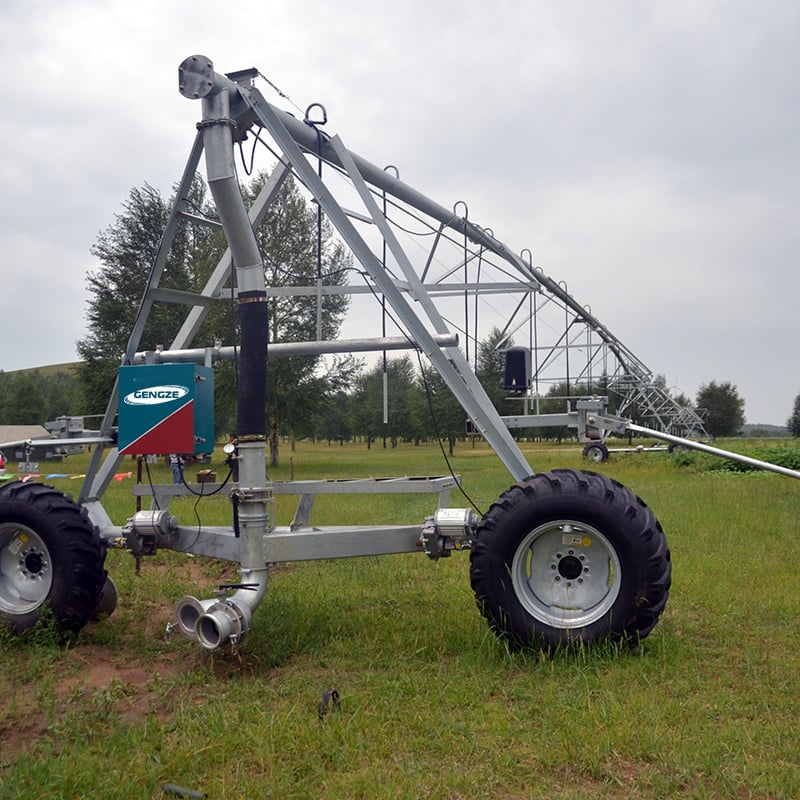
Next, examine the machine’s material construction. Common materials include galvanized steel and high-density polyethylene, which offer durability and resistance to corrosion. The choice of material will affect not only the machine's longevity but also its performance in various environmental conditions, such as soil type and climate.
Finally, consider your specific cropping needs. Different crops have varying irrigation requirements, which may influence the type of irrigation circle machine you should select. Consulting with an experienced manufacturer, like Dalian Gengze Agricultural Equipment Manufacturing Co., can provide tailored advice based on your unique agricultural context.
When evaluating suppliers for irrigation systems, it’s essential to consider their manufacturing capabilities, product range, and reputation. Look for suppliers with a proven track record in the industry. Companies like Dalian Gengze Agricultural Equipment Manufacturing, with over 20 years of experience and a focus on quality, can provide reassurance regarding product reliability.
In addition, assess their customization capabilities. A good supplier should be able to adapt their irrigation machines to meet specific agricultural needs, whether that involves modifying dimensions or incorporating special features. Requesting references or case studies from previous customers can also help gauge the supplier's reliability and commitment to quality.
Lastly, ensure that the supplier adheres to quality control processes and possesses relevant certifications. This not only demonstrates their commitment to high standards but also ensures that their products meet industry regulations and performance benchmarks.
Proper installation is critical for maximizing the efficiency of irrigation circle machines. Begin by preparing the land to ensure a level and stable foundation, which is essential for the machine's performance. Additionally, familiarize yourself with the manufacturer's installation guidelines, which will outline specific steps and requirements.
During installation, ensure that all components are securely connected and that the water supply is properly aligned with the machine's intake. Regularly check for leaks and test the machine's operation before full-scale utilization. It’s advisable to conduct a trial run to fine-tune the settings this will help you achieve optimal water distribution and avoid over-irrigation.
For ongoing maintenance, keep the irrigation system clean and perform regular inspections for wear and tear. Preventative maintenance can significantly extend the lifespan of your solar circle irrigation system and enhance its operational efficiency.
When considering the purchase of irrigation equipment wholesale, various cost factors come into play. The initial purchase price is just one aspect; it is crucial to evaluate total ownership costs, including installation, maintenance, and operational expenses.
For example, you should assess the energy consumption of the irrigation circle machine. High-efficiency models may have a higher upfront cost but can lead to significant savings in water and energy bills over time. Additionally, factor in the cost of replacement parts and any potential customization that may be required to meet your specific agricultural needs.
Minimum Order Quantities (MOQs) can also affect pricing. Suppliers may offer discounts for bulk purchases, but it’s essential to balance the benefits of economies of scale with your actual needs and storage capabilities. Always request detailed quotes that break down all associated costs, allowing you to make a more informed purchasing decision.
Irrigation circle machines, while efficient, can encounter several issues that may hinder their performance. One common problem is uneven water distribution, which can lead to overwatering or underwatering specific areas of the field. This issue can often be resolved by adjusting the machine’s settings or checking for clogs in the sprinkler heads.
Another frequent concern is mechanical failure, which may stem from inadequate maintenance or wear and tear. Regular inspections and preventative maintenance are essential to identify potential issues early. If components are found to be damaged, they should be replaced promptly to avoid further complications.
Lastly, ensure that operators are trained adequately to handle the machinery. Improper use can lead to operational inefficiencies and potential damage to the equipment. Providing thorough training and ongoing support can mitigate many of these common problems, ensuring your irrigation circles machine operates at peak efficiency.
By understanding these key aspects of irrigation circle machines, B2B buyers can make informed decisions that enhance their agricultural operations, optimize resource use, and ultimately contribute to greater productivity.

Dalian Gengze Agricultural Equipment Manufacturing Co.,Ltd
Copyright © Dalian Gengze Agricultural Equipment Manufacturing Co.,Ltd All Rights Reserved | Blog | Privacy Policy
 EN