Requesting a Call:
Online Support
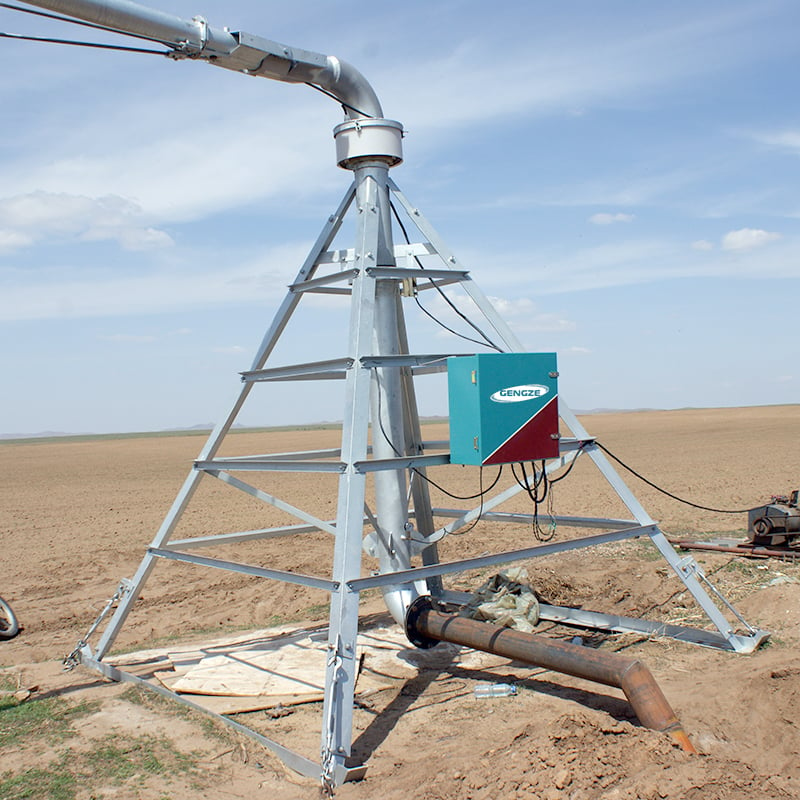
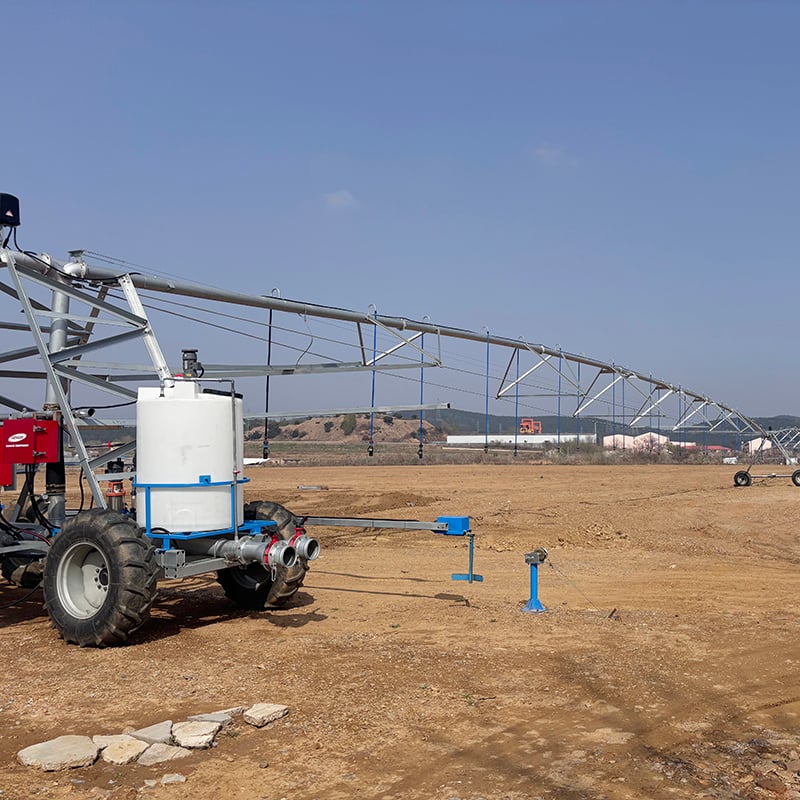
Circle crop irrigation systems are essential for efficient agricultural water management, particularly in areas where water conservation and uniform crop irrigation are critical. As a B2B buyer, understanding the various aspects of these systems can help you make informed purchasing decisions. This article will guide you through key considerations for selecting circle crop irrigation systems, important specifications, installation guidance, common challenges, and how to find reliable manufacturers.
When selecting a circle crop irrigation system, several factors should be taken into account to ensure optimal performance and efficiency. First, consider the size of the area to be irrigated. The system should be compatible with the field's dimensions and the crop types being grown. Additionally, evaluate the water source and pressure requirements; understanding the local water supply and pressure will help you determine the appropriate pump size and irrigation system configuration.
Another critical consideration is the soil type. Different soils have varying moisture retention capabilities, which can affect the irrigation system's design. For example, sandy soils may require more frequent watering than clay soils. It's also essential to assess the local climate conditions, as factors such as temperature and evapotranspiration rates can influence irrigation needs.
Finally, consider the system's automation capabilities. Advanced systems with smart technology can significantly enhance efficiency by adjusting irrigation schedules based on weather forecasts and soil moisture levels, reducing water waste and labor costs.
High-quality circle crop irrigation systems come with specific specifications that ensure reliability and efficiency. Key specifications to consider include:
Material Construction: The materials used in the irrigation system should be durable and resistant to corrosion. Common materials include high-density polyethylene (HDPE) and galvanized steel, which provide strength and longevity.
Nozzle Size and Type: The nozzle design affects water distribution and pressure. Larger nozzles may deliver more water but could lead to uneven coverage. Ensure the nozzle type aligns with your crop's irrigation needs and local regulations.
System Pressure: The operating pressure of the irrigation system is crucial for optimal performance. It should match the requirements of both the pump and the irrigation components. Insufficient pressure can lead to poor distribution and under-irrigation.
Control Systems: Many modern systems incorporate advanced control technology for better water management. Look for systems with user-friendly interfaces and programmable features that allow for precise scheduling.
Customization Options: Depending on the specific application, some manufacturers offer customization options for various components, enabling a tailored solution for your irrigation needs.
Understanding these specifications can help you evaluate different products effectively, ensuring that you select a system that meets your operational requirements.
Proper installation of crop circle irrigation systems is vital to ensure their effectiveness and longevity. Here are some key steps to follow for a successful installation:
Site Assessment: Before installation, conduct a comprehensive site assessment to identify the best layout for the irrigation system. This includes analyzing field dimensions, slope, soil type, and existing infrastructure.
Equipment Preparation: Gather all necessary equipment and tools before starting the installation. Ensure that all components, including pumps, pipes, and nozzles, are in good condition and meet the specified requirements.
Irrigation Layout: Mark the layout of the irrigation system on the ground. This includes the placement of the mainline and lateral lines, as well as the positioning of the pivots and nozzles. Proper alignment will promote even water distribution.
Pipe Installation: Begin installing the pipes according to the marked layout. Ensure that all connections are secure and watertight to prevent leaks. Consider using quality fittings and joints to enhance durability.
Testing: After installation, conduct a thorough test of the system to check for leaks, pressure consistency, and uniform water distribution. Adjustments may be necessary based on the test results to ensure optimal performance.
Training: Finally, provide training for all personnel involved in operating and maintaining the irrigation system. Proper knowledge of the system will prevent operational errors and ensure longevity.
While circle crop irrigation systems are effective, they can encounter several common issues that may hinder performance. Here are some of these problems and their solutions:
Uneven Water Distribution: This can occur due to clogged nozzles or incorrect system pressure. Regular maintenance, including cleaning nozzles and monitoring pressure levels, can help mitigate this issue.
System Leaks: Leaks can arise from damaged pipes or fittings. Regular inspections and prompt repairs are crucial. It’s advisable to use high-quality materials during installation to reduce the likelihood of leaks.
Pump Failures: Pump issues can lead to inadequate water supply. Ensure that pumps are correctly sized for the system and regularly serviced. Implementing a routine maintenance schedule can help identify potential problems before they escalate.
Soil Saturation: Over-irrigation can lead to soil saturation, which may damage crops. Monitoring soil moisture levels and adjusting irrigation schedules based on weather conditions can help prevent this issue.
Electrical Failures: Automation systems may experience electrical issues that disrupt operation. Regularly check electrical connections and consider surge protection measures to safeguard against power surges.
By understanding these common challenges, buyers can better prepare for maintenance and troubleshooting, ensuring that their irrigation systems operate smoothly.
Identifying a reliable manufacturer for your circle irrigation system is essential for ensuring quality and performance. Here are some key factors to consider when evaluating potential suppliers:
Experience and Reputation: Look for manufacturers with a long-standing history in the agricultural equipment industry. Companies like Dalian Gengze Agricultural Equipment Manufacturing Co., Ltd, with over 20 years of experience, often have proven track records and established reputations.
Product Range and Customization: Evaluate the variety of products offered by the manufacturer. A wide selection indicates the ability to cater to different needs and preferences. Customization options can also enhance compatibility with specific agricultural practices.
Quality Control Processes: Investigate the manufacturer’s quality assurance measures. Reliable companies implement rigorous testing and inspection protocols to ensure that their products meet industry standards.
Customer Support: Assess the level of customer service and technical support provided. A manufacturer that offers training, troubleshooting help, and responsive service can significantly enhance the user experience.
Certifications and Compliance: Check for any industry certifications or compliance with agricultural regulations. This can serve as a testament to the manufacturer’s commitment to quality and safety.
By focusing on these factors, buyers can find trustworthy manufacturers that align with their operational goals and standards.

Dalian Gengze Agricultural Equipment Manufacturing Co.,Ltd
Copyright © Dalian Gengze Agricultural Equipment Manufacturing Co.,Ltd All Rights Reserved | Blog | Privacy Policy
 EN