Requesting a Call:
Online Support
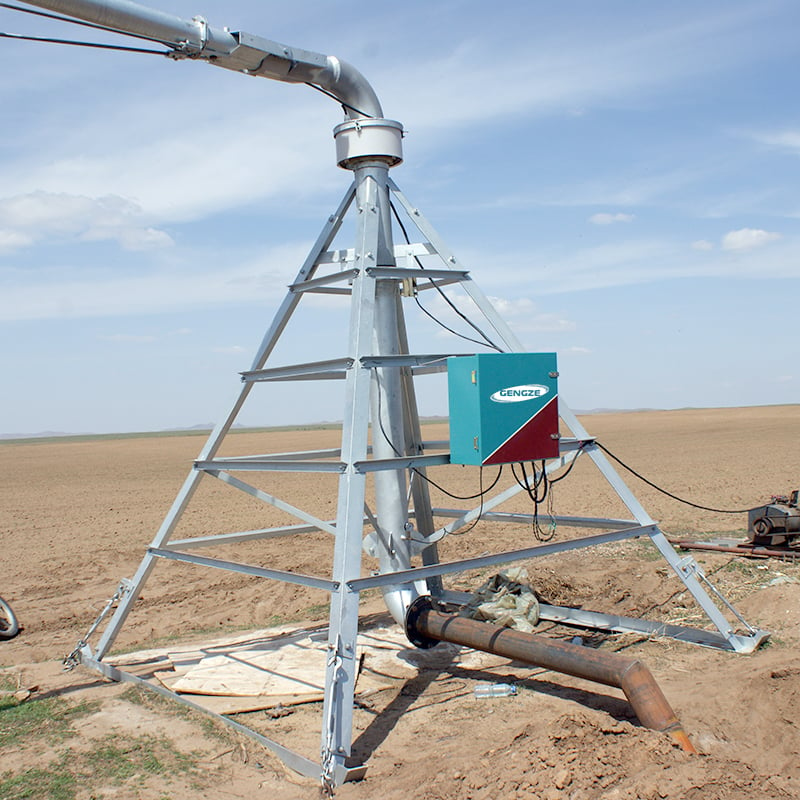
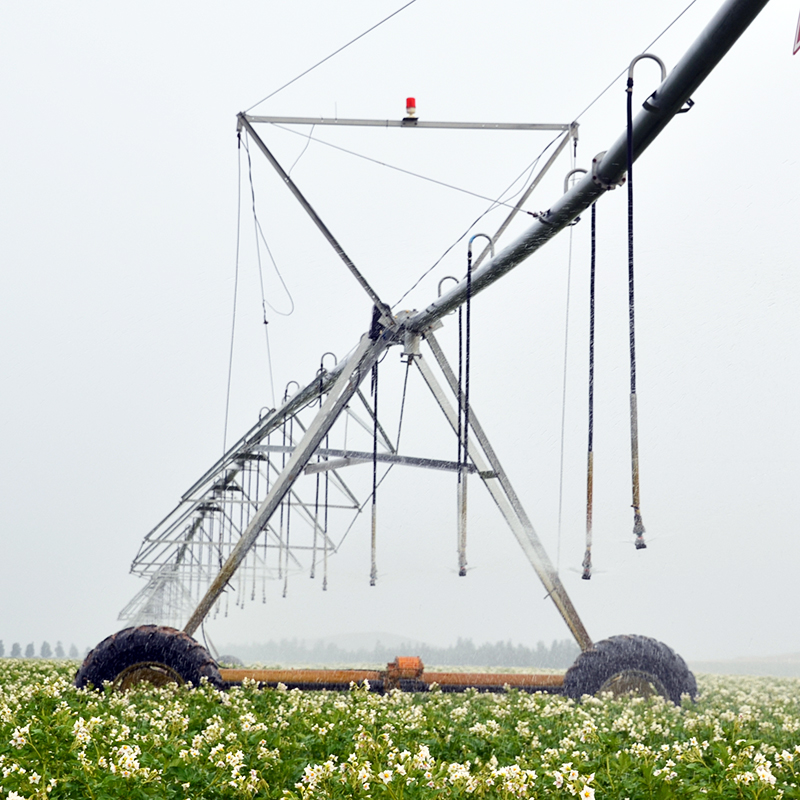
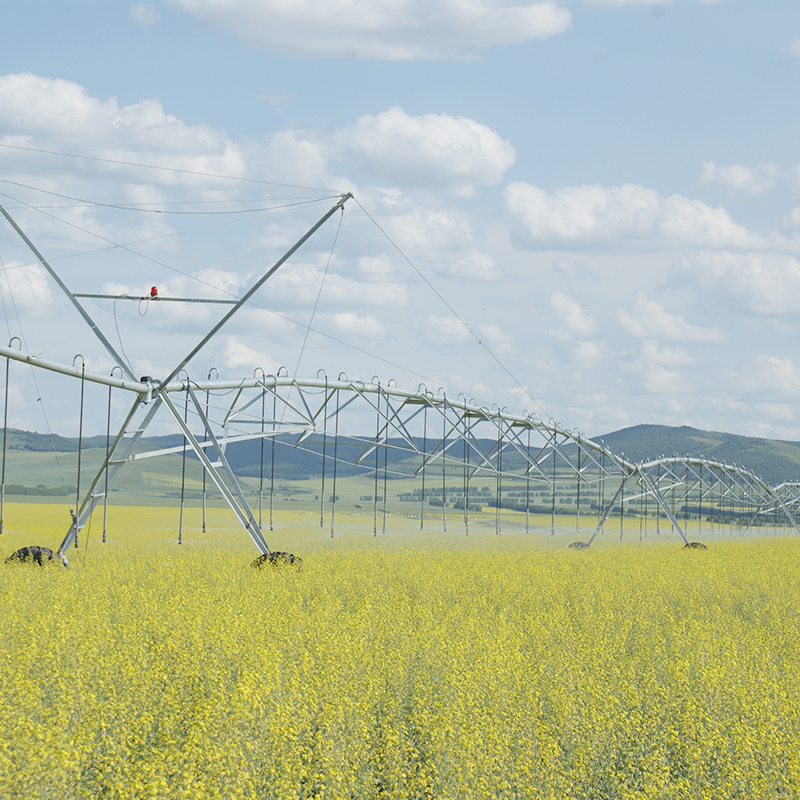
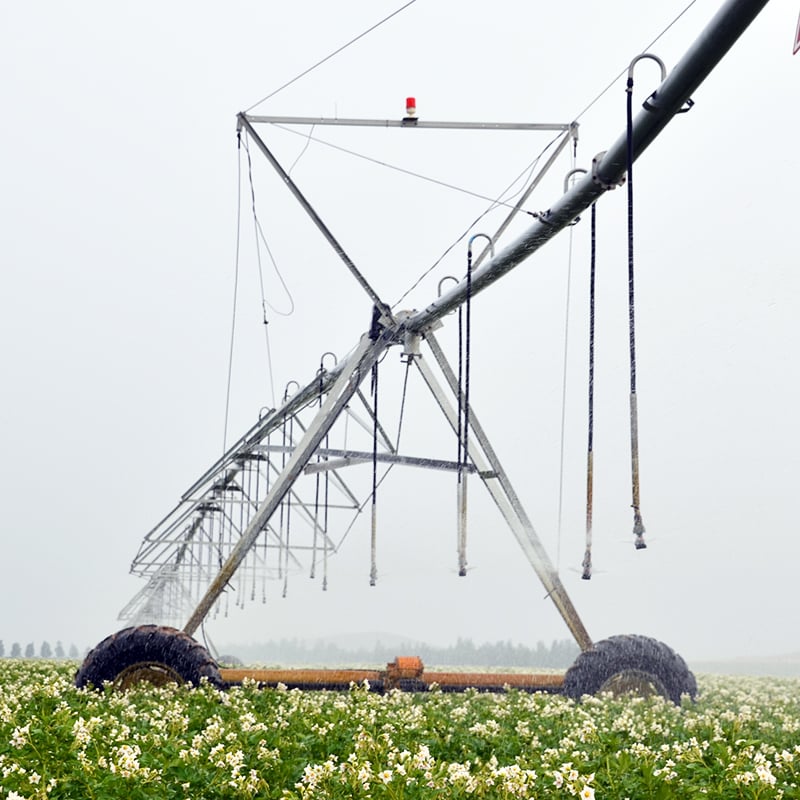
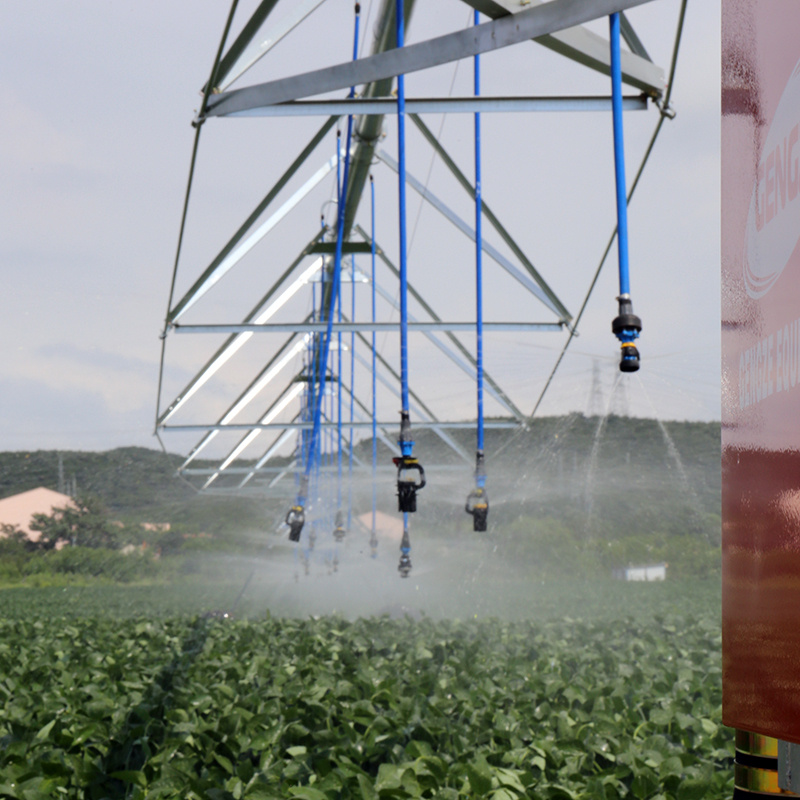
Pivot irrigation systems are essential for efficient water management in agriculture, optimizing the distribution of water across large fields. With the rising costs of water and the need for sustainable farming practices, understanding pivot irrigation system design is crucial for purchasing managers and agricultural engineers. This article will explore how to compare specifications effectively, identify trusted suppliers, discuss common problems and solutions, and examine the applications of pivot irrigation systems in modern farming. This information will help you make informed decisions in your procurement process.
When evaluating pivot irrigation systems, it is important to compare specifications that directly impact performance, efficiency, and suitability for your specific agricultural needs. Key specifications include:
Span Length and Configuration: The length of the pivot arm can affect the area covered and must be matched to your field size. Longer spans cover more area but may require more power to operate.
Water Application Rate: This specification determines how much water is delivered per unit area. It should align with your crop's water needs and local climate conditions. Too high a rate can lead to runoff and erosion, while too low can stress crops.
Drive System: Look for electric or hydraulic drive systems. Electric drives are often more efficient and easier to maintain, while hydraulic systems may offer better control in uneven terrain.
Material Quality: The materials used in the construction of the system, such as galvanized steel or high-grade aluminum, affect durability and resistance to corrosion. This is especially important in areas with high salinity or corrosive elements in the soil.
Before making a decision, request detailed specifications from suppliers and verify that they align with your operational requirements. Comparing these factors will ensure that you select a pivot irrigation system that meets both your performance expectations and budget constraints.
Finding reliable suppliers for pivot irrigation systems is critical in ensuring quality and performance. Here are some strategies to identify trustworthy manufacturers:
Industry Associations and Trade Shows: Participate in agricultural trade shows and join industry associations. These platforms often showcase reputable suppliers and provide networking opportunities.
Online Marketplaces and Directories: Websites such as Alibaba or ThomasNet can help you find manufacturers. Look for suppliers with positive reviews, verified certifications, and a track record in producing agricultural equipment.
Referrals and Recommendations: Seek referrals from industry peers or agricultural consultants who have experience with pivot irrigation systems. They can provide insights into the reliability and performance of different suppliers.
Company Background: Assess the supplier's history, such as Dalian Gengze Agricultural Equipment Manufacturing Co., Ltd, which has over 20 years of experience in agricultural equipment manufacturing. Their history as an OEM for a leading U.S. brand adds credibility.
Once you identify potential suppliers, conduct due diligence by reviewing their product offerings, customer service, and warranty policies.
Despite their efficiency, pivot irrigation system can encounter various problems. Here are some common issues and their solutions:
Uneven Water Distribution: This can occur due to blockages in the system or incorrect calibration of application rates. Regular maintenance checks and ensuring that no debris obstructs the sprinkler heads can mitigate this problem.
Mechanical Failures: Components such as gearboxes and drive motors may fail over time. Implementing a routine maintenance schedule and using quality components can reduce the likelihood of breakdowns.
Pressure Fluctuations: Variations in water pressure can lead to inconsistent watering. Installing pressure regulators or flow meters can help maintain optimal pressure levels.
Soil Erosion: Excessive water application can lead to soil erosion. Monitoring soil moisture levels and adjusting the irrigation schedule can prevent this issue.
Addressing these problems promptly not only improves system performance but also extends the lifespan of the irrigation equipment.
Pivot irrigation systems are versatile and widely used across various agricultural applications. Here are some key uses:
Row Crop Farming: These systems are ideal for row crops like corn and soybeans, ensuring even water distribution, which is vital for optimal growth and yield.
High-Value Crops: For crops such as fruits and vegetables that require precise irrigation, pivot systems can be customized with drip irrigation components to deliver water directly to the root zone.
Pasture Irrigation: Pivot systems can also be adapted to irrigate pastures, ensuring consistent grass growth for livestock.
Crop Rotation: The flexibility of pivot systems allows farmers to rotate crops efficiently, adapting the water application to meet the specific needs of different plants throughout the growing season.
Understanding these applications can help buyers select the right system for their specific agricultural practices, ensuring effective water management and improved crop yields.
In summary, pivot irrigation system design is a critical aspect of modern agricultural practices. By comparing specifications effectively, identifying trusted suppliers, addressing common problems, and understanding the diverse applications of these water pivot irrigation system, purchasing managers and agricultural engineers can make informed decisions that enhance productivity and sustainability. Dalian Gengze Agricultural Equipment Manufacturing Co., Ltd, with its extensive experience and commitment to quality, offers a range of pivot irrigation solutions tailored to meet the specific needs of global farmers. When preparing to engage with suppliers, ensure you have clear specifications, operational requirements, and performance expectations to facilitate a productive discussion and procurement process.

Dalian Gengze Agricultural Equipment Manufacturing Co.,Ltd
Copyright © Dalian Gengze Agricultural Equipment Manufacturing Co.,Ltd All Rights Reserved | Blog | Privacy Policy
 EN