Requesting a Call:
Online Support
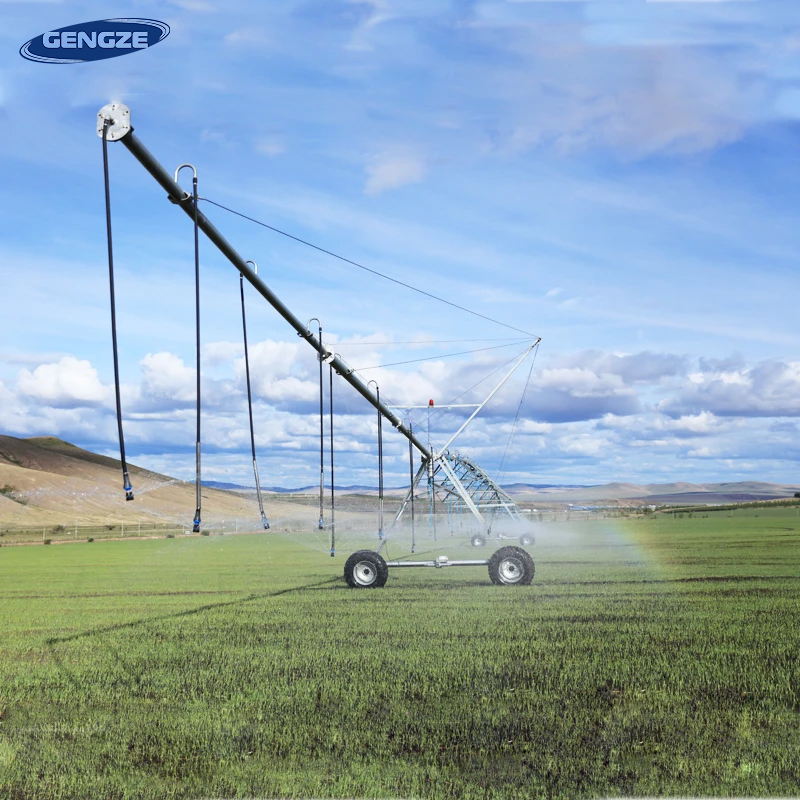
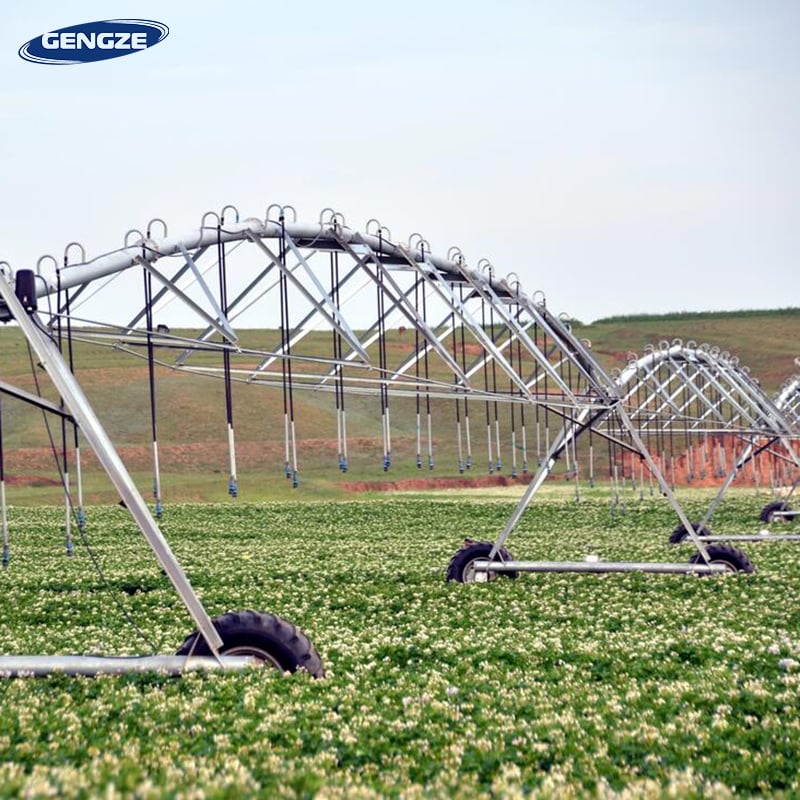
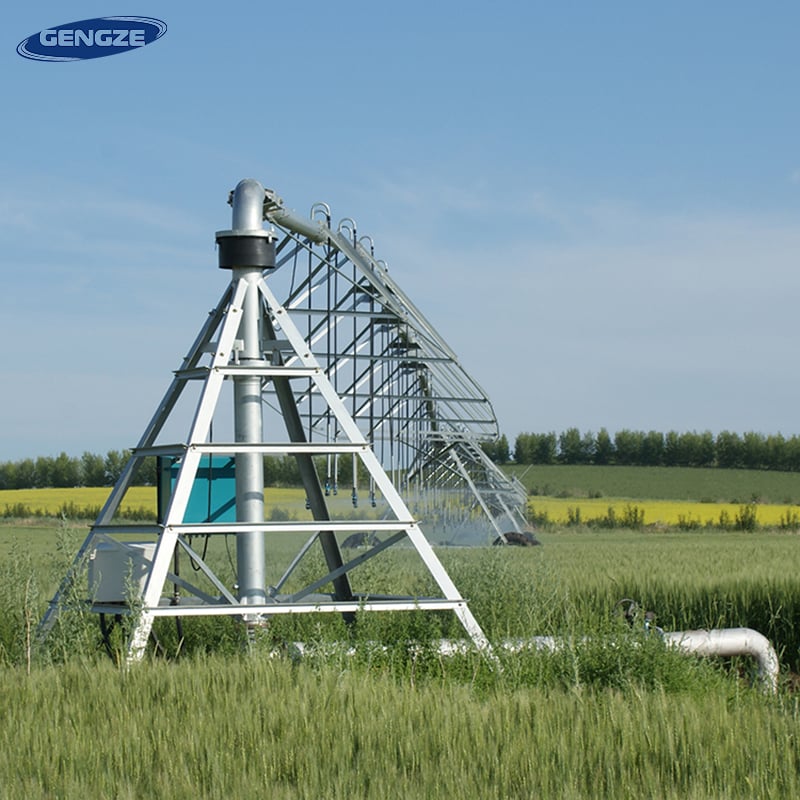
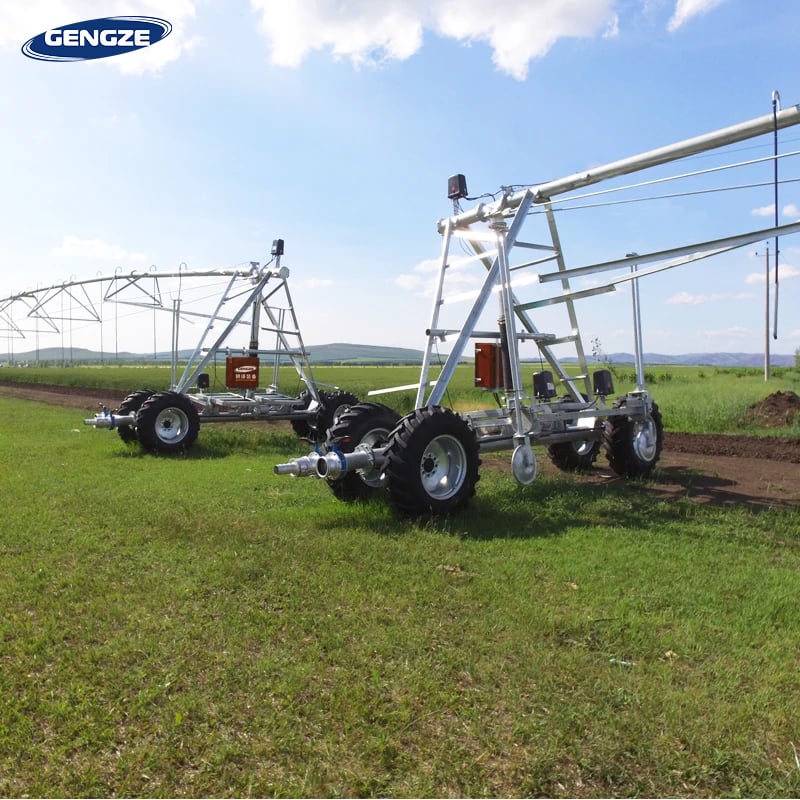
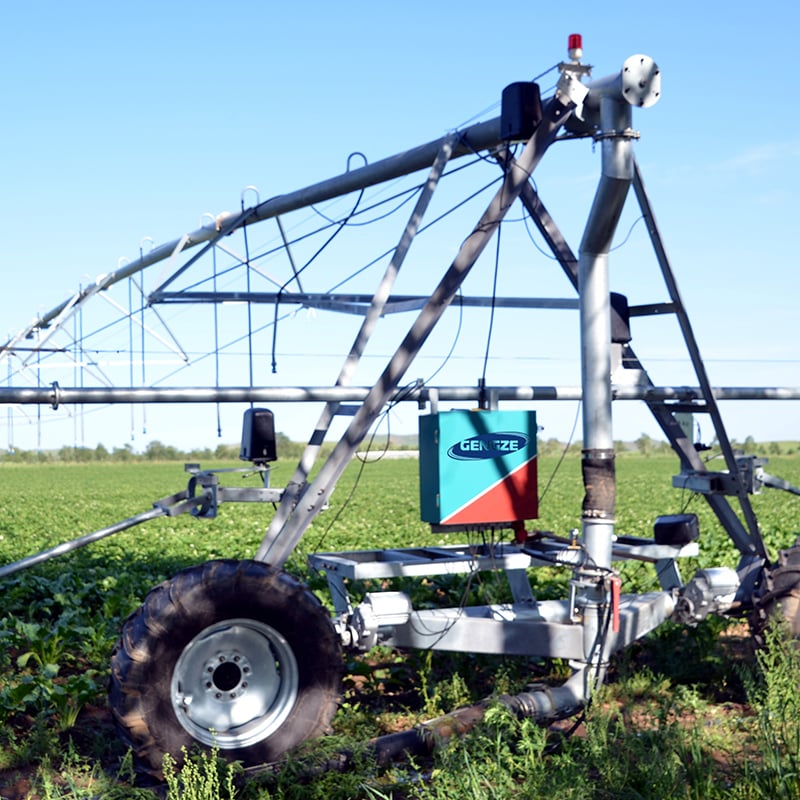
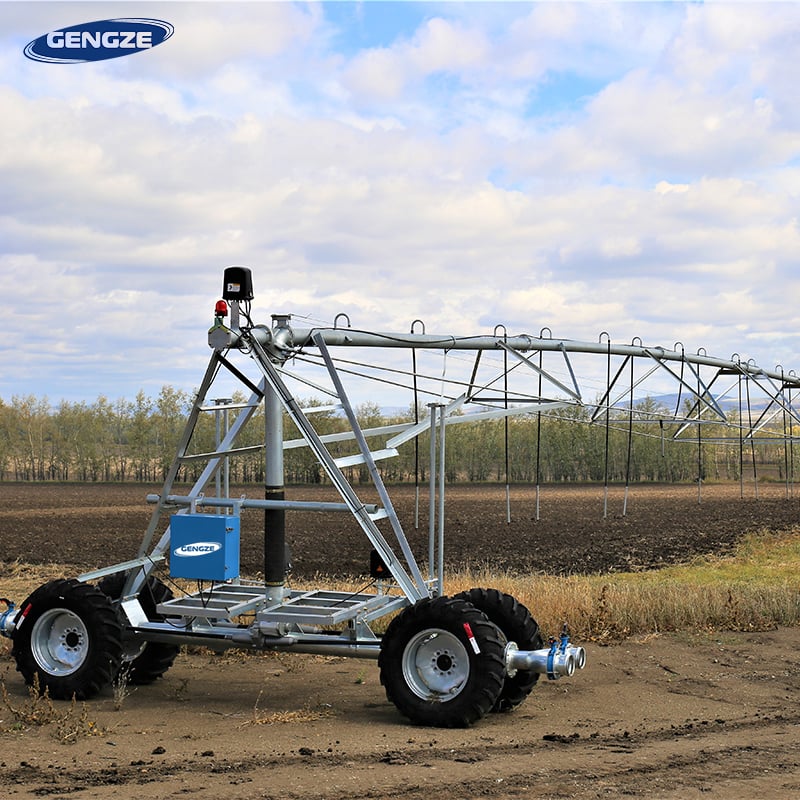
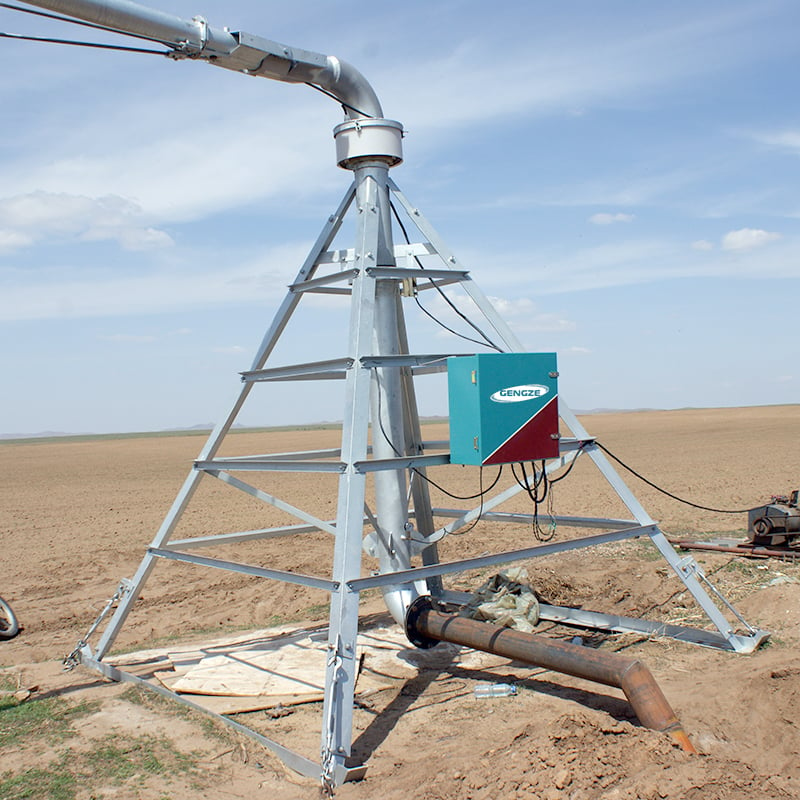
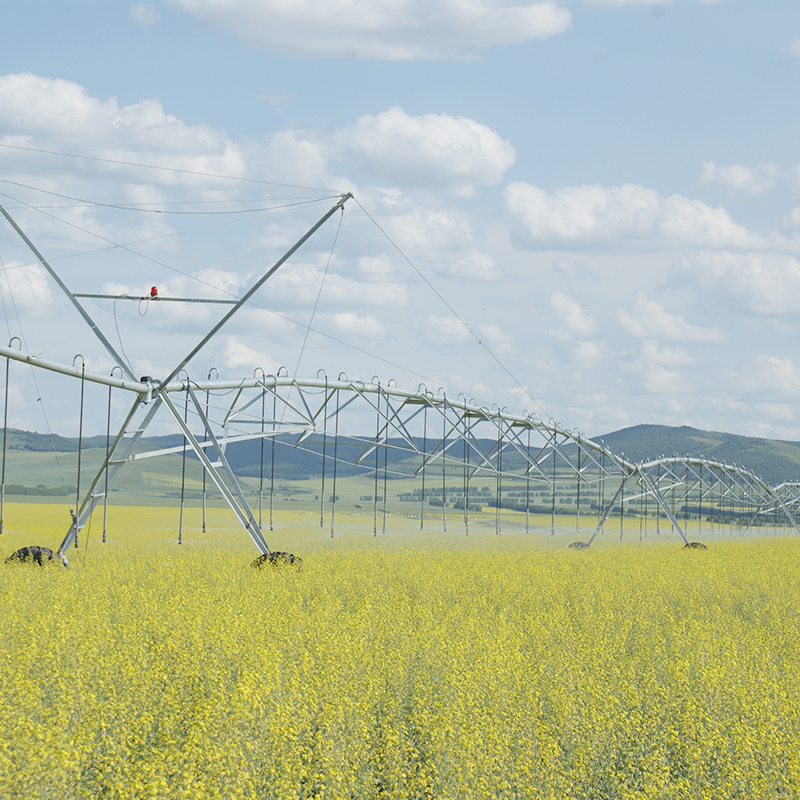
Water pivots are vital irrigation systems designed to maximize water efficiency and crop yield in agricultural practices. As a purchasing manager or agricultural engineer, you may be concerned about selecting the right water pivot supplier, ensuring operational efficiency, and understanding the nuances of these systems. This article will guide you through key considerations for sourcing solar center pivot, maximizing their efficiency, identifying challenges and solutions, making informed decisions, and exploring both the advantages and disadvantages of these systems.
When sourcing water pivots, establishing a relationship with a dependable supplier is crucial. Look for manufacturers with a proven track record in agricultural equipment, such as Dalian Gengze Agricultural Equipment Manufacturing Co., Ltd, which has over 20 years of experience. Evaluate suppliers based on their manufacturing capabilities, certifications, and quality control processes. Reliable suppliers should offer transparent communication, access to product specifications, and a clear understanding of your irrigation needs.
Request detailed information about their production capacity, material quality, and lead times. It’s beneficial to ask for references or case studies demonstrating their experience with similar projects. This research will help you assess their ability to meet your specific requirements, including customization options and after-sales support.
To maximize the efficiency of your water pivot, understanding its operational parameters is essential. Factors such as water pressure, pivot speed, and coverage area significantly influence performance. When evaluating a water pivot system, consider the following:
Design Specifications: Ensure the system design aligns with the layout of your fields. Review the pivot length, turning radius, and the type of nozzles used, as these directly affect distribution uniformity.
Water Management: Efficient water management involves monitoring soil moisture levels and adjusting the solar powered centre pivot settings accordingly. Implementing smart irrigation technologies can enhance this process by providing real-time data and automated control.
Maintenance Practices: Regular maintenance checks are vital to prevent downtime and operational inefficiencies. Establish a routine for inspecting the pivot for leaks, checking the integrity of the hoses and nozzles, and ensuring the system is free from debris.
By focusing on these areas, you can enhance the productivity of your irrigation system and achieve better crop yields.
In the process of implementing Gengze water pivots, various challenges may arise. Common issues include uneven water distribution, mechanical failures, and compatibility with existing irrigation systems. Identifying these problems early can save time and resources.
For instance, uneven water distribution often stems from incorrect nozzle selection or miscalibrated pressure settings. To address this, perform a thorough analysis of your water source and distribution system before installation. It may be beneficial to conduct a pilot test on a smaller section of your field.
Additionally, consider the compatibility of your water pivot with existing infrastructure. If your agricultural setup involves multiple irrigation systems, analyze how a new pivot will integrate with them. This may require customization or specific adjustments to ensure seamless operation.
When selecting a water pivot, ensuring that you have all the necessary information at hand is critical for making informed decisions. Key factors to consider include:
Product Specifications: Request detailed specifications regarding the pivot's dimensions, materials used in construction, and operational capabilities. Understanding these elements will help you evaluate different models against your requirements.
Cost Factors: Analyze not only the initial purchase price but also the total cost of ownership, which includes installation, maintenance, and operational costs. A lower upfront price may not always result in long-term savings if maintenance costs are high.
Customization Options: If your agricultural practices require specific features, inquire about the manufacturer's customization capabilities. A centre pivot irrigation that can be tailored to your unique crop and field conditions may offer better performance.
Gathering this information will not only assist in finalizing your purchase but also enhance the effectiveness of the water pivot in your agricultural operations.
Understanding the advantages and disadvantages of water pivots will help you make a balanced decision.
Efficiency: Water pivots provide uniform water distribution, minimizing waste and promoting optimal crop growth.
Automation: Many Gengze modern pivots come equipped with advanced control systems that allow for automated operation, reducing labor costs and increasing efficiency.
Versatility: They can be used for a variety of crops and field shapes, accommodating diverse agricultural needs.
Initial Investment: The upfront cost for purchasing and installing a water pivot can be significant, which may pose a barrier for smaller operations.
Maintenance Requirements: Regular maintenance is necessary to ensure longevity and optimal performance, which can incur additional costs and time.
Dependency on Water Source: The effectiveness of a water pivot is heavily reliant on a reliable water source, which may not be available in all regions.
By weighing these factors, you can make a more informed decision about whether a water pivot is the right irrigation solution for your agricultural needs.

Dalian Gengze Agricultural Equipment Manufacturing Co.,Ltd
Copyright © Dalian Gengze Agricultural Equipment Manufacturing Co.,Ltd All Rights Reserved | Blog | Privacy Policy
 EN