Requesting a Call:
Online Support
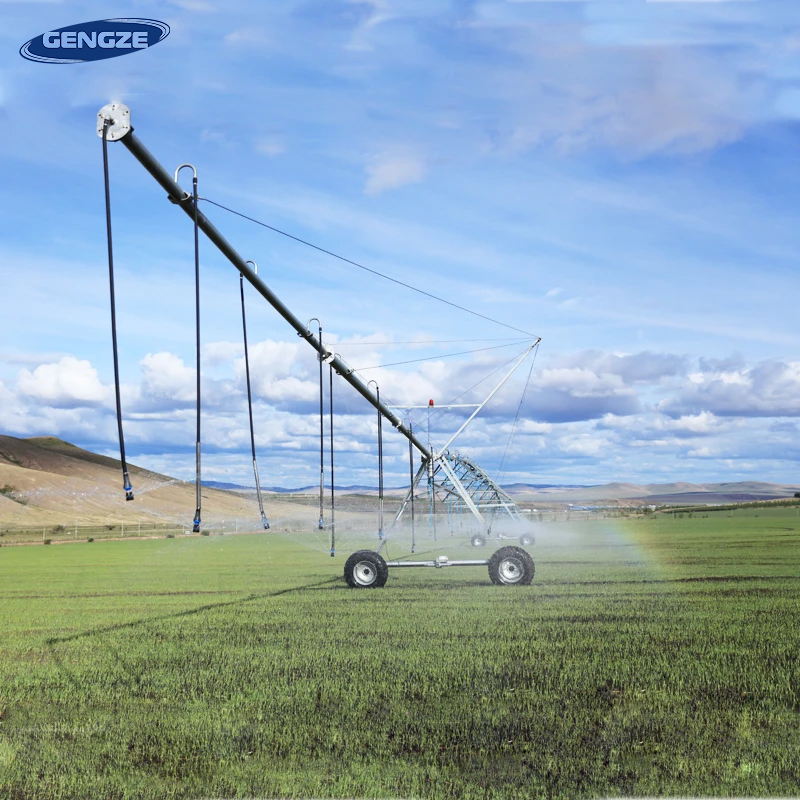
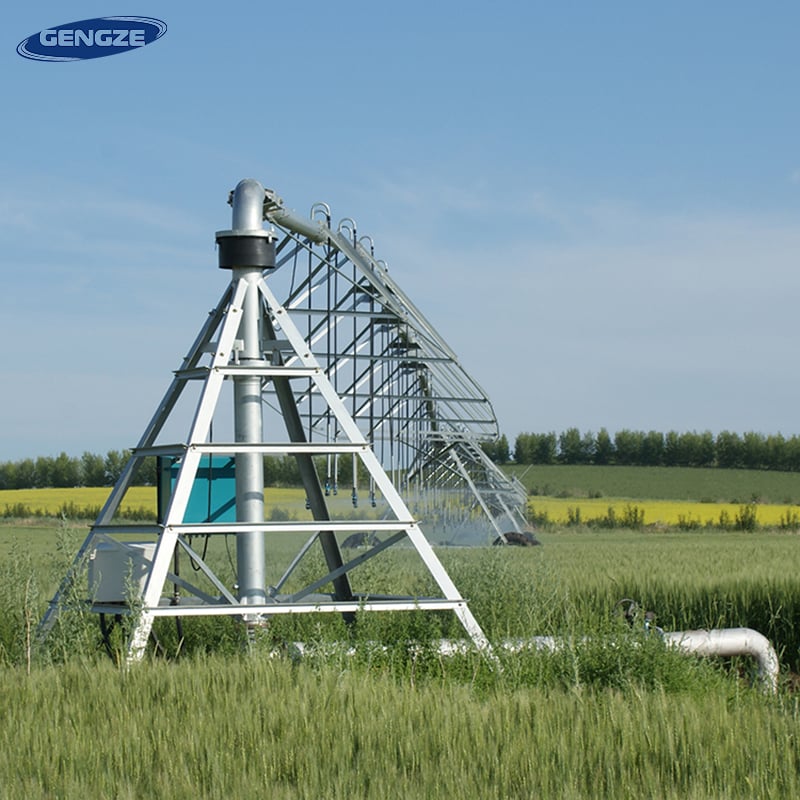
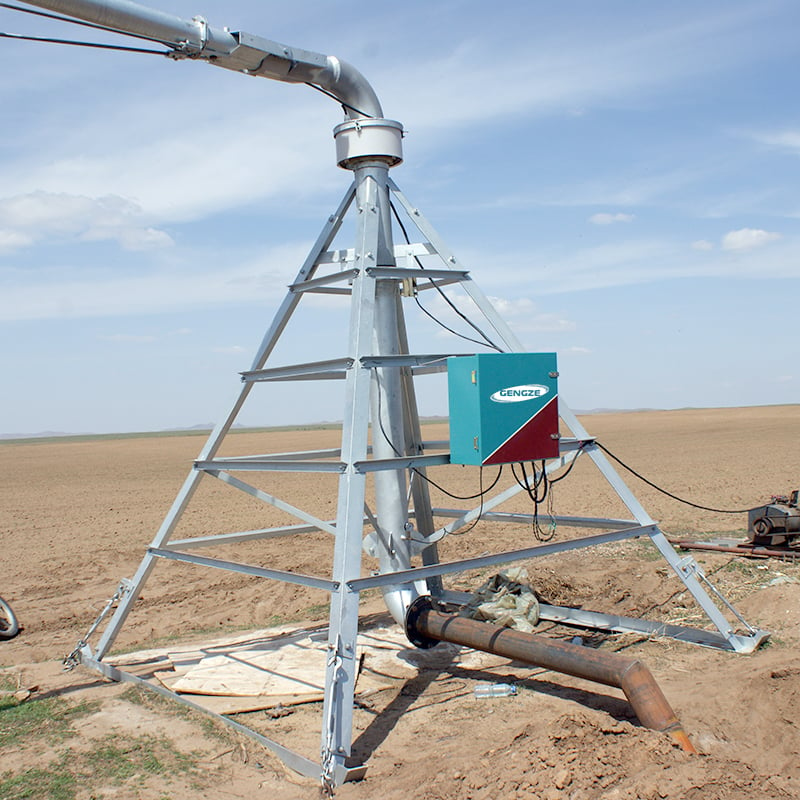
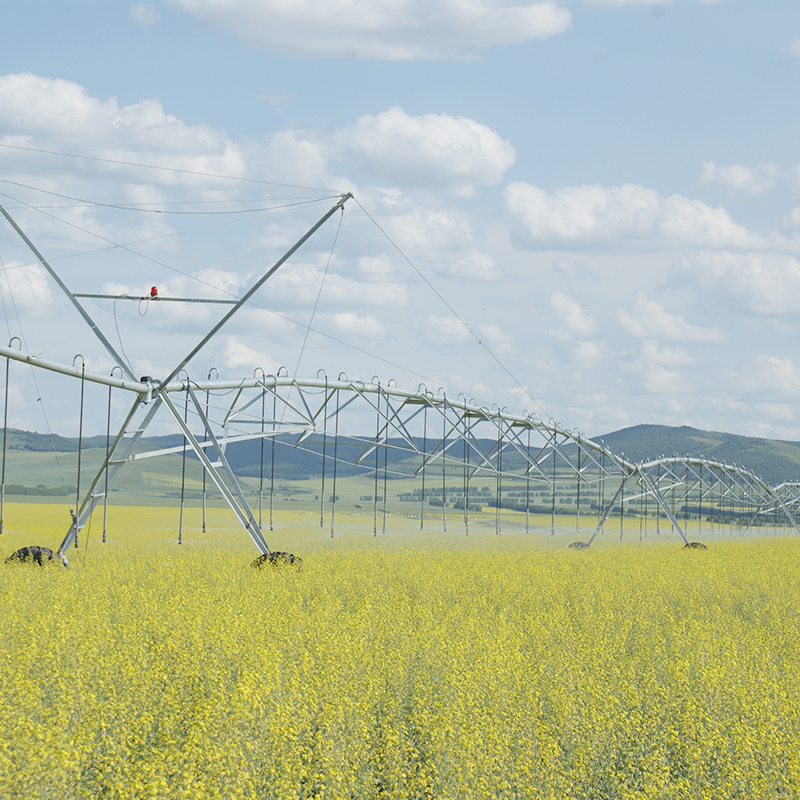
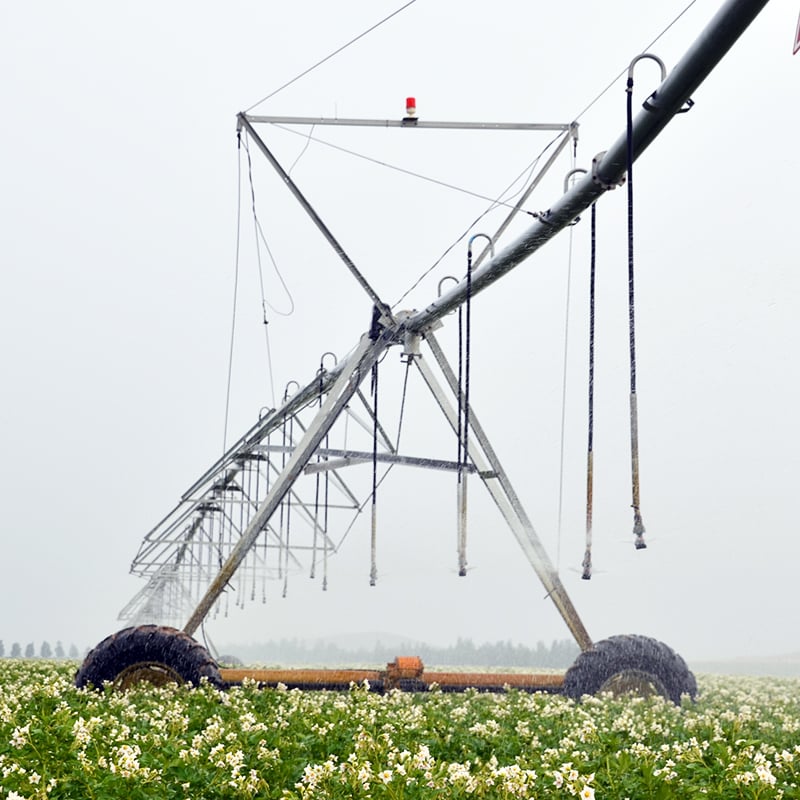
Center pivot sprinklers are a vital component of modern agricultural irrigation systems, designed to efficiently deliver water to large fields. A well-thought-out center pivot sprinkler design can significantly enhance crop yield while optimizing water usage. B2B buyers in agricultural sectors often seek reliable, high-performance systems that can withstand various environmental conditions. This article will explore key specifications, sourcing options, installation challenges, quality evaluations, and common solutions related to Gengze center pivot sprinkler system, assisting decision-makers in making informed purchasing choices.
When evaluating center pivot sprinklers, several specifications must be considered to ensure optimal performance.
Span Length: The span length, typically ranging from 100 to 200 feet, directly affects the area that can be irrigated. Buyers should assess their field size to choose an appropriate span length that maximizes coverage without compromising water distribution.
Material Composition: Most center pivot systems are constructed from galvanized steel or aluminum. Galvanized steel offers durability and resistance to corrosion, while aluminum is lighter and easier to handle. The choice of material influences not only the longevity of the system but also its installation and maintenance.
Drive Mechanism: Electric or hydraulic drive systems are common. Electric drives are easier to maintain and operate quietly, while hydraulic systems can handle heavier loads. Buyers should consider the operational environment and the availability of power sources when selecting a drive type.
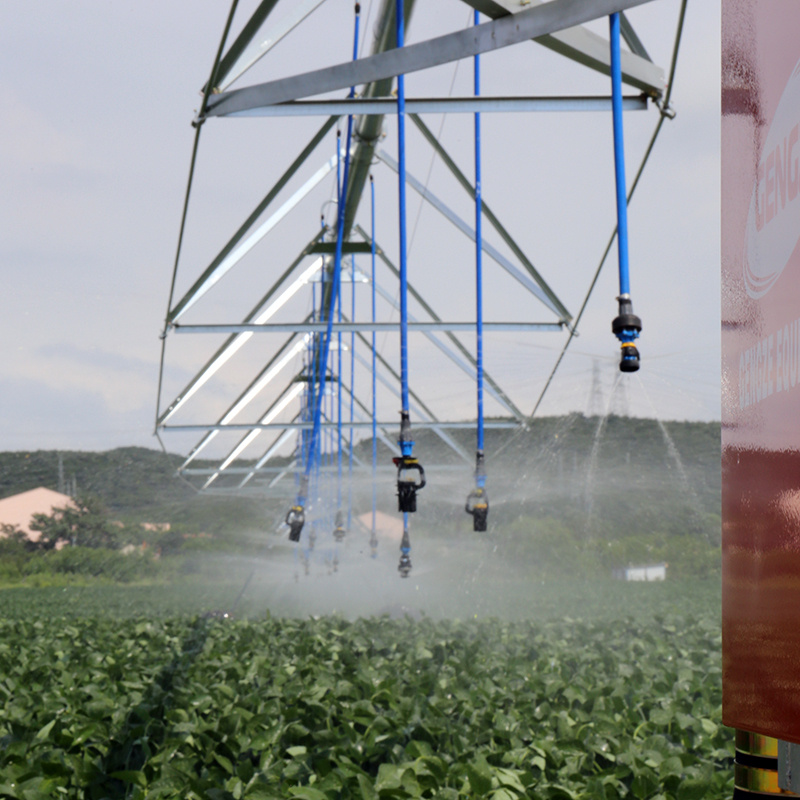
Nozzle Configuration: The nozzle type and spacing are crucial for achieving even water distribution. Different crops may require specific nozzle configurations to optimize water application rates. Buyers should evaluate their crop types and corresponding water needs when selecting nozzles.
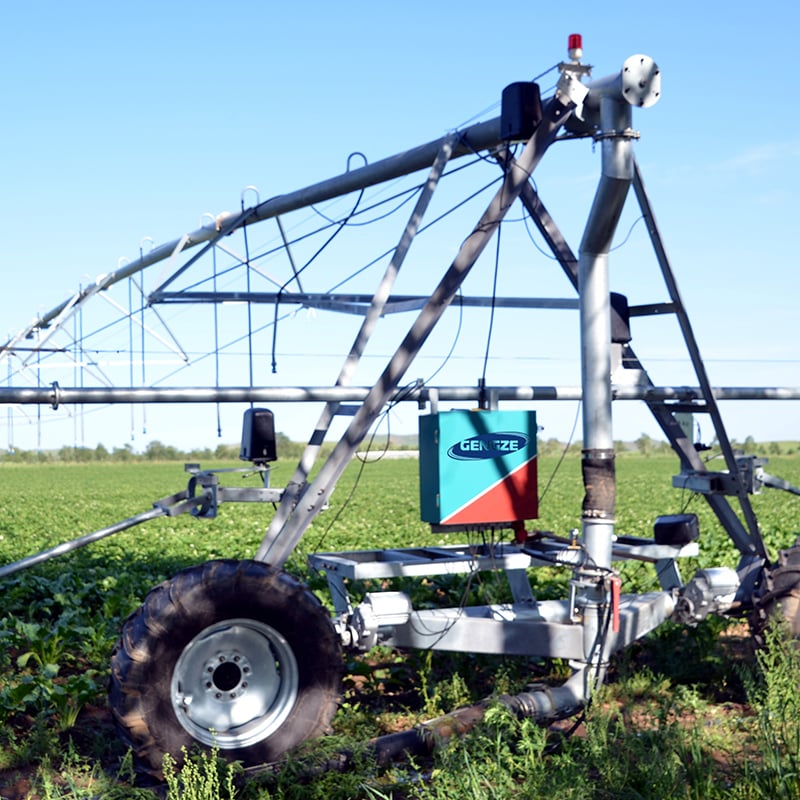
Control Systems: Advanced control systems allow for remote monitoring and adjustments, improving efficiency. Buyers should look for systems that integrate with existing farm management software for seamless operation.
Understanding these specifications empowers buyers to select a center pivot sprinkler that aligns with their agricultural needs, ensuring efficient irrigation.
Finding a trustworthy supplier for center pivot sprinklers is essential for ensuring product quality and support. Here are a few strategies to locate reliable sources:
Industry Trade Shows: Attending agricultural trade shows provides an opportunity to meet manufacturers and suppliers face-to-face. This interaction allows buyers to see products firsthand and ask specific questions about capabilities.
Online Research: Utilizing online directories and platforms like Alibaba, ThomasNet, and industry-specific forums can help identify manufacturers with good reputations. Look for suppliers with positive customer reviews and a strong track record in agricultural equipment.
OEM Partnerships: Consider working with manufacturers that have established OEM partnerships, like Dalian Gengze Agricultural Equipment Manufacturing Co., Ltd., which has 20 years of experience in the industry. OEM relationships often indicate a commitment to quality and innovation.
Local Distributors: Engaging with local distributors can provide insights into product performance in specific environments and offer after-sales support and maintenance services.
By employing these sourcing strategies, buyers can connect with suppliers who meet their quality and service expectations, ensuring reliable irrigation solutions.
While center pivot systems are designed for efficiency, their installation can present several challenges. Here are some common issues and how to address them:
Site Preparation: Proper site preparation is crucial. Uneven terrain can lead to water pooling or insufficient coverage. Conducting a thorough site survey before installation helps identify and rectify elevation issues.
Alignment: Ensuring proper alignment of the pivot path is essential for uniform water application. Misalignment can lead to uneven irrigation and wasted resources. Utilizing laser leveling or GPS technology can aid in achieving accurate alignment during installation.
Power Supply: Electric center pivot systems require a reliable power source. Inadequate power supply can lead to operational failures. Confirming the availability of power sources and ensuring appropriate electrical connections are in place before installation can mitigate this risk.
Water Source Compatibility: The system must be compatible with the existing water source, whether it’s a well, pond, or municipal supply. Evaluating pressure and flow rates is critical to ensure the system operates effectively.
By addressing these potential installation challenges proactively, buyers can ensure a smoother setup process and optimize the performance of their center pivot sprinkler systems.
Quality evaluation of components is vital to ensure the longevity and effectiveness of center pivot sprinklers. Here are key factors to consider:
Corrosion Resistance: Components made from high-quality galvanized steel or aluminum should be inspected for protective coatings that prevent corrosion. A lack of proper treatment can lead to premature failure in harsh environments.
Weld Quality: Inspect welds for consistency and strength, as poor welding can lead to structural failures. A reliable manufacturer will have stringent quality control processes in place for weld inspections.
Nozzle Quality: Nozzles should be tested for accuracy in water delivery. Variability in nozzle performance can lead to uneven irrigation. Buyers should request performance data or testing results from suppliers.
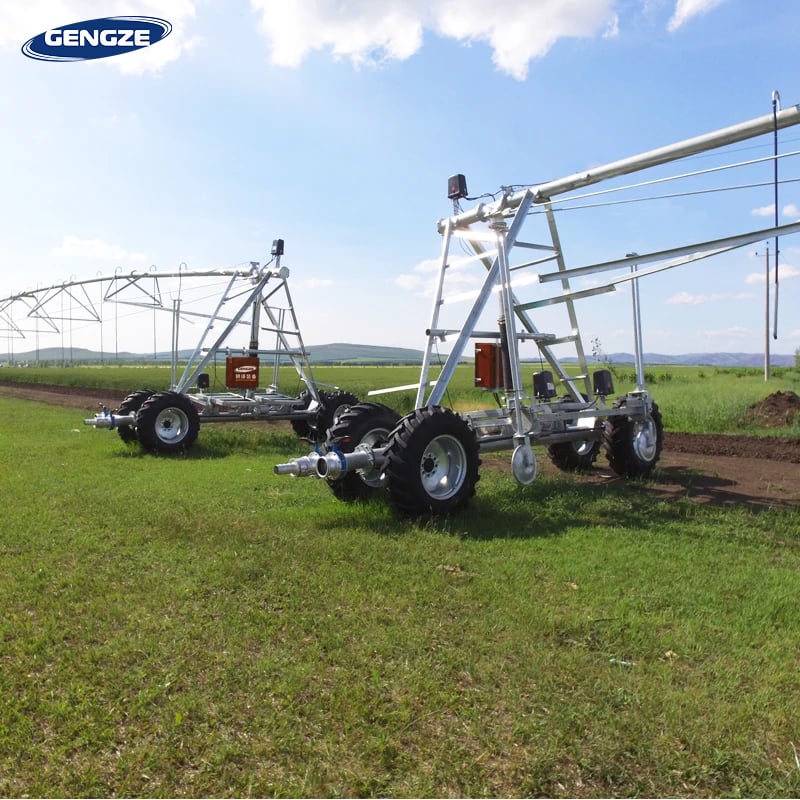
Moving Parts: The durability of moving components such as wheels and drive systems is crucial. These parts should be constructed from high-strength materials to withstand operational stresses. Checking for manufacturer certifications related to component durability can provide additional assurance.
By focusing on these quality factors, buyers can make informed decisions and choose components that will enhance the reliability of their center pivot sprinkler systems.
Gengze Center pivot sprinkler systems, while efficient, can encounter various operational issues. Here are common problems and their solutions:
Uneven Water Distribution: This can be caused by clogged nozzles or incorrect pressure settings. Regular maintenance, including cleaning and inspecting nozzles, can help maintain even distribution. Implementing a schedule for checking and maintaining the system will prevent potential crop damage.
Mechanical Failures: Wear and tear on components can lead to mechanical failures. Establishing a routine maintenance schedule and using high-quality components can reduce the risk of breakdowns. Keeping spare parts on hand can also minimize downtime during critical irrigation periods.
Soil Compaction: Compaction can affect root growth and water infiltration. Rotating irrigation paths or using lighter-weight systems can help mitigate this issue. Additionally, incorporating practices such as cover cropping can improve soil health.
Control System Malfunctions: Control systems can experience issues due to software glitches or hardware failures. Regularly updating software and conducting system diagnostics can help identify problems early. Working with suppliers who offer robust customer support can be invaluable during troubleshooting.
By understanding these common problems and their solutions, buyers can implement proactive measures to ensure the longevity and effectiveness of their center pivot sprinklers, resulting in improved agricultural outcomes.

Dalian Gengze Agricultural Equipment Manufacturing Co.,Ltd
Copyright © Dalian Gengze Agricultural Equipment Manufacturing Co.,Ltd All Rights Reserved | Blog | Privacy Policy
 EN