Requesting a Call:
Online Support
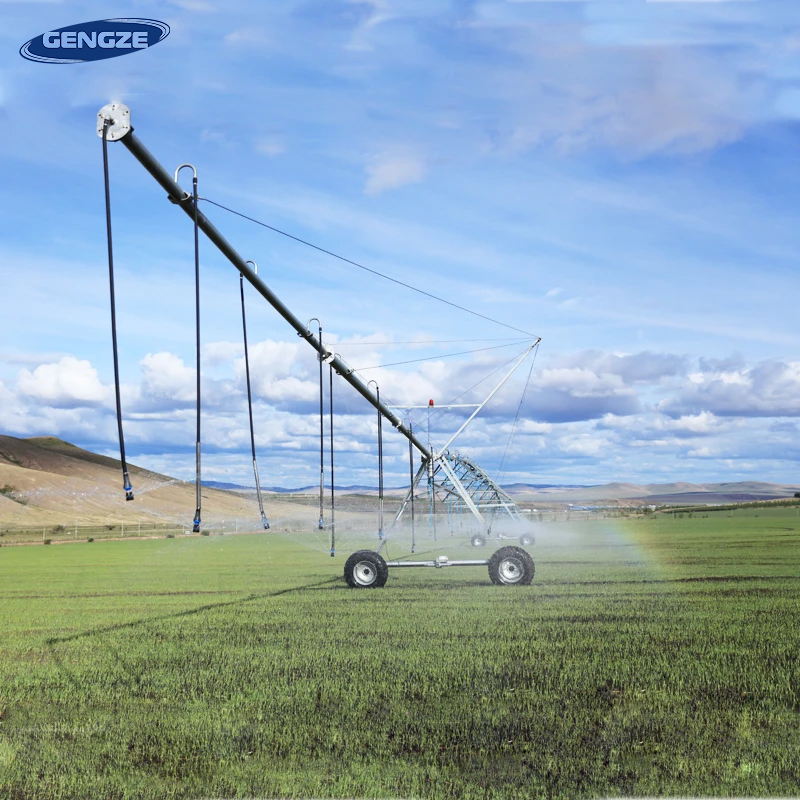
Investing in a center pivot sprinkler system can be a significant financial decision for agricultural operations. Understanding the center pivot sprinkler system cost is crucial for effective budgeting and maximizing irrigation efficiency. This article will guide you through key considerations when evaluating costs, help you choose the right system for your needs, highlight essential specifications, discuss quality factors, and provide installation guidance.
When assessing the cost of a center pivot sprinkler system, several factors come into play that can influence the overall price. First, the size of the area you intend to irrigate is a primary consideration. Larger fields will require longer systems, which directly increases costs. Additionally, the terrain and soil conditions may necessitate specific design features that could add to the expense.
Another essential factor is the type of equipment and technology included in the system. Advanced features such as variable rate irrigation (VRI) or integrated control systems can improve efficiency and crop yield but may also raise the initial investment. Maintenance costs should also be factored in; systems built with durable materials may have higher upfront costs but could save money over time through reduced repairs.
Lastly, consider the long-term benefits of investing in a high-quality center pivot system. While initial costs may be higher, a reliable system can lead to increased crop yields and reduced water usage, ultimately providing better returns on investment.
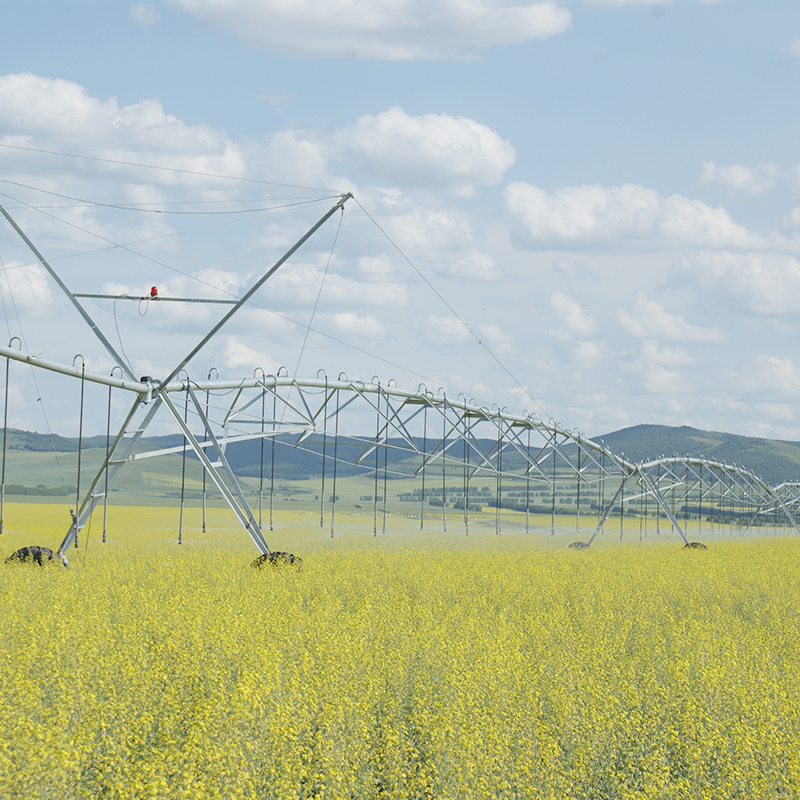
Selecting the appropriate center pivot sprinkler system depends on several factors tailored to your specific agricultural requirements. Start by assessing the size and shape of your field. Systems are available in various lengths and configurations, including full circles, part circles, or custom designs that fit irregularly shaped fields.
Next, evaluate the water source and pressure availability on your farm. The system you choose needs to be compatible with your existing water supply. You should also consider the type of crops being irrigated, as different crops have varying water needs.
It’s advisable to consult with a manufacturer like Dalian Gengze Agricultural Equipment Manufacturing Co., Ltd, which offers expertise in optimizing irrigation systems for specific agricultural applications. They can help you evaluate the right specifications and technologies to enhance your irrigation efficacy.
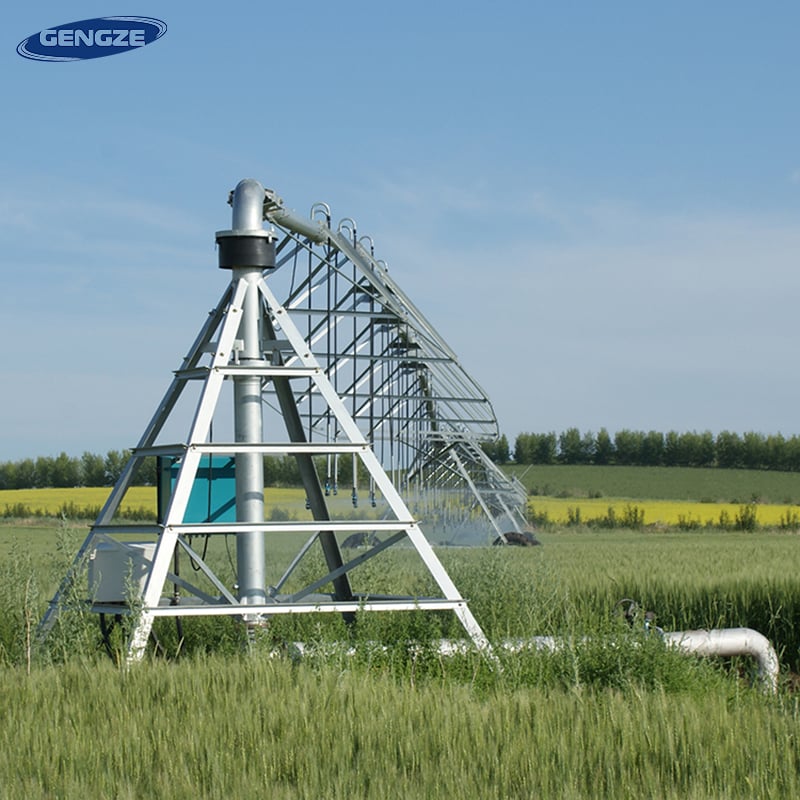
When scrutinizing center pivot sprinkler systems, several key specifications should be evaluated to ensure you are making the right investment:
Span Length: This is the distance between the center pivot sprinkler point and the end of the lateral arm. It affects the area that can be covered and should match the dimensions of your field.
Tower Height: The height of the towers impacts the system's ability to clear obstacles and distribute water evenly. Taller towers may be necessary for uneven terrain.
Pipe Diameter: Larger pipes can convey more water but may add weight and complexity. The diameter should align with water flow requirements.
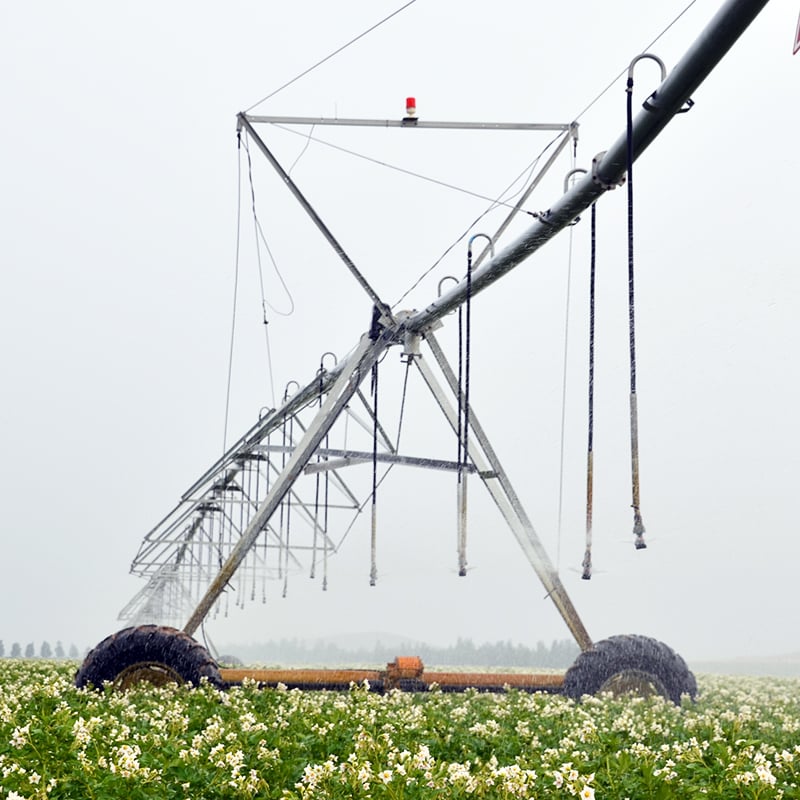
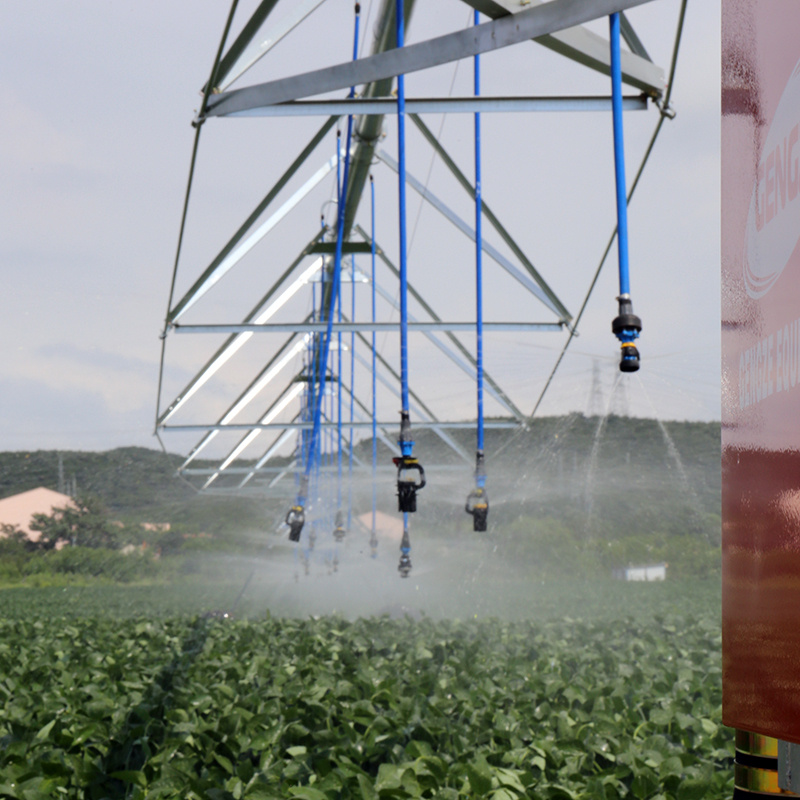
Nozzle Type and Size: Different nozzles can deliver varying rates of water. Selecting the correct nozzle is crucial for meeting the specific irrigation needs of your crops.
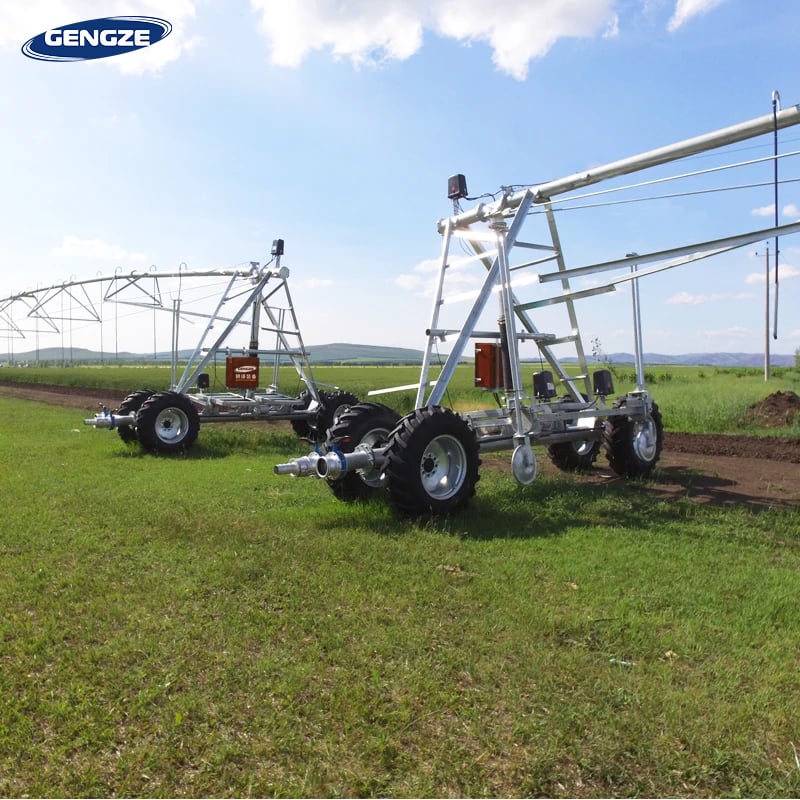
Drive System: The drive mechanism can vary, typically from electric to hydraulic systems. Each has advantages regarding maintenance, efficiency, and cost.
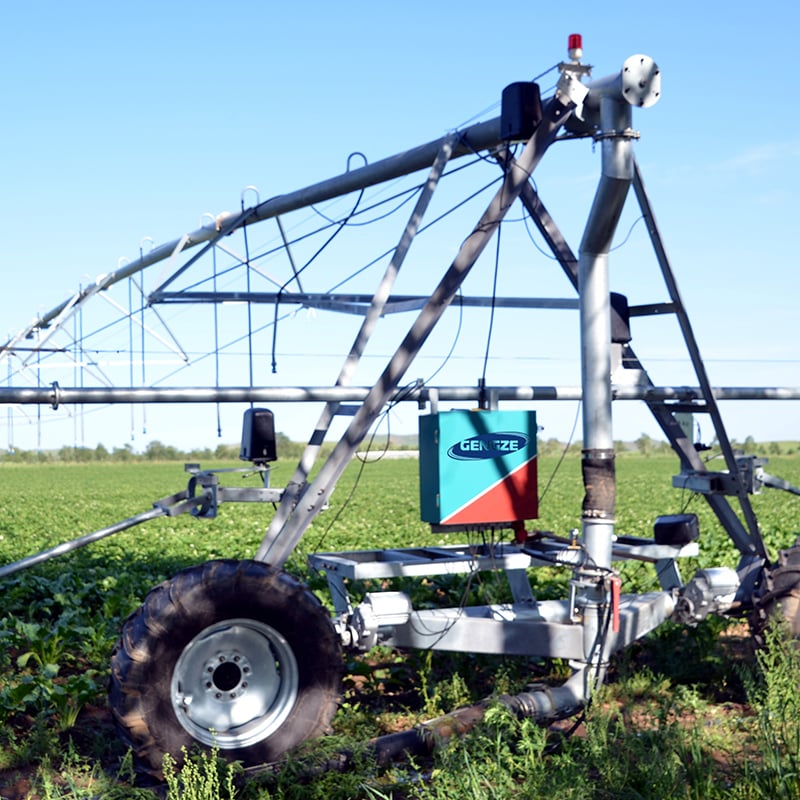
Control Systems: Advanced control systems allow for remote operation and monitoring, enhancing efficiency and ease of use.
Understanding these specifications will help ensure that the selected system meets your agricultural needs and operational efficiency.
Quality is a significant determinant of center pivot sprinkler system costs. High-quality materials, such as galvanized steel or high-density polyethylene, offer increased durability and resistance to corrosion, which can be crucial for systems exposed to harsh conditions.
Manufacturing processes also impact quality. Systems that undergo rigorous quality control during production are less likely to experience failures in the field. Dalian Gengze’s experience in agricultural equipment manufacturing ensures that their systems are built to last, reflecting their commitment to quality.
Additionally, consider the warranty and after-sales support offered by the manufacturer. A robust warranty can indicate confidence in the product's durability, while strong customer support can assist in minimizing downtime and maintenance costs.
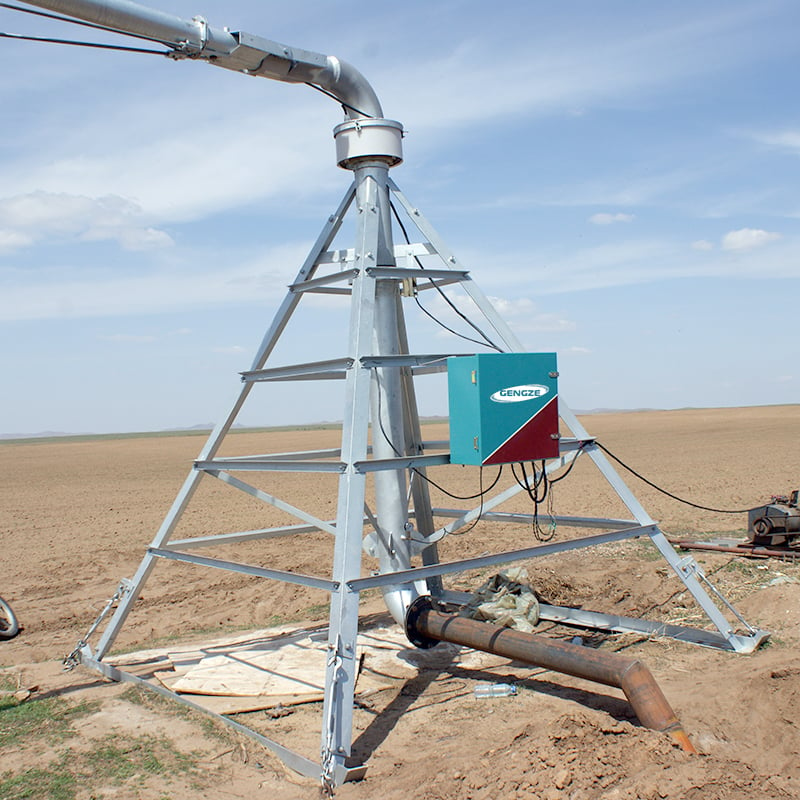
Installation of center pivot sprinkler systems typically involves site preparation, trenching for the pipeline, and assembly of the pivot structure. Costs can vary widely based on field conditions, accessibility, and labor rates.
Before installation, it is advisable to conduct a thorough site assessment. This includes checking soil conditions, existing irrigation infrastructure, and any potential obstacles, such as trees or buildings. Proper planning can reduce installation complexities and associated costs.
Moreover, choosing a reputable manufacturer with a solid installation support team can streamline the process. Dalian Gengze Agricultural Equipment Manufacturing Co., Ltd. can provide guidance throughout the installation phase, ensuring that the system is set up for optimal performance.
To summarize, evaluating center pivot sprinkler irrigation system costs involves careful consideration of various factors including field size, system specifications, and quality. By understanding these elements, you can make informed decisions that enhance your agricultural operations.

Dalian Gengze Agricultural Equipment Manufacturing Co.,Ltd
Copyright © Dalian Gengze Agricultural Equipment Manufacturing Co.,Ltd All Rights Reserved | Blog | Privacy Policy
 EN