Requesting a Call:
Online Support
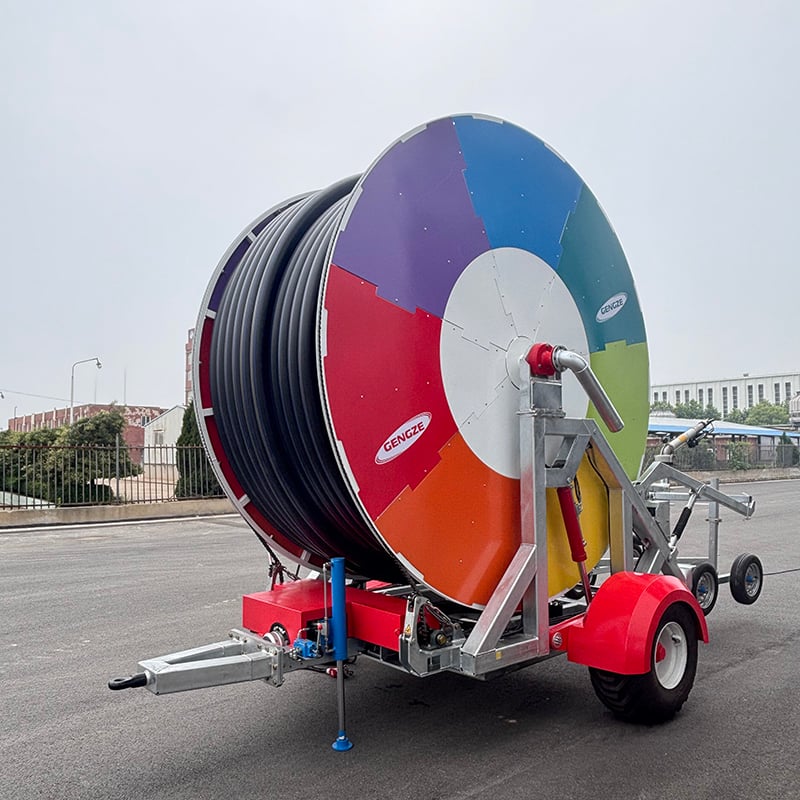
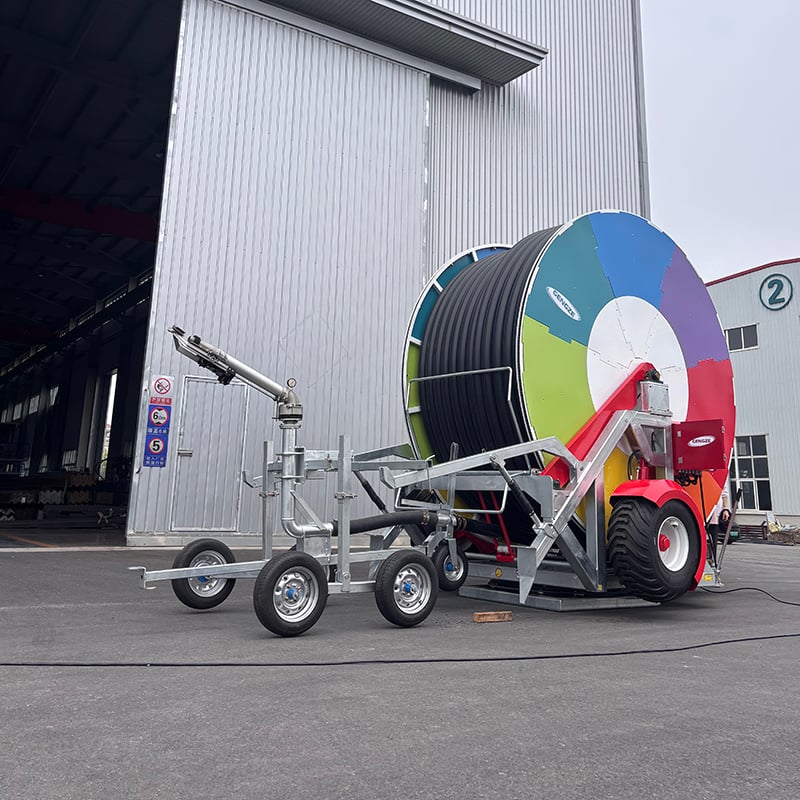
The irrigation circle system for farm applications is a vital solution for optimizing water usage and enhancing crop yield. Designed for efficient water distribution, these systems ensure that every plant receives adequate moisture, which is crucial for growth and productivity. B2B buyers, such as purchasing managers and agricultural engineers, often seek reliable performance, cost-effectiveness, and durability in these systems. This article will provide insights into the specifications, selection process, installation, and applications of irrigation circle systems, helping you make informed purchasing decisions.
When evaluating an irrigation circle system for your farm, several specifications are critical to its effective operation. Key factors to consider include:
Size and Coverage Area: The diameter of the irrigation circle should match the size of your farm and the specific crops being cultivated. Systems typically range from small setups for gardens to large configurations covering several acres.
Material Quality: Our systems are constructed from high-grade materials such as galvanized steel and UV-resistant plastics. These materials contribute to longevity and resistance against environmental factors like corrosion and UV degradation.
Pressure Requirements: The system's operating pressure is crucial for optimal functioning. Ensure that the system can maintain the required pressure for effective water distribution, which typically ranges from 40 to 60 PSI depending on the design.
Water Flow Rate: This is measured in gallons per minute (GPM) and must align with your irrigation needs. A higher flow rate ensures faster coverage but must be matched with appropriate pressure.
Control Mechanisms: Advanced models may include automated systems for scheduling irrigation times, which can improve efficiency and reduce labor costs.
Understanding these specifications allows buyers to assess whether a particular circle irrigation system will meet their operational requirements.
Selecting the right irrigation circle system involves considering multiple factors tailored to your specific farming needs. Here are some steps to guide you in the selection process:
Assess Your Crop Type: Different crops have varying water needs. For instance, high-water-demand crops like rice may require more frequent irrigation compared to drought-resistant varieties.
Evaluate Soil Type: Soils with high drainage may need more frequent watering, while clay soils retain moisture longer. Your irrigation system should accommodate these soil characteristics.
Determine Water Source: Ensure that your existing water source, whether it be a well, pond, or municipal supply, can support the irrigation system's water flow requirements.
Consider System Features: Look for features such as adjustable nozzle sizes, which can accommodate different crops and soil types, and compatibility with existing irrigation infrastructure.
Budget and ROI: Analyze the cost of the system in relation to the expected increase in crop yield and water savings. A more efficient system may have a higher upfront cost but lead to lower operational expenses over time.
By thoroughly evaluating these factors, buyers can select an irrigation circle system that optimally meets their agricultural needs.
When sourcing irrigation system, several key features should be prioritized to ensure reliability and performance:
Durability: Look for systems made from robust materials, as these will withstand the rigors of outdoor use and harsh weather conditions.
Ease of Maintenance: Systems that are easy to disassemble and clean will save time and reduce downtime during the irrigation season.
Customization Options: Consider suppliers that offer customization to tailor the system to your specific needs, including adjustments to size, material, and control mechanisms.
Warranty and Support: A solid warranty and reliable customer support can provide peace of mind in case of mechanical failures or performance issues.
Energy Efficiency: Opt for systems designed to minimize energy consumption, such as those that utilize solar power or have energy-efficient pumps.
Focusing on these aspects will help ensure that the irrigation system purchased is a worthwhile investment.
Installing an irrigation circle system requires careful planning and execution to ensure optimal performance. Here are key installation steps:
Site Preparation: Clear the installation area of debris and ensure that the ground is level. This helps maintain even water distribution.
Layout Planning: Design the configuration of the system to maximize coverage and minimize overlap. This involves mapping out the circles based on the intended coverage area.
Pipe and Connection Installation: Begin with installing the mainline pipes that will supply water to the system. Ensure all connections are secure and leak-free.
Nozzle Arrangement: Position the nozzles according to the planned layout. The spacing between nozzles should be consistent to ensure uniform water distribution.
Testing: Before full operation, conduct a pressure test to ensure there are no leaks and that the system can maintain the required pressure levels.
Proper installation is crucial as it directly affects the efficiency and effectiveness of the irrigation circle system.
Irrigation circle systems have a wide range of applications in modern agriculture, tailored to meet specific farming needs:
Field Crops: Used extensively for crops like corn, soybeans, and wheat, these systems ensure that crops receive adequate moisture, especially in dry seasons.
Orchards and Vineyards: These systems can be adapted to water trees and vines effectively, ensuring consistent growth and fruit production.
Greenhouses: In controlled environments, irrigation circles can maintain humidity and moisture levels, crucial for plant health and yield.
Landscape and Turf: Beyond agriculture, irrigation circles are also effective in landscape management for parks, sports fields, and residential areas.
These applications demonstrate the versatility of solar circle irrigation system and their importance in enhancing agricultural productivity.
By understanding these aspects, B2B buyers can make informed decisions regarding irrigation circle systems, ensuring that they invest in solutions that enhance efficiency and crop yield for their specific farming operations.

Dalian Gengze Agricultural Equipment Manufacturing Co.,Ltd
Copyright © Dalian Gengze Agricultural Equipment Manufacturing Co.,Ltd All Rights Reserved | Blog | Privacy Policy
 EN